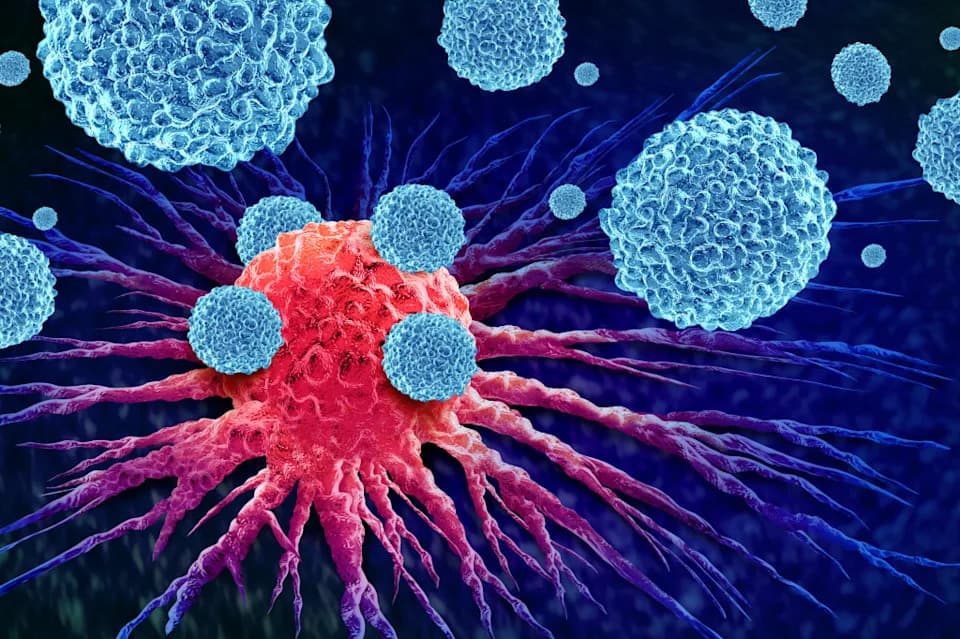
A systematic review of 82 studies (2000–2025) shows that cancer can trigger blood clotting and raise the risk of stroke, particularly within six months of diagnosis. Lung-lining and pancreatic cancers are most often implicated, and many patients have metastatic disease when stroke occurs. Arterial clotting peaks in the first year, with stroke as the outcome in roughly 72% of those cases; stroke risk can remain elevated for up to ten years. D-dimer levels and a multi-territory MRI lesion pattern can aid diagnosis.
Major Review Finds Cancer Can Trigger Blood Clots and Sharply Raise Stroke Risk Soon After Diagnosis

Cancer found capable of triggering blood clots and stroke
A large systematic review of 82 studies shows that cancer can provoke blood clotting and substantially elevate the risk of stroke—especially soon after a cancer diagnosis. The analysis, covering research published between 2000 and 2025, characterizes the timing, likely biological mechanisms, and clinical clues that link malignancy to cerebrovascular events.
Key Findings
The review found that cancer-associated coagulopathy most commonly occurs within six months of a cancer diagnosis and that many patients who suffered a stroke already had metastatic disease. Clot formation in major arteries peaked during the first year after diagnosis, and stroke was the main clinical outcome in about 72% of those arterial clotting cases. Although risk falls after the first year, it can remain elevated compared with the general population for up to a decade.

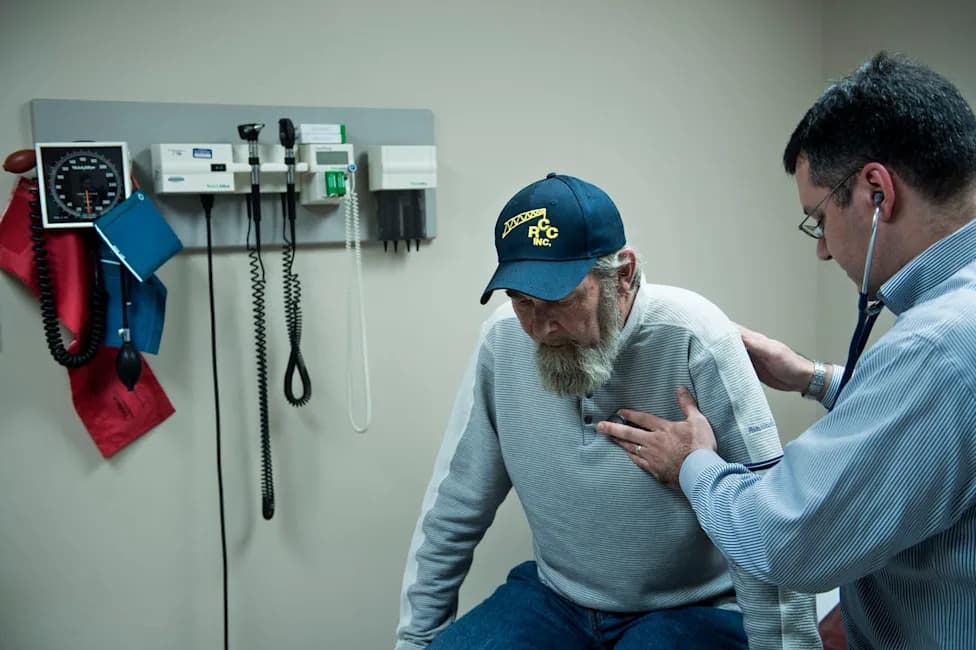
A nurse holds tends to a patient in palliative care (AFP via Getty)
Types Of Cancer Most Often Implicated
Cancers affecting the lung lining (pleura) and the pancreas were most frequently linked to stroke; in these cases the interval between diagnosis and cerebrovascular event is often especially short.
Possible Biological Mechanisms
Researchers describe several complex processes that may connect cancer to thrombosis. One candidate is mucin, a sticky molecule produced by some tumors, which may promote platelet clumping. Circulating membrane-bound particles (including tumor-derived extracellular vesicles) and immune cells such as neutrophils—which can form neutrophil extracellular traps (NETs)—are also implicated in promoting clot formation.
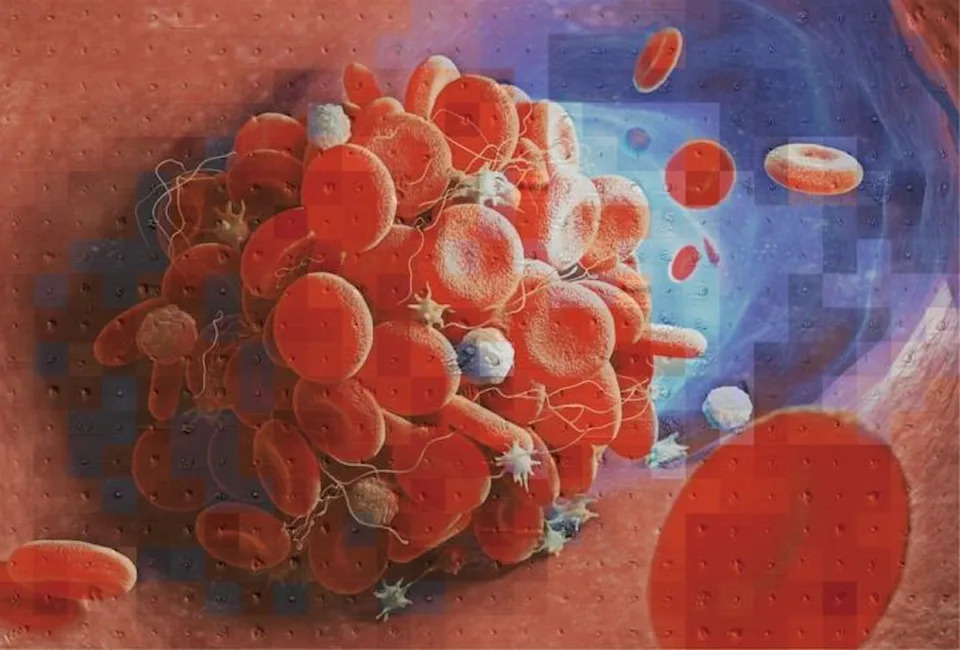
Mosaic of a blood clot (Yuqi Zhou via Eurekalert)
Clinical Clues And Diagnosis
Clinically useful markers include elevated D-dimer, a small protein fragment released when clots break down; the review identifies D-dimer as the biomarker most consistently associated with recurrence and mortality in these patients. Radiologically, an MRI pattern showing lesions in three distinct brain regions (multi-territory infarcts) may be highly specific for cancer-related coagulopathy and can help distinguish these strokes from other causes.
Implications For Patients And Clinicians
"Given the expected worldwide increase in cancer incidence and improvements in cancer survival, the burden of cancer-associated coagulopathy-related stroke is likely to rise substantially," the authors note, underscoring the need for better recognition and management.
Early awareness of the link between cancer and thrombosis can prompt targeted testing (for example, D-dimer and focused MRI), closer monitoring in high-risk patients, and informed discussions about prevention and treatment strategies with oncology and stroke teams.
Help us improve.