During a 2019 expedition aboard the SA Agulhas II, an ROV named Lassie filmed thousands of circular depressions on seafloor exposed after iceberg A68 detached from Larsen C in 2017. Each depression is an active nest created and guarded by the Antarctic rockfish Lindbergichthys nudifrons, arranged in clusters that indicate social organization akin to the "selfish herd" model. Reported in Frontiers in Marine Science, the discovery highlights an important benthic ecosystem and informs a proposal to protect parts of the Weddell Sea under CCAMLR.
Thousands of Circular Fish Nests Discovered Beneath Antarctic Ice, Revealing Unexpected Social Behavior
Antarctic Ice© iStock.com/atese
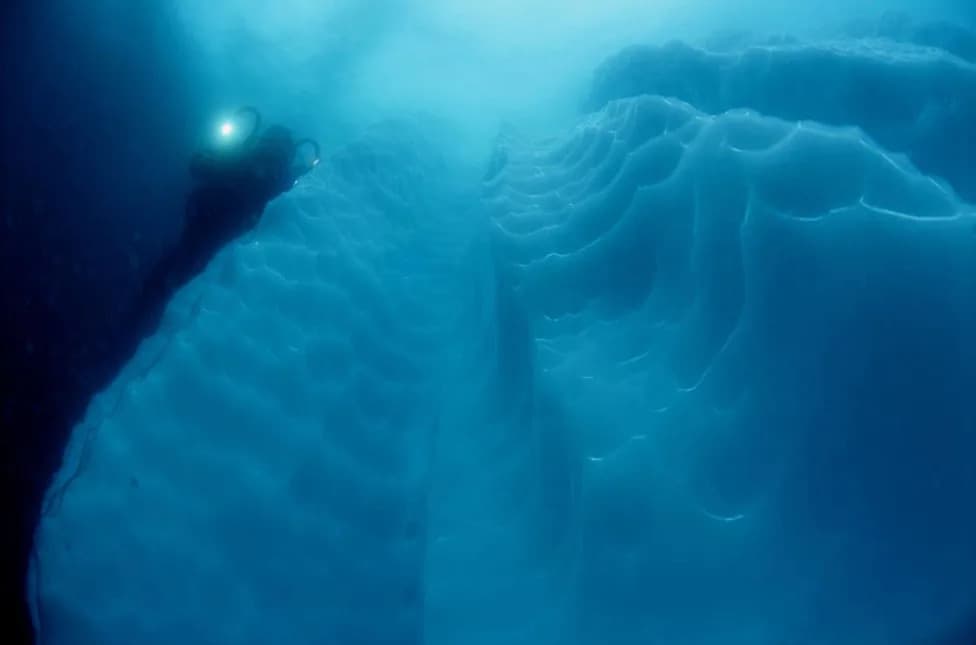
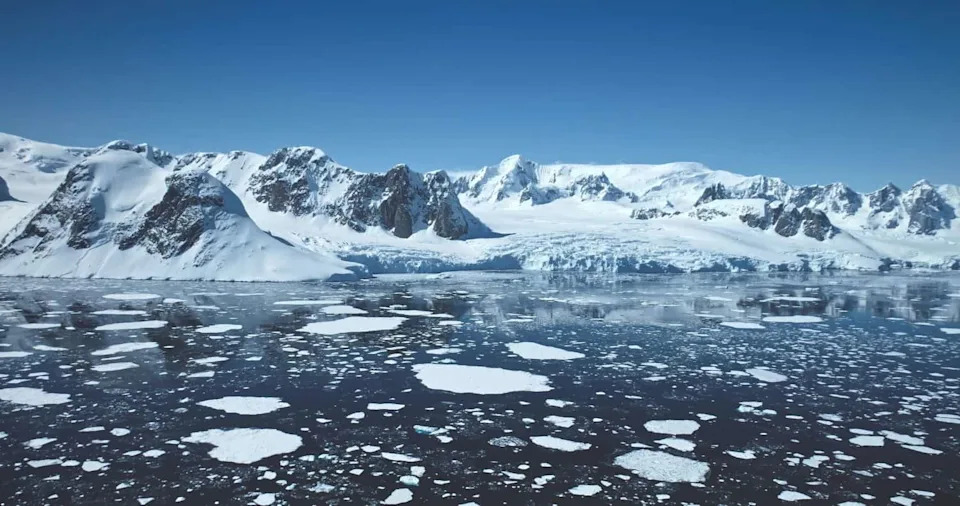
During a 2019 expedition searching for Shackleton’s lost ship, researchers aboard the research vessel SA Agulhas II made an extraordinary biological discovery beneath the Weddell Sea ice. A remotely operated vehicle nicknamed Lassie explored seabed recently exposed after iceberg A68 detached from the Larsen C ice shelf in 2017, revealing row after row of circular depressions across a vast, previously unobserved area.
What the Team Found
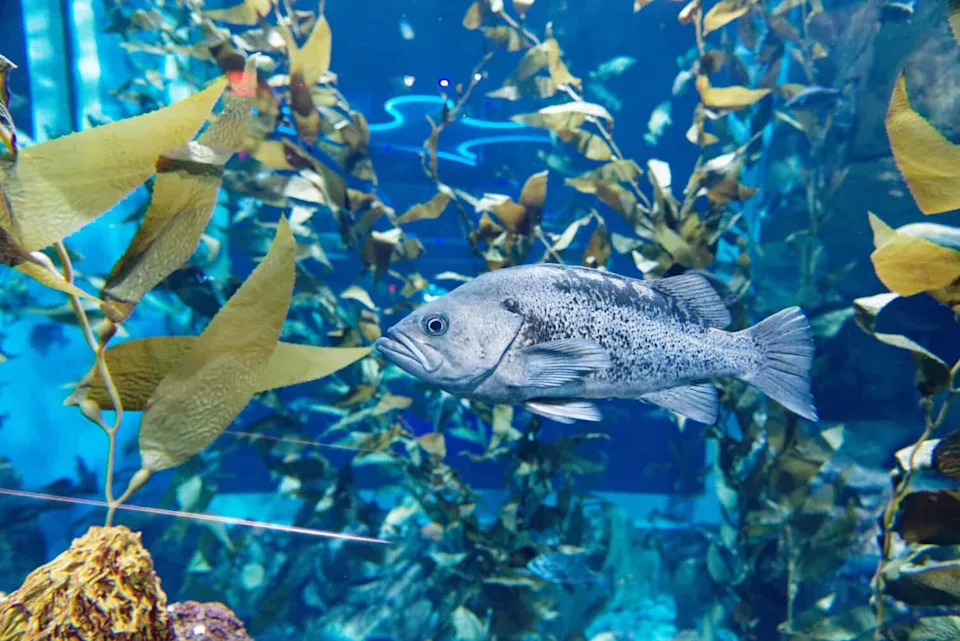
Lassie filmed thousands of evenly spaced, circular depressions clustered across roughly 2,200 square miles (5,800 km²) of seafloor. What initially looked like abiotic features turned out to be active nests excavated and tended by a small Antarctic rockfish, Lindbergichthys nudifrons. Each fish clears a patch of sediment and guards the site to protect deposited eggs from predators.
©Colin Woods/Shutterstock.com
Evidence of Social Organization
Scientists were struck by how deliberate and regular the nest arrangements were. Rather than being randomly distributed according to temperature, light or substrate, the nests formed organized clusters that reflect interactions among the fish themselves. Individuals at cluster centers appear to benefit from greater protection, consistent with the "selfish herd" model, while larger or more robust fish often occupy peripheral or solitary nests where they can better defend themselves.
Ecological and Conservation Significance
The discovery, documented in Frontiers in Marine Science, demonstrates that social complexity can arise even in Antarctica’s dark, icy waters. These nests form a large and previously unrecognized component of the benthic ecosystem, linking bottom-dwelling organisms with plankton and higher predators across the Southern Ocean. Data from the expedition are being used to support a proposal to designate parts of the Weddell Sea as a marine protected area under the Commission for the Conservation of Antarctic Marine Living Resources (CCAMLR).
©Mozgova/Shutterstock.com
Challenges and Importance of Polar Exploration
Exploring beneath Antarctic ice is exceptionally difficult due to extreme cold, darkness and rough seas, which makes remote observations from ROVs particularly valuable. Discoveries like these not only revise our understanding of life in polar regions but also strengthen arguments for protecting fragile Antarctic habitats.
Where explorers once sought relics of the past, they instead uncovered living evidence of behavioral ingenuity: thousands of carefully tended nests that testify to survival strategies and social structure in one of Earth’s harshest environments.
Help us improve.