Summary: Beginning around August 2026, Japan's used-book market saw a surge in large orders for specialist titles, with many shipments reportedly routed to an Okayama logistics hub. Trade data reviewed by Nippon TV News NNN indicate a group company exported more than 50 tons of items labeled "JAPANESE BOOKS" to the U.S., an amount roughly estimated at 100,000 volumes by weight. Observers suspect the purchases could supply AI training corpora via destructive scanning, but no buyer or scanning operation has been confirmed and legal questions under Japan's Copyright Act remain unresolved.
50-Ton Shipment of Japanese Books to U.S. Sparks Questions About AI "Destructive" Scanning

Image: Deposit Photos
Something unusual has rippled through Japan's online market for secondhand books: a marked surge in large bulk orders beginning around August 2026. The items being bought are not mass-market bestsellers but specialist works — philosophy, Edo-period cultural histories, legal texts, medical references and other niche volumes — and the destination of those books demands clearer answers.
What was reported
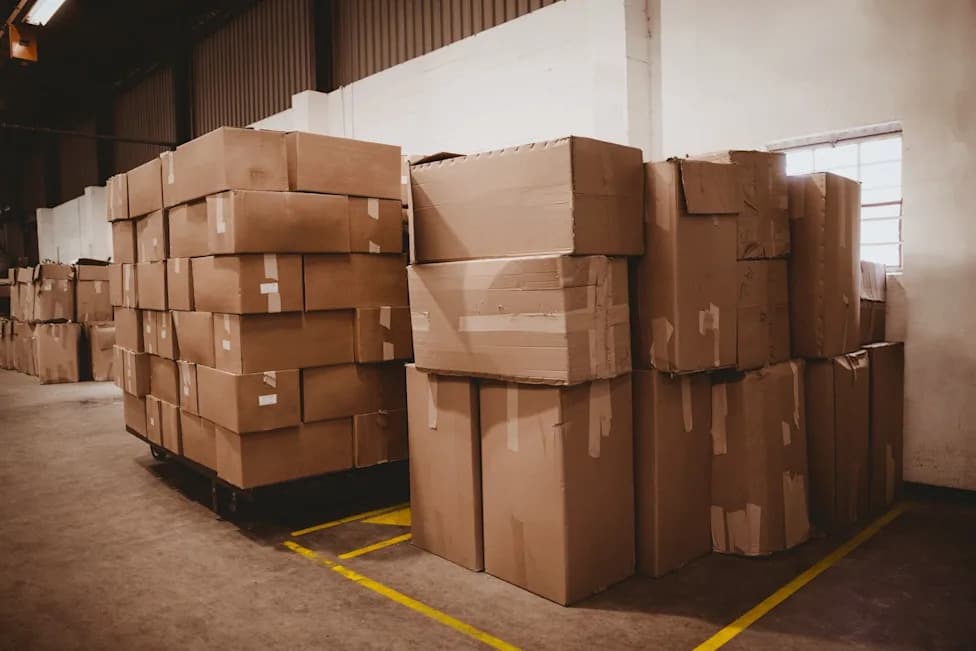
Nippon TV News NNN reviewed trade data and seller accounts that describe days when sales were roughly five times typical volumes. The purchases appear to have come from multiple buyer accounts across different shops, and many of the shipments were routed to a single logistics facility in Okayama Prefecture. The operator of that center did not respond to NNN's inquiries.
The 50-ton export detail
NNN cited the trade-data service Sayari to identify export records showing a group company of a major Japanese publishing distributor shipped more than 50 tons of items labeled "JAPANESE BOOKS" to the United States since the previous year. At a rough estimate of 500 grams per book, that weight would correspond to about 100,000 volumes. That is an estimate based on assumed average weight rather than a confirmed count. The export record does not link the shipment to the Okayama facility or identify a final recipient.
Why this matters to AI developers
Older, obscure and out-of-print works are often missing from commercial digital collections. Scanning physical books and running optical character recognition (OCR) produces machine-readable text that can be used to expand training corpora. Removing bindings before automated scanning reportedly speeds the process, but it also destroys the physical book and makes it unsuitable for resale or return to public collections.
Allegations and limits of current evidence
U.S. litigation and reporting have alleged that at least one AI firm, Anthropic, acquired physical books for so-called "destructive scanning" — removing bindings, scanning pages and disposing of originals. The available evidence does not establish a connection between Anthropic (or any named company) and the Japanese purchases. The two lines of reporting are investigative leads rather than a proven chain of events.
Legal and cultural implications
Japan's Copyright Act, Article 30-4, permits certain information-analysis uses of copyrighted works without permission but forbids uses that would "unreasonably prejudice the interests of the copyright holder." Whether wholesale acquisition and destructive scanning for AI training crosses that threshold depends on facts not yet public. No Japanese court ruling resolving this question was found in the reporting reviewed.
The surge has brought real revenue gains for some booksellers, including from slow-moving inventory. Yet rare, irreplaceable or unique volumes could be lost to Japan's public and research collections if originals are destroyed or permanently exported. That prospect raises concerns for scholars, librarians and cultural institutions.
What remains unknown and next steps
Key open questions include: who placed the orders, which entity (if any) is performing scanning, what will happen to the originals, and whether export records correspond to the Okayama shipments. Transparency from buyers, logistics providers and distributors — and scrutiny from regulators, courts and industry bodies — would help clarify whether lawful acquisition is being used in ways that harm cultural heritage or infringe rights.
At present the reporting documents unusual trading and export patterns and presents plausible reasons for concern; it does not prove that AI companies are behind the shipments or that destructive scanning has taken place in Japan.
If you archive, research or rely on access to specialized Japanese-language material, these developments are worth watching. Stakeholders should seek clearer records and public explanations so the public interest and copyright concerns can be balanced against technical and commercial objectives.
Help us improve.