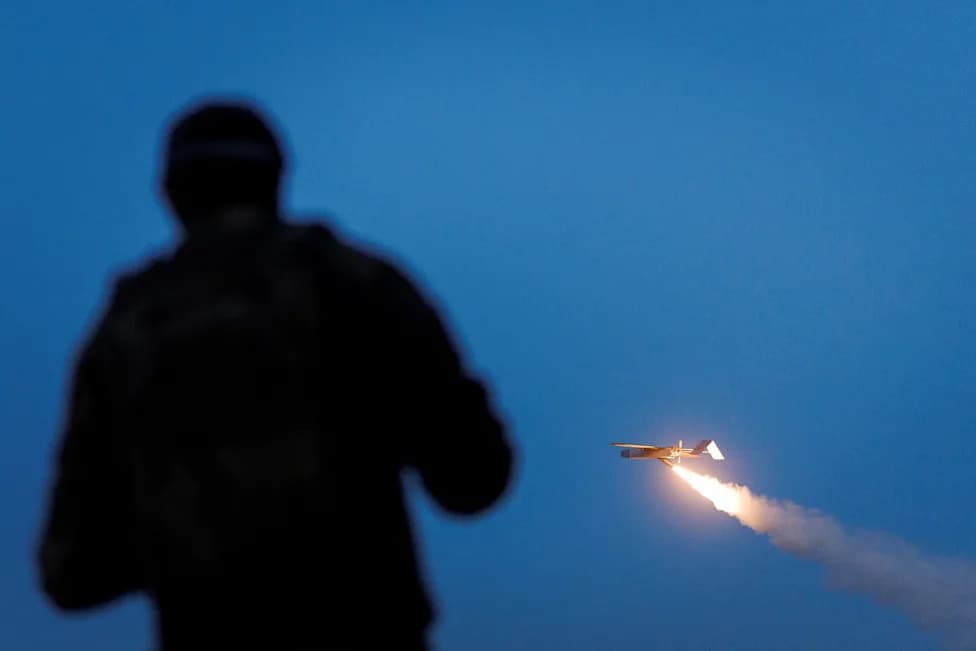
Outdated medical rules are excluding thousands of potential British recruits just as the Armed Forces face shortfalls. A BBC probe found over 114,000 Army applications rejected on medical grounds in five years, with 108,020 applications to the Regular Army in the year to September 2025. Modern warfare prizes technical skills — drone operation, electronic warfare and rapid decision‑making — as much as physical strength, so the MoD should retain essential standards but replace blanket medical exclusions with role‑specific functional assessments.
Outdated Medical Rules Are Turning Away The Recruits Britain Needs
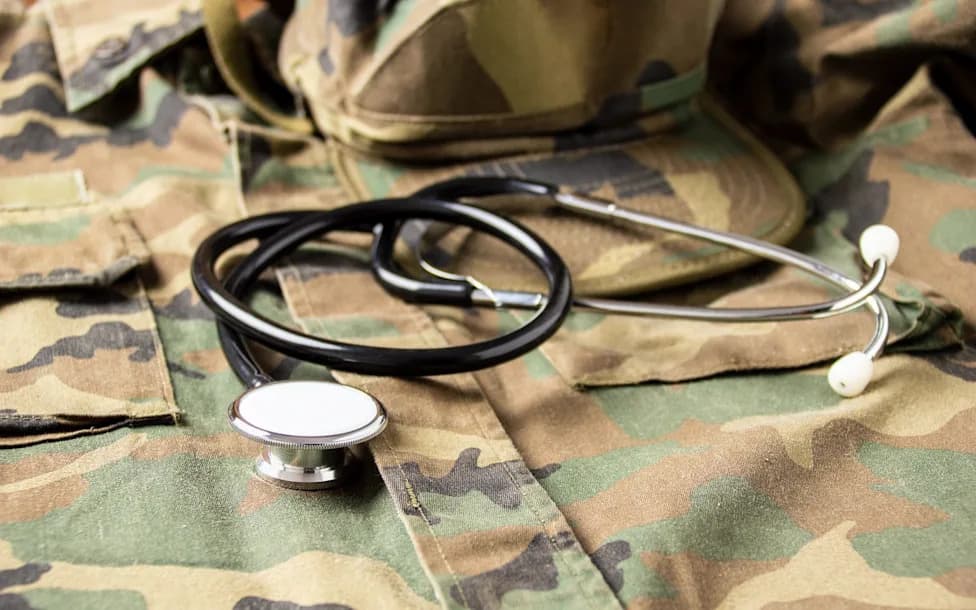
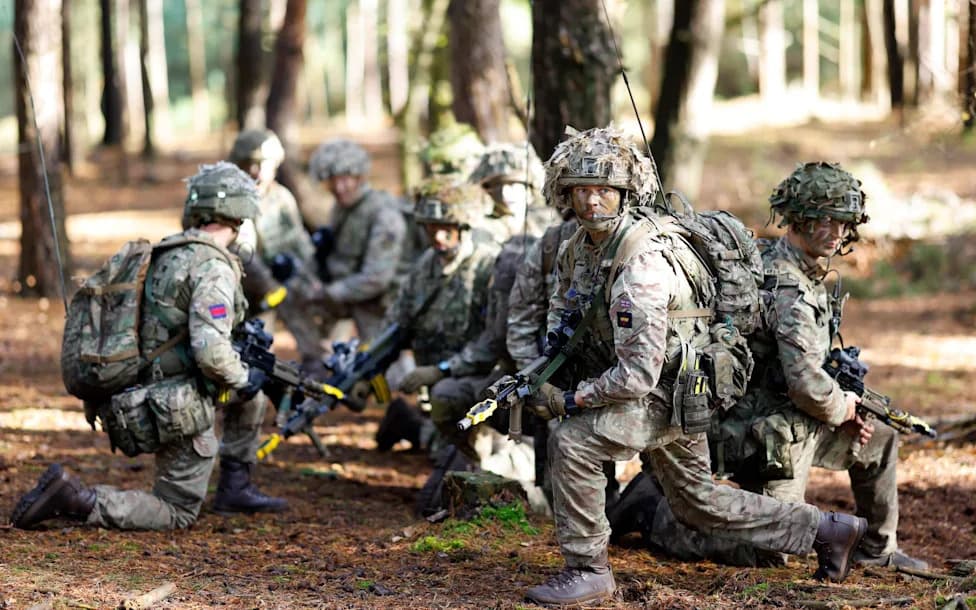
More than 114,000 applications to the Armed Forces have been rejected on medical grounds in five years - iStockphoto
It is dispiriting that otherwise capable young people are being rejected by military recruiters because of medical histories or conditions that often have little bearing on their ability to serve in today’s or tomorrow’s Armed Forces.
A recent BBC investigation found more than 114,000 Army applications rejected on medical grounds over five years, while the Army remains thousands short of its recruitment target. In the year to September 2025 alone there were 108,020 applications to the Regular Army. The Imperial War Museums has described current medical restrictions as hopelessly outdated.
Something has clearly gone wrong when a volunteer who wants to serve is ruled out because of an ailment or operation from many years earlier. This is not an argument for lowering essential standards: anyone who cannot pass aptitude tests, fails security vetting or genuinely cannot meet the demands of service should not be recruited. But blanket exclusions based on old rules risk discarding candidates who could add real value.
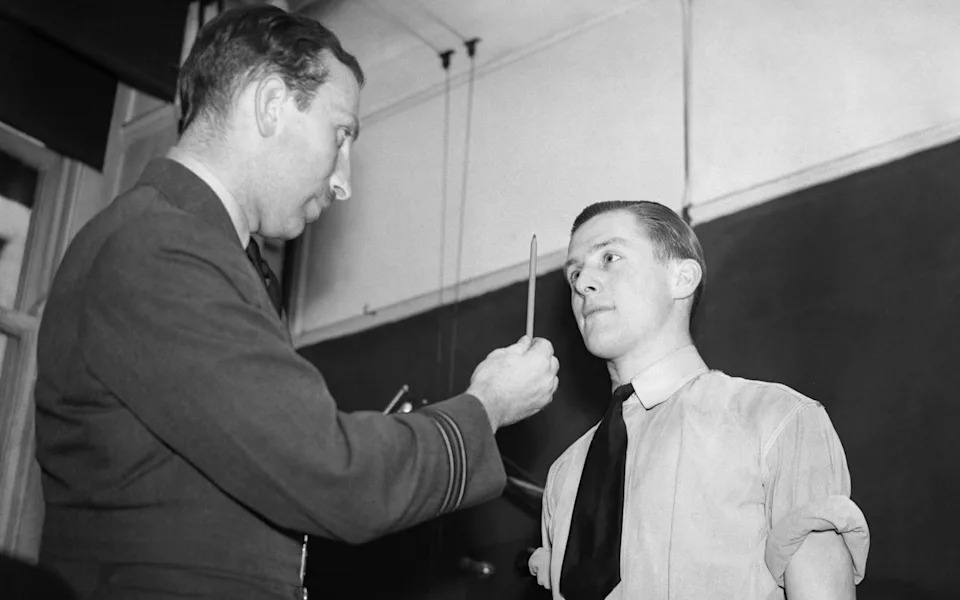
Medical restrictions on recruits remain hopelessly outdated - Imperial War Museums
Case in point: Lewis Jackson, an enthusiastic cadet with a family military tradition, was rejected as a reservist because of eye surgery at age three — despite demonstrable skill as a shotgun user. That kind of decision should give policymakers pause.
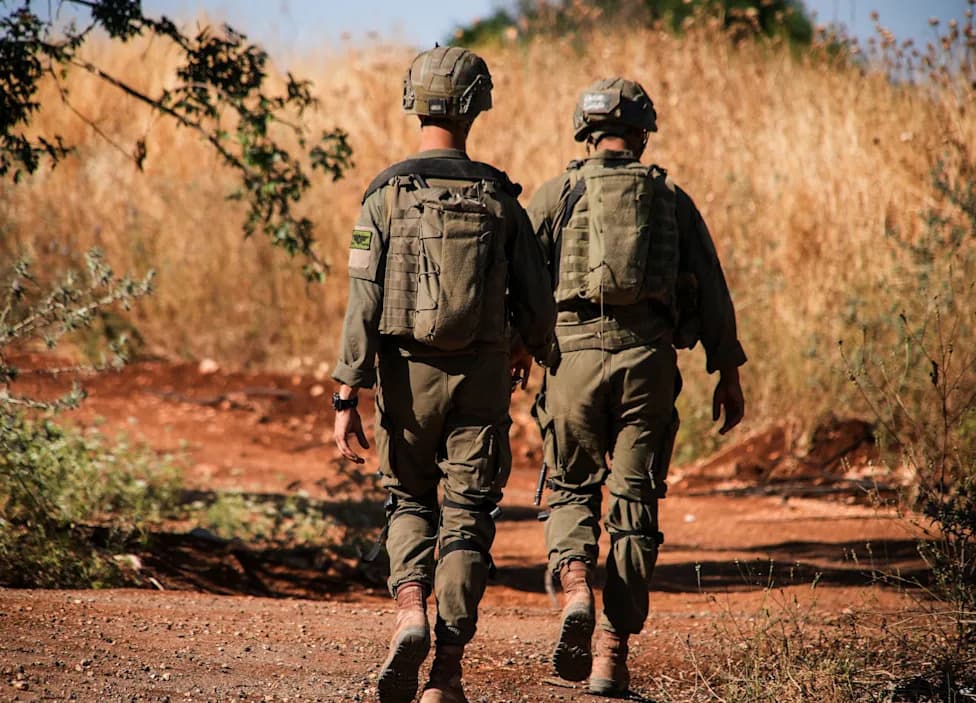
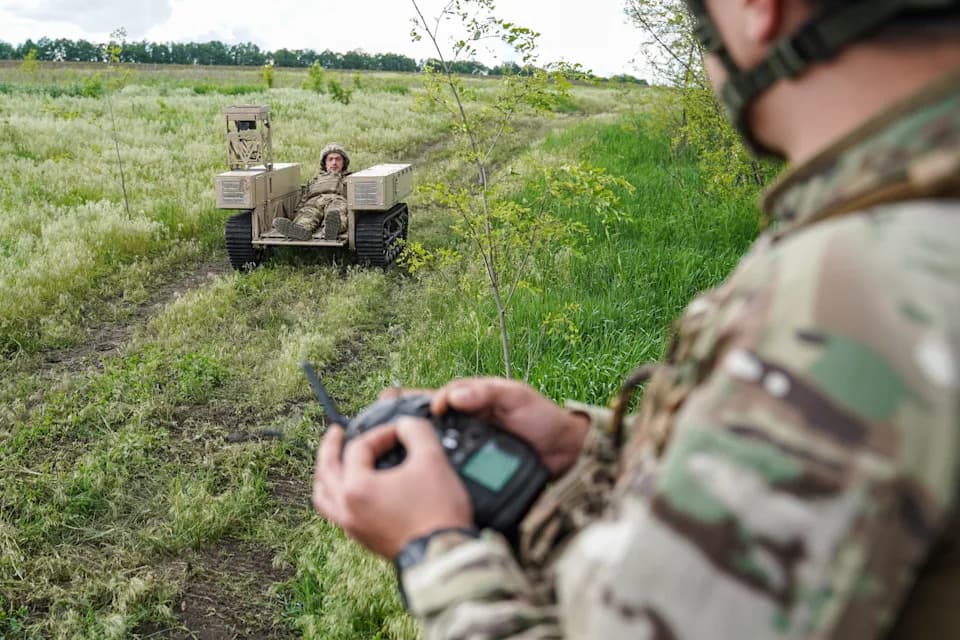
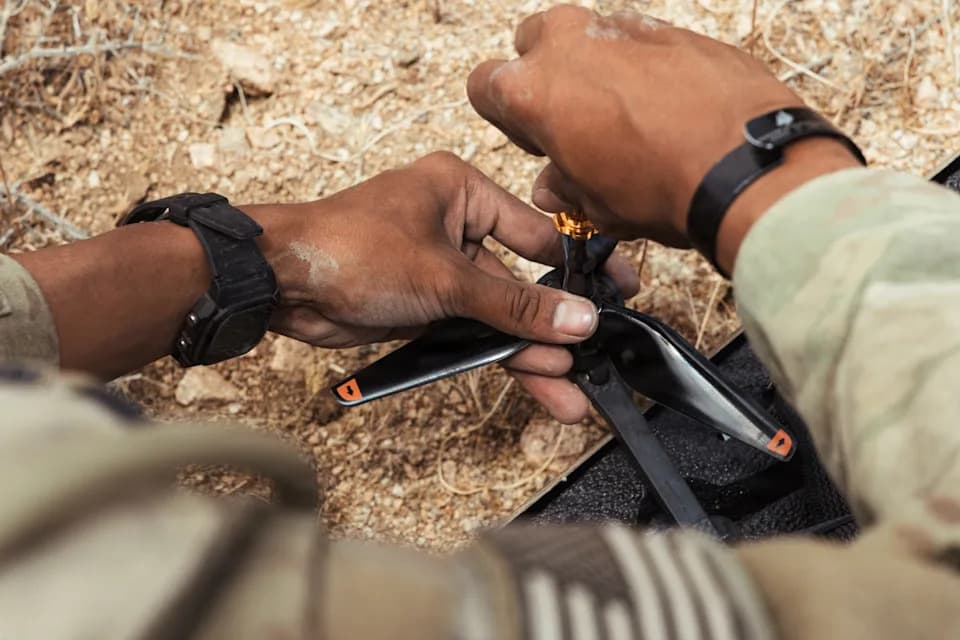
The battlefield is changing fast. In Ukraine, small drones are ubiquitous: they can find, target and damage personnel and equipment at a fraction of the cost of traditional weaponry. The ability to operate drones, analyse imagery, run electronic-warfare systems and make rapid decisions often matters more than brute physical strength.
Unexpectedly, simple weapons such as shotguns have also re-emerged as a tactical tool in countering swarms of small drones. Technology is blurring the old distinction between the expert rifleman and other roles: a soldier who can identify and neutralise a drone at close range may be as valuable as a traditional marksman.
I write from some personal experience. I am a reservist living with cancer and an implanted defibrillator, and I continue to serve effectively. In some respects I am more useful to the Army now than when I was a full-time soldier. That highlights the central point: we must stop judging the Army of tomorrow by yesterday’s standards.
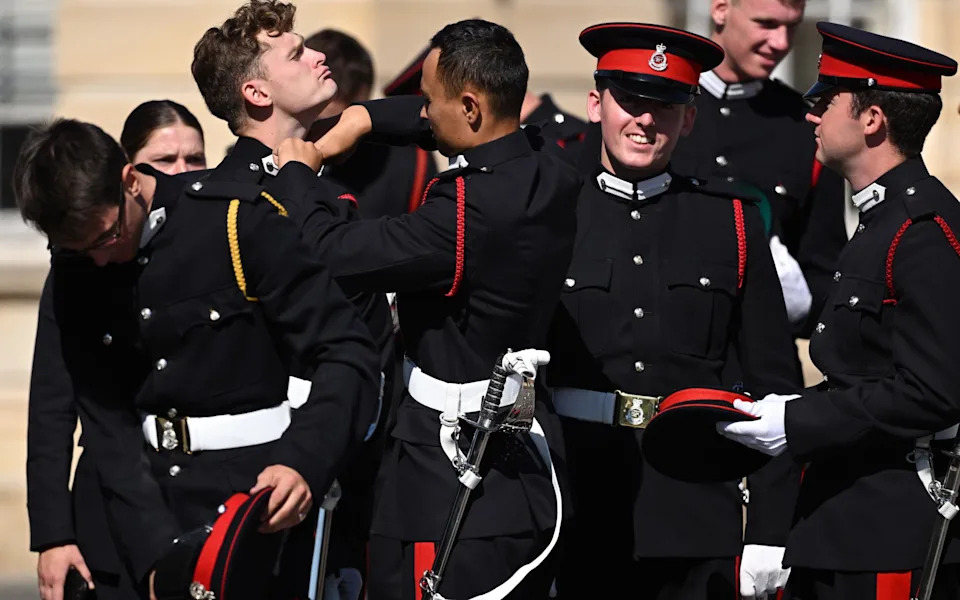
Rejecting large numbers of potential recruits because of medical rules designed for another era risks throwing away precisely the talent the modern Armed Forces desperately need - Leon Neal/Getty Images Europe
At the same time, Britain has roughly one million 17-to-24-year-olds not in employment, education or training. The Armed Forces need technically skilled recruits to operate drones, defend against them, maintain sophisticated equipment and sustain a modern force. That creates a clear opportunity to align recruitment rules with operational reality.
What Should Change
Policymakers should:
- Retain rigorous standards where they matter, but review and remove archaic medical exclusions that do not affect specific job performance.
- Introduce role-specific, functional medical assessments rather than blanket bans based on historic diagnoses or remote surgeries.
- Provide clearer routes into technical and non-frontline roles for applicants with manageable medical conditions, including retraining and reasonable adjustments.
- Target recruitment outreach to underemployed young people with the digital and cognitive skills needed for modern warfare.
The greatest waste would be leaving talent idle because the Ministry of Defence has failed to recognise how the battlefield has changed. If the UK is to rebuild a credible conventional deterrent and meet recruitment targets, it should make it easier — not harder — for suitable people to serve.
Help us improve.