Joshua Gibbons, known for filming Kingsport police, has filed a federal civil-rights lawsuit alleging his First Amendment rights were violated after videos he posted led to a predawn arrest at his home. The Foundation for Individual Rights and Expression (FIRE) represents him, arguing the department retaliated for his recordings and criticism. Initial criminal charges against Gibbons were ultimately dismissed after appeals courts found the evidence insufficient to support a disorderly conduct conviction. The case highlights legal protections for recording and criticizing police in public.
Tennessee 'First Amendment Auditor' Sues After Predawn Raid Sparked by Police-Recording Videos
The Foundation for Individual Rights and Expression
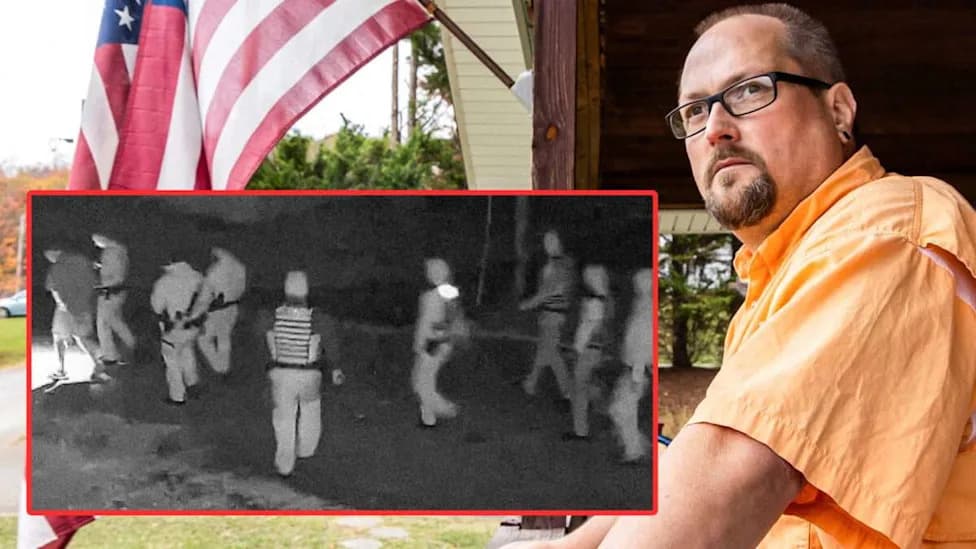
Joshua Gibbons, a Tennessee resident who frequently records local law enforcement, has filed a federal civil-rights lawsuit alleging that Kingsport police violated his First Amendment rights after videos he posted led to a predawn arrest at his home.
The Foundation for Individual Rights and Expression (FIRE) announced it is representing Gibbons in the suit against the city of Kingsport, the Kingsport police chief, and several officers. The complaint says the department targeted Gibbons in retaliation for his recordings and public criticism.
What Happened
On Oct. 9, 2022, Gibbons recorded a Kingsport police sergeant driving a department SUV that appeared to be speeding without emergency lights. Gibbons followed the vehicle to a drive-thru, approached the officer while recording on his cellphone, asked for the officer's name and badge number, and — after the officer declined to identify himself — used profanity before leaving. The encounter lasted roughly one minute.
On Oct. 15, Gibbons uploaded a video showing another officer making an obscene gesture at him. The next day a member of the public filed a complaint about that officer, and the department learned of Gibbons' other recent uploads, the lawsuit says.
The Arrest And Legal Proceedings
According to the arrest affidavit, a Kingsport detective obtained a warrant on Oct. 17 that cited video evidence of Gibbons using a cellphone while driving and traveling 53 mph in a 45-mph zone. The affidavit also asserted Gibbons' shouting in the drive-thru was "disturbing the lawful conduct of the Officer and other patrons that are in the drive-thru."
Around 5 a.m. the following morning, eight armed officers arrived at Gibbons' home. The complaint says officers rousted Gibbons out of bed while he was partially dressed and arrested him in front of his elderly mother and his daughter.
Gibbons was initially charged with disorderly conduct, speeding and operating a cellphone while driving. At a 2023 bench trial, a county judge acquitted him of the speeding and cellphone counts but convicted him of disorderly conduct. After seeking a new trial, a 2025 jury again convicted him of disorderly conduct. Gibbons appealed, and in June the Tennessee Court of Criminal Appeals ruled the evidence was insufficient to support the conviction, noting witnesses testified the encounter merely caused a brief distraction and did not prevent patrons from placing orders or getting food.
"The prosecutor's argument to the trial court that a person's momentary distraction is enough to sustain the charge is incorrect," Judge Matthew J. Wilson wrote. "No evidence established that [Gibbons'] yelling prevented any person from doing any lawful activity."
Legal Context And Significance
Gibbons is part of a growing group of independent reporters, livestreamers and so‑called First Amendment "auditors" who film police and government employees to promote accountability and test constitutional protections. Federal appellate courts that have considered the issue have generally recognized a First Amendment right to record police performing public duties. Case law also protects a broad range of critical — even vulgar — speech directed at law enforcement.
FIRE attorney Adam Steinbaugh described the Kingsport response as "wildly disproportionate" and said the case underscores the importance of protecting the right to record and criticize police without fear of retaliatory arrest.
The Kingsport Police Department did not immediately respond to requests for comment.
Why It Matters
The lawsuit raises questions about how law enforcement should respond to public criticism and the appropriate use of arrest powers. Supporters of recording police argue such activity strengthens accountability; critics say confrontational encounters can create safety concerns. Courts must balance those considerations while protecting constitutional speech and civic oversight.
Help us improve.