The Ridge Spring Police Department's social-media response to a resident's profane criticism of Flock surveillance cameras has raised First Amendment and governance concerns. Screenshots shown to WRDW/WAGT allegedly depict an account tied to Chief Terry Logan warning of a warrant and saying U.S. Marshals would be sent, though those images remain unverified. Legal experts say South Carolina's unlawful-communications law exists but has been narrowed by court decisions and likely would not apply to a single critical comment. Observers urge that municipalities deploying surveillance tools must adopt clear policies, constitutional training, and accountability measures.
Ridge Spring Resident Says Police Account Threatened Warrant After Criticizing Flock Cameras
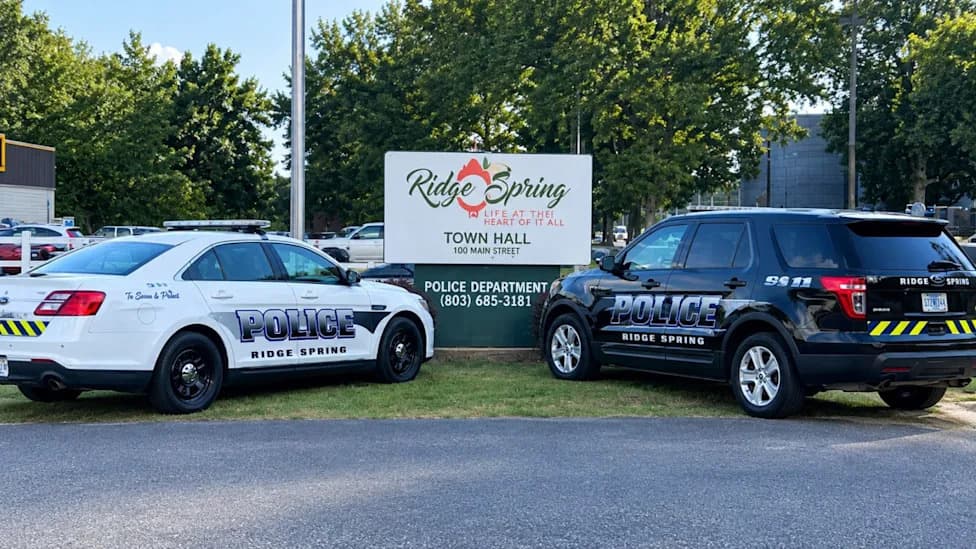
Image: Ridge Spring Police Department
A Ridge Spring, South Carolina resident says he was threatened with a warrant after posting a profanity-laced criticism of Flock surveillance cameras on Facebook. Screenshots provided to WRDW/WAGT show replies from an account labeled "Ridge Spring Police Department" warning that electronic profanity is unlawful, stating "I will be obtaining a warrant" for "unlawful communications," and adding "I will send the U.S. Marshals to pick you up." Those images have not been independently authenticated, and platform records or an official investigation have not confirmed the account's ownership.
What Happened
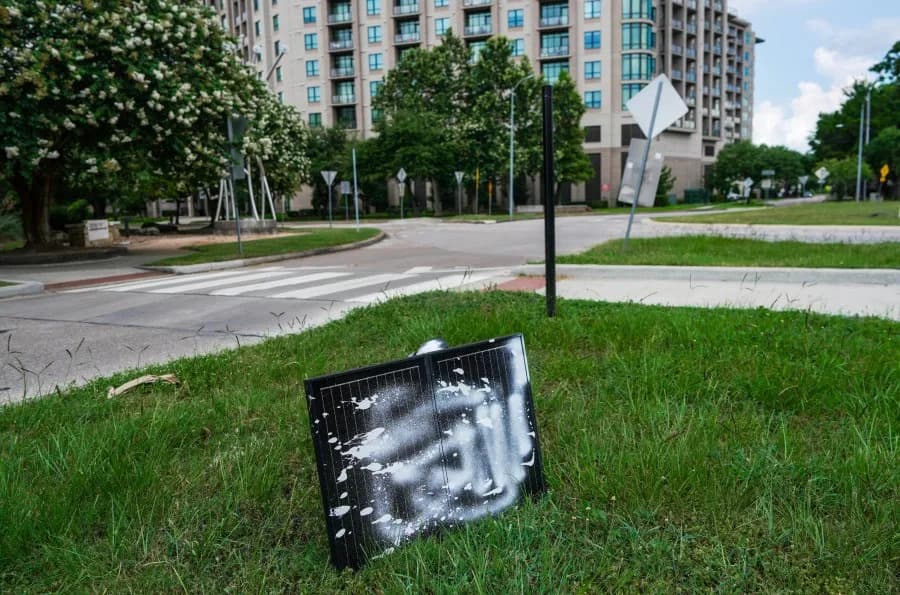
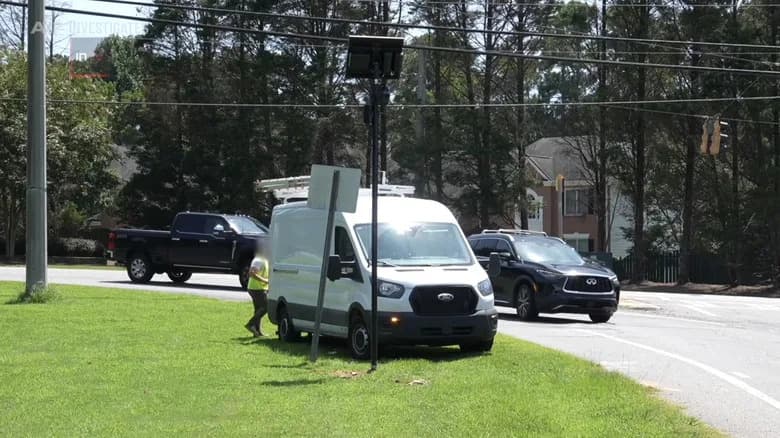
According to reporting, Christian McClellan commented on a Ridge Spring Police Department post about more than a dozen Flock cameras having been damaged or removed in town. About a week later, he supplied screenshots to WRDW/WAGT that appear to show the department's Facebook account replying and threatening warrant action. Mayor James H. "Jimmy" Harling publicly identified Police Chief Terry Logan as the person behind the account, but Chief Logan declined to provide a substantive comment when contacted through city hall. Reporters later visited the department in person.
Verification And Public Records
Available reporting notes that the screenshots have not been independently verified and no public records show any warrant, arrest, or involvement by U.S. Marshals in connection with the exchange. McClellan also said the department's Facebook page and Google reviews briefly disappeared and that phone calls to the department went unanswered; the Facebook page was later restored. WRDW/WAGT requested Chief Logan's file from the South Carolina Criminal Justice Academy and his municipal personnel file, but whether those records were released or whether a formal investigation was opened remained unclear in reporting.
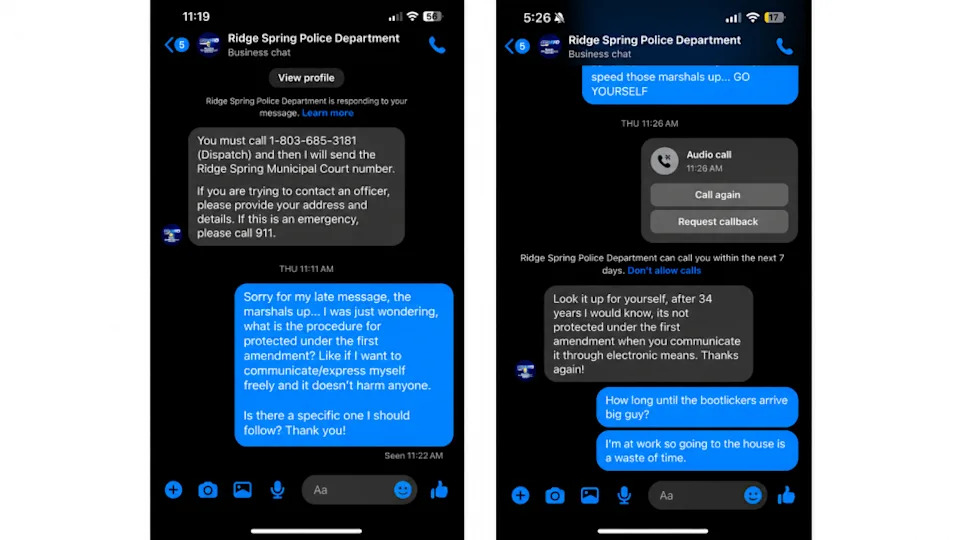
In screenshots McClellan provided, the Facebook account labeled Ridge Spring Police Department responded to him, saying it is unlawful to use profanity electronically and stated, "I will be obtaining a warrant" for "unlawful communications." The message also stated, "I will send the U.S. Marshals to pick you up."(WRDW)
Legal Context
South Carolina Code Section 16-17-430 criminalizes certain profane electronic communications, electronic threats intended to coerce or harass, and repeated harassing contact. Violations are misdemeanors punishable by a $100–$500 fine or up to 30 days in jail. Legal experts and civil-liberties advocates told reporters that the statute's reach has been narrowed by state Supreme Court decisions, and many observers believe a single critical comment about a government agency would likely be protected speech. Allen Chaney of the ACLU of South Carolina emphasized that criticizing government surveillance on social media is broadly protected, and he framed the exchange as raising governance and First Amendment concerns; his remarks reflect the organization's advocacy position rather than a court ruling on the specific facts.
Flock Cameras And Governance Questions
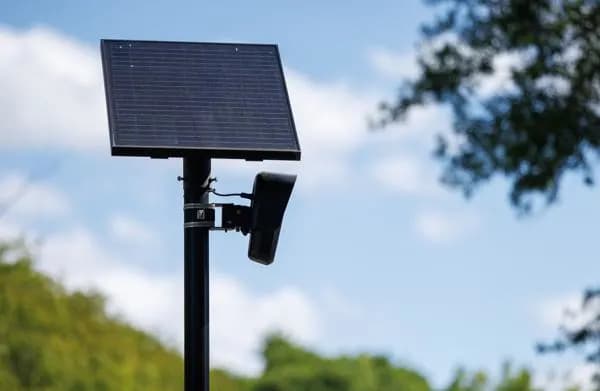
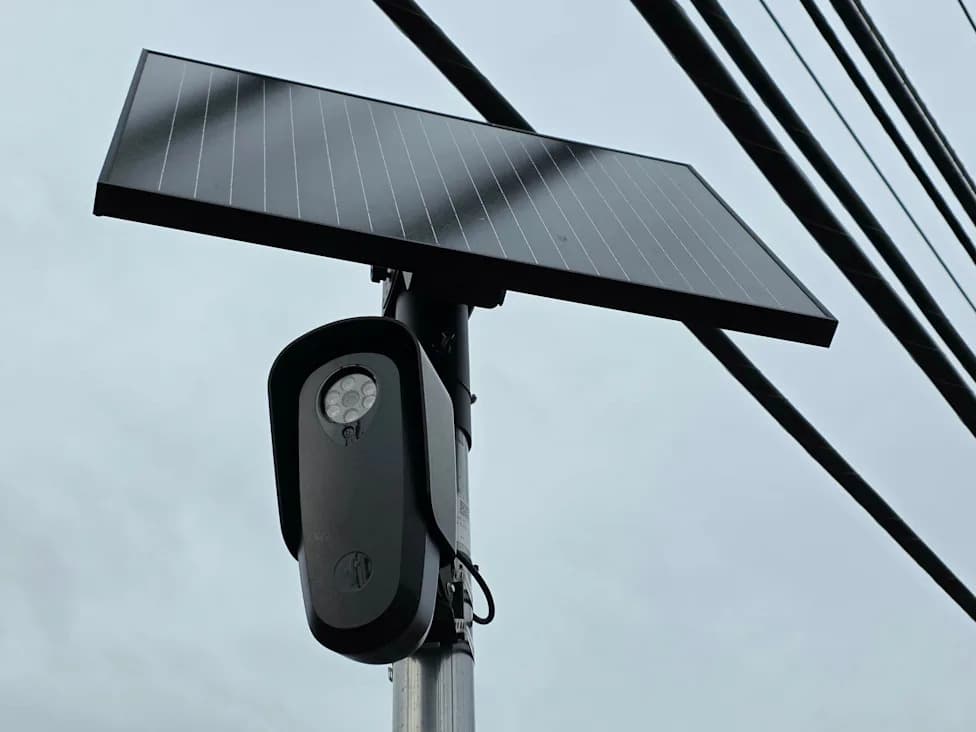
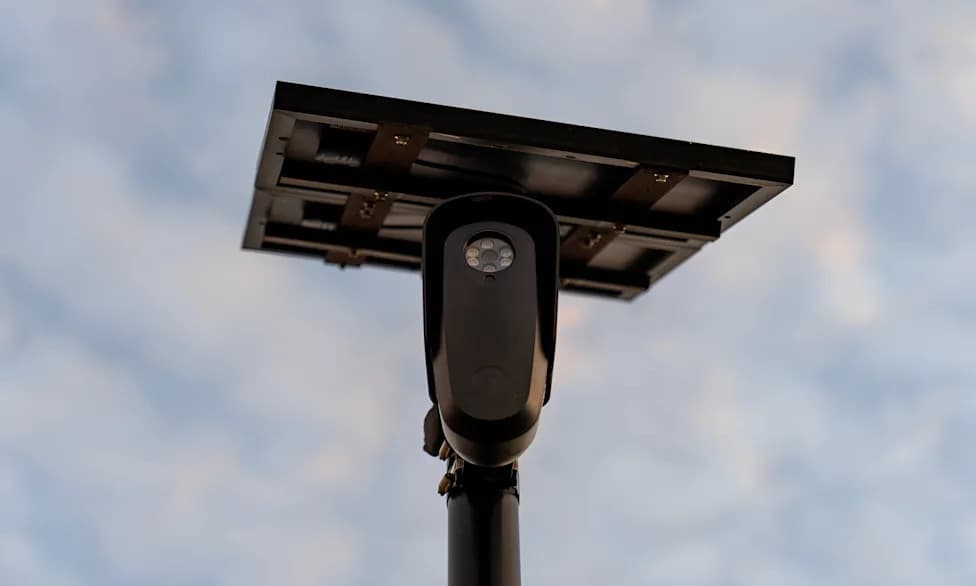
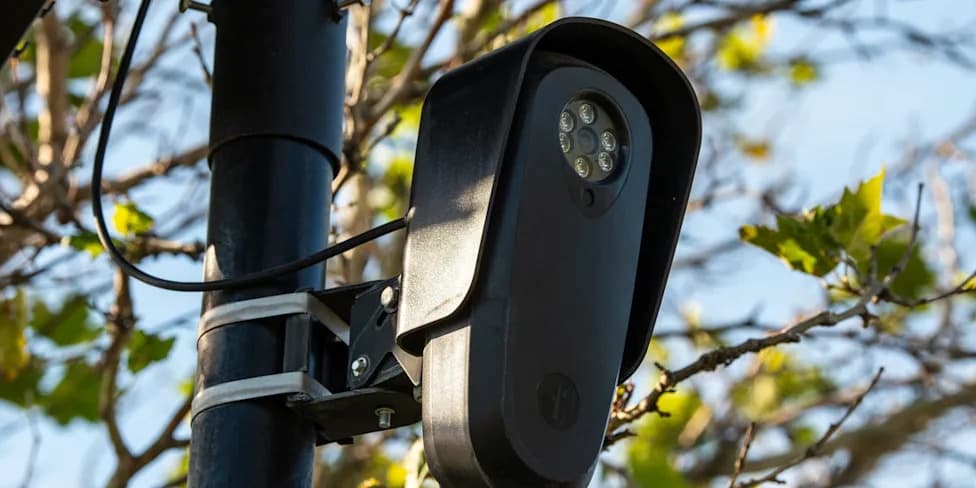
Flock Safety supplies networked automated license-plate readers and cameras that capture vehicle images and plate data for investigative use. The incident in Ridge Spring appears to involve physical damage to more than a dozen cameras rather than a technical failure. Reporting did not include details of the town's contract terms with Flock, its data-retention policies, or access-auditing procedures — gaps that privacy advocates and legal observers say deserve scrutiny when a municipality deploys communitywide surveillance technology.
Why This Matters
When agencies deploy tools that record vehicle observations across a community, they should pair those purchases with robust constitutional training, transparent data policies, and clear accountability mechanisms. Those safeguards help protect civil liberties and public trust — and they should be in place regardless of how this particular exchange is ultimately resolved.
Ultimately, available reporting documents an alarming claim and governance shortfalls but does not independently substantiate that a warrant was sought or that U.S. Marshals were involved. Public records requests and any formal inquiries could provide clearer answers about who sent the messages and whether departmental policies or training were followed.
Help us improve.