Benedict College has enrolled majority-male incoming classes two years running, with men representing 54% last year and 53% this year. The Fall 2026 cohort of 731 new traditional undergraduates is the largest since 2019. National data show men comprised about 42% of undergraduates in 2024 and Black men’s college enrollment trails Black women’s; Benedict credits targeted outreach and expanded access, paired with retention supports, for its gains.
Benedict College Posts Two-Year Rise In Black Male Enrollment, Largest Fall Class Since 2019

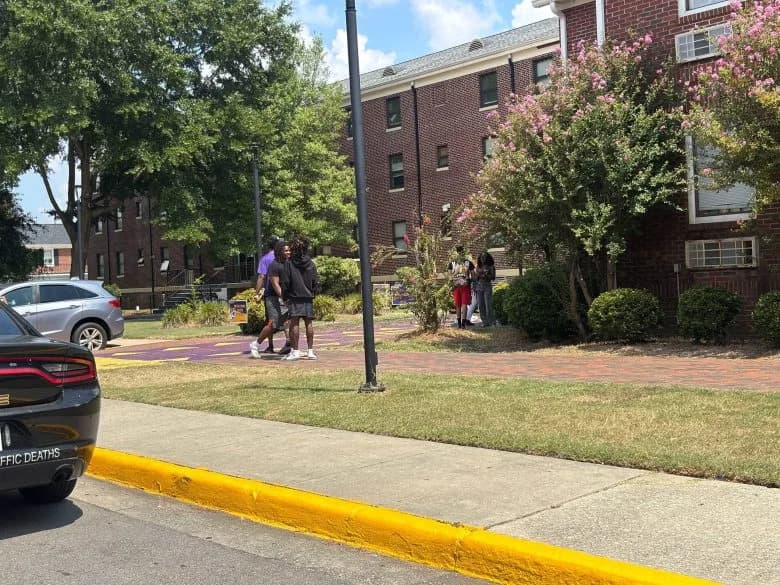
Benedict College in Columbia, South Carolina, is bucking national trends by enrolling majority-male incoming classes for a second consecutive year. The historically Black college reported that men comprised 54 percent of last year’s incoming fall class and 53 percent of this year’s cohort — a notable reversal at a campus where women have traditionally outnumbered men.
Enrollment Context
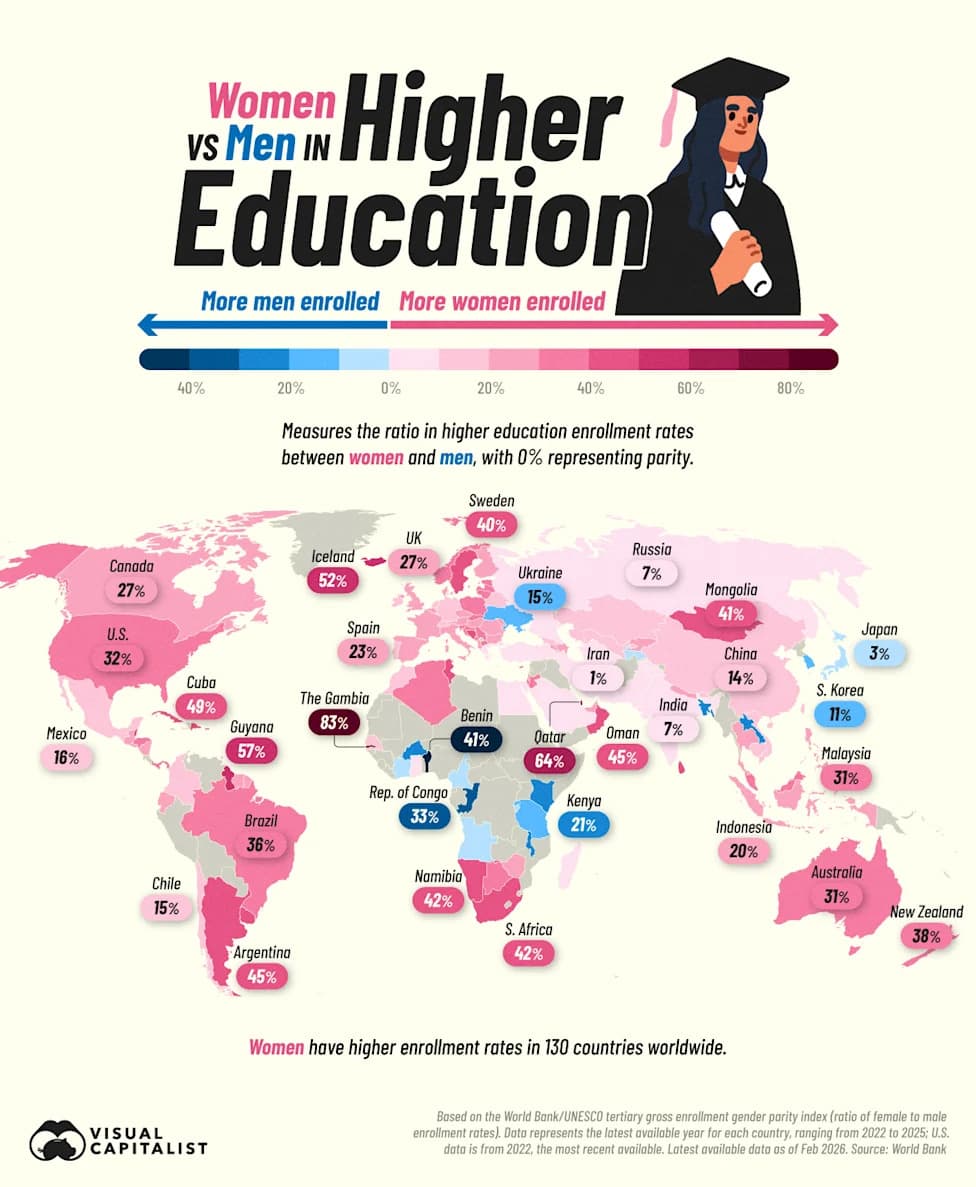
Those figures stand out against national data. The National Center for Education Statistics reported that men made up roughly 42 percent of undergraduate students nationwide in 2024. Among Black 18- to 24-year-olds, college enrollment rates in 2022 were about 32 percent for men versus 39 percent for women. Reporting cited by The Root also shows a long-term decline in Black male representation at HBCUs, falling from 38 percent in 1976 to 26 percent in 2022.
Benedict’s Latest Class

Add ClutchPoints on Google
Beyond gender balance, Benedict’s Fall 2026 incoming class included 731 new traditional undergraduate students — the largest such incoming cohort since 2019, according to a university press release. College leaders attribute growth to targeted outreach and efforts to expand access to prospective students.
“As more students choose Benedict, we remain focused on expanding opportunity, delivering academic excellence, and preparing our students to lead and serve. We are proud to welcome another strong class of new Tigers to our community,” said Benedict College President and CEO Dr. Roslyn Clark Artis.
Retention And Student Support
Administrators emphasize that recruitment is only the first step: retaining male students and ensuring they graduate is equally important. Benedict says it pairs its enrollment strategies with academic supports, leadership programming, and other student-success initiatives designed to help students persist and complete their degrees.
Why It Matters
Benedict’s two-year shift toward a majority-male incoming class provides a case study for other institutions addressing gender gaps in college enrollment. Observers say combining outreach with sustained academic and campus supports is critical to turning enrollment gains into higher graduation rates for Black men.
Help us improve.