Israeli army bulldozers uprooted olive trees in Deir Nidham, near Ramallah, days before the traditional October harvest, residents and local news agencies said. Farmers reported substantial losses, including land that produced about 120 drums of olive oil annually for one family. Palestinian groups say the removals undermine livelihoods and cultural ties, while Israeli authorities have cited security concerns. Authorities reported more than 21,000 trees affected across August, with national production outpacing local demand.
Israeli Bulldozers Uproot Olive Groves Near Ramallah Ahead Of Harvest, Residents Say
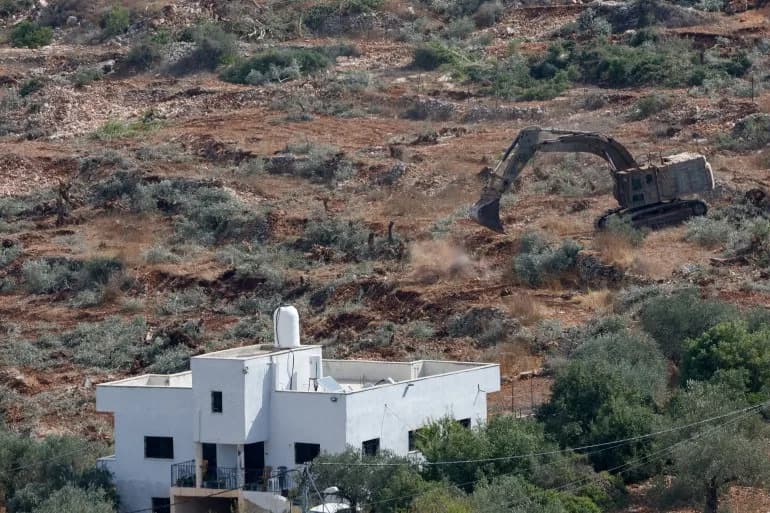
Israeli military machinery uproots olive trees near the Palestinian village of Deir Nidham near Ramallah, in the occupied West Bank, September 23, 2026 [Mohammed Torokman/Reuters]
Israeli army bulldozers ploughed through rows of olive trees in the village of Deir Nidham, near Ramallah in the occupied West Bank, just as Palestinian farmers were preparing for the annual olive harvest, residents told Reuters.
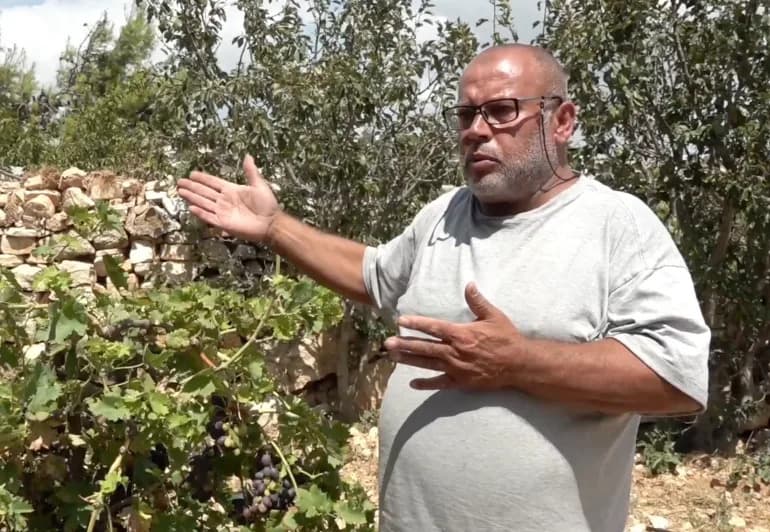
Local landowner Abd Alfattah Tamimi said the military operation destroyed olive trees on his family's land and on neighbouring plots. The demolition began on Monday and continued into Tuesday, the Palestinian news agency Wafa reported.
"They don't care about anyone, but God is up there, and we are steadfast here with our souls. They are uprooting, and we will plant again with the help of God," Tamimi said.
Another farmer, Nather Tamimi, told Reuters that the timing appeared intended to cause maximum harm just before the harvest season, which traditionally begins in October. He said his family produced about 120 drums of olive oil from the affected land each year, and that the army "uprooted all kinds of trees even from between the houses."
Official Responses And Claims
Israel's military said it was checking Reuters' request for comment but had not provided a response by Wednesday evening. In previous incidents, Israeli authorities have said clearing olive trees can be necessary to remove potential security threats or locations for ambushes against troops. Palestinian human rights groups reject that justification, arguing the removals strip farmers of income and sever symbolic ties to the land.
Scale And Broader Impact
The Palestinian Authority's Colonization and Wall Resistance Commission reported that attacks on agricultural land in August affected 21,508 trees, including 19,375 olive trees. The commission estimated national olive production this year at roughly 21,000 tonnes, compared with local demand of about 15,000 tonnes—underscoring the economic importance of the crop to Palestinian communities.
Photograph: A Reuters image shows Israeli military machinery uprooting olive trees near Deir Nidham on September 23, 2026. [Mohammed Torokman/Reuters]
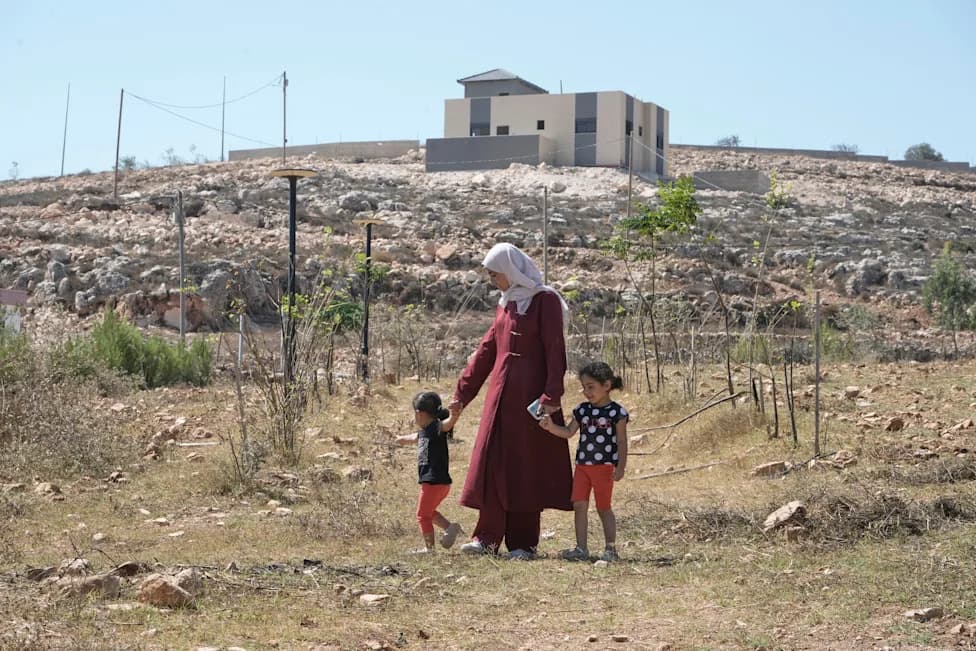
The uprooting of olive groves not only threatens immediate livelihoods by destroying this year’s crop and future yields, but also damages a long-standing cultural and economic link between Palestinian families and their land.
Help us improve.