Palestinian farmers around Beit Ummar, north of Hebron, say settler outposts and military restrictions have made accessing vineyards and orchards dangerous and costly. Residents report deliberate sabotage — including settlers driving sheep into cultivated plots — and demands for permits to work their own land. Authorities recorded 11,074 West Bank attacks in H1 2026, with 3,488 attributed to settlers, contributing to multiple seasons of lost harvests. Women in the community are increasingly taking the lead in defending family farms.
Palestinian Farmers in Beit Ummar Fight Settler Sabotage to Protect Vineyards and Livestock
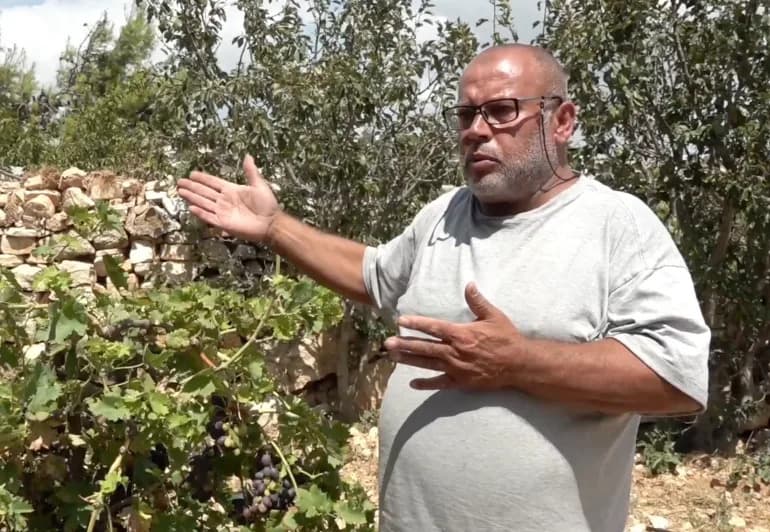
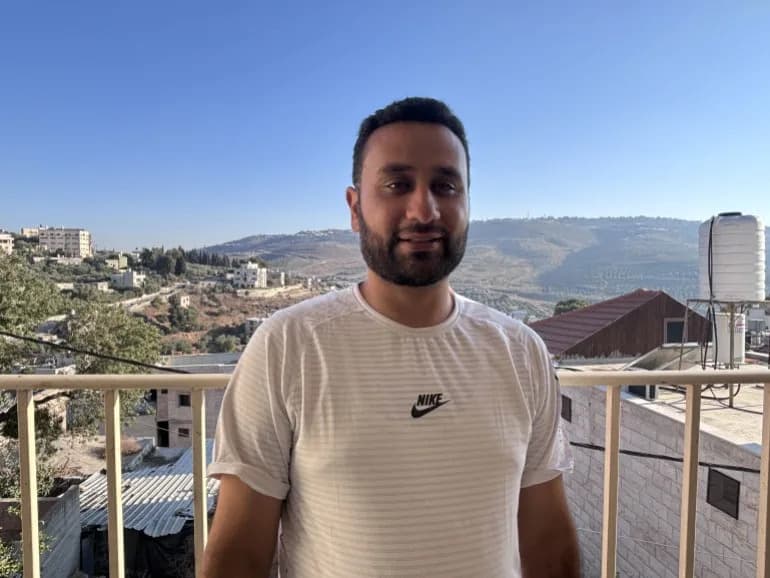
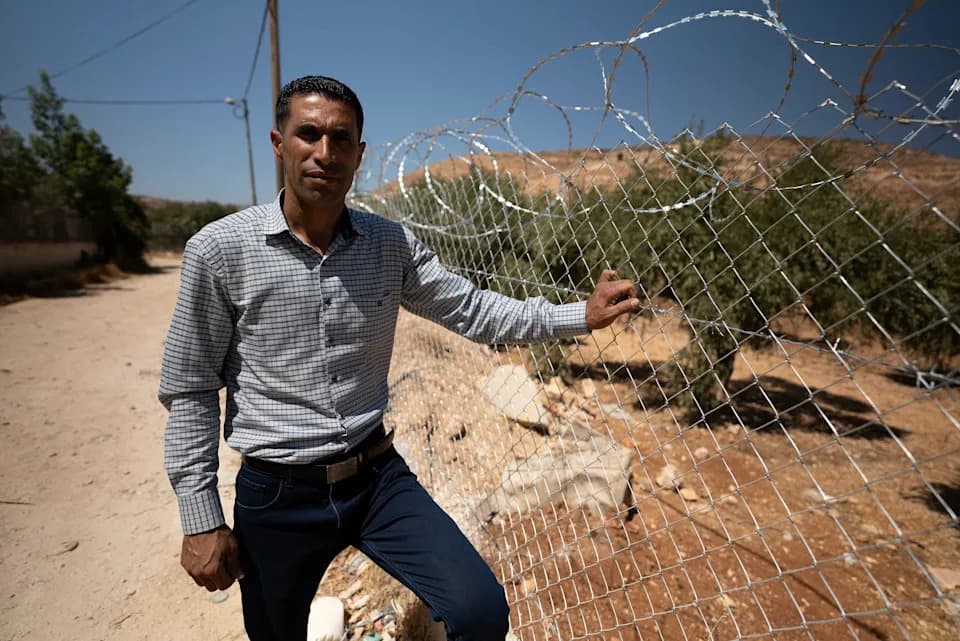
Palestinian farmer Anwar Sabarneh, whose sheep have been confined for months, is barred by the Israeli military from accessing his nearby vineyards in Beit Ummar [Screen grab/Aljazeera]
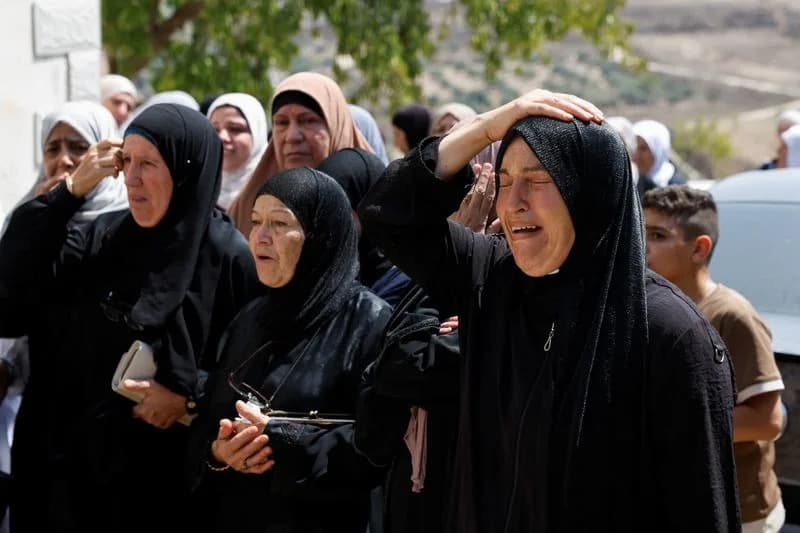
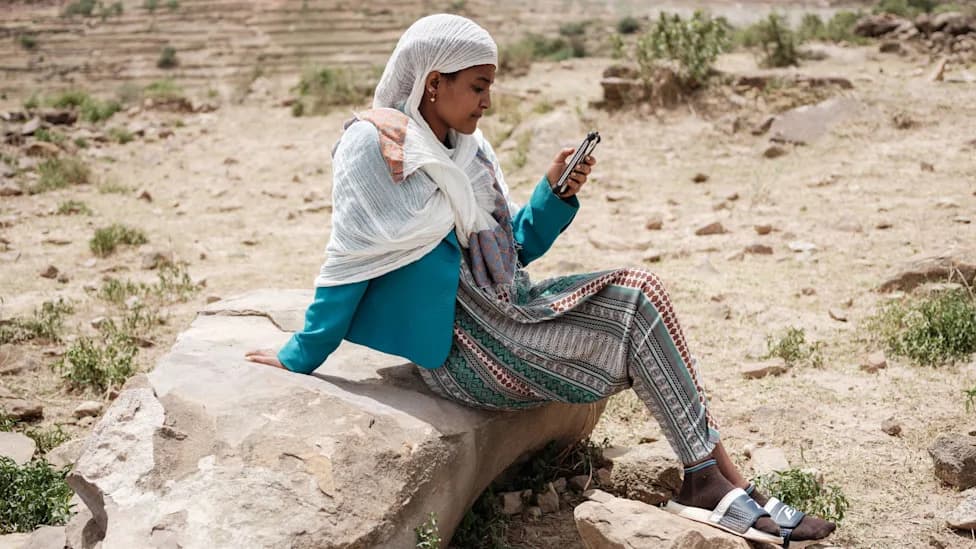
Under the remaining grapevines that once provided a steady income, 56-year-old Palestinian farmer Theeba al-Sabaa spends long hours guarding her home and fields against nearby settler activity in the occupied West Bank.
Daily Struggle For Land
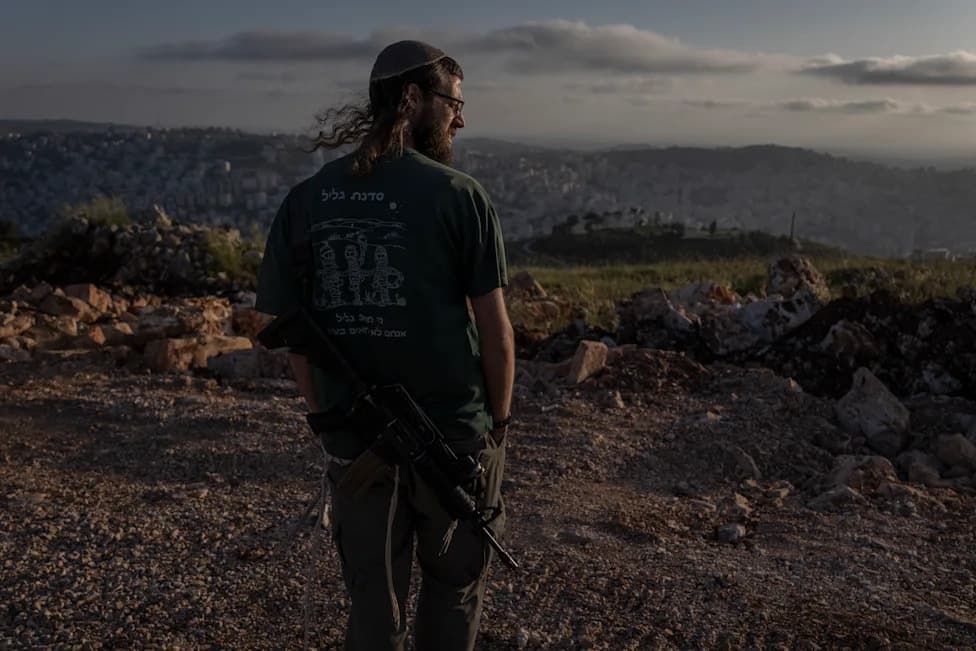
Theeba tends her plots from dusk until dawn in Beit Ummar, north of Hebron, in an area locals call "Jabal Sabaa." She describes a daily struggle as settler outposts appear on surrounding hills and obstruct access to parts of her property. Settlers, she says, frequently drive livestock into cultivated plots on purpose, trampling vines and uprooting months of work.
"By God, the land has taught me patience, and to cling to my right. For as long as I have a right, I must take it and never let it go," Theeba told reporters, adding that she will not abandon the labor of her children and husband.
Harassment, Permit Demands And Forced Abandonment
Settlers first established new outposts on nearby hills in mid-2024, and Theeba says her movements have been closely monitored since. The intimidation extends to other families nearby. Fifty-nine-year-old Anwar Sabarneh, who supports a household of 14, owns several dunams of vineyards about 300 metres from his home; reaching them has become perilous.
Sabarneh reports that Israeli soldiers have required Palestinians to present permits in order to work their own land, and that farmers are prevented from building on their property. His sheep have been confined to a barn for more than eight months because he fears settlers will seize or harm them. When his children tried to retrieve animals taken from the fields, he says Israeli soldiers arrested and beat them.
Wider Pattern Across Southern West Bank
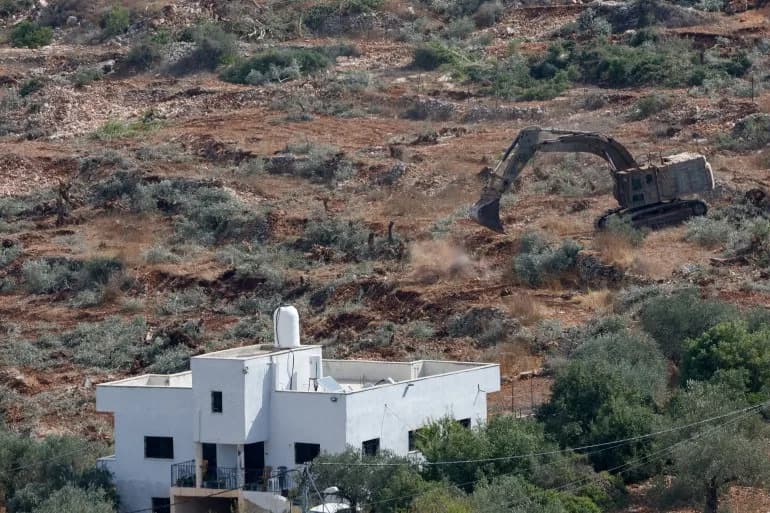
Those repeated attacks fit a broader pattern affecting agriculture across the southern West Bank. The Colonization and Wall Resistance Commission recorded 11,074 attacks in the West Bank during the first half of 2026, of which it attributes 3,488 to settlers. Experts link expanding settlement outposts, military access restrictions and bypass roads to the loss of access and a rising number of abandoned plots.
According to observers, farmers in parts of the southern West Bank have suffered a fourth consecutive season without being able to harvest olives, grapes or guava. Many orchards and vineyards have gone unploughed and unpruned and are effectively abandoned.
Women Defending Family Lands
In the face of detention, killings and displacement, women have increasingly stepped into frontline roles to protect family farms. Theeba and others exemplify how women are maintaining the agricultural legacy and livelihood of their families under great pressure.
"They continue to maintain their leadership role in preserving the family's agricultural legacy today," said Hasan Breijieh, a settlement affairs expert and director at the Colonization and Wall Resistance Commission.
For many Palestinians, the land is not only a source of income but a deep part of identity and memory. Breijieh recalled his grandfather's last visit to the fields, ending with the farewell: "Goodbye, vineyard."
Help us improve.