The Art Institute of Chicago will return Jean Metzinger’s 1913 Woman with a Fan to the heirs of Emmanuel Lewenstein after provenance research confirmed the work was forced into a 1940 sale under Nazi occupation. Infrared imaging revealed Paul Citreon’s name on the back of the canvas, which linked the painting to the Lewenstein family. The painting entered the museum’s collection in 1959 and has been taken off display pending restitution.
Art Institute to Repatriate Jean Metzinger’s 1913 'Woman with a Fan' to Heirs of Nazi-Forced Sale
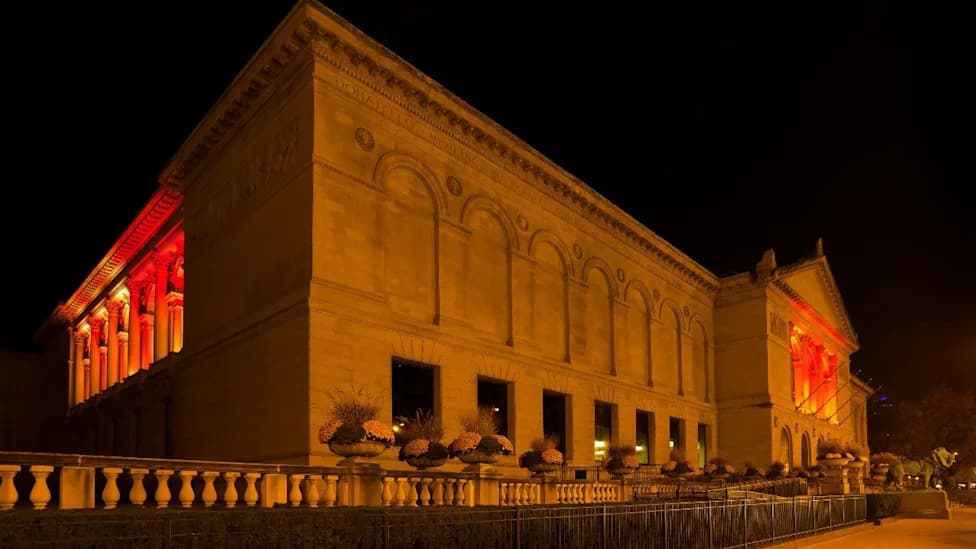
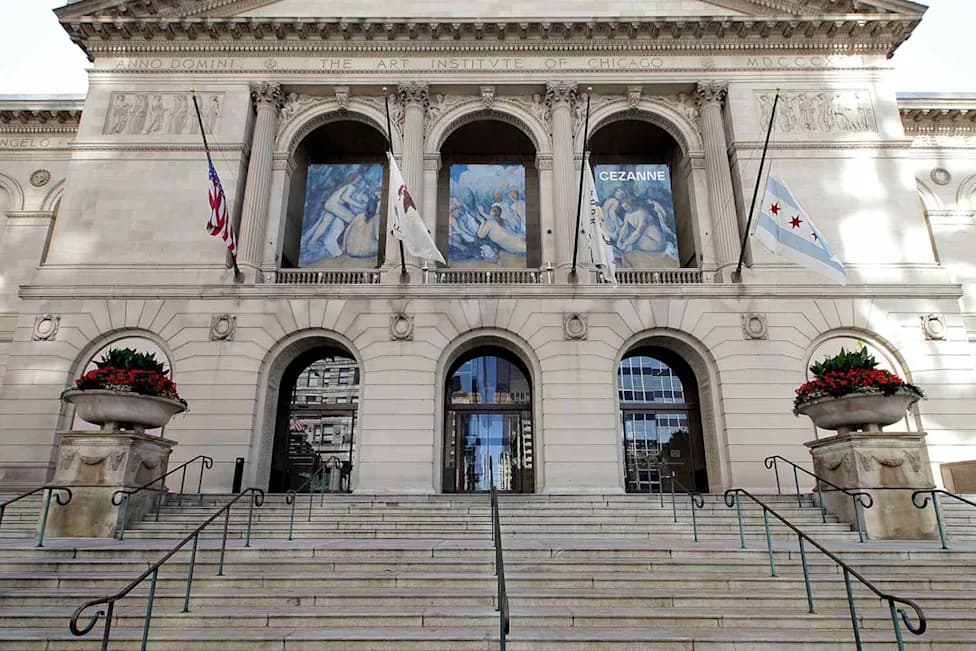
Image by Diego Delso, CC BY-SA 3.0. Via Wikimedia Commons.
The Art Institute of Chicago announced it will return Jean Metzinger’s 1913 painting Woman with a Fan to the heirs of its original Jewish owner after provenance research confirmed the work had been forced into sale under Nazi occupation in 1940.
Provenance and Wartime Loss
Metzinger painted Woman with a Fan in Paris in 1913. According to reporting in The Art Newspaper, the painting was purchased in 1919 by Paul Citreon and in 1928 was sold to his relative, Emmanuel Lewenstein. After Lewenstein’s death, his widow is believed to have placed the painting and other works with the Stedelijk Museum in Amsterdam for safekeeping.
By the time the Nazis put the lot up for auction in 1940, the widow had died and all of her children had emigrated. The painting then vanished from public view and later resurfaced in the 1950s on the Dutch art market, reportedly passing through Paris and New York before entering the collection of the Art Institute of Chicago in 1959 as a gift from Mr. and Mrs. Sigmund Kunstadter.
Rediscovery and Restitution
The painting remained on display until provenance researchers at the Art Institute continued investigating ownership. A decisive breakthrough came after the museum exchanged information with Toronto-based Mondex Corporation, which specializes in Holocaust-era art. Infrared imaging revealed Paul Citreon’s name penciled on the back of the canvas, providing the crucial link to the Lewenstein family.
“This allowed us to make a connection between our painting and the Lewenstein family for the first time,” said Dr. Jacques Schuhmacher, Executive Director of Provenance Research at the Art Institute of Chicago. “With the evidence written on the painting itself, we carried out additional research in collaboration with the Mondex Corporation.”
Following that research, the museum removed the work from public view and began the process of returning it to the rightful heirs. Dr. Schuhmacher said, “This return reflects our commitment to take decisive action when new research clarifies the provenance of a work.”
Ambassador Stuart Eizenstat, counsel for Mondex and a key architect of the 1998 Washington Principles and the 2009 Terezin Declaration, added: “It is gratifying to see this painting returned to the Lewenstein family heirs, and the Art Institute of Chicago is to be congratulated for being an invaluable partner in making this return a reality.”
The restitution is part of broader international efforts to address art looted or sold under duress during the Holocaust and reflects ongoing collaboration between museums, provenance researchers, specialist firms, and heirs.
Help us improve.