Relatives of Holocaust victims have filed two California lawsuits seeking the return of artworks taken by the Nazis: Lucas Cranach the Elder's 1530 "Adam and Eve," claimed on behalf of Marei von Saher and now at the Norton Simon Museum, and watercolors Dinah Gottliebova Babbitt was forced to paint at Auschwitz, held by the Auschwitz Memorial. The suits follow new legal changes, including California's AB 2867, that strengthen restitution claims and set up a clash between legal title, historical preservation and victims' rights. Both institutions insist they have lawful title and argue the works should remain available to the public as part of the historical record.
Heirs Sue to Reclaim Nazi‑Seized Masterpieces at Norton Simon and Auschwitz Memorial
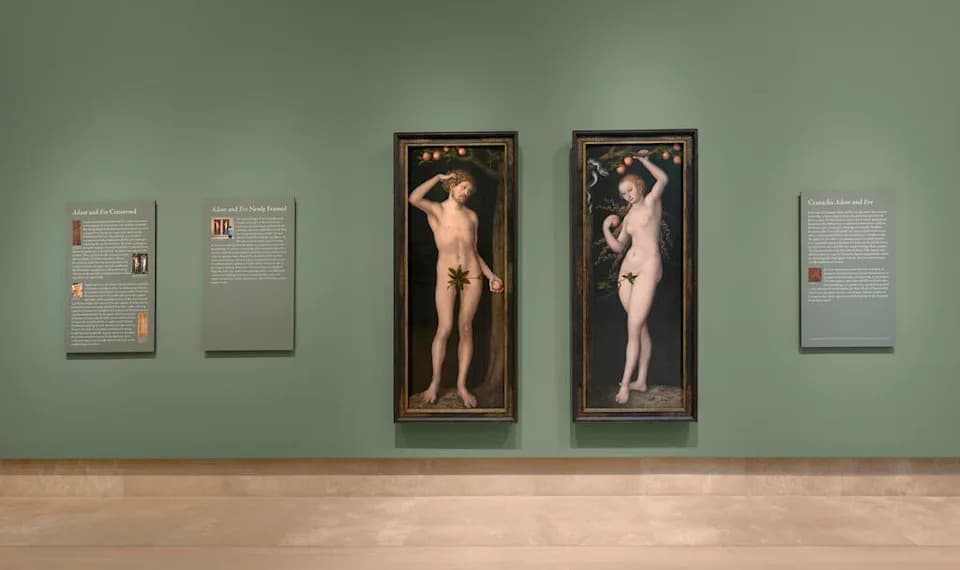
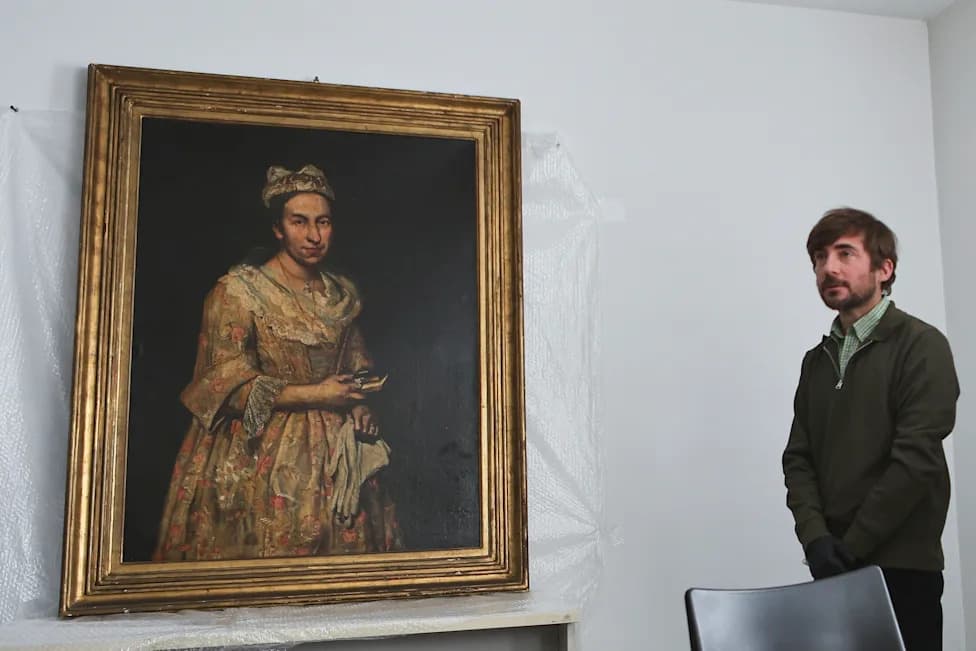
This undated photo provided by the Norton Simon Art Foundation on Sept. 18, 2026, shows two oil paintings,
Relatives of Holocaust victims and their representatives have filed two lawsuits in California seeking the return of artworks taken by the Nazis that remain on public display—one at the Norton Simon Museum in Pasadena and the other at the Auschwitz Memorial.
Two Lawsuits, Two Institutions
On Monday, the Jewish Federation of Greater Los Angeles, represented by board chair Daniel Gryczman, sued the Norton Simon Museum in Los Angeles Superior Court seeking the return of "Adam and Eve," two life‑size oil‑on‑panel paintings by Lucas Cranach the Elder (1530). The claim is brought on behalf of Marei von Saher, the sole heir of Dutch Jewish dealer Jacques Goudstikker, whose collection was looted by the Nazis and changed hands multiple times afterward.
Also on Monday, in federal court in Los Angeles, the daughters of the late Dinah Gottliebova Babbitt — a California‑based animator and Auschwitz survivor — sued for the return of watercolors she was forced to paint of fellow prisoners for the Nazi physician Josef Mengele. Those works are held by the Auschwitz Memorial.
Competing Legal And Moral Arguments
The disputes follow recent state and federal measures intended to strengthen restitution claims by U.S.‑based heirs of Holocaust victims. In California, Assembly Bill 2867 (signed in September 2024) requires that state law apply in suits by California residents or their heirs to recover art taken during the Holocaust or other acts of persecution.
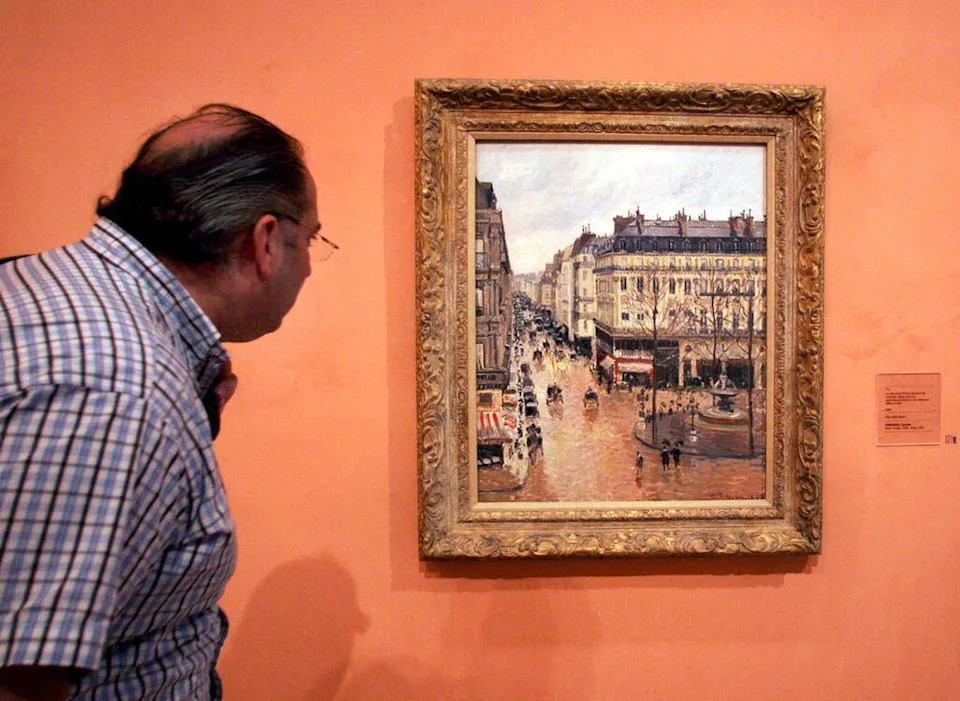
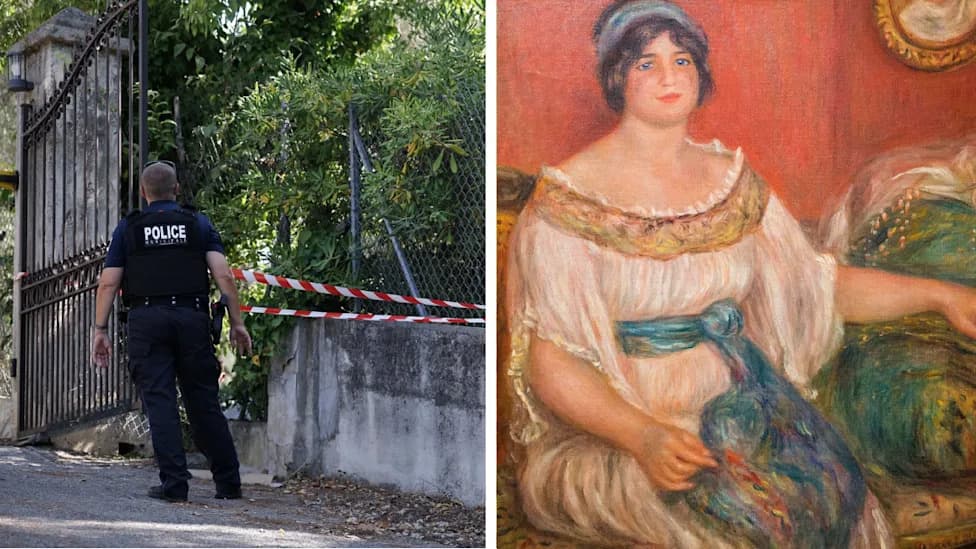
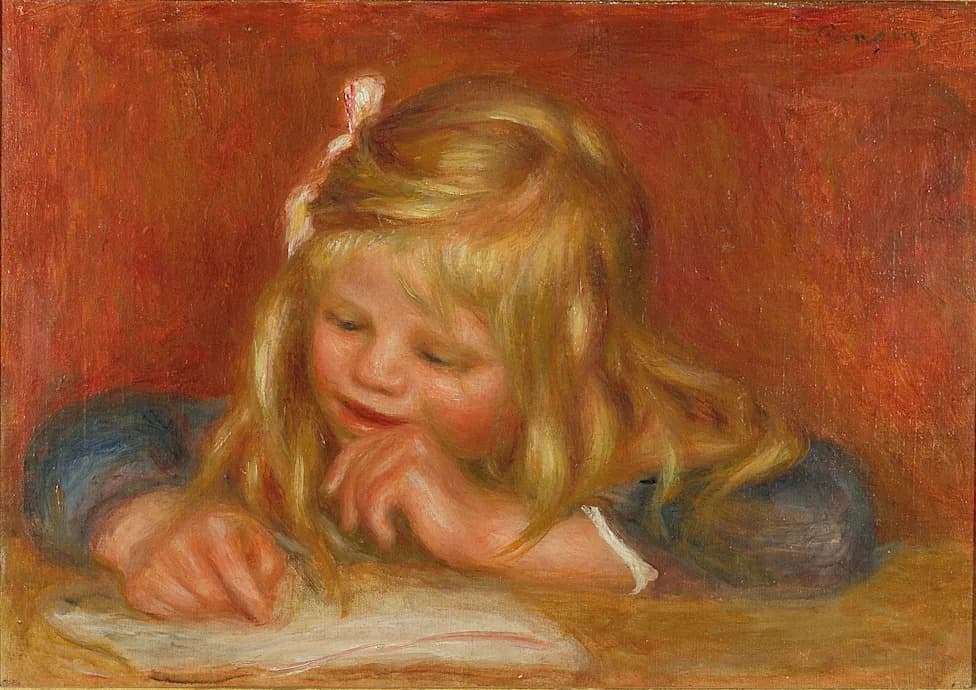
FILE - A visitor views the Impressionist painting,
Supporters of recovery efforts argue that Nazi‑era seizures — part of what is widely regarded as the largest art theft in history, when more than 600,000 works were taken across Europe between 1933 and 1945 — demand restitution and justice for surviving families. Rabbi Noah Farkas, president and CEO of the Jewish Federation of Greater Los Angeles, said the federation plans to use most net proceeds from any recovered works to support roughly 2,500 Holocaust survivors in the Los Angeles area.
"These are incredibly beautiful European masterpieces stolen from a Jewish family to enrich the Nazi party and fund the war and death machine," Farkas said. "It's our honor to take on this role on behalf of the community and use most of the proceeds to help these elderly survivors live out the last years of their lives in dignity, comfort and peace."
Museum And Memorial Responses
The Norton Simon Museum says it holds clear legal title to the Cranach panels and plans to keep them on view. The museum notes a unanimous 2018 federal court decision finding valid title and says the U.S. Supreme Court declined to intervene in 2019. The Norton Simon also reports the works underwent conservation and have been accessible to the public for decades.
For its part, the Auschwitz Memorial argues the Gottliebova Babbitt watercolors are unique historical documents created under duress that document Mengele's criminal experiments, particularly of Roma and Sinti victims. Pawel Sawicki, the memorial's spokesperson, said removing or transferring items from the collection would cause "irreparable harm" to the historical record and the memory of victims.
"The loss of even the smallest part of the documentation is an irreparable loss and blemish on the memory of the victims of Auschwitz," Sawicki said, while acknowledging the family's sentiments.
Context And Stakes
These cases underscore the complex intersection of property law, moral restitution, historical preservation and public memory. Legal precedents, statutes such as AB 2867, and the provenance histories of contested works will all play central roles as the litigation moves forward. Observers say these cases could shape future restitution claims and museum practices regarding provenance research and public display.
Help us improve.