On Nov. 22, 2003, a DHL Airbus A300 was struck by a surface-to-air missile after departing Baghdad, disabling three hydraulic circuits and igniting the left wing. The three-person crew used differential engine thrust and manually extended the landing gear to control the aircraft and return to Baghdad. After about ten minutes of regaining control, they executed a controlled touchdown roughly 25 minutes after impact, with no injuries. The incident became a notable example of crew resource management and helped popularize corkscrew approaches into conflict zones.
How a DHL Crew Miraculously Landed an A300 After a Surface-to-Air Missile Strike in 2003
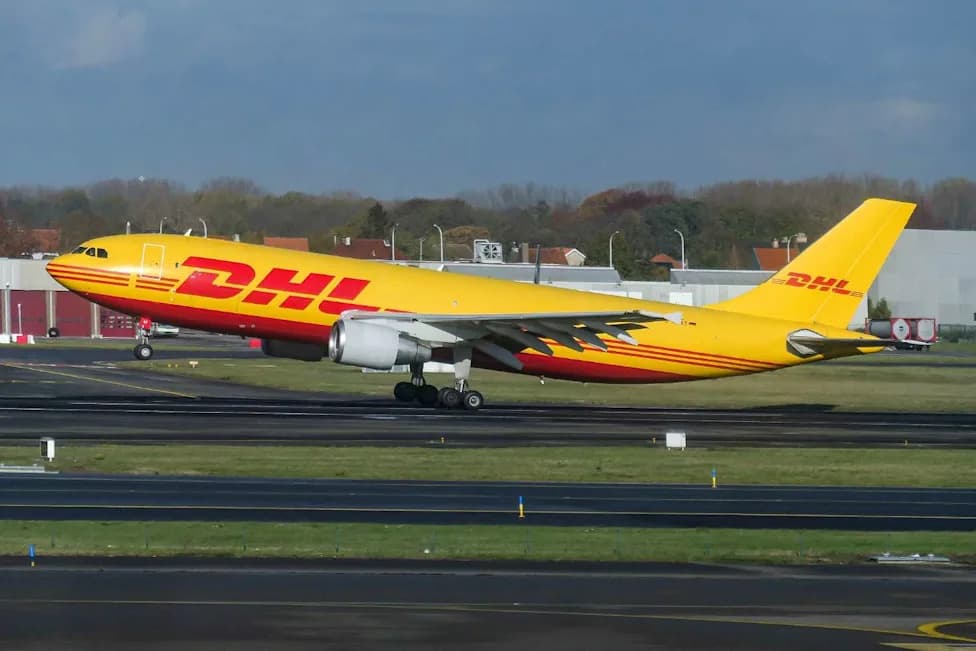
Example of an Airbus A300 freight aircraft of DHL AviationCredit: Nicolas Economou/NurPhoto via Getty
On Nov. 22, 2003, a DHL Airbus A300 on a mail flight departing Baghdad was struck by a surface-to-air missile. What followed was an extraordinary example of airmanship and teamwork: the three-person crew wrestled a badly damaged jet back to Baghdad International Airport and landed it safely despite severe system failures, an inflight fuel leak and a wing fire.
Flight and Impact: The 24-year-old freighter had climbed to about 8,000 feet when the left wing was hit. Crewmembers reported a loud explosion and an immediate cascade of cockpit warnings. According to Flight Safety Australia and contemporary aviation reports, the strike disabled three hydraulic circuits, which effectively left primary flight controls inoperative. The left wing caught fire and the left fuel tank began to leak, creating the risk of an onboard conflagration or structural failure.
The Crew and Their Response: The cockpit was crewed by Captain Eric Gennotte, First Officer Steve Michielsen and Flight Engineer Mario Rofail. With conventional control surfaces largely unusable, the team improvised: they used differential engine thrust (varying power between engines) as the principal means of control and manually extended the landing gear to help slow and stabilize the airplane. The crew spent roughly ten minutes regaining enough control to set up an approach back to Baghdad.
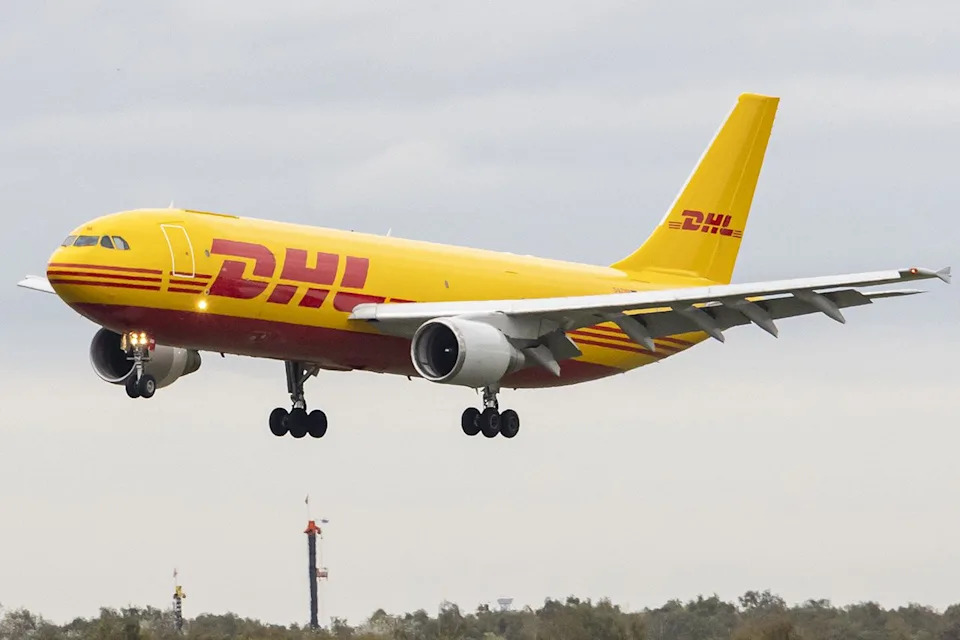
Example of an Airbus A300 freight aircraft of DHL AviationCredit: Nicolas Economou/NurPhoto via Getty
Final Approach and Landing: After obtaining limited controllability, the pilots lined up for the airport. An initial attempt to use a longer runway was abandoned when the airplane veered during the approach; the crew elected to land on a shorter runway instead. Relying almost entirely on thrust for directional and pitch control, the team completed a controlled touchdown about 25 minutes after the missile strike. Remarkably, all three crew members escaped without injury.
Why the Outcome Was Remarkable
The successful recovery and landing are widely credited to clear role discipline and strong crew resource management: Gennotte concentrated on flying and stabilizing the jet, Michielsen monitored altitude and spacing, and Rofail tracked fuel and handled radio communications. Aviation analysts have held this event up as a textbook example of calm decision-making, improvisation and teamwork under extreme pressure.
Operational Legacy
Beyond the immediate rescue, the incident influenced operational procedures for aircraft flying into conflict zones. Reports in the years after the event noted wider adoption of the corkscrew (spiral) approach into Baghdad: a high-altitude, steeply banked circular descent used to lose altitude quickly while minimizing exposure to ground threats and maintaining situational awareness of potential hazards before lining up to land.
Sources: Flight Safety Australia; Simple Flying; Smithsonian Magazine; contemporaneous reporting.
This event remains a frequently cited case in discussions of conflict-zone aviation safety, emergency procedures and the practical value of crew coordination when primary systems fail.
Help us improve.