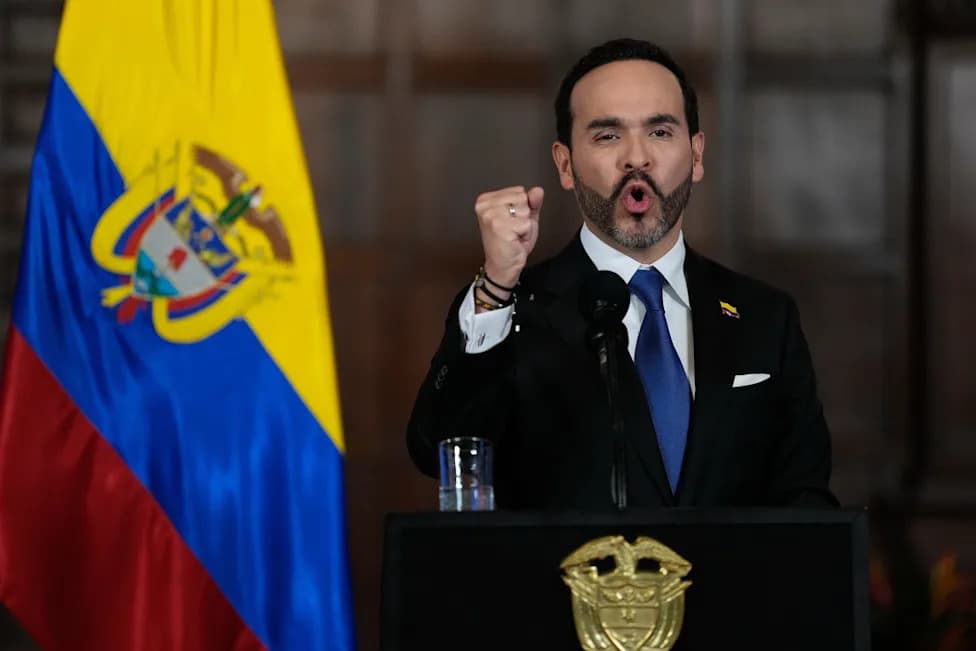
President Abelardo de la Espriella ordered troops into Santa Marta after arson attacks and public threats blamed on the Sierra Nevada Self-Defense Forces. The violence was linked to retaliation for the killing of alleged deputy commander José Pérez Villanueva, alias "Cholo." Authorities deployed more than 1,500 additional police and military personnel, while local officials urged vendors to resist extortion and reopen markets. Despite the unrest, many tourists remained on the city's beaches as security operations continued.
Colombia Deploys Troops to Santa Marta After Gang Violence; President Vows Crackdown
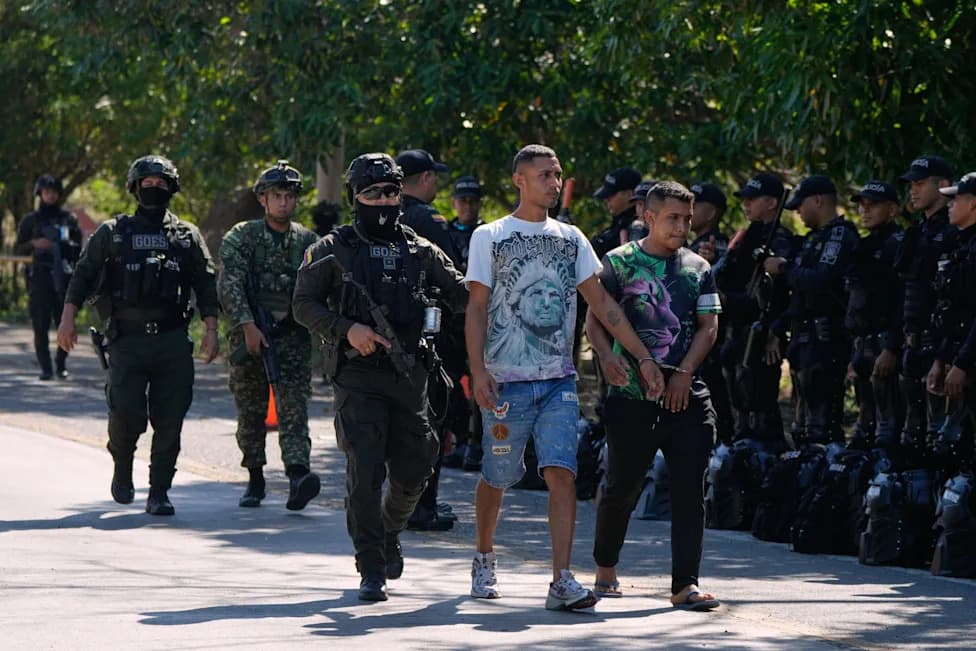
Police escort two alleged paramilitary members, handcuffed to each other, after their detention in Santa Marta, Colombia, Wednesday, Sept. 23, 2026. (AP Photo/Fernando Vergara)(AP Photo/Fernando Vergara)
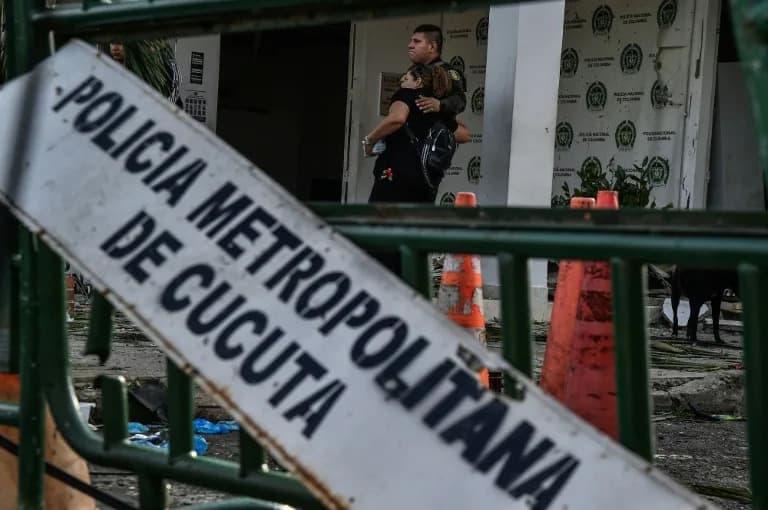
Troops patrolled the unusually empty streets of Colombia's Caribbean resort city of Santa Marta on Wednesday after a surge of violence authorities attributed to a drug-trafficking gang. President Abelardo de la Espriella ordered the deployment as he sought to restore order following an outbreak of arson and public threats that left residents fearful.
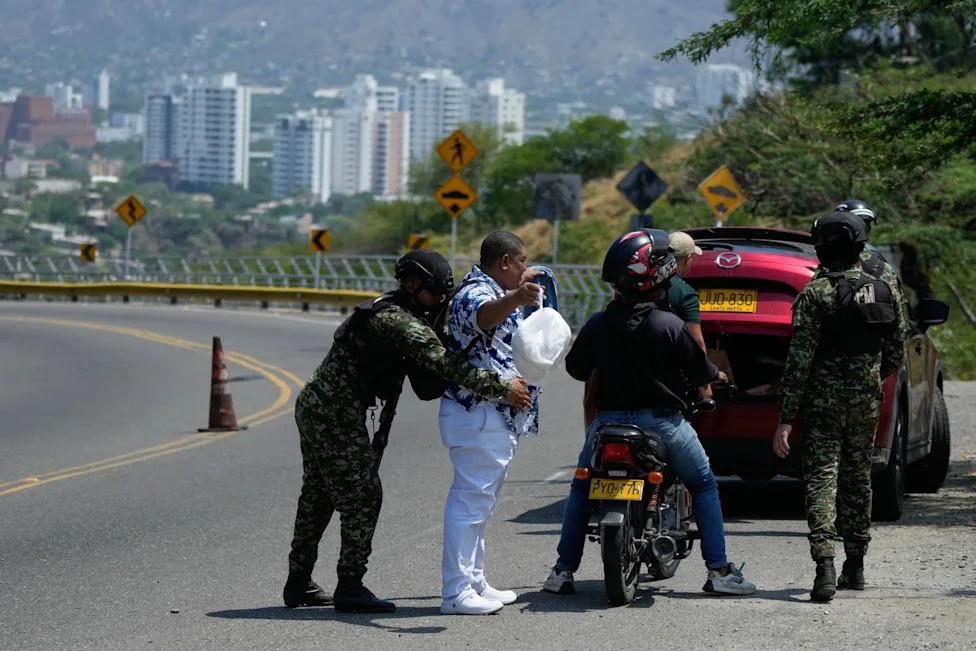
A soldier searches a motorist in Santa Marta, Colombia, Wednesday, Sept. 23, 2026. (AP Photo/Fernando Vergara)(AP Photo/Fernando Vergara)
Situation on the Ground
Residents in a working-class neighborhood in the city's northeast queued outside the few supermarkets that remained open while police officers armed with rifles stood guard. "We woke up this morning afraid to go out and see what the situation was, but you have to go out to stock up on supplies," taxi driver Antonio Ochoa said.
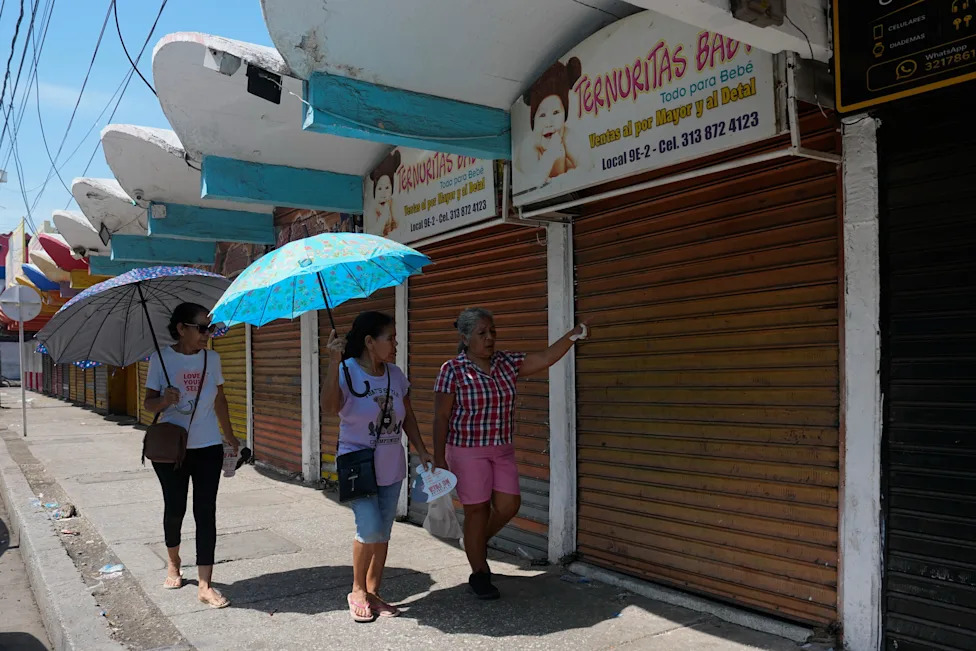
Women walk past shops that did not open due to criminal group intimidation in Santa Marta, Colombia, Wednesday, Sept. 23, 2026. (AP Photo/Fernando Vergara)(AP Photo/Fernando Vergara)
On Tuesday, arsonists set fire to at least three vehicles, including a taxi and a public bus, and armed men threatened merchants in broad daylight, plunging parts of the city into fear. Authorities blamed the Sierra Nevada Self-Defense Forces for the attacks and said the violence was intended as retaliation for a recent military operation that killed José Pérez Villanueva, known as "Cholo," whom the government identified as the group's second-in-command.
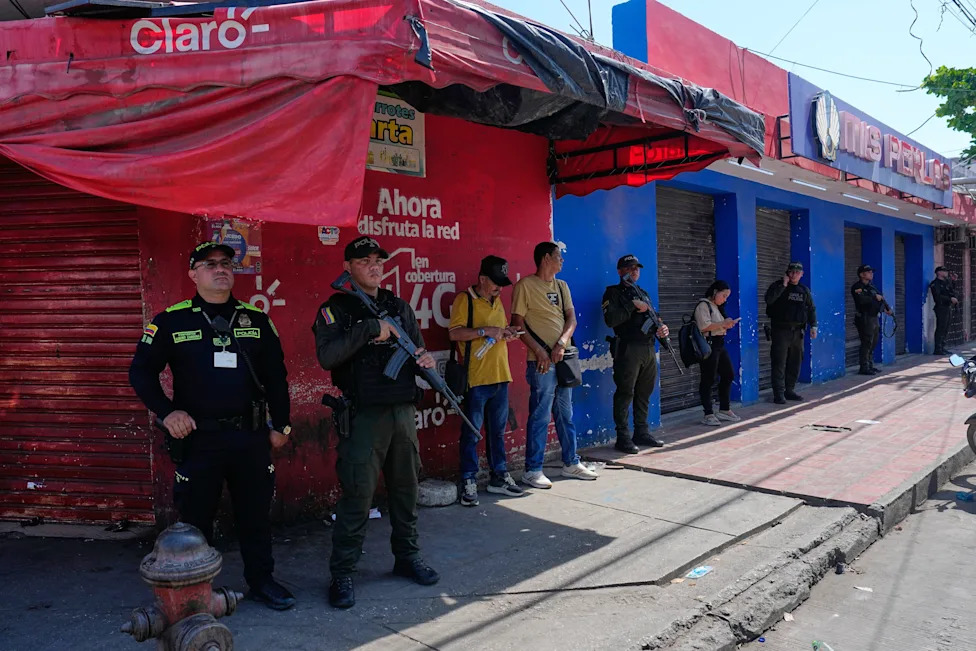
Police stand guard at a market where shop owners did not open due to criminal group intimidation in Santa Marta, Colombia, Wednesday, Sept. 23, 2026. (AP Photo/Fernando Vergara)(AP Photo/Fernando Vergara)
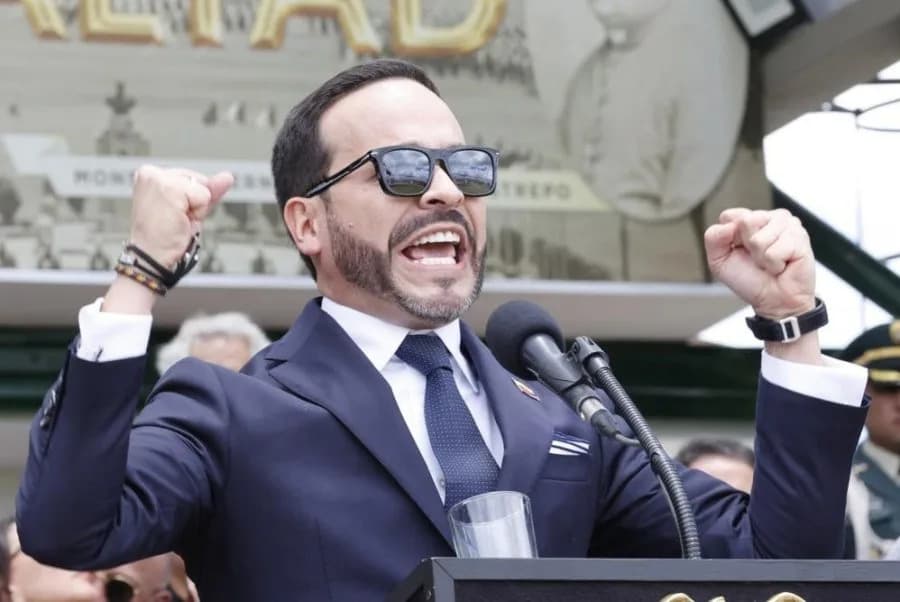
"I swear by Colombia and by my life that I will finish them off," de la Espriella declared Tuesday night in Santa Marta, where he toured the city wearing a bulletproof vest and traveling in an armored vehicle. "I will leave no stone unturned until I find them... and if they do not surrender, I will send them to hell in a body bag."
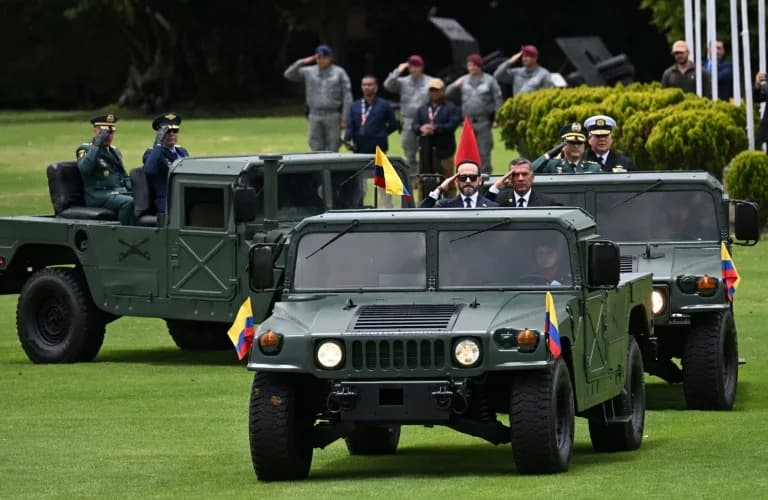
De la Espriella, who took office last month promising an "iron fist" against illegal armed groups, ordered troops to Santa Marta, a city of roughly 480,000 people. This is the first troop deployment under his administration. He has also suspended all peace talks with armed groups initiated by his predecessor, Gustavo Petro — including negotiations with self-defense forces that emerged after paramilitary demobilizations in the early 2000s.
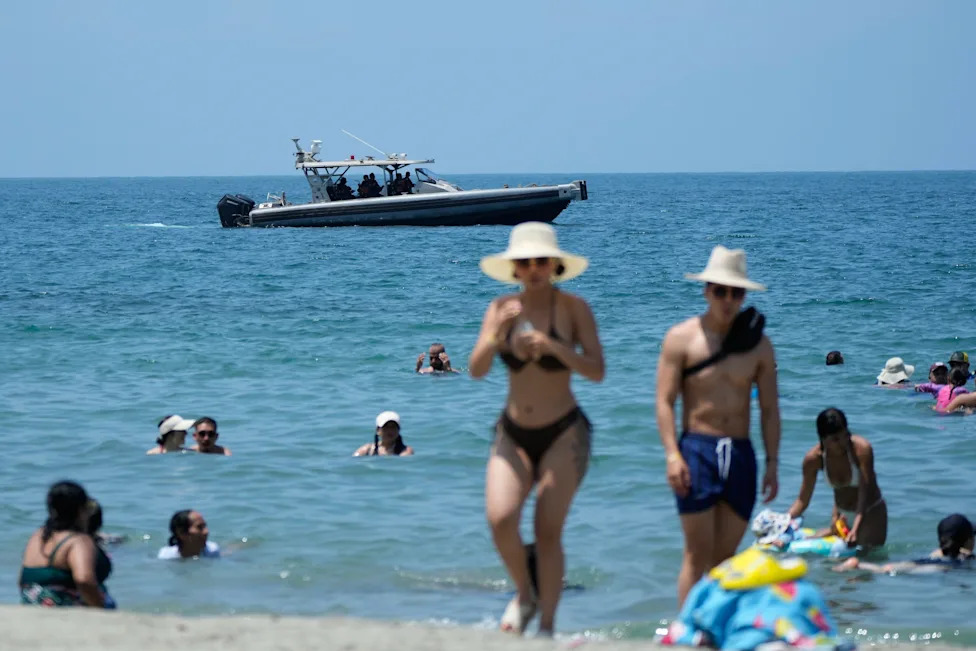
A navy boat patrols off the beach in Santa Marta, Colombia, Wednesday, Sept. 23, 2026. (AP Photo/Fernando Vergara)(AP Photo/Fernando Vergara)
Regional Impact and Response
Police say the Sierra Nevada group operates across the departments of Magdalena, La Guajira and Cesar and has been implicated in drug trafficking, extortion and other crimes. Magdalena Governor María Margarita Guerra visited the city's public market, where vegetable, fruit and meat stalls remained closed, handing out flyers that read "Extortion doesn't pay" and urging vendors to reopen.
Guerra estimated that more than 1,500 additional police and military personnel had been deployed across the region to restore security. "I know it's hard to trust. There have been decades of violence, but we have to do our part and say, 'Let's unite,'" she told reporters, calling the public market the "heart of commerce."
Despite the disruption, hundreds of tourists continued to relax on Santa Marta's beaches — listening to music, drinking beer and sunbathing — even as many nearby restaurants and shops remained closed. Visitor Orlando Andrade, 64, said he was surprised by the sudden armed strike on Tuesday and that vendors told him to "hide." "The strike did affect us because we couldn't enjoy other beaches," said Andrade, a journalist on vacation with his family.
Authorities said security operations were ongoing as forces worked to secure the city and protect civilians while investigations continued into the recent attacks.
Help us improve.