President Abelardo De La Espriella announced a protocol allowing National Police to enter public university campuses when vandalism, violence or terrorism occur, stating autonomy "is not a license for impunity." The government will issue guidelines to distinguish peaceful protest from criminal acts, and emphasizes intelligence-led operations in cooperation with university authorities. The Justice Ministry reiterated that autonomy remains a constitutional guarantee but does not place universities above the law. The move follows disruptive student protests in Bogotá and comes amid a reported 17,147 arrests during the first 36 days of De La Espriella's presidency.
Colombia Issues Protocol Allowing Police To Enter Public Universities During Violence
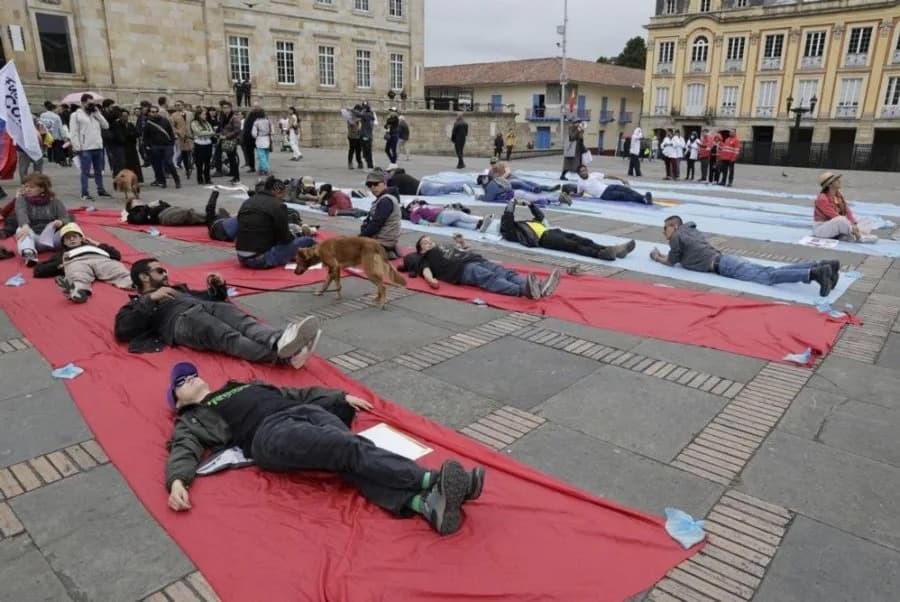
People participate in an opposition rally to protest the inauguration of Colombia's president-elect, the far-right politician Abelardo de la Espriella, in Bogota, Colombia, on August 7. File Photo by Carlos Ortega/EPA
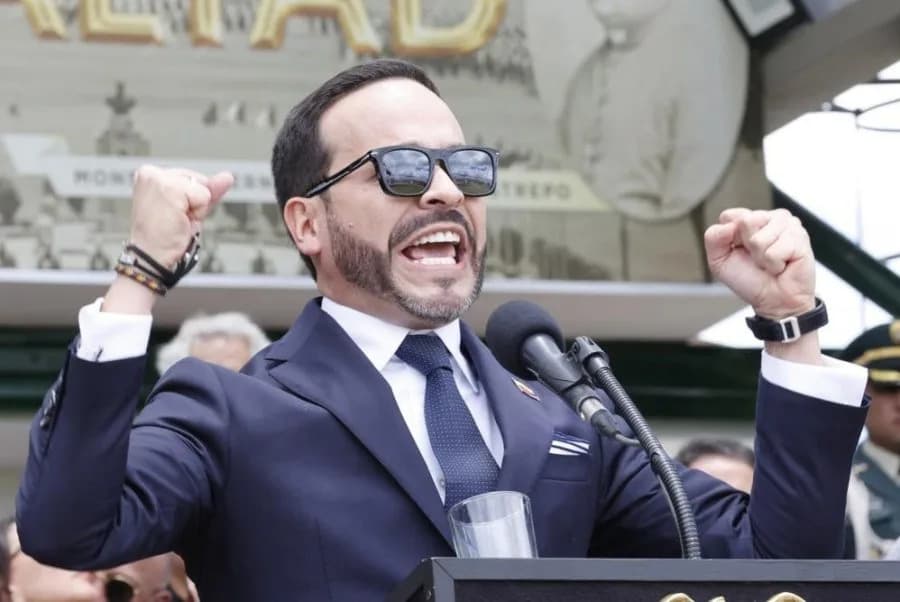
Colombian President Abelardo De La Espriella announced a national protocol authorizing National Police officers to enter public university campuses when acts of vandalism, violence or terrorism occur, saying that university autonomy "is not a license for impunity." Under the new rules, police will act as the "primary operational authority" in such situations, the government said.
What The Protocol Requires
Local outlets including Blu Radio and Noticias Caracol report the government will publish guidelines to help law enforcement distinguish lawful, peaceful protest from incidents involving violence, crimes in progress, imminent danger or major disruptions to public order. The protocol emphasizes that interventions should prioritize intelligence and cooperation with university administrators and the academic community.
"The first thing that needs to happen is that, through intelligence and with the cooperation of university administrators and the academic community, those who do not belong to the university are removed," De La Espriella said.
Justice Ministry Response
Hours after the announcement, Colombia's Justice Ministry issued a statement underscoring that "university autonomy is a constitutional guarantee that must be protected," while stressing it does not place universities outside the Constitution, the law or the legitimate authority of government institutions. The ministry said protecting public order and physical safety can take precedence over institutional autonomy and that police intervention is permitted immediately as a last resort in cases of crimes in progress or serious violence, according to Infobae.
Recent Unrest
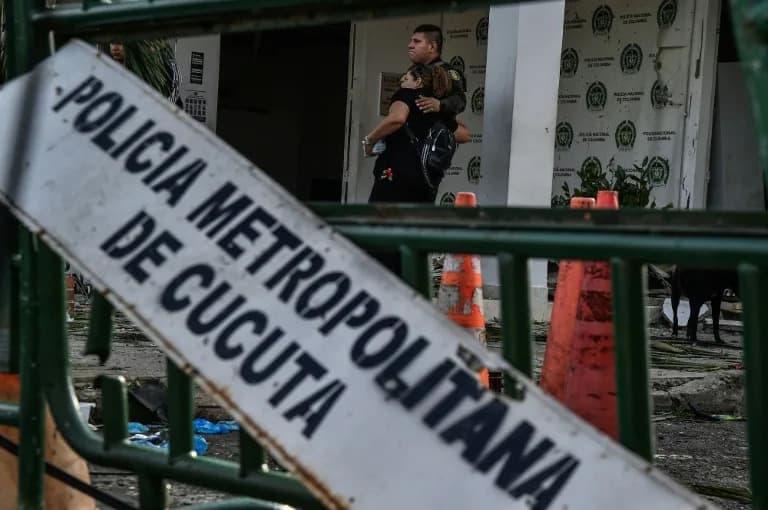
The announcement followed student demonstrations in Bogotá that disrupted traffic and escalated into clashes between masked protesters and security forces. Protesters reportedly damaged the National University's newspaper and periodicals archive; because of the severity of the unrest and the use of dangerous devices, university authorities ordered a full evacuation of the campus.
Broader Security Context
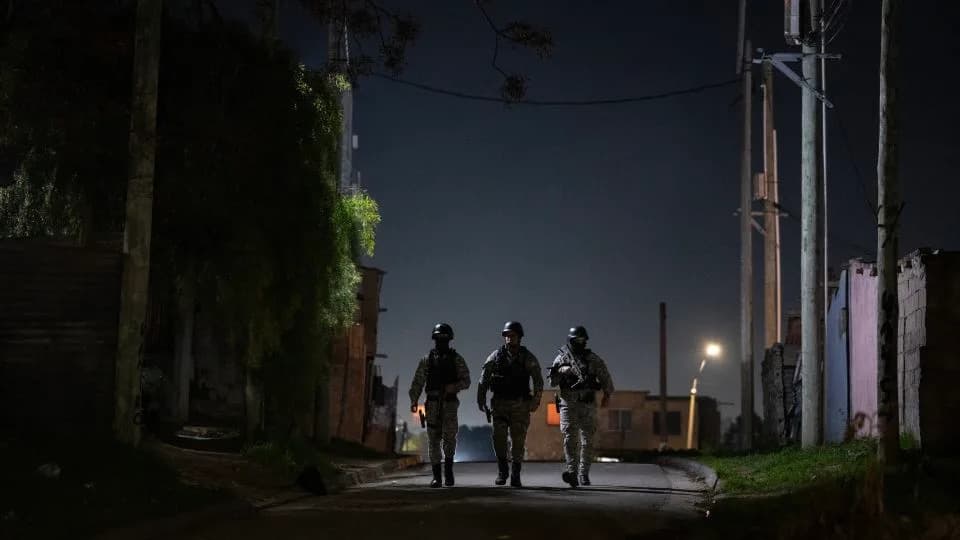
De La Espriella framed the measure as part of a broader effort to address security challenges nationwide, accusing illegal armed groups of attempting to infiltrate campuses and saying universities must be "reclaimed," with students playing a central role. He also cited an official tally of 17,147 arrests during the first 36 days of his administration, which began on Aug. 7.
What Comes Next
The government said it will finalize operational guidelines for campus incidents to clarify thresholds for police entry and to safeguard peaceful academic activity. University administrators, students and civil liberties groups are likely to scrutinize the details as they become public to ensure autonomy and safety are balanced.
Help us improve.