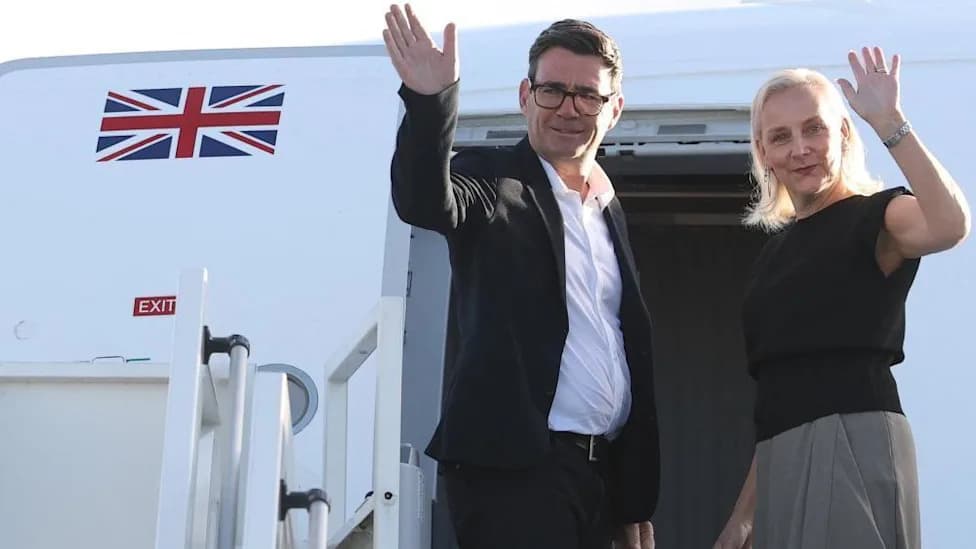
Andy Burnham accused Russia at the UN of running disinformation campaigns that amplified far‑Right narratives and sought to interfere in the 2019 UK election. He devoted much of his address to domestic issues — including cost‑of‑living pressures and a No10 North office in Manchester — while announcing a UK–US AI defence partnership and a national centre for information defence. Burnham also pledged to defend the Falkland Islands, backed sanctions on goods from illegal West Bank settlements, and held bilaterals with Donald Trump and Volodymyr Zelensky during a busy UN visit.
Burnham Accuses Russia Of Fueling UK Far‑Right In UN Address, Announces UK‑US AI Defence Pact
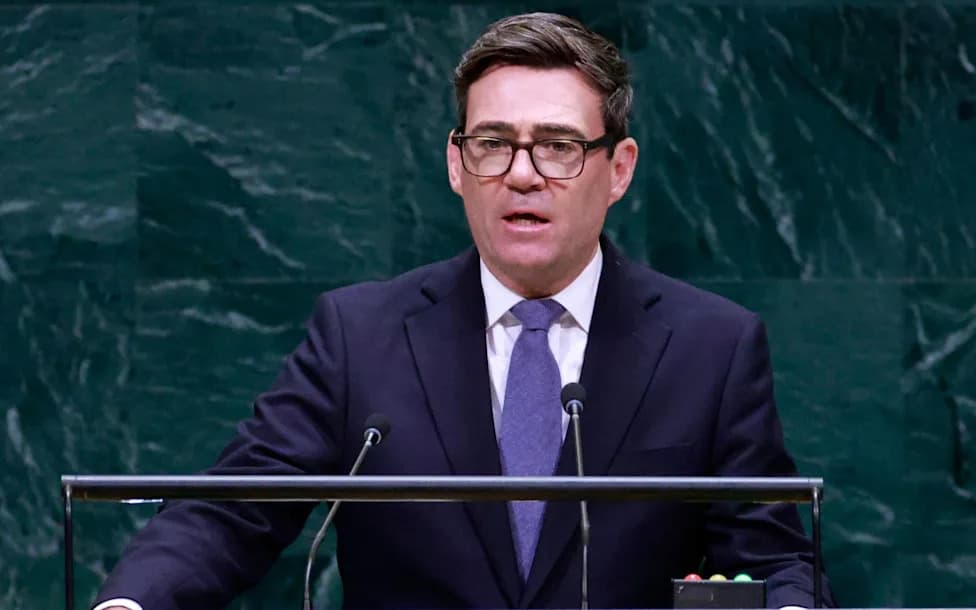
The Prime Minister said the world needed to 'go further' on AI safety - AFP/Leonardo Munoz
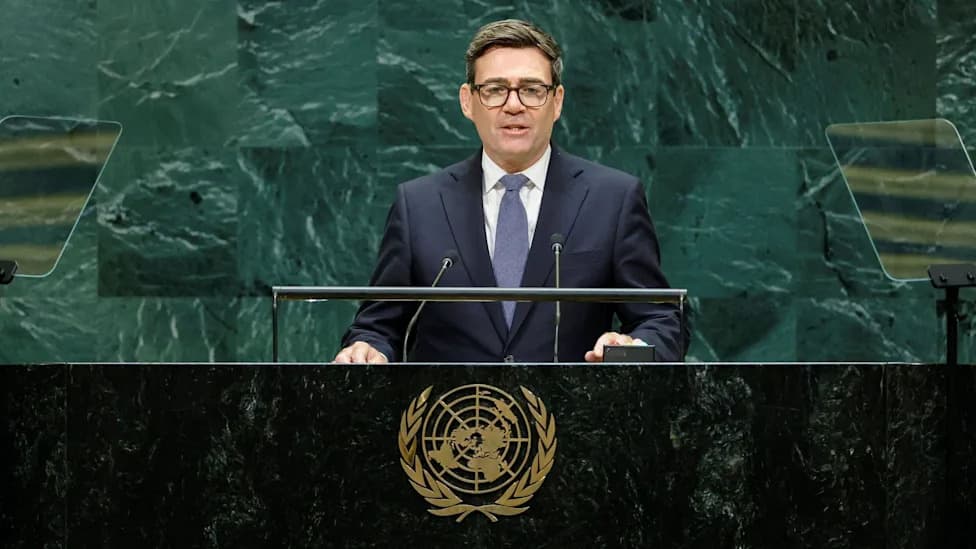
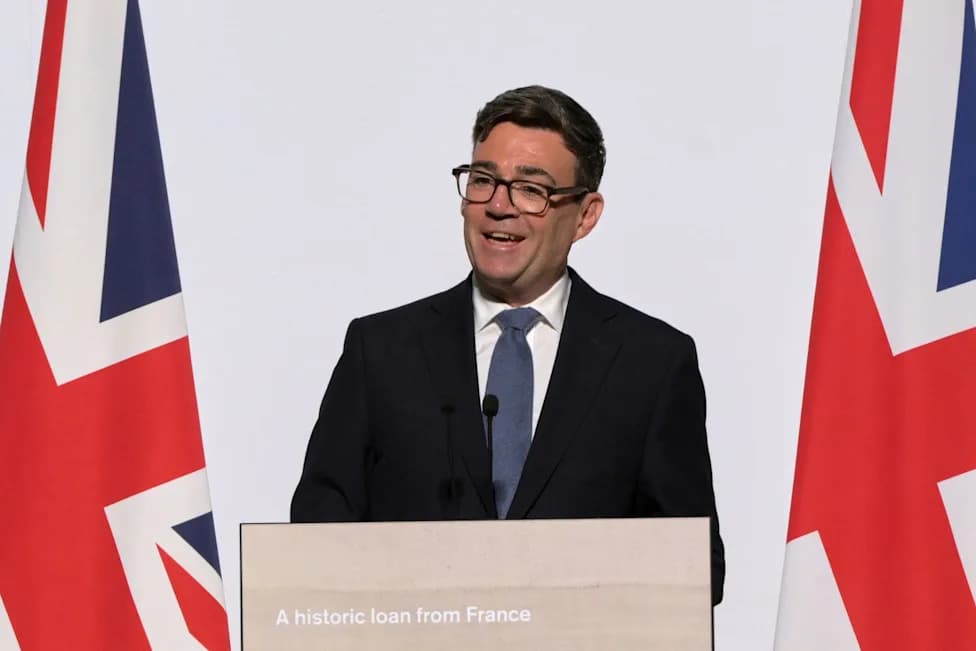
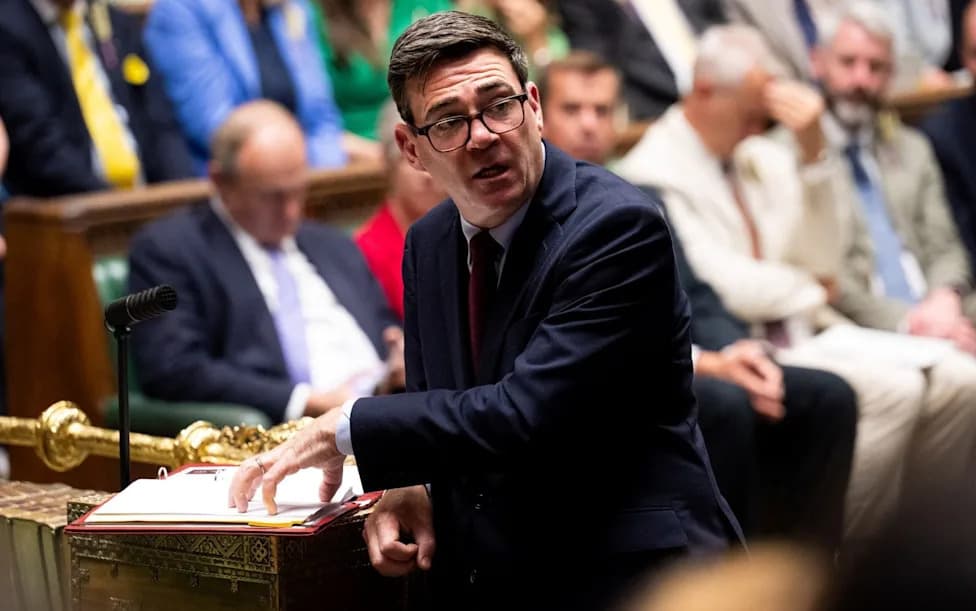
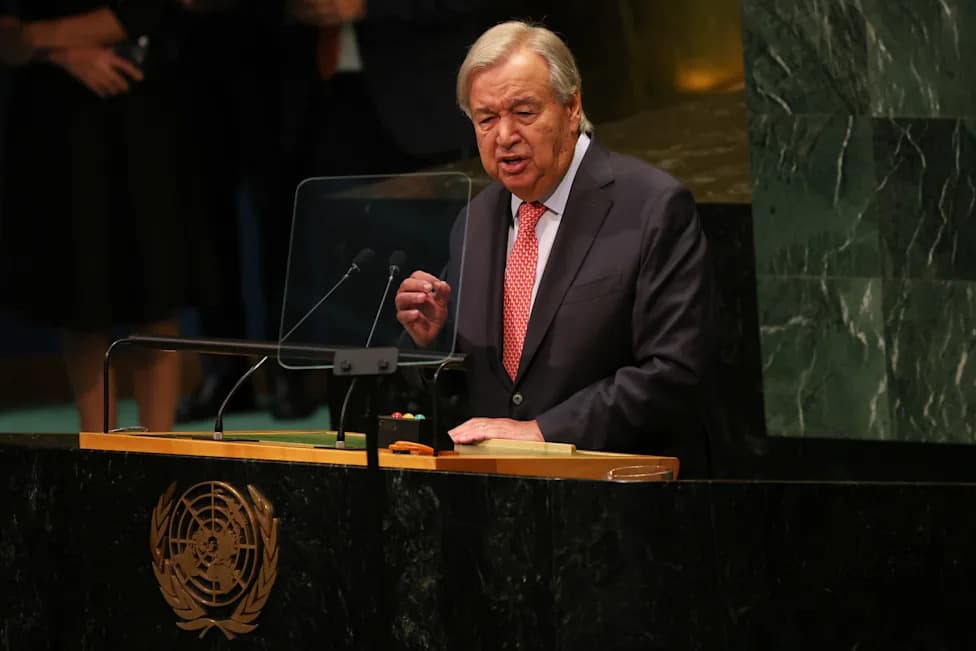
Andy Burnham used his first address to the United Nations General Assembly to accuse Russia of running an organised disinformation campaign that has amplified far‑Right narratives in the UK and sought to interfere in domestic politics.
Key Claims
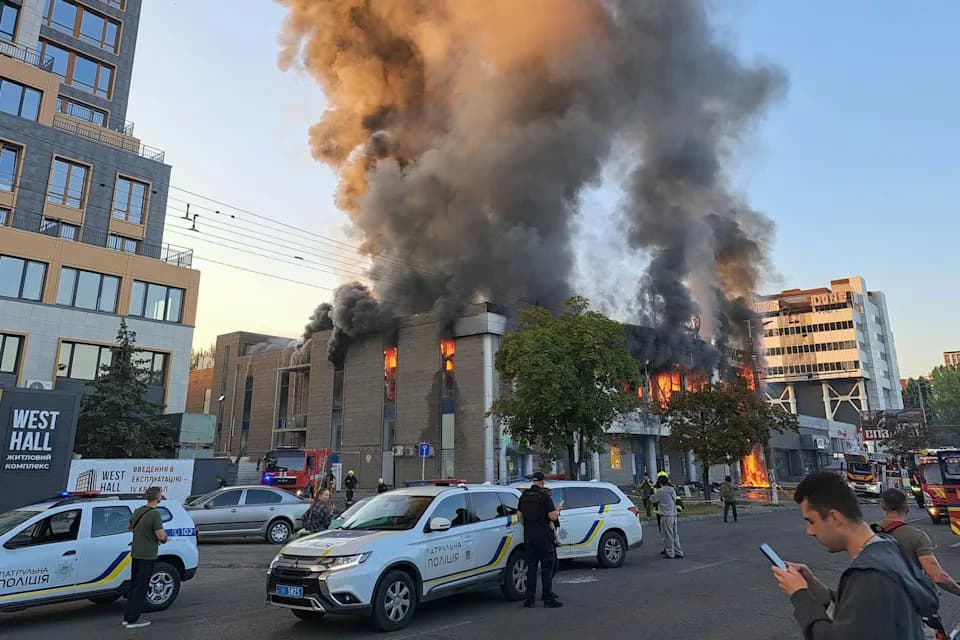
The Prime Minister told delegates that the Kremlin had deployed "every means at their disposal to spread lies," including bots, fake websites and falsified articles, and said the UK has evidence Moscow tried to interfere in the 2019 general election. He also suggested hostile actors had sought to exploit recent migrant‑related protests and unrest, calling attempts to profit from such events "repulsive." Quoting his speech, Mr Burnham said:
"They've amplified far‑Right narratives, and we have evidence that they tried to interfere with the 2019 general election. They have tried to stoke tensions and unrest in the wake of horrific events."
Domestic Focus At An International Forum
Although speaking at an international summit, Mr Burnham repeatedly framed his interventions in domestic terms. He used much of his address to outline plans to tackle the cost‑of‑living crisis, reduce unemployment and establish a "No10 North" office in Manchester as part of a 10‑year plan to stabilise and revitalise the UK. He told delegates that his UN engagement was intended to protect and promote the interests of British households.
Foreign Policy And Bilaterals
On foreign affairs, Mr Burnham pledged continued support for Ukraine and condemned actions he said threatened the rule of law, drawing a direct comparison between Russia's information and security threats and Argentina's recent claims relating to the Falkland Islands. He said the UK would "stand firm" in defending British territories' rights.
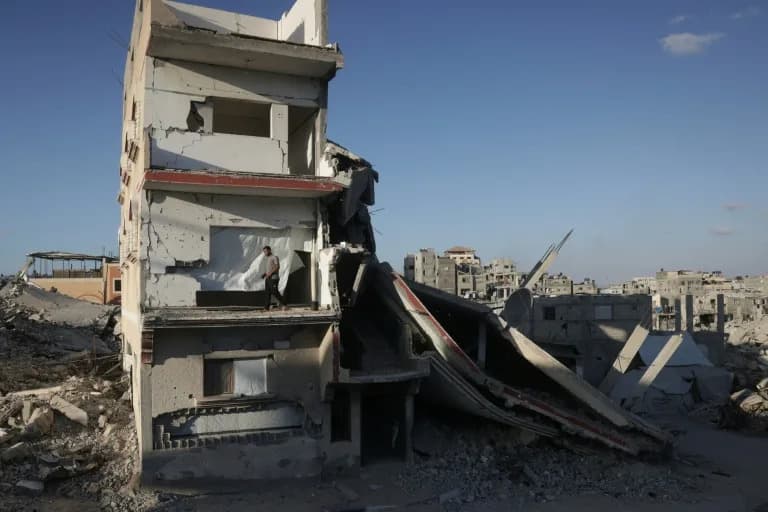
He also signalled firm opposition to Israeli settlement expansion in the West Bank. Mr Burnham reiterated recent UK measures banning trade in goods from illegal settlements and announced sanctions on those involved in constructing unlawful settlements, warning that planned schemes such as the proposed E1 development would undermine the prospect of a viable Palestinian state.
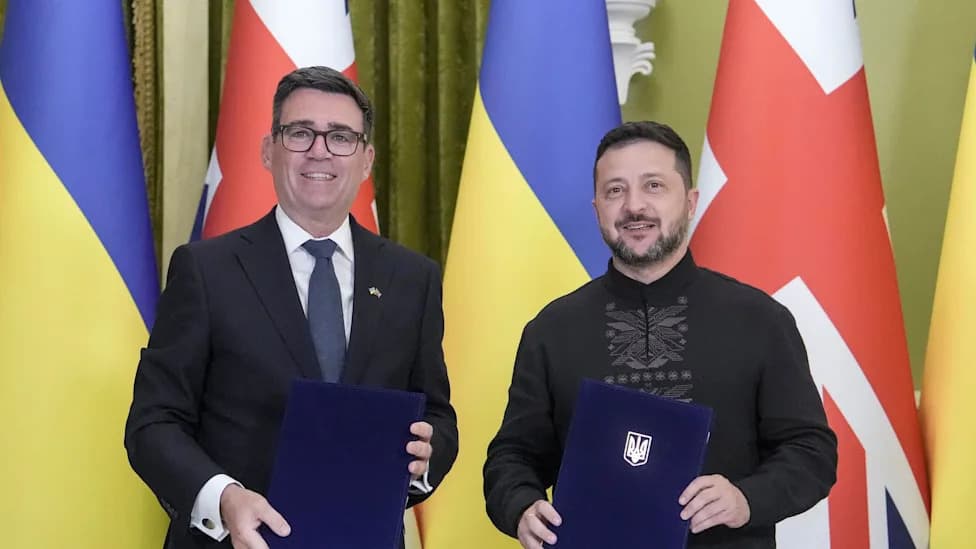
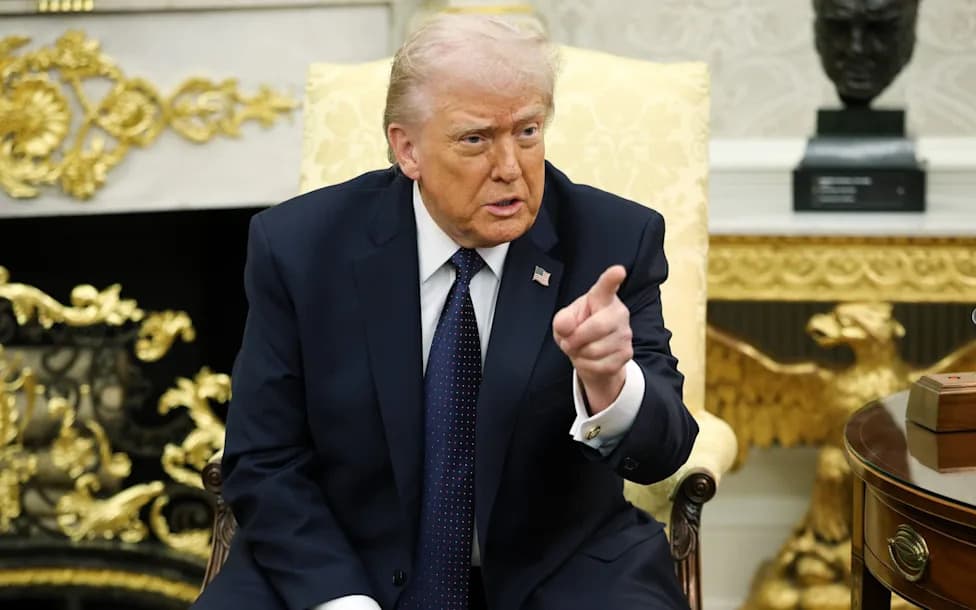
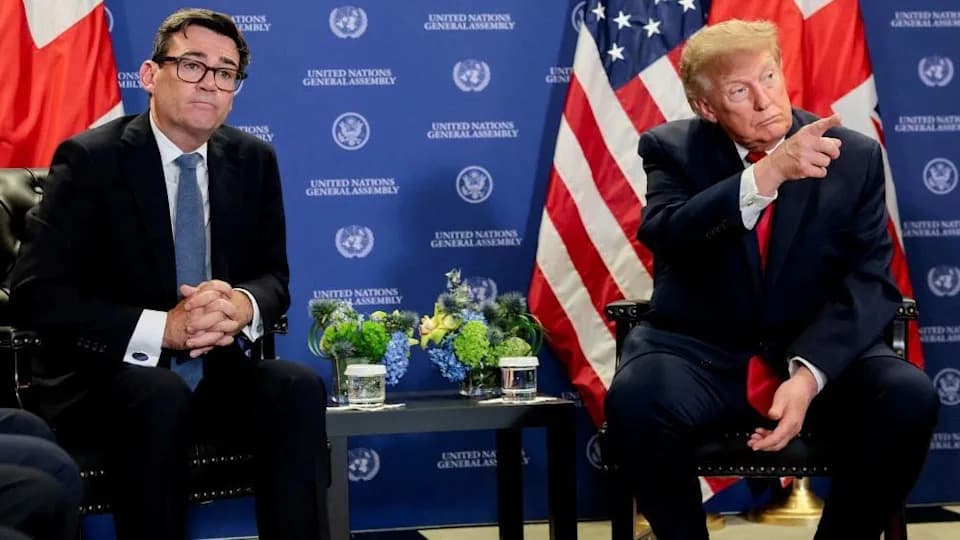
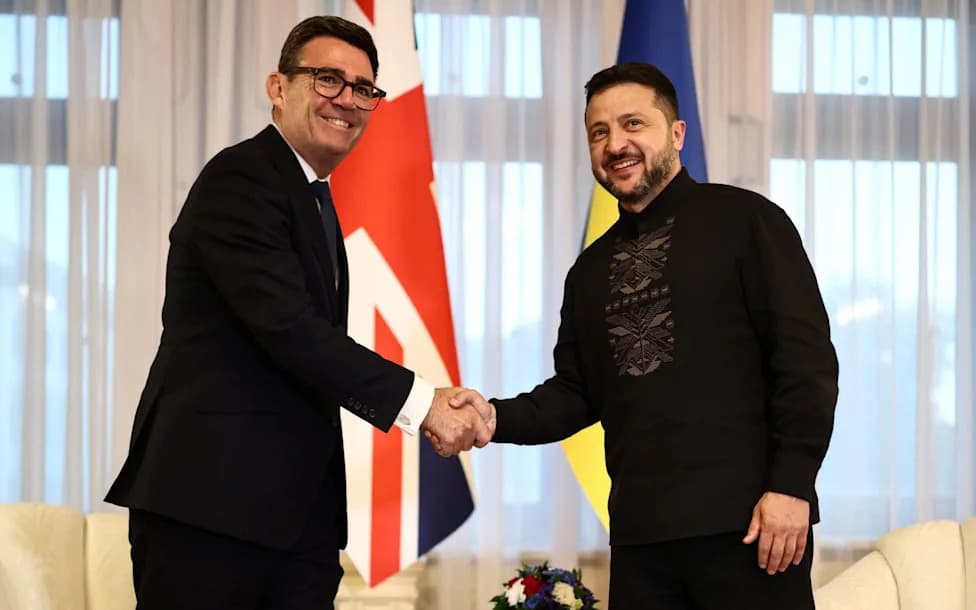
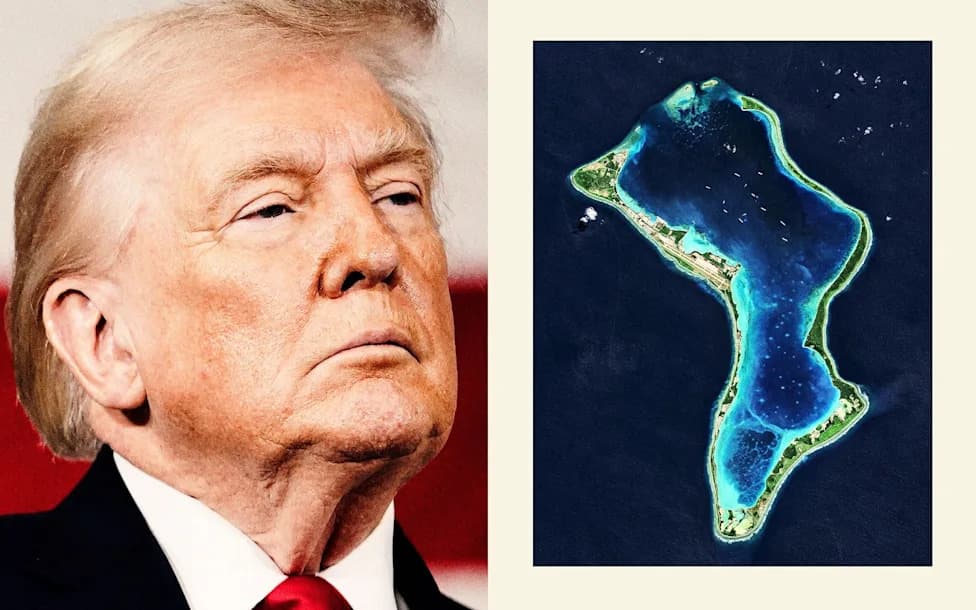
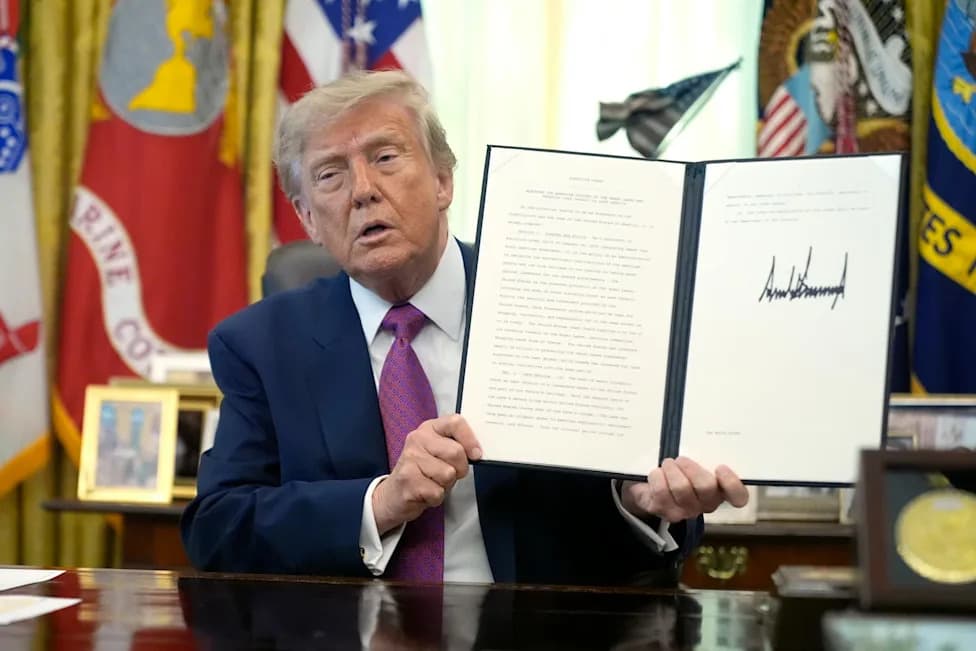
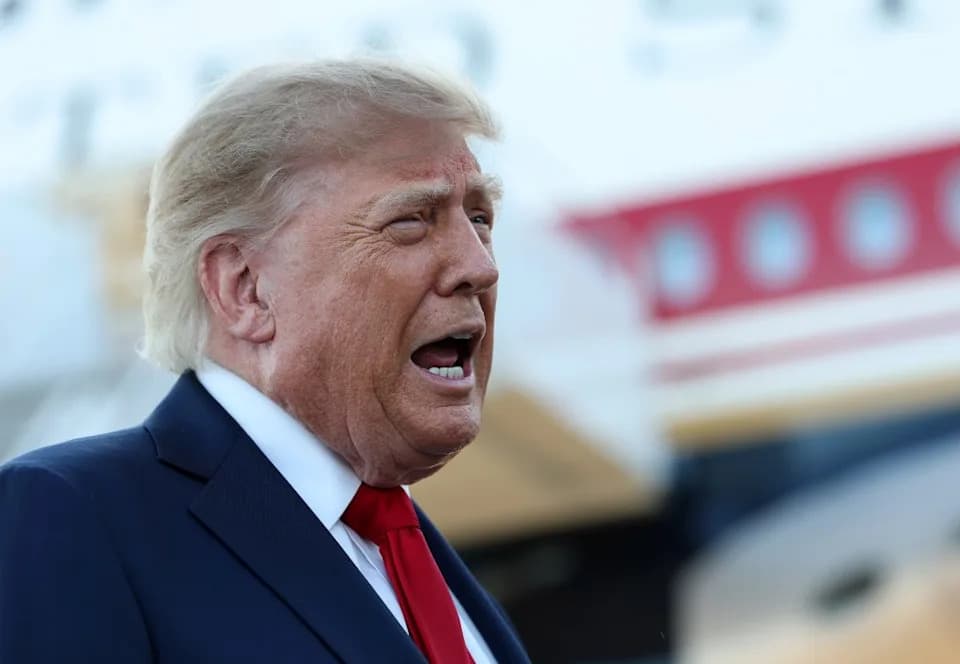
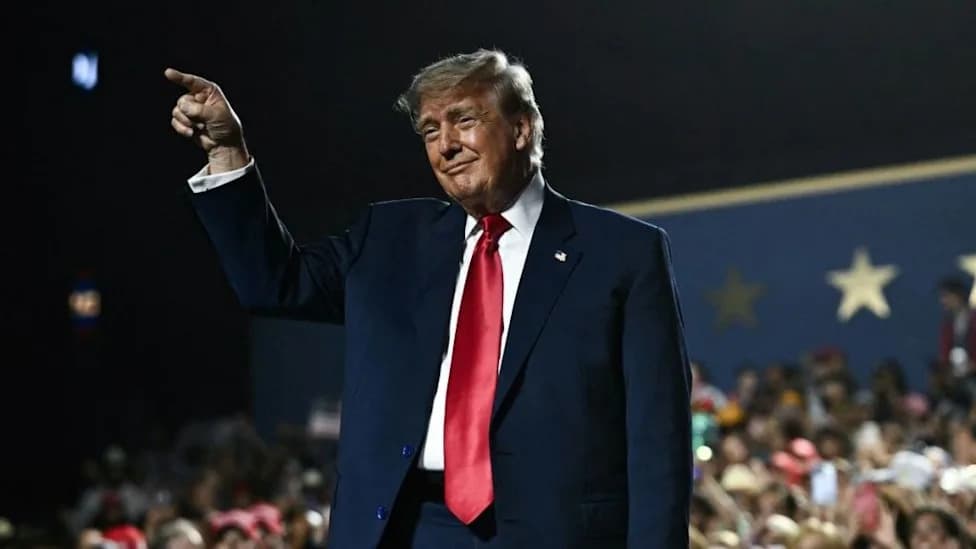
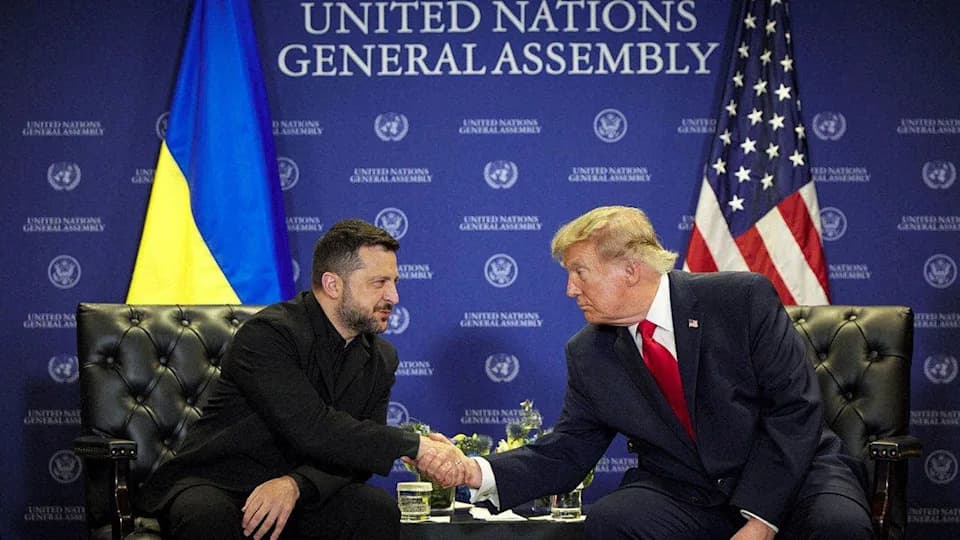
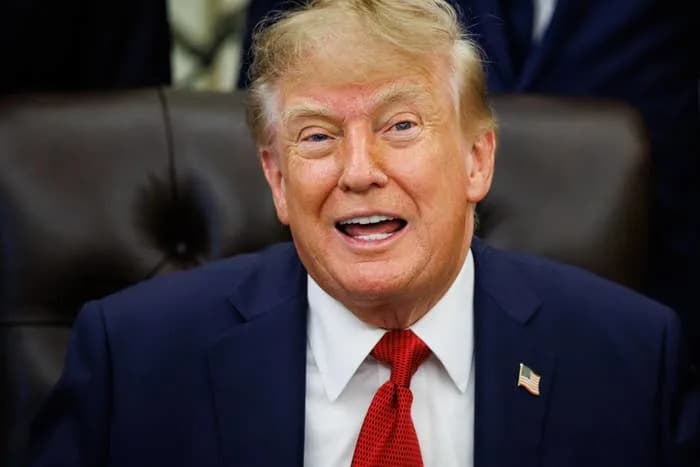
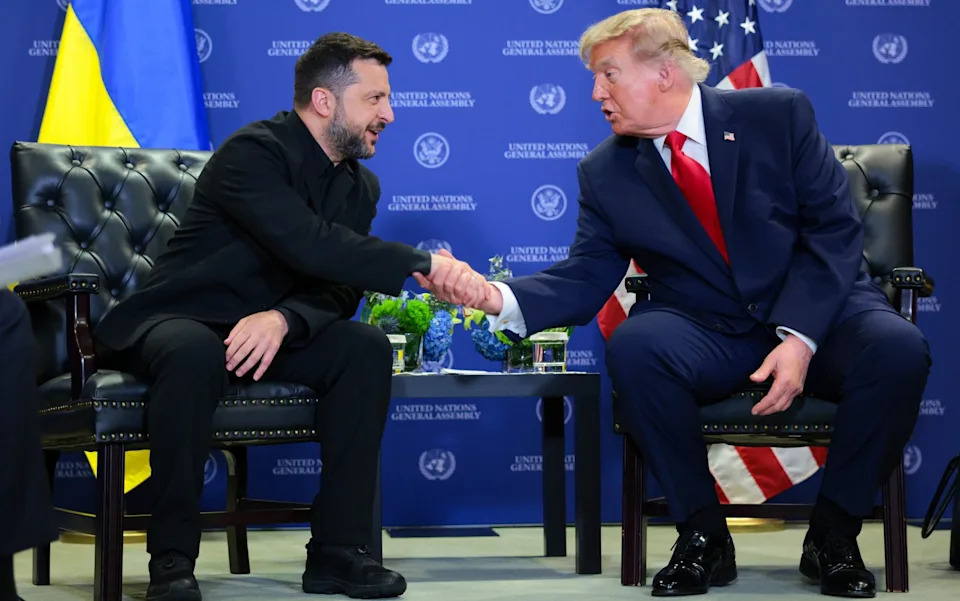
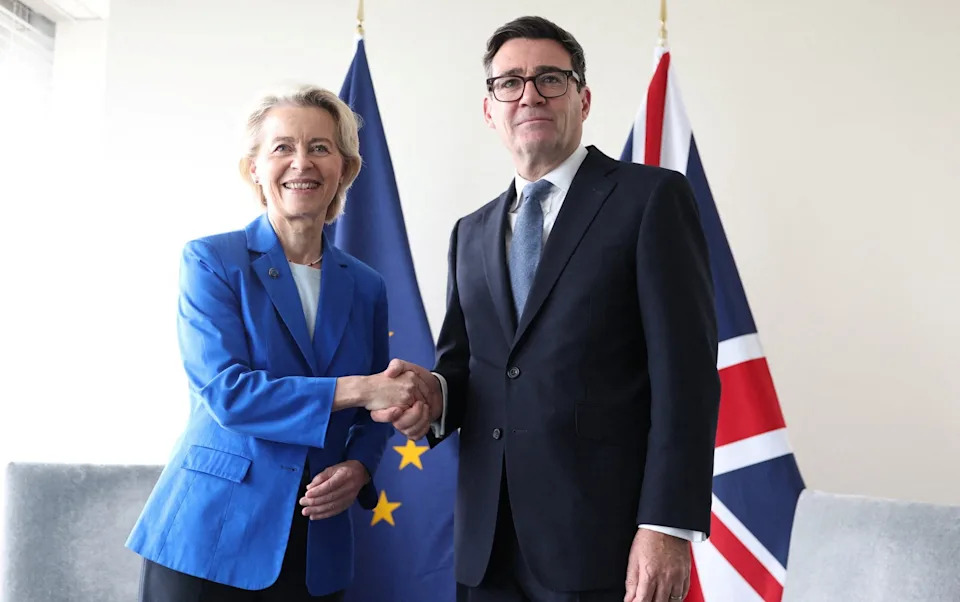
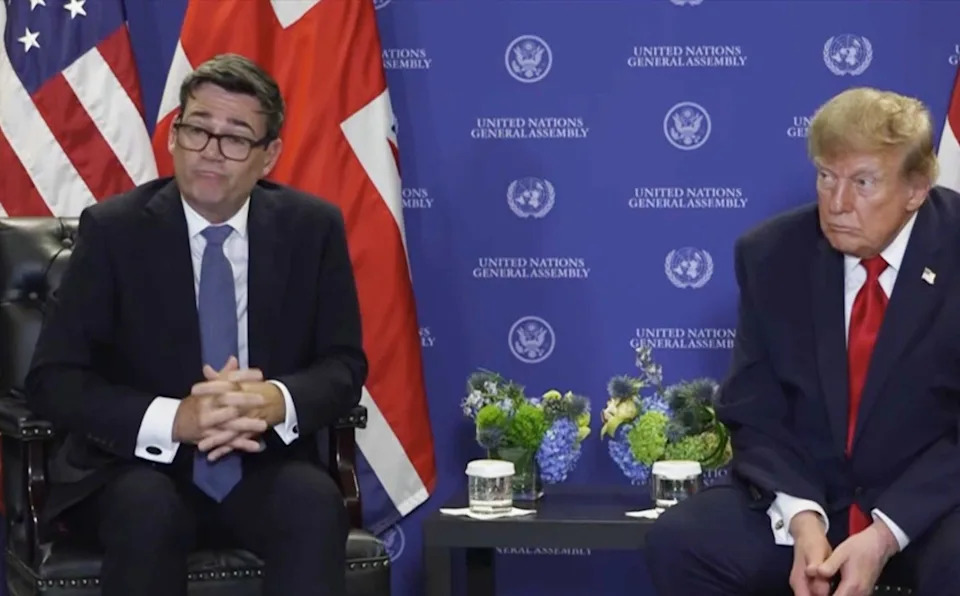
While in New York, Mr Burnham held a series of bilateral meetings, including his first face‑to‑face talks with US President Donald Trump and meetings with Ukrainian President Volodymyr Zelensky and European Commission President Ursula von der Leyen. He reportedly asked Mr Trump to raise the case of jailed Hong Kong publisher Jimmy Lai with Chinese President Xi Jinping; Mr Trump was said to have agreed that Mr Lai should be freed.
AI, Information Defence And Security
Mr Burnham announced a UK–US AI defence partnership to protect critical infrastructure and said the UK will put AI safety at the centre of its G20 presidency next year. Calling AI "the key to economic growth" but also a "multiplier of risk," he argued that democratic governments must lead decisions on its development and pushed for a single set of global principles and standards for safe AI deployment.
To counter disinformation, he pledged to create a national centre for information defence to defend British democracy from hostile information operations and cyberattacks, and promised sustained investment to disrupt such campaigns.
Context
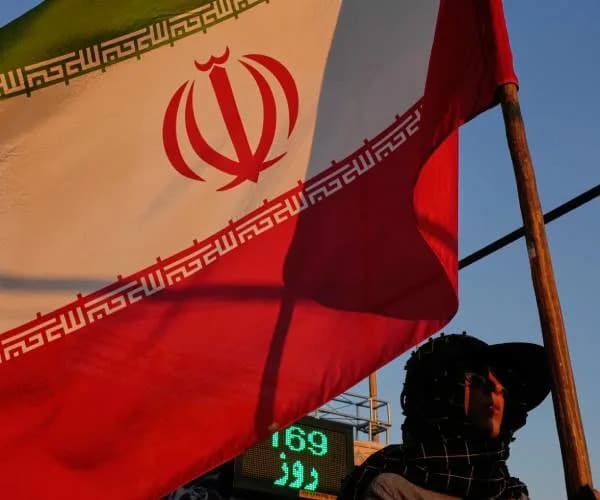
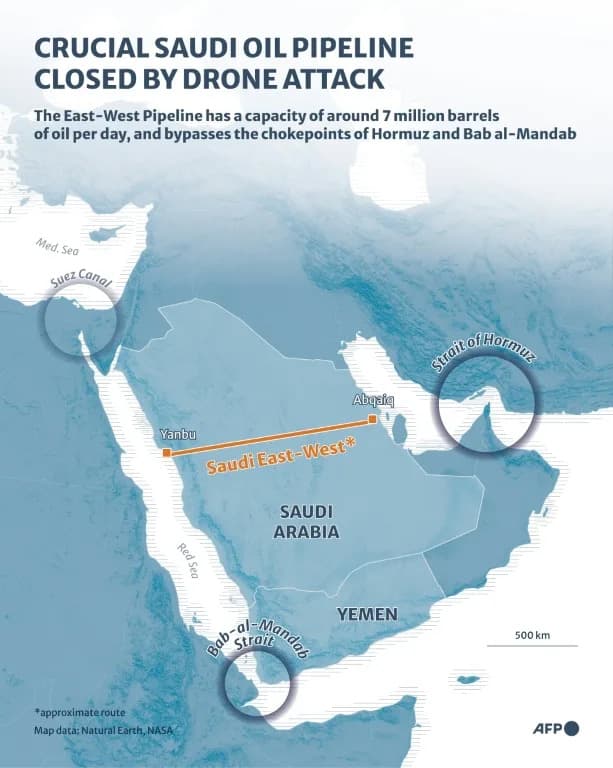
Mr Burnham's remarks came amid a turbulent week at the UN, with wide‑ranging diplomacy—including US talks with Iran about the Strait of Hormuz, a trilateral security deal in the Arctic, and contentious speeches by other world leaders. The Prime Minister balanced a hawkish tone on national security with an emphasis on domestic economic priorities, presenting his UN interventions as aimed at protecting British citizens and bolstering national resilience.
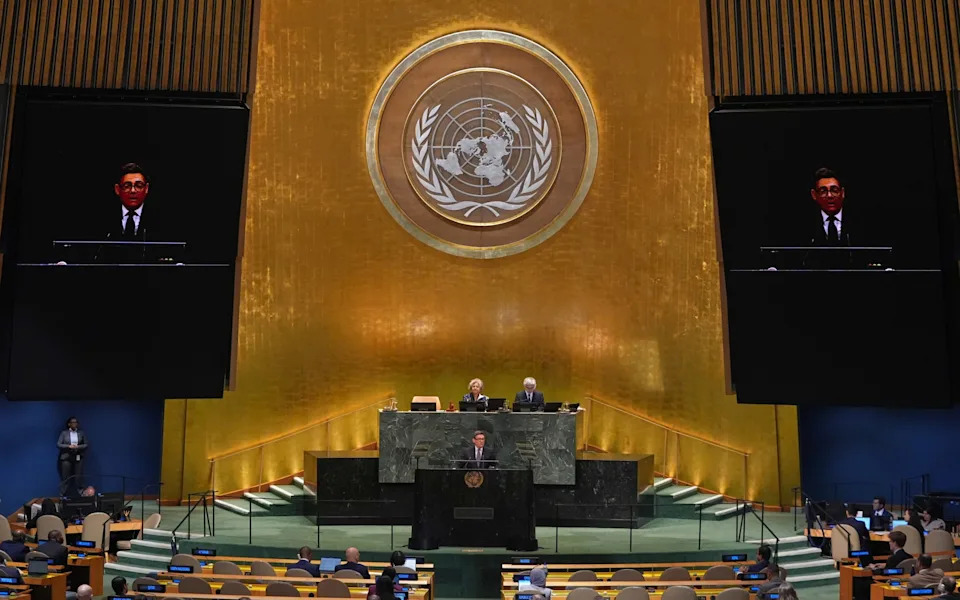
Andy Burnham compared the rule of law threats from Russia to Argentina's plan to take over the Falkland Islands - AP/Frank Franklin II
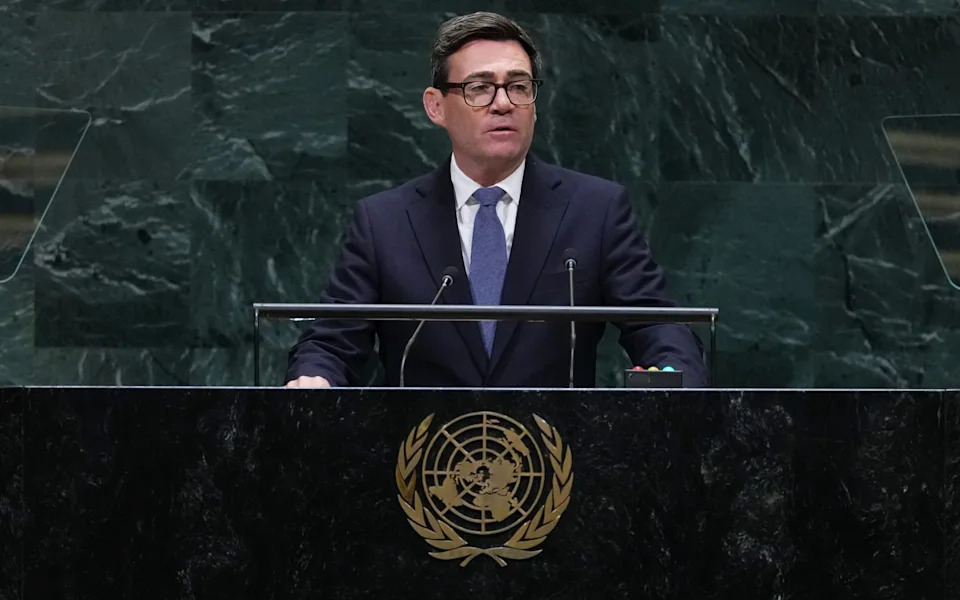
Andy Burnham said the world needed to agree one set of principles for safe AI development - AP/Frank Franklin II
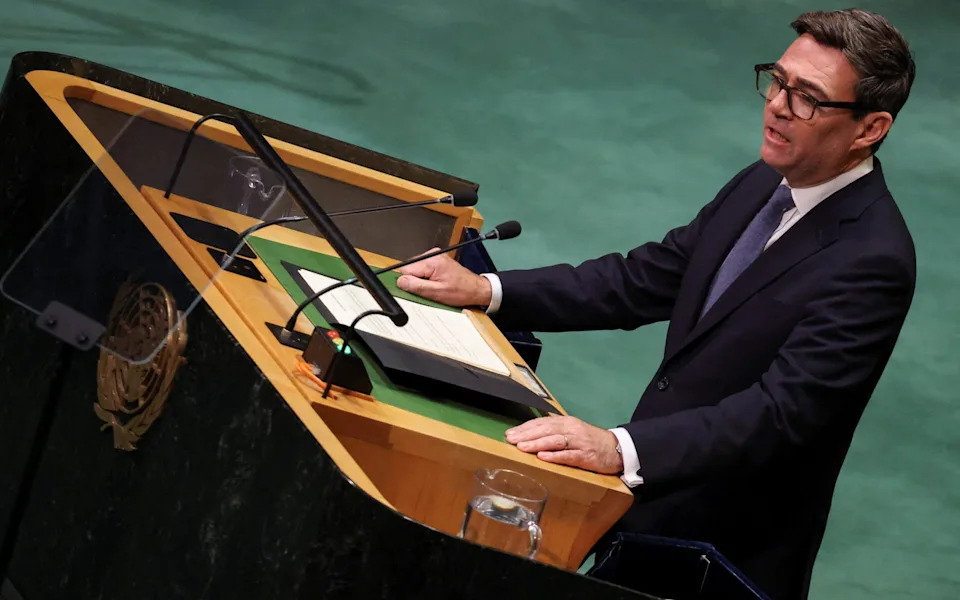
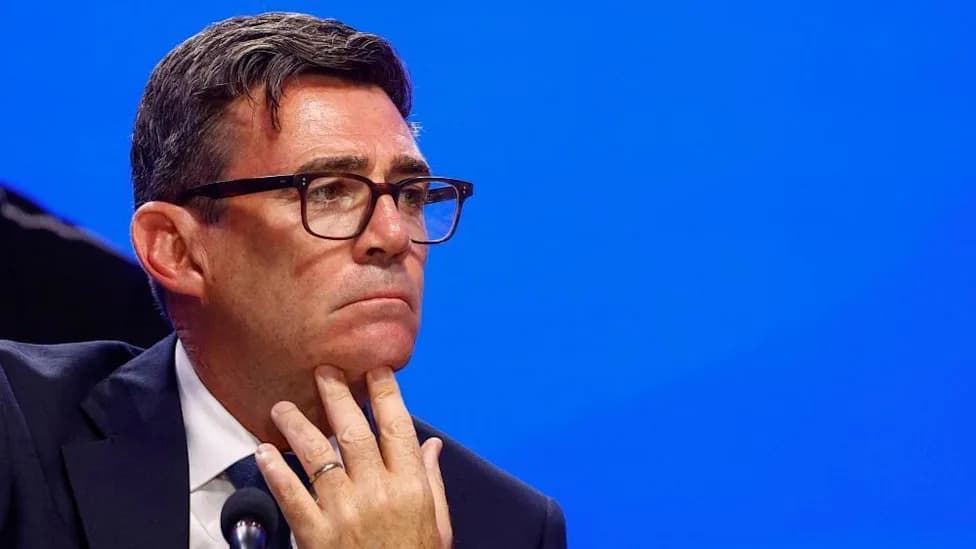
Andy Burnham accused Russia of amplifying 'far-Right narratives' - AFP/Toby Melville
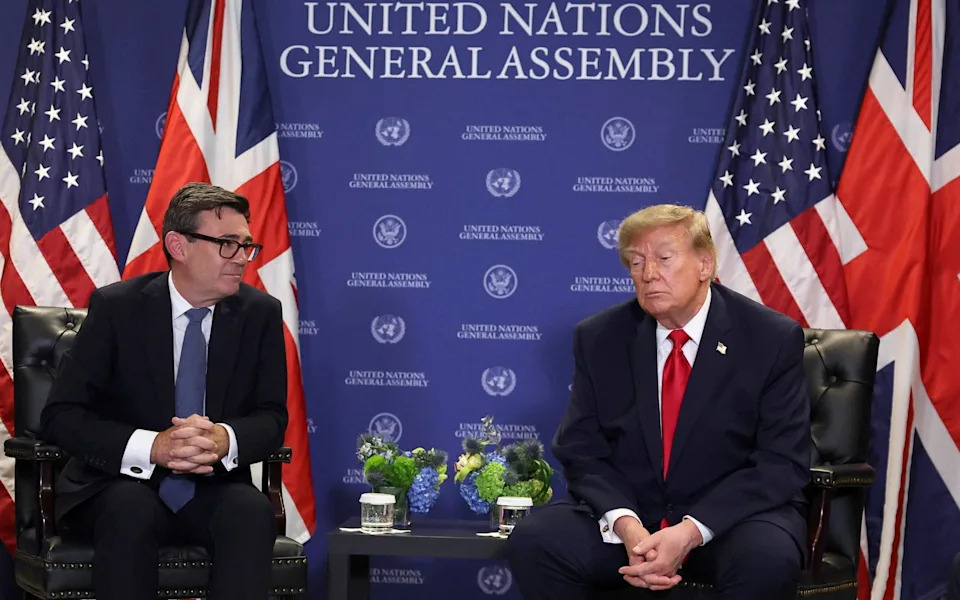
Donald Trump reportedly agreed that Jimmy Lai should be freed - PA/Toby Melville
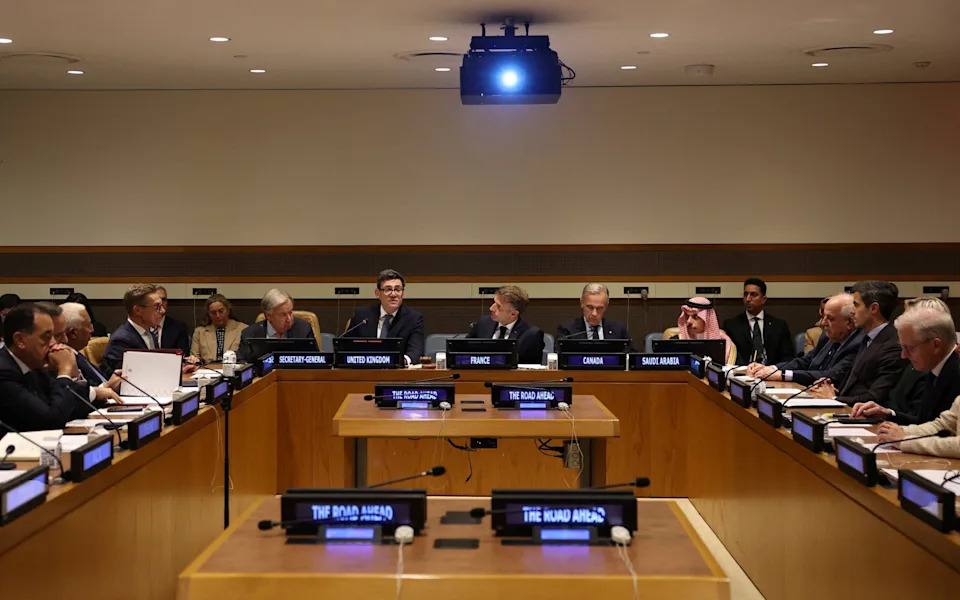
Andy Burnham spoke at an event to address peace in Israel and Palestine - Reuters/Toby Melville
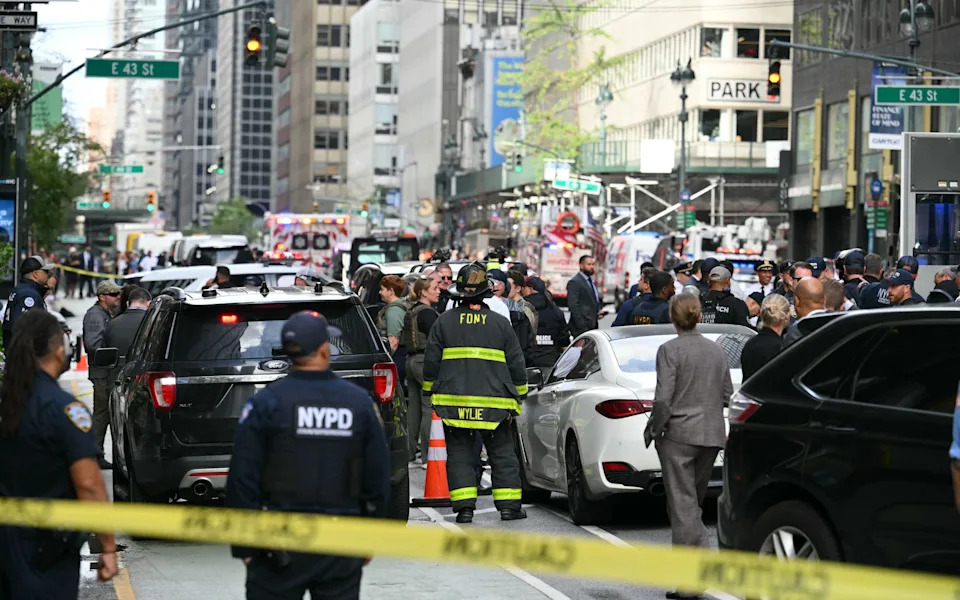
Police and firefighters were seen near the Chrysler Building after reports of a suspicious package - AFP/Angela Weiss
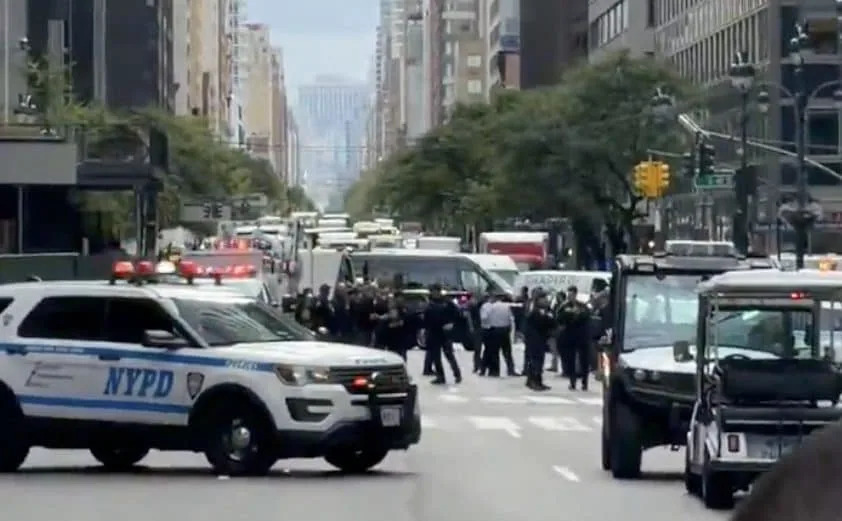
Emergency vehicles and police officers in Midtown Manhattan - @youfoundhowie
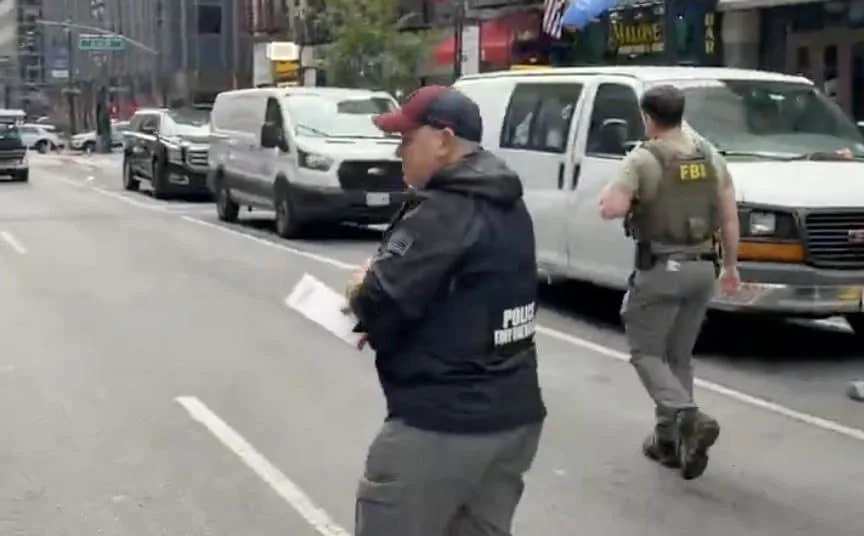
A police officer and FBI agent near the UN General Assembly - @youfoundhowie
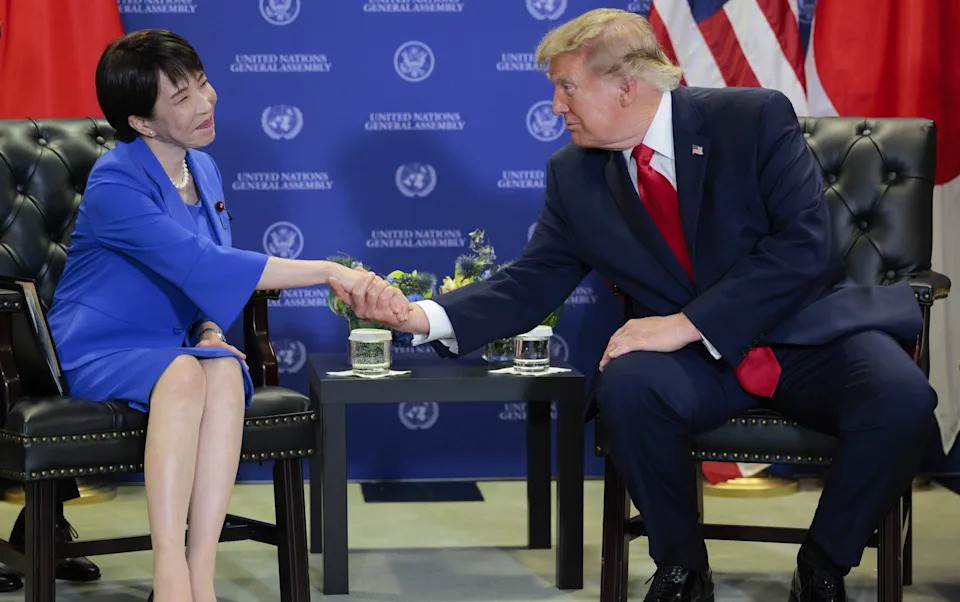
The prime minister said she looked forward to deepening their relationship - Chip Somodevilla/Getty Images North America
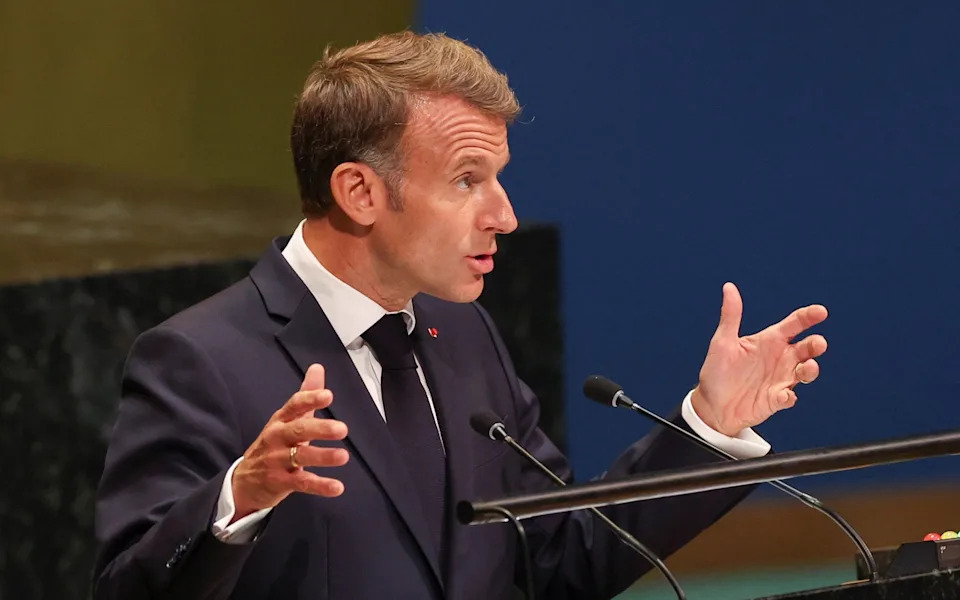
Mr Macron will step down in May after 10 years in office - Shannon Stapleton/REUTERS
The leaders left the conference to continue discussions - Getty Images North America/Chip Somodevilla
The Prime Minister and European Commission president met on the sidelines of the UN General Assembly today - TOBY MELVILLE/AFP
The Prime Minister and the US president spoke about trade and the Iran war in their meeting
The Cuban delegation left halfway through Trump's address - AFP/BRENDAN SMIALOWSKI
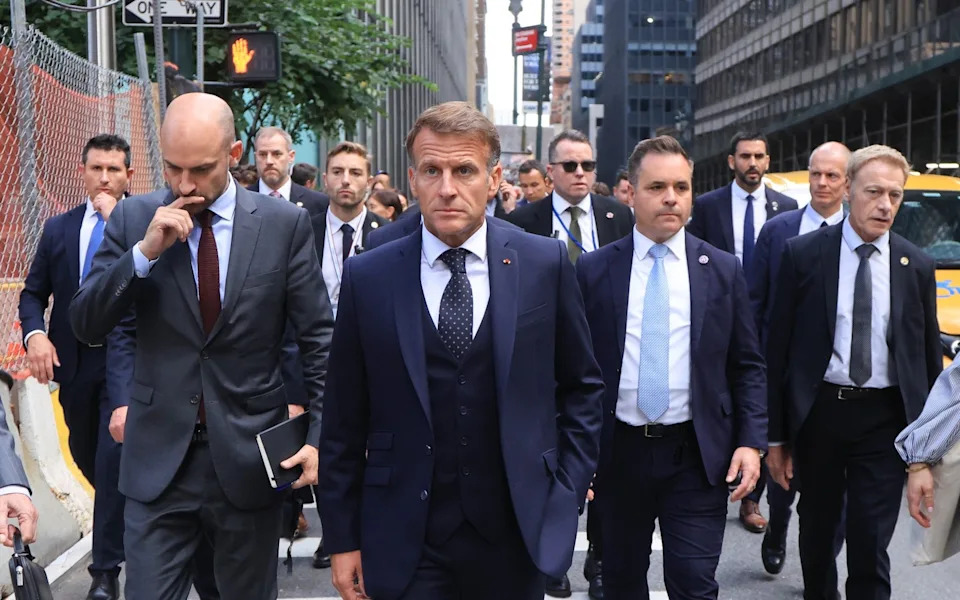
Emmanuel Macron and his foreign affairs minister Jean-Noël Barrot head to Trump Tower in New York ahead of a meeting with the US president - Ludovic MARIN / AFP via Getty Images
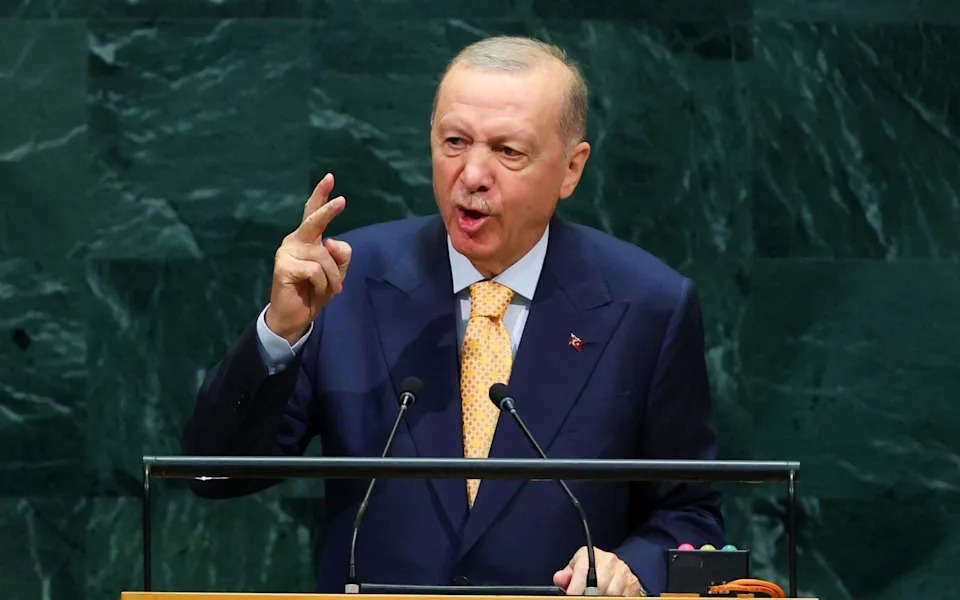
The Turkish president also condemned attacks on commercial ships in the Black Sea - REUTERS/Mike Segar
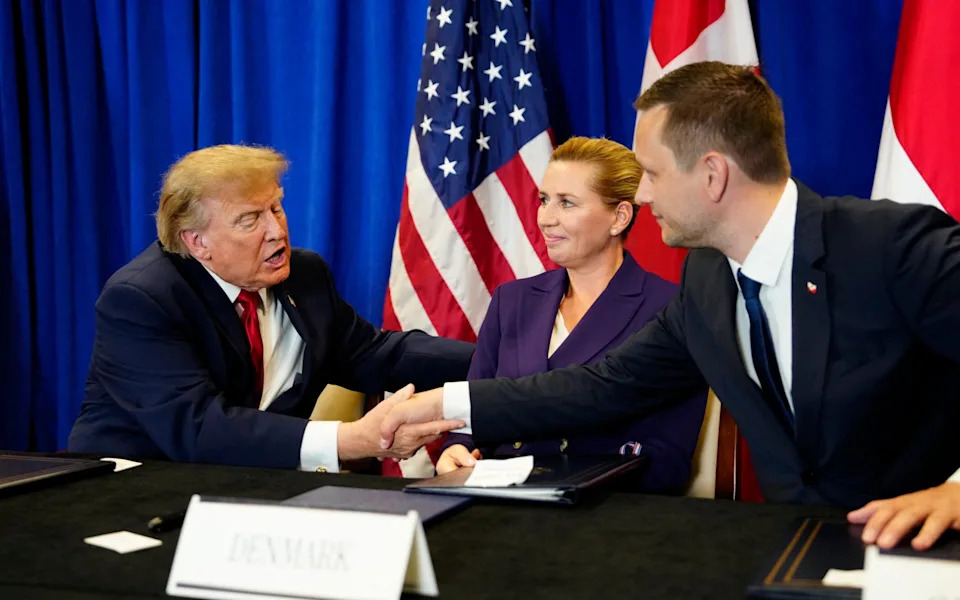
The three leaders held a signing ceremony on the sidelines of the UN today - AFP/MADS CLAUS RASMUSSEN
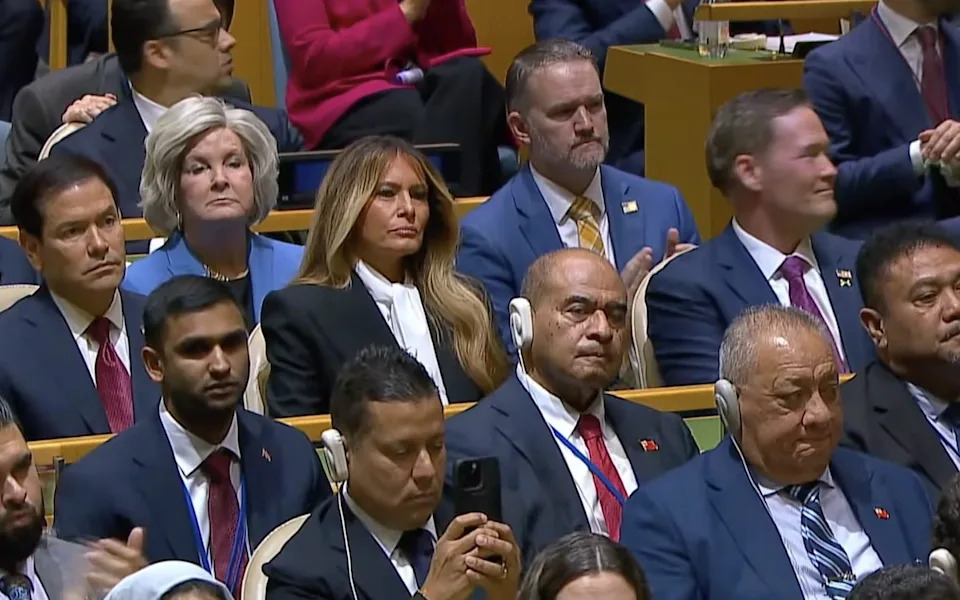
Trump allies watch on during his UN address
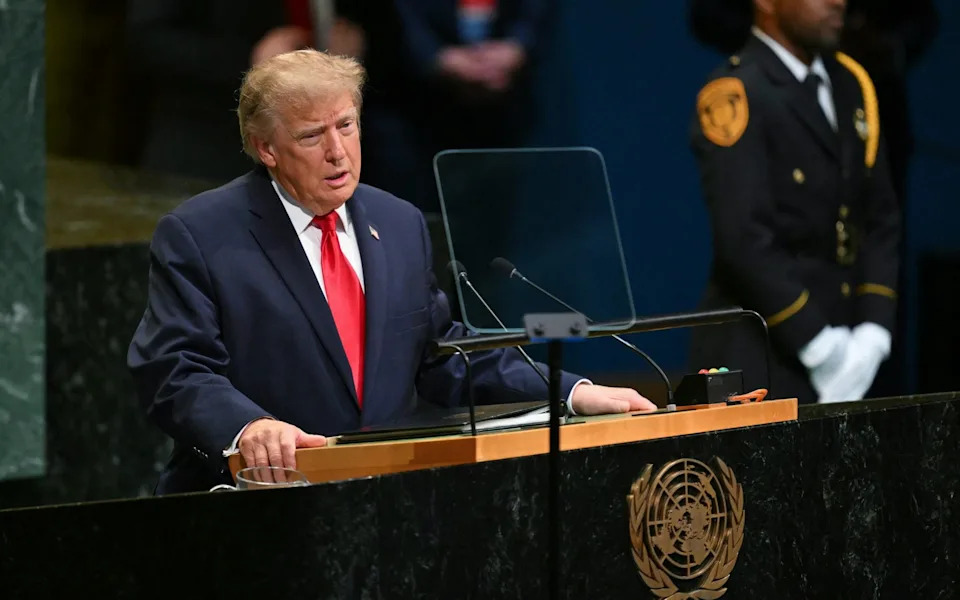
The US president has begun his address - ANGELA WEISS/AFP
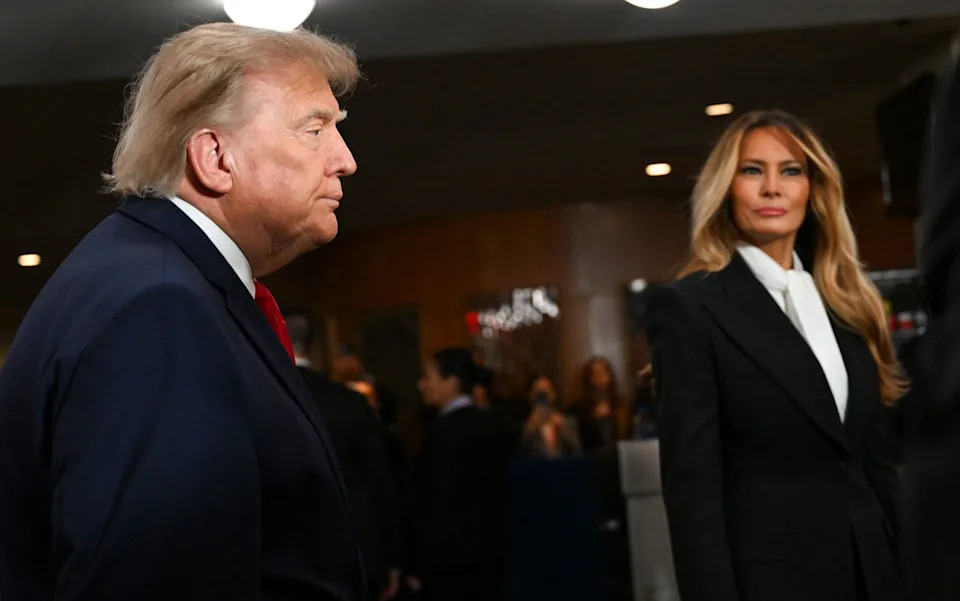
The US president and first lady arrived to the UN headquarters together today - Alexi J. Rosenfeld/Getty Images North America
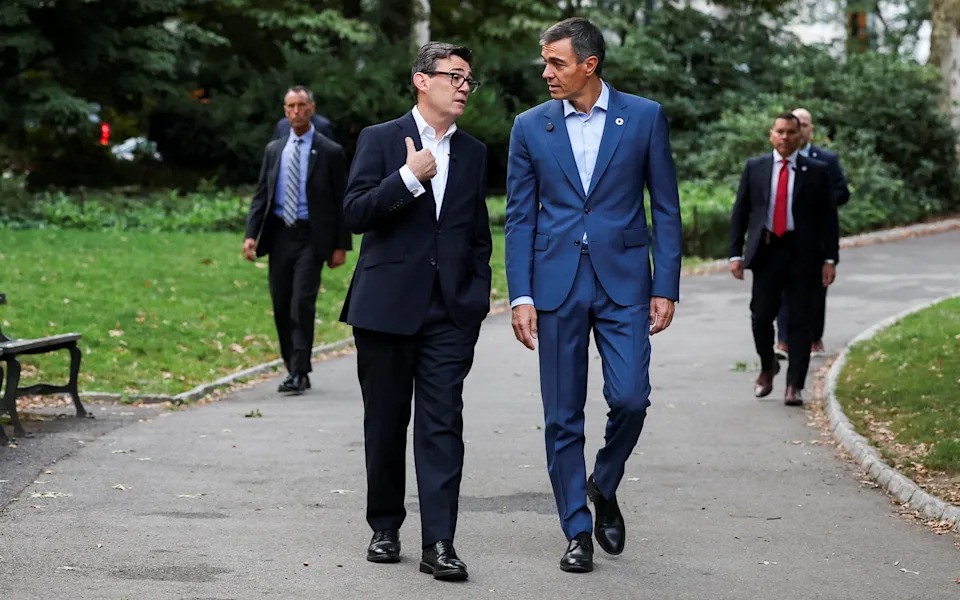
The two leaders met ahead of the General Assembly - Toby Melville/REUTERS
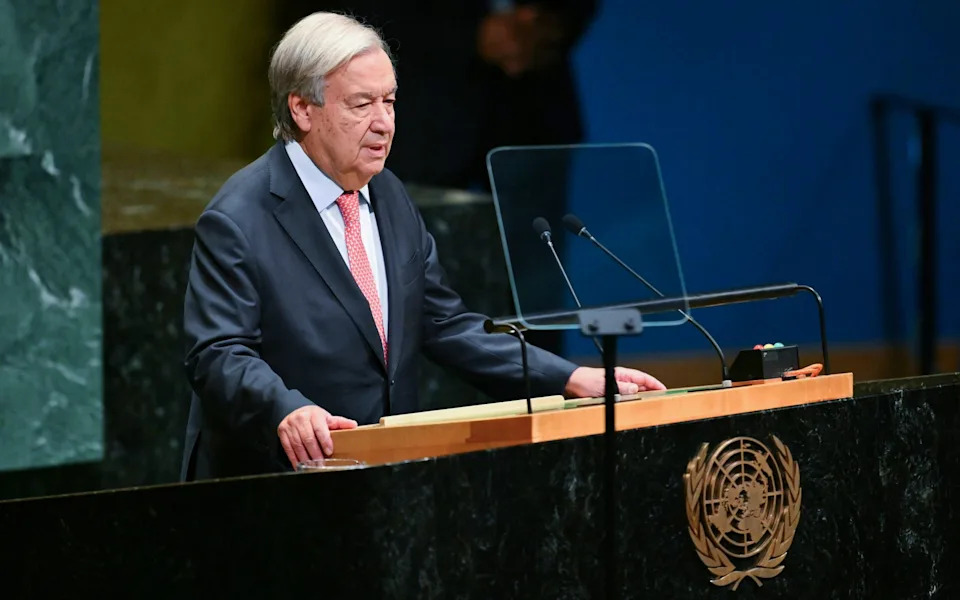
In his valedictory speech as secretary general, Mr Guterres spoke of changing powers in the world - ANGELA WEISS/AFP
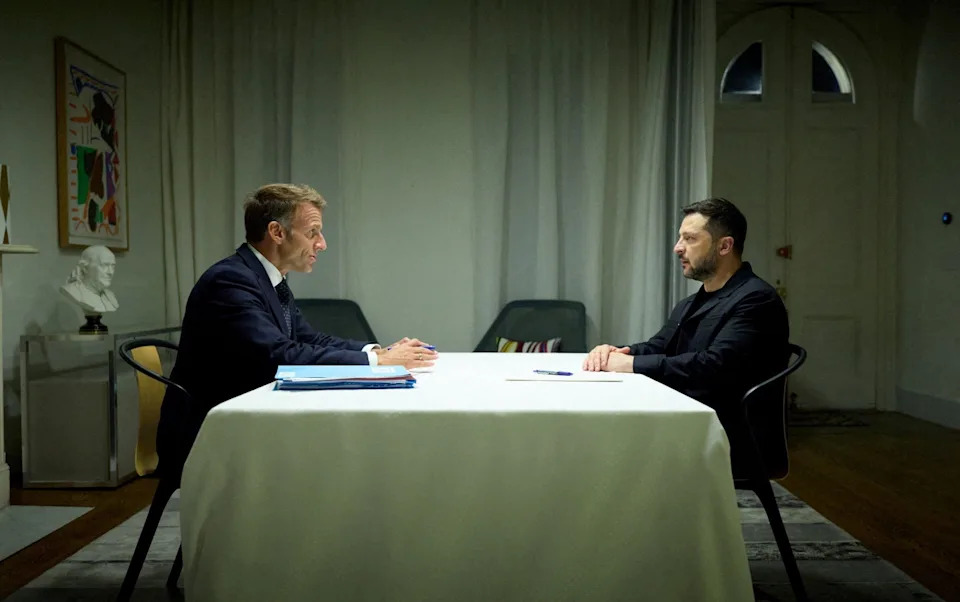
The leaders met ahead of Zelensky's bilateral meeting with Donald Trump later today - Ukrainian Presidential Press Service/Reuters
Help us improve.