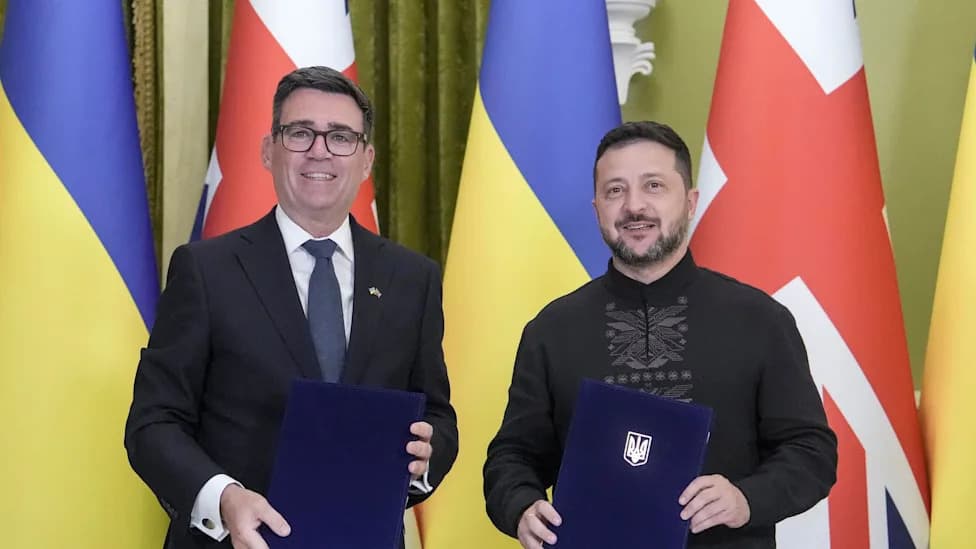
Donald Trump will press Prime Minister Andy Burnham about the UK's defence spending during their first face-to-face meeting at the UN General Assembly. Washington is scrutinising whether Britain will move beyond projected defence outlays of 2.7% of GDP by 2030, against longer-term pledges such as 3.5% for core defence by 2035. The talks come amid a US review of troop deployments in Europe and wider Nato burden-sharing reforms that could put Britain under "special attention." Ministers say the Chancellor's immediate priority is closing a defence investment funding gap of up to £15bn.
Trump to Press UK Prime Minister Burnham Over Defence Spending at UN General Assembly
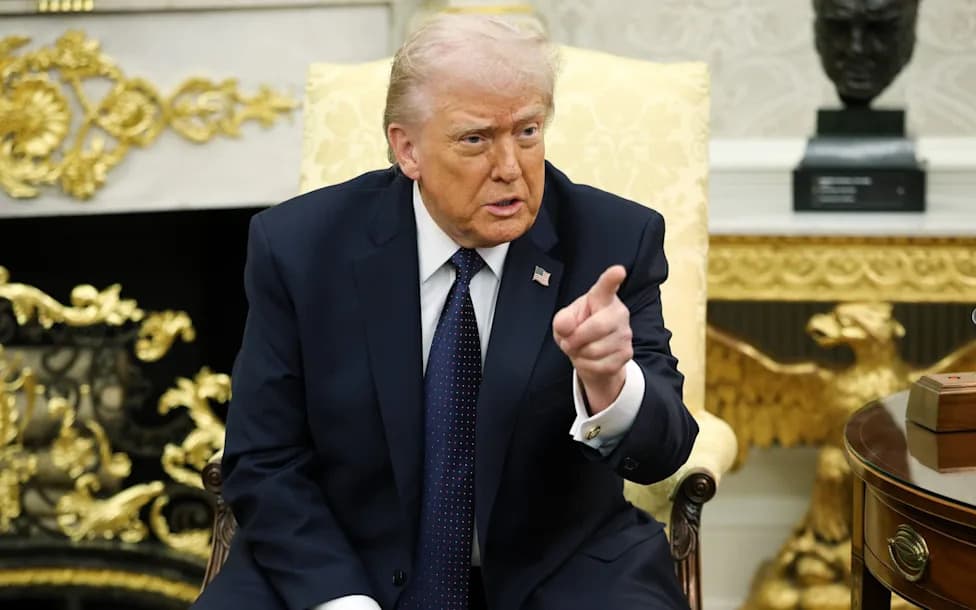
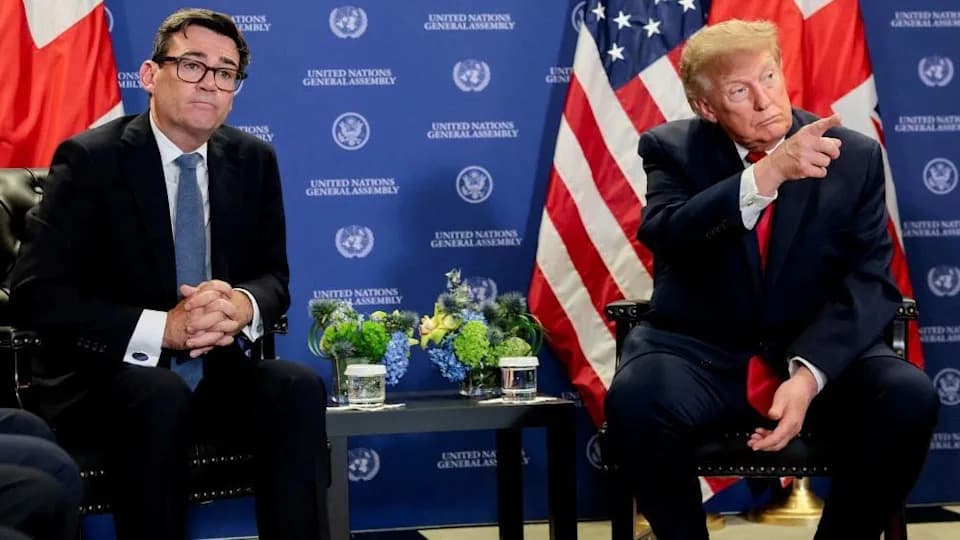
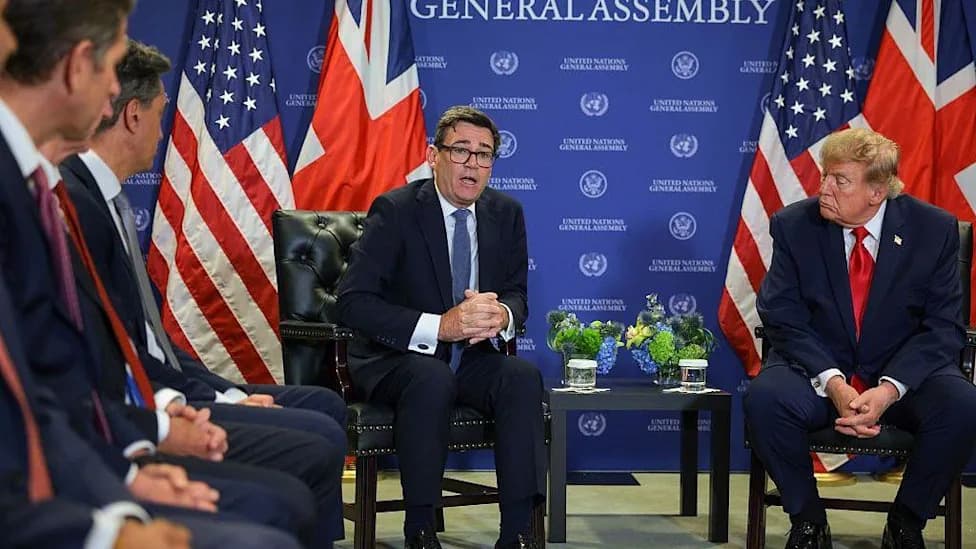
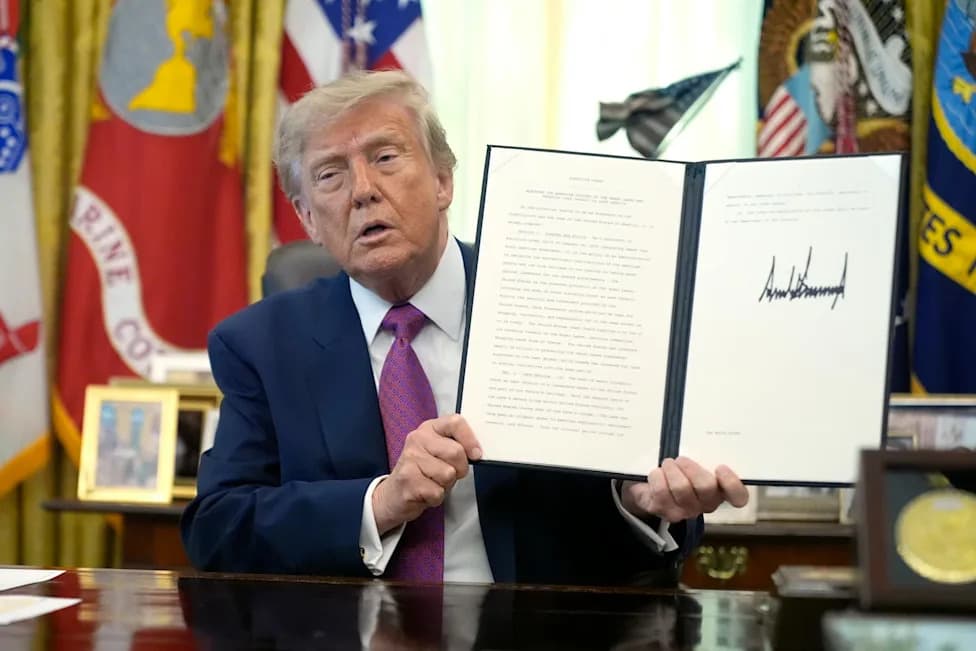
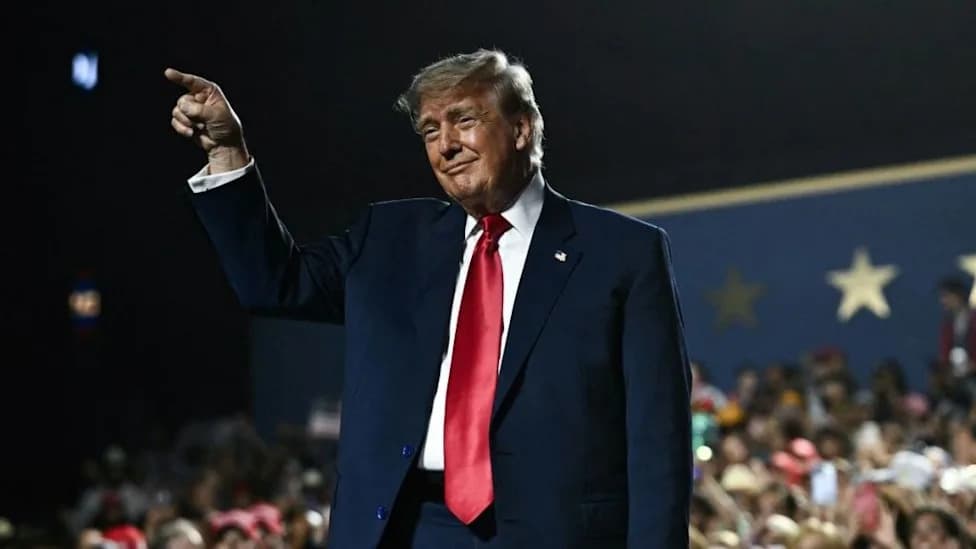
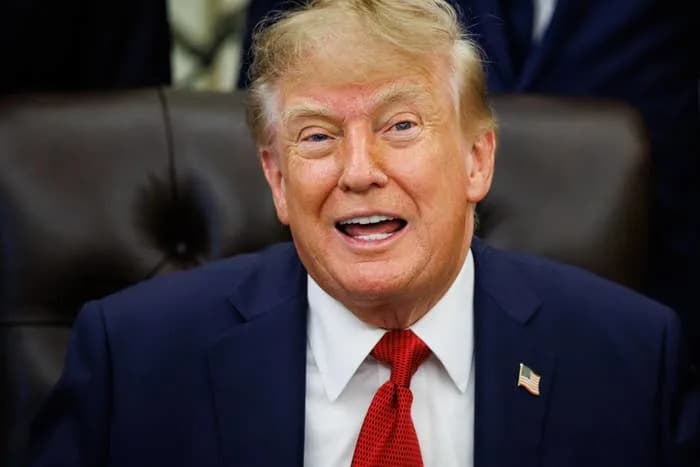
Donald Trump will meet the Prime Minister face to face for the first time at the UN General Assembly on Tuesday - Getty Images/Win McNamee
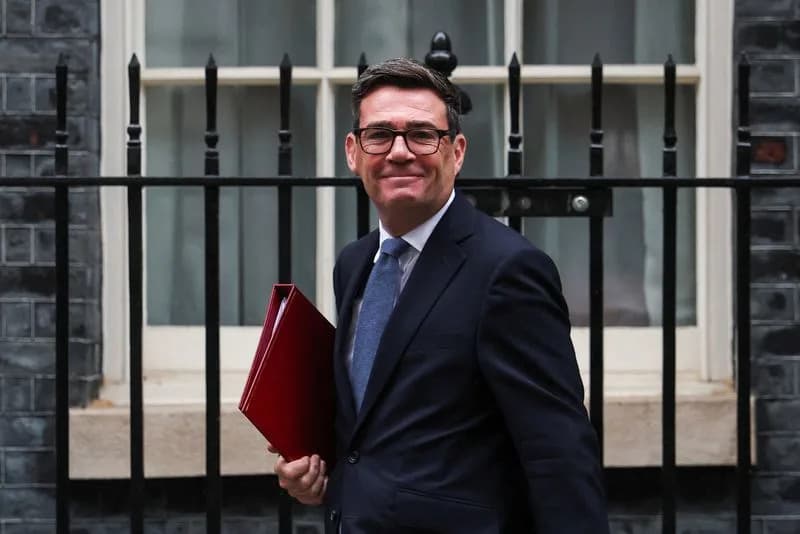
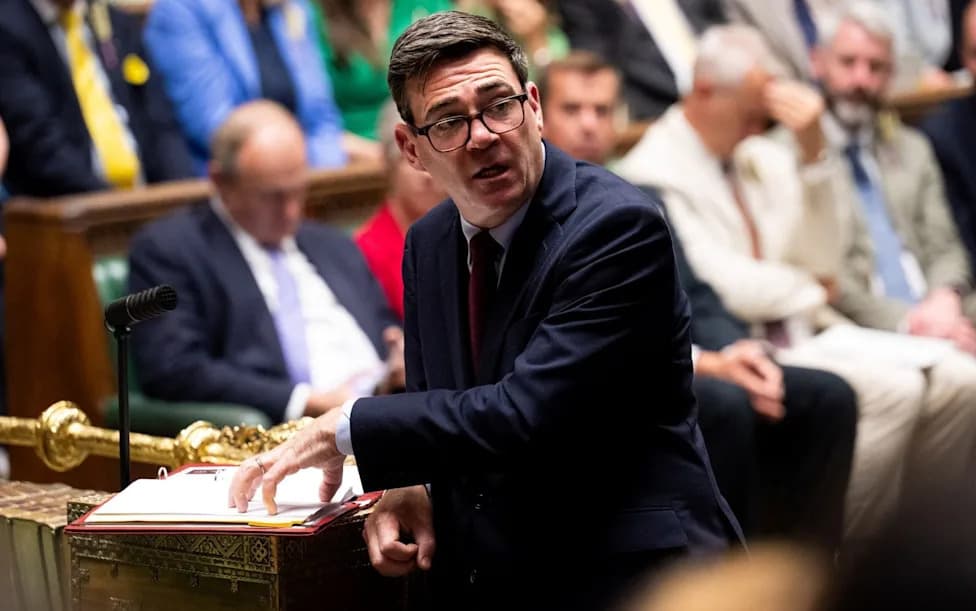
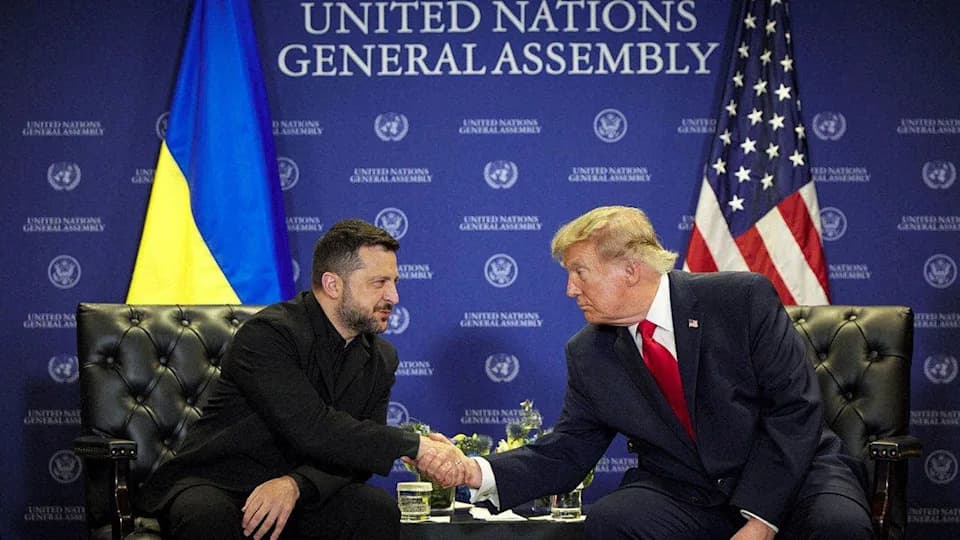
Donald Trump will press UK Prime Minister Andy Burnham on Britain's defence spending when the two meet in New York on Tuesday during the United Nations General Assembly, sources tell The Telegraph.
The US president plans to question the UK's commitment to a proposed Nato-era spending benchmark — described by some US officials as part of a new strategic shift dubbed "Nato 3.0" — which would place greater responsibility on European allies and Canada for the conventional defence of Europe.
What to expect at the meeting
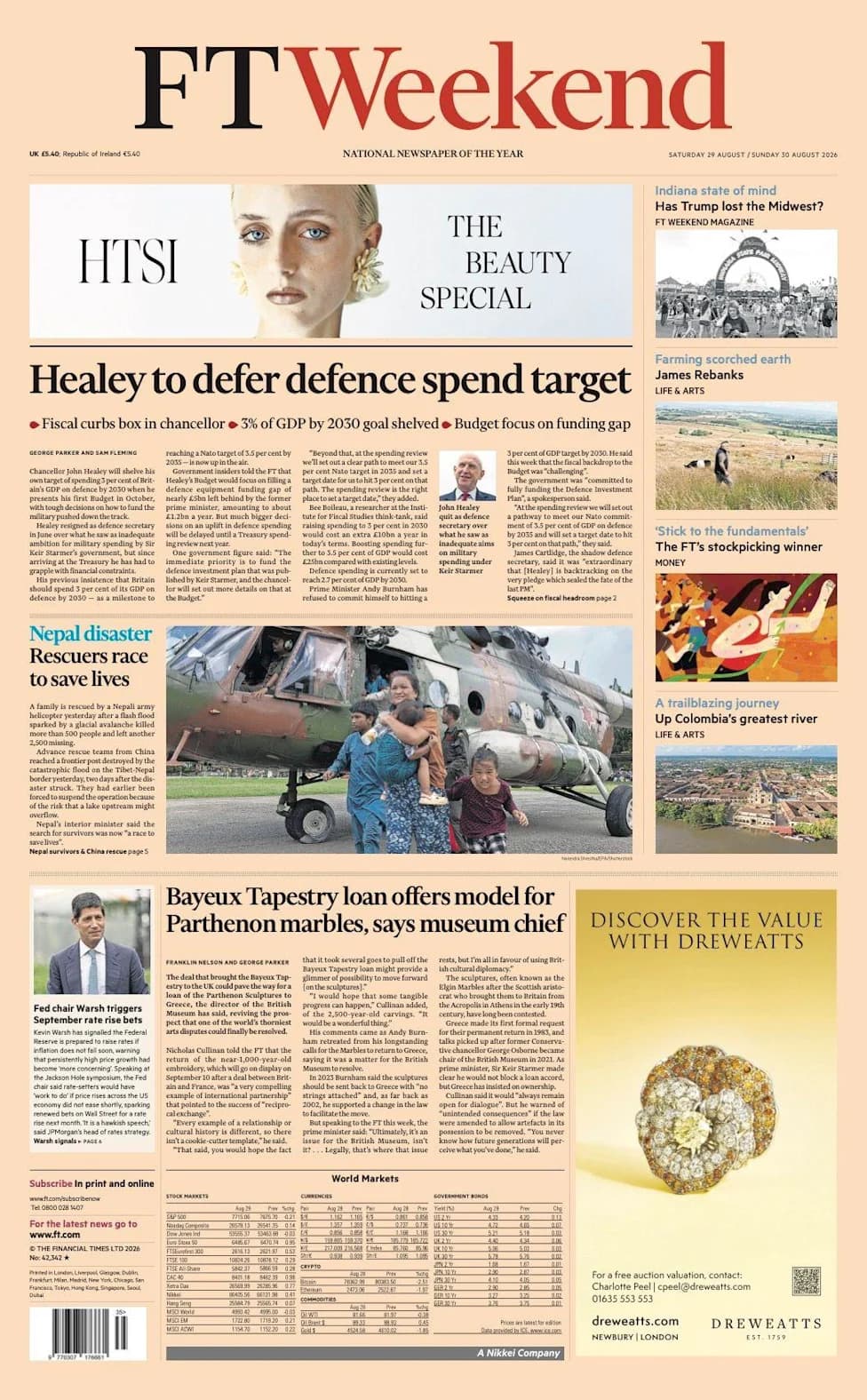
Mr Trump is expected to press Mr Burnham on whether Britain will raise defence outlays from current projections of 2.7% of GDP by 2030 toward higher targets. Chancellor John Healey has already signalled that, in his first Budget, the Government will not commit to a 3% defence-spending target for 2030.
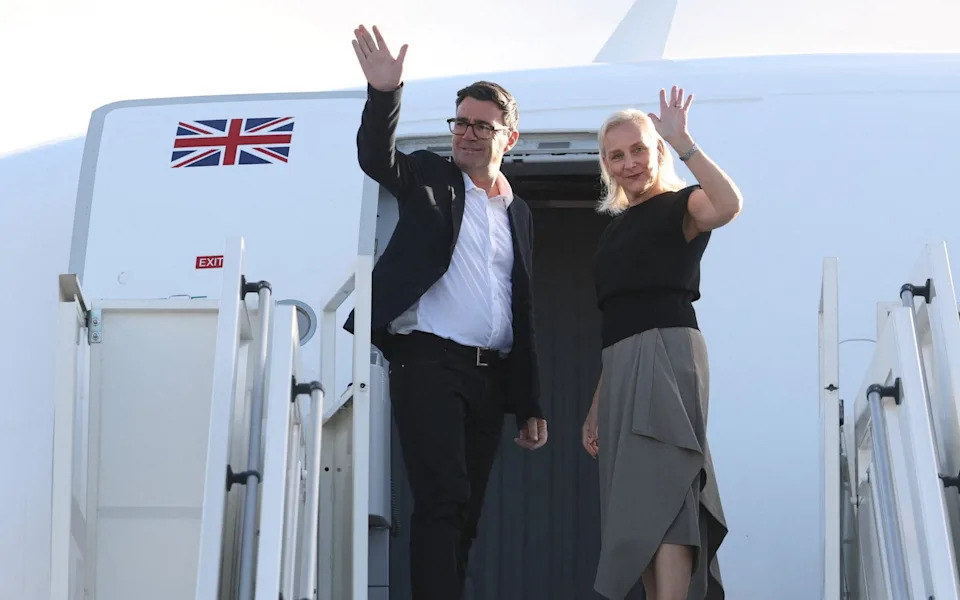
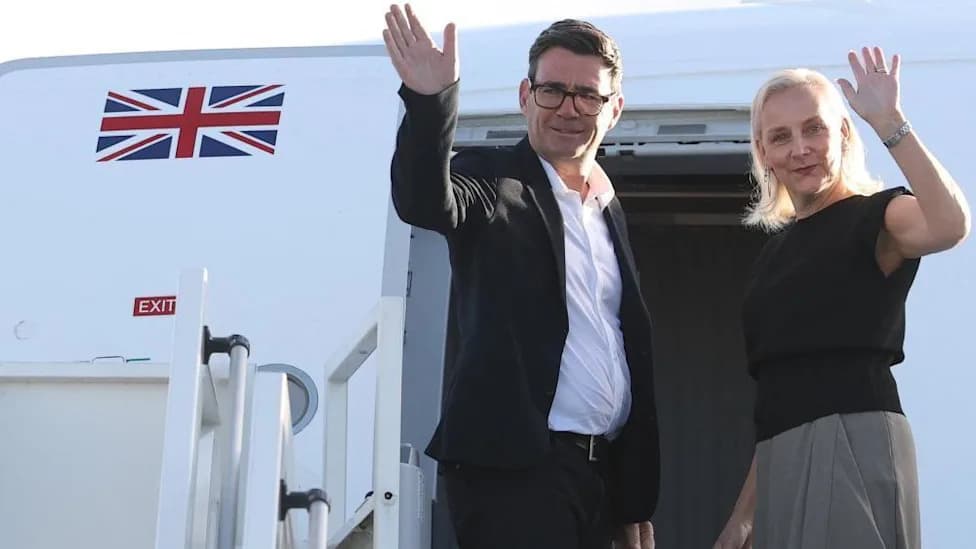
Andy Burham and his wife, Marie-France van Heel, board a plane heading to New York for the UN General Assembly - Getty Images/Toby Melville
Downing Street hopes the bilateral meeting — the leaders' first face-to-face encounter — will reset relations with the White House after an unusually tense period in the "special relationship" that has included disagreements over Iran, use of UK bases and recent sanctions on Israeli settlers in the West Bank.
Broader US pressure and Nato review
The Trump administration has been conducting a high-level review of US troop deployments in Europe and Nato burden-sharing. As part of that review, the Pentagon circulated a questionnaire to Nato capitals asking about plans to buy US-made equipment, restrictions on US access to bases and levels of political support for US policy.
US defence secretary Pete Hegseth has warned the review could last several months and said it aims to prompt European allies to assume greater responsibility while preserving US global commitments. The review — which will present a set of options by early November — could influence the disposition of roughly 80,000 US troops in Europe, their locations and the tempo of any changes.
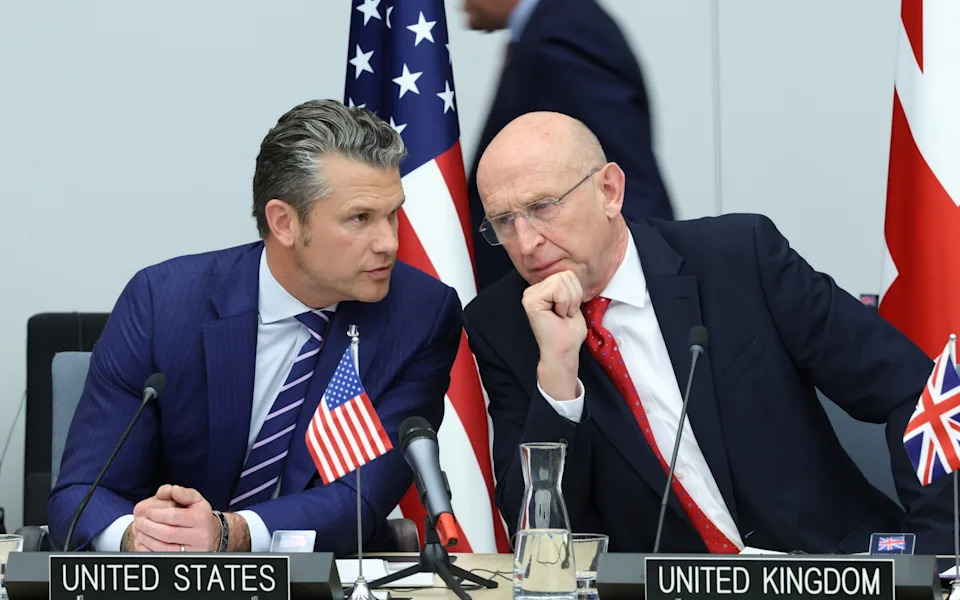
Pete Hegseth, US defence secretary, speaks with John Healey in October 2025 - AP Photo/Omar Havana
UK domestic context
Ministers say Mr Healey's immediate priority is to plug a potential funding gap — estimated at up to £15bn — in the defence investment plan Mr Burnham inherited. The Government has also reiterated a longer-term pledge of 3.5% of GDP for core defence spending by 2035, even as near-term figures remain below some Nato expectations.
In August, reports suggested Washington had discussed leveraging diplomatic pressure — including revisiting its neutral stance on the Falkland Islands — to encourage higher UK defence spending. Asked about that possibility, Mr Trump said:
"I always review every position; that is just one of many."
Political and diplomatic notes
The meeting will be the first direct conversation since the UK announced sanctions on Israeli settlers in the West Bank; Mr Trump did not publicly oppose those measures at the time. Senator Marco Rubio — often cited in reports about US policy — also declined to criticise the UK action, saying both countries shared the goal of reducing violence in the West Bank.
Whitehall and Washington will watch the New York talks closely: US officials have indicated Britain may receive "special attention" in the Nato spending appraisal, which will test whether allies have credible plans to meet agreed targets.
What remains clear: the meeting is likely to focus tightly on defence funding, Nato burden-sharing and the wider transatlantic security partnership at a time of contested priorities and tight public finances in many allied capitals.
Help us improve.