DRC Prime Minister Judith Suminwa rejected the idea that relations with the US are only about minerals, saying ties encompass infrastructure, energy and local processing. She noted US attention to the Inga hydropower project and World Bank support for Inga 3, with a Paris meeting planned next month. On Ebola, Suminwa explained that the Bundibugyo strain’s malaria-like symptoms delayed detection; as of Sept. 20 the DRC reported over 7,000 cases and about 3,600 deaths. The government pledged $50 million to the response, including $3 million for research, and called for more funding to strengthen the health system.
DRC Prime Minister Rejects 'Minerals-Only' Label and Explains Why Early Ebola Cases Went Undetected
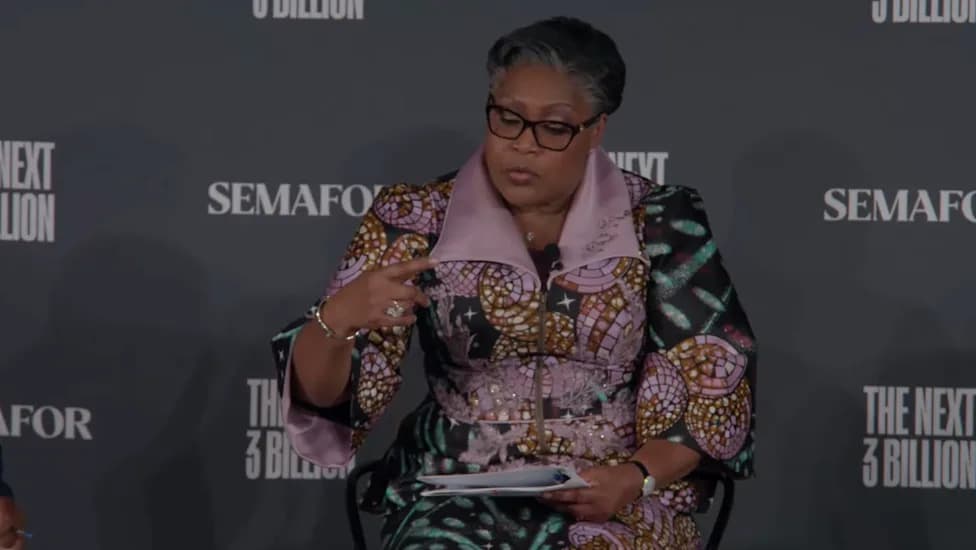
DRC prime minister defends Ebola response
Judith Suminwa, the prime minister of the Democratic Republic of Congo, pushed back against portrayals that the country’s relationship with the United States is solely about mineral extraction and offered a candid explanation for why early Ebola infections were missed.
US-DRC Relations: More Than Minerals
Speaking at Semafor’s The Next 3 Billion event in New York, Suminwa described ties with Washington as a broad economic partnership that includes infrastructure, energy and local mineral processing — not just raw extraction and export. She highlighted growing US interest in the Inga hydropower project on the Congo River and said a meeting on the project with American participants is scheduled next month in Paris. Suminwa also noted that the World Bank has committed financial support to the Inga 3 Development Program.
Ebola Response: Why Early Cases Were Missed
On the Ebola outbreak, Suminwa — speaking through a translator — said early cases of the Bundibugyo strain were slow to surface because the virus can present malaria-like symptoms that "can be interpreted as just a benign disease." She warned that similarity to common fevers delayed detection and early containment efforts.
"The symptoms can be interpreted as just a benign disease," Suminwa said, underscoring how initial misclassification hampered a rapid response.
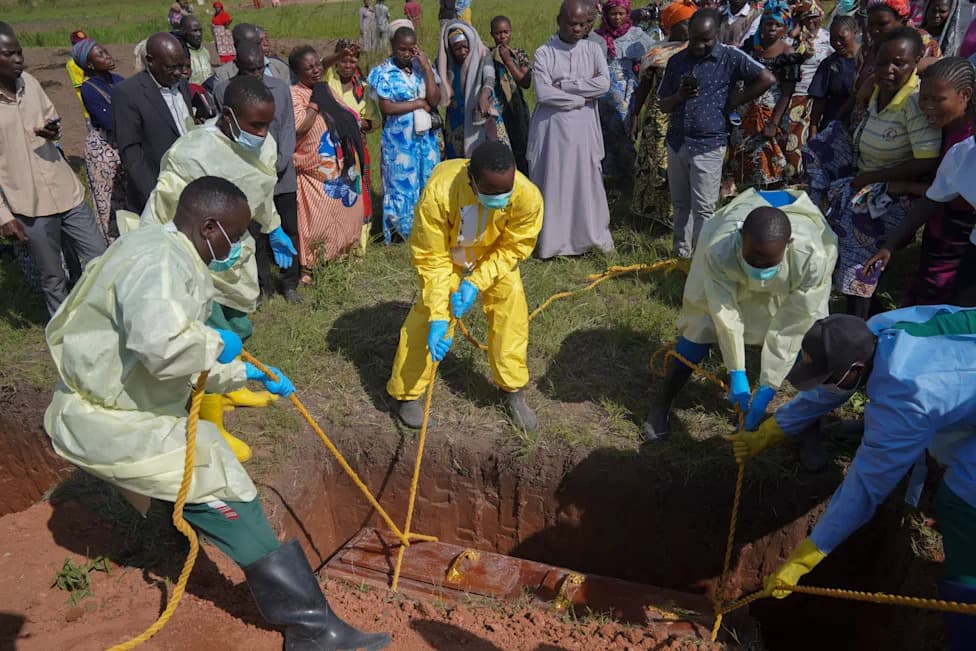
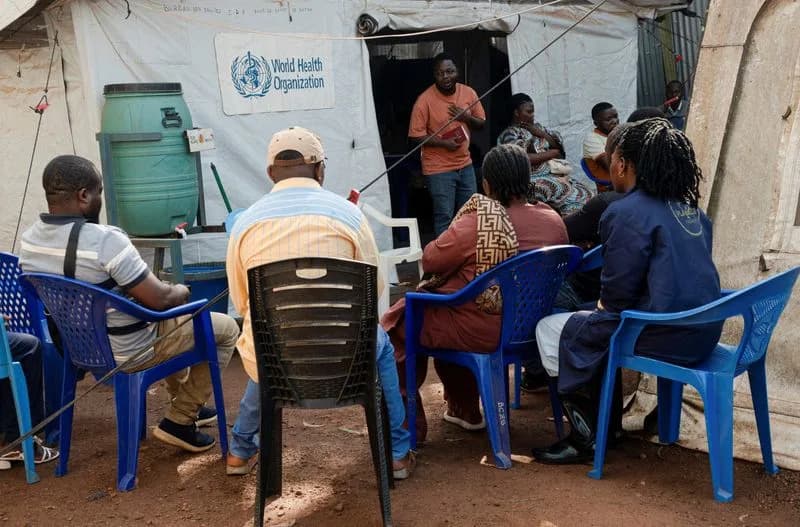
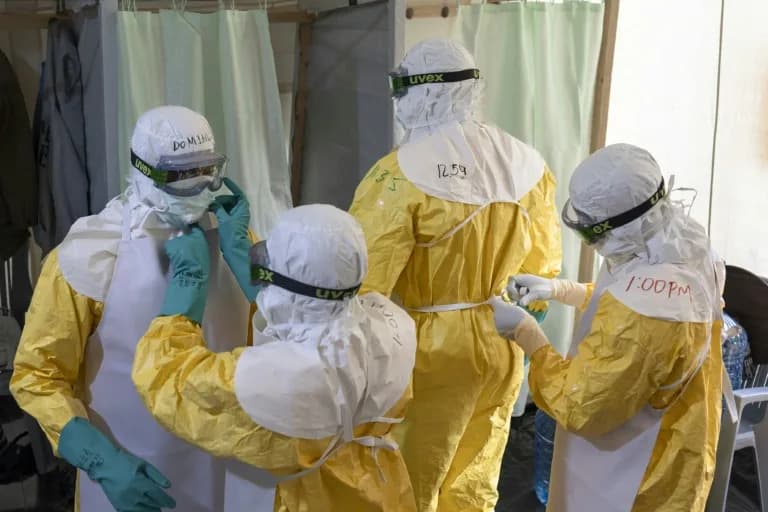
As of September 20, the DRC had reported more than 7,000 confirmed cases and roughly 3,600 deaths; authorities say the outbreak became the fastest-growing on record in August. The government has committed $50 million to the response, including $3 million earmarked for research, while international partners have mobilized hundreds of millions of dollars in additional support.
Suminwa stressed that continued and increased investment is needed to strengthen the national health system so similar outbreaks can be detected and managed earlier: "More resources are required so the health system can be strengthened and we don't have to face such outbreaks anymore."
Reporting by Adrian Elimian.
Help us improve.