Maine hospitals have cut spending on contract staff sharply since a 2022 peak, with projected contract labor costs of about $214 million this year versus $560 million at the height of the pandemic. Systems like MaineHealth, Northern Light and MaineGeneral cite recruitment of new graduates, residency programs and improved retention as reasons for the decline. Unions counter that poor working conditions — not a lack of licensed nurses — drive vacancies; national data show about 1.15 million licensed RNs are not currently practicing. Despite progress, hospitals still confront open positions, aging facilities and financial strain.
Maine Hospitals Cut Back on Costly Travel Nurses; Contract Spending Nears Pre‑Pandemic Levels
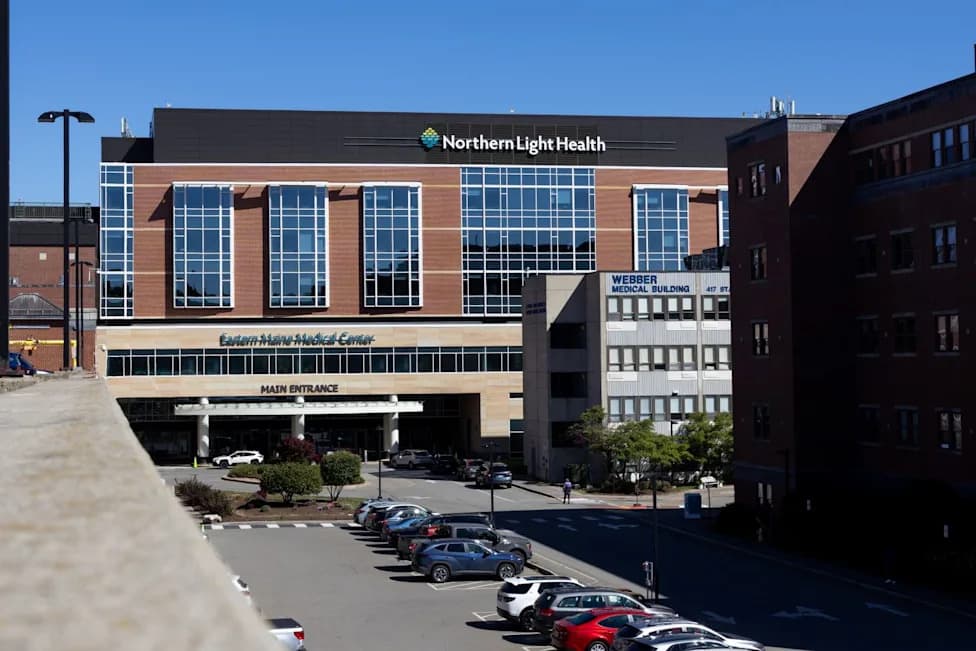
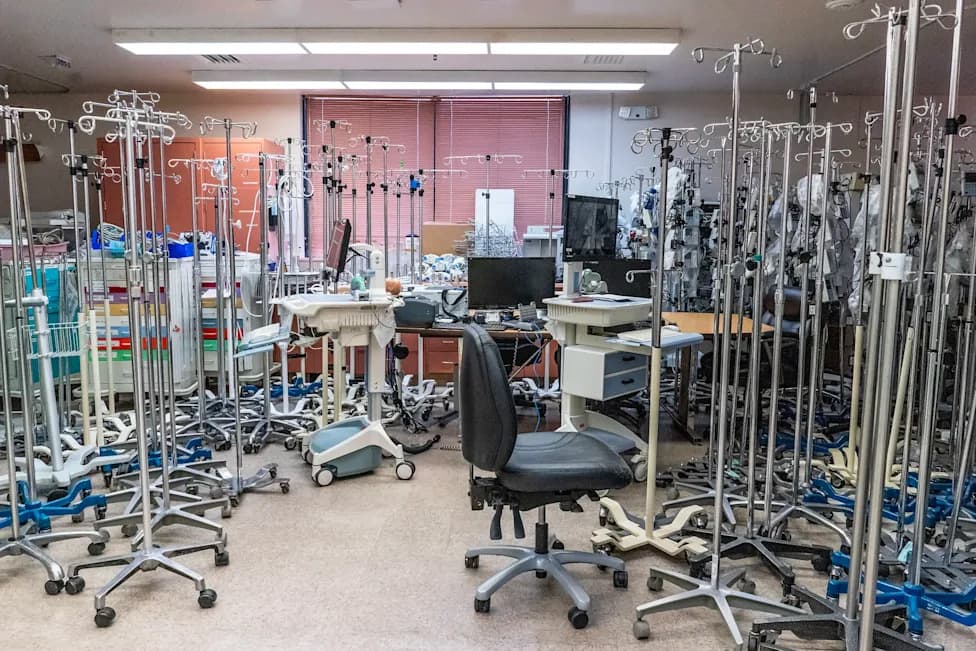
Northern Light Health employed more than 400 traveling staff — mostly registered nurses — across its system at the height of the pandemic. Four years later, the system has reduced that number to about 100 contract staff. Photo by John Forbes.
Maine hospitals have steadily reduced their reliance on expensive temporary staff — particularly travel nurses — and spending on contract labor is moving closer to pre-pandemic levels after peaking in 2022.
Spending Trends
The Maine Hospital Association, which represents 32 of the state's 34 hospitals, reports that member hospitals’ spending on contract staff fell each year after a 2022 high. In 2019, association hospitals spent nearly $99 million to hire about 535 contract staff. At the height of the pandemic that figure surged to roughly $560 million for nearly 2,200 temporary staff. This year, hospitals are projected to spend about $214 million on contract staffing — down sharply from the peak but still above an inflation‑adjusted “normal” of about $145 million.
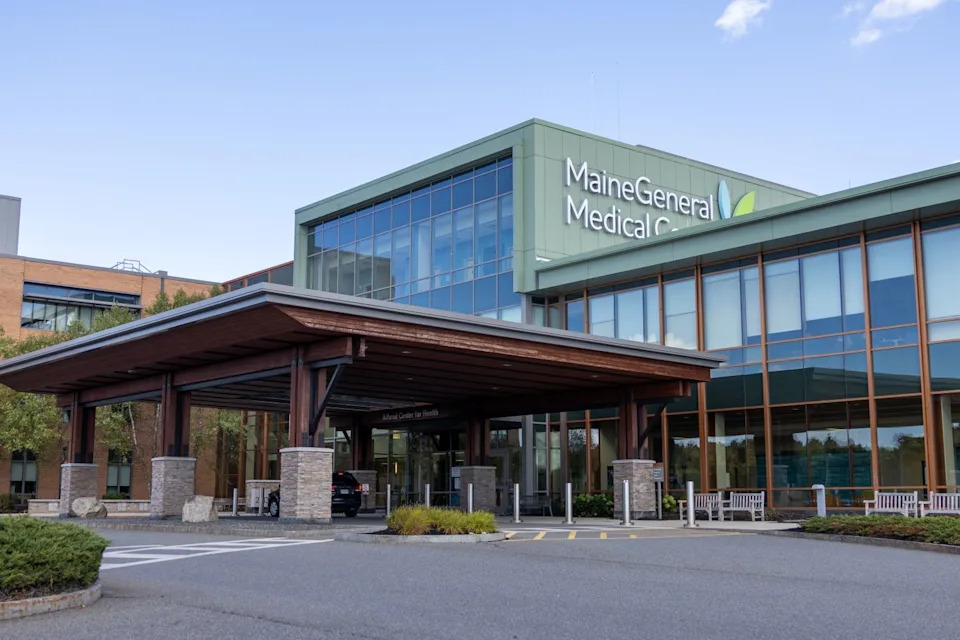
MaineGeneral spent less in 2025 on contract staff than they did before the pandemic. Photo by John Forbes.
Why Contract Staffing Surged
During the COVID emergency, third‑party staffing agencies capitalized on extreme demand for registered nurses. Travel and contract nurse pay rates rose dramatically — in some cases three to four times typical full‑time pay — prompting some staff to leave permanent roles to become contractors. As Jeffrey Austin, president of the Maine Hospital Association, put it:
“The system kind of broke during COVID. What was meant to be a surge protector or a temporary sub became normal staffing.”
For example, MaineGeneral Health reported paying contract registered nurses roughly $65 per hour pre‑pandemic; rates shot to about $250 per hour at the crisis peak, according to Chief Nursing Officer Jennifer Riggs.

Paul Bolin, executive vice president and chief people officer for Northern Light Health, at left, and James Rohrbaugh, executive vice president and chief financial officer, said Eastern Maine Medical Center is a vital part of Northern Light Health's core mission. Photo by Katherine Emery forThe Maine Monitor.
How Hospitals Responded
Hospitals used government pandemic assistance to cover extraordinary labor costs, then shifted strategies as emergency funding and surge demand eased. Systems prioritized recruiting new graduates, expanding residency programs, and improving retention with raises, incentives and targeted workforce initiatives.
- MaineHealth expects to spend about $117 million on contract staff this year — far less than its $283 million peak — and credits a nurse residency program with an 85% two‑year retention rate.
- Northern Light Health reduced traveling staff from more than 400 at the pandemic peak to roughly 100 and reports retention above 80%, up from about 75% in 2021.
- MaineGeneral says its temporary‑labor spending in 2025 was far below pandemic highs and even below some pre‑COVID levels, although expanding the nursing pipeline requires increasing nursing‑school capacity.
Union Perspective and Workforce Data
Nurse unions argue the problem isn’t a shortage of licensed nurses but a shortage of safe, sustainable working conditions that retain staff. National Nurses United and state partners cite May 2025 data indicating about 1.15 million U.S. registered nurses hold active licenses but are not practicing. In Maine, state and federal records show roughly 29,000 RNs held active licenses last fiscal year, but only about 16,540 were working as nurses.
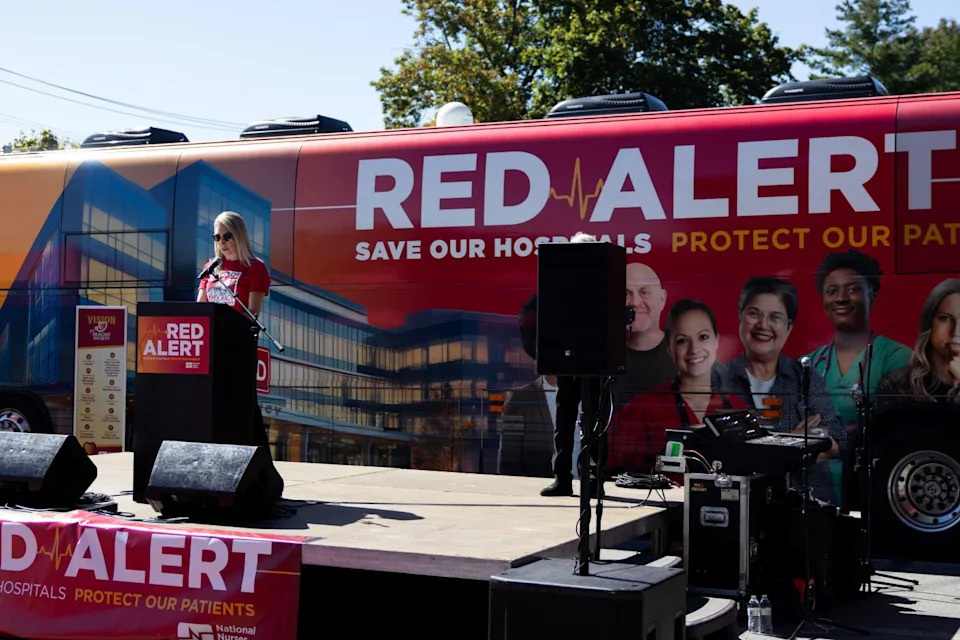
Maine State Nurses Association Co-President Erin Oberson addresses the crowd at a protest in Bangor on Sept. 19, 2026, against recent federal health care cuts. Photo by John Forbes.
Unions and some nurse leaders say better staffing and improved workplace conditions — more than higher pay alone — would most encourage many of those licensed nurses to return to practice.
Policy, Financial Strain and Remaining Challenges
Efforts to legislate staffing ratios also surfaced: Sen. Stacy Brenner’s 2023 Maine Quality Care Act (L.D. 1639) would have set mandatory nurse‑to‑patient ratios; the bill passed the Senate but stalled in the House amid opposition from hospital groups concerned about cost and operational impacts.
Hospitals still face open positions, aging facilities and financial strain despite the reductions in contract spending. Some systems have trimmed roles due to higher supply and labor costs and reimbursement gaps; a sizable share of those cuts were unfilled positions. Nurse leaders continue to press hospitals for a stronger role in workforce decisions.
Outlook
Contract staffing costs in Maine are well below their pandemic peak, signaling progress, but they remain elevated versus historical norms. Continued investments in training pipelines, retention programs and workplace improvements will determine whether hospitals can sustain lower spend on temporary staff while maintaining quality care.
Help us improve.