Russia's plan to open 15 polling stations in the breakaway Transdniestria region has provoked a diplomatic dispute with Moldova ahead of the State Duma election. Chisinau disputes Moscow's claim that 220,000 Transdniestria residents hold Russian passports and insists voting should be limited to the Russian embassy in Chisinau. The row has prompted strong statements from both sides and highlights wider tensions over sovereignty and Russia's military presence in the unrecognised territory.
Diplomatic Row Over Russian Polling Stations in Breakaway Transdniestria Ahead of State Duma Vote
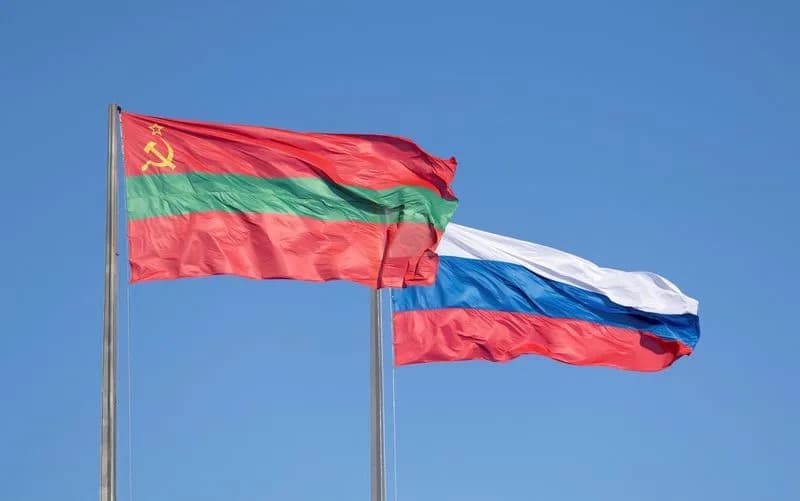
FILE PHOTO: Flags of Transdniestria and Russia fly in a square in Tiraspol, Moldova's breakaway region of Transdniestria, January 4, 2025. REUTERS/Vladislav Bachev/File Photo
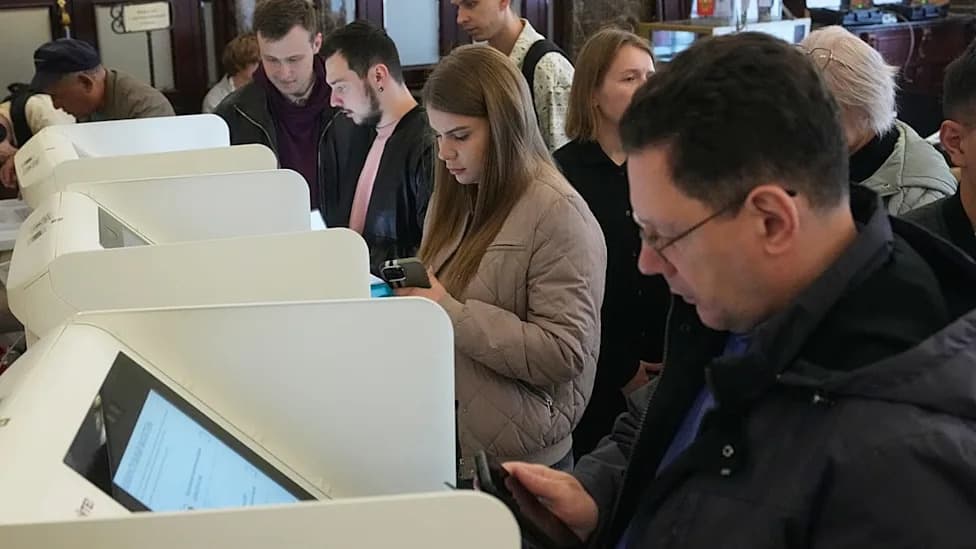
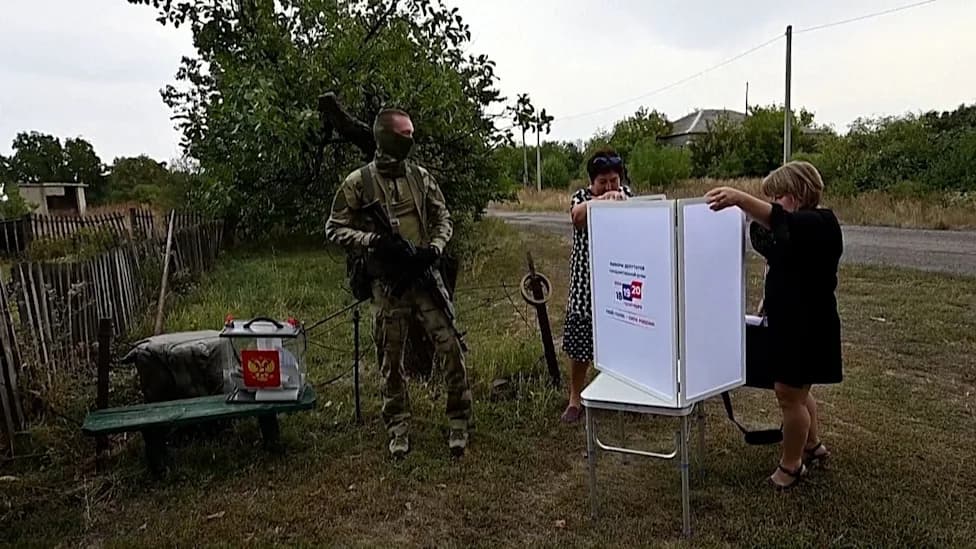
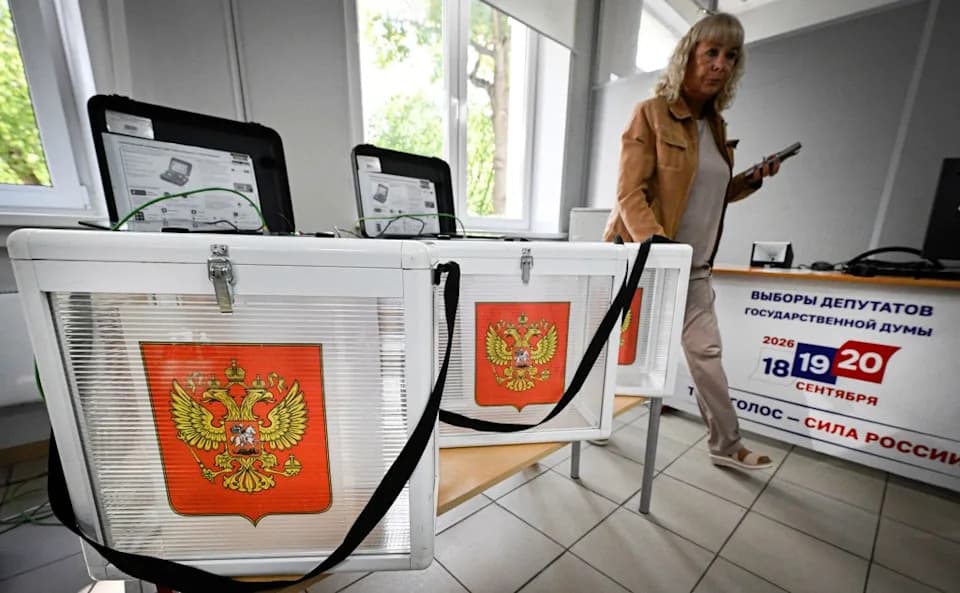
Chisinau, Sept 19 — Russia's parliamentary election has sparked a diplomatic dispute after Moscow announced plans to open 15 polling stations for Russian citizens in the breakaway Transdniestria region ahead of Sunday's State Duma vote.
Moscow says about 220,000 residents of pro‑Russian Transdniestria — a narrow strip of territory that broke away from Moldova in 1990 at the end of Soviet rule — hold Russian passports and are therefore entitled to vote. Moldova disputes that figure and says voting for Russian nationals should be confined to a single polling station at the Russian embassy in Chisinau.
Positions and Reactions
The pro‑Western Moldovan government, which aims to join the European Union by 2030 and has condemned Russia's war in Ukraine, opposes any polling stations inside Transdniestria, arguing it has no control over electoral procedures there. Moldovan authorities described Moscow's plan for 15 polling stations as 'unacceptable and hostile' and summoned Russian ambassador Oleg Ozerov to the Foreign Ministry.
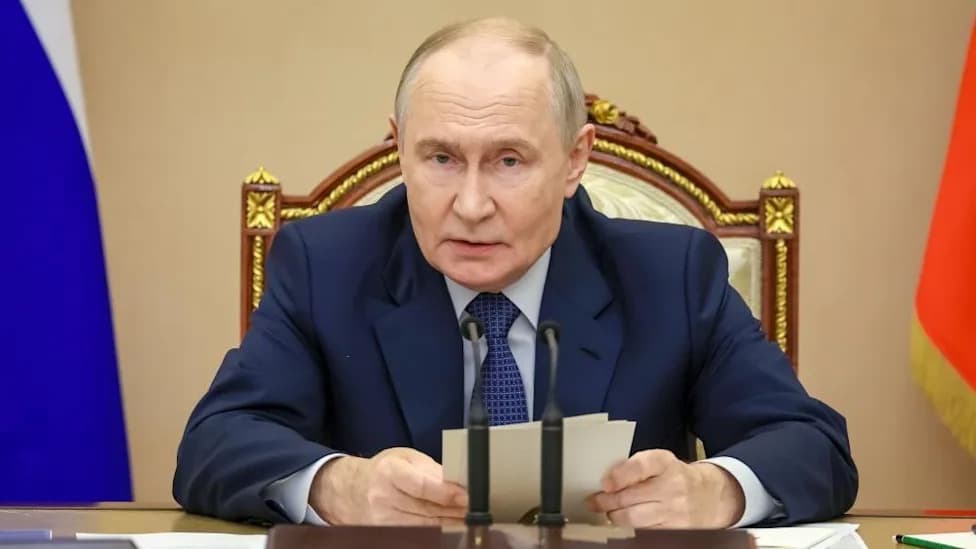
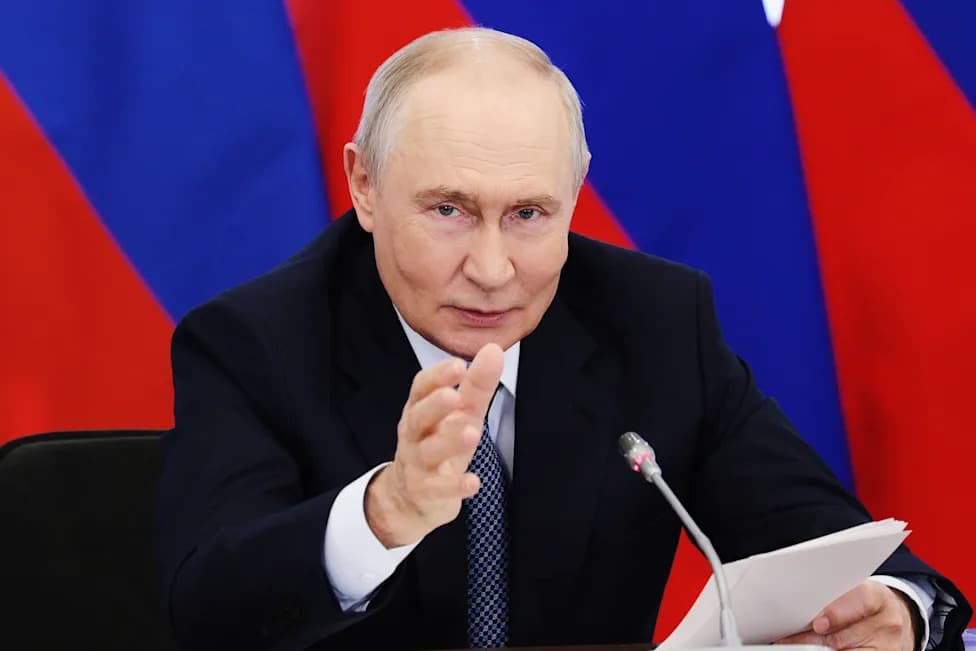
Russian Foreign Ministry spokeswoman Maria Zakharova urged Moldova to drop its objections and to halt actions she said 'run against democracy, international law and common sense.' Moldovan Foreign Minister Mihail Popsoi told Moscow not to interfere with Chisinau's plans for the peaceful reintegration of the breakaway territory.
Context and Significance
In the last Russian parliamentary election in 2021, Moscow opened 27 polling stations in Transdniestria; more than 59,000 people cast ballots there, and 76.2% backed the United Russia party that supports President Vladimir Putin. Transdniestria is not internationally recognised, not even by Moscow, although a contingent of around 1,500 Russian troops — sometimes described by Russia as peacekeepers — remains stationed in the region despite Moldovan demands for their withdrawal.
The dispute underscores broader tensions between Russia and Moldova over sovereignty, electoral jurisdiction and Russia's influence in the region. Observers say the clash could complicate already strained relations and highlights the sensitive interaction of citizenship claims, unrecognised territories and international law.
Help us improve.