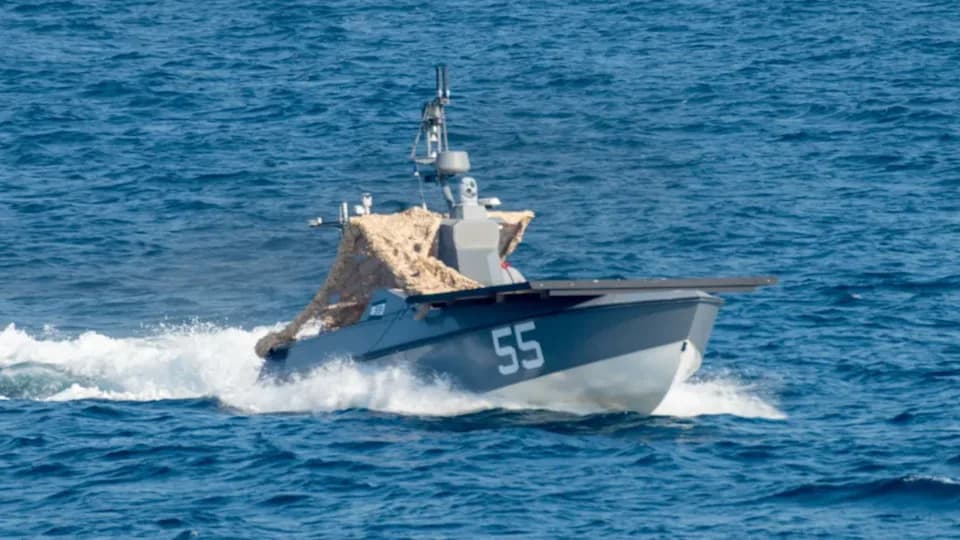
The Skorlupa is a low-cost Russian uncrewed surface vessel built from water-repellent plywood that can be assembled in about four hours and packed ten to a GAZelle van. Developer claims include a 200 km range, 250 kg payload and capacity to carry up to four fiber-optic aerial drones. The system uses a physical fiber-optic control link to avoid RF emissions, making it resistant to jamming according to its makers. Production is said to be possible in ordinary furniture factories at roughly one-fifth the price of typical naval drones.
Russia’s DIY Naval Drone: Ten Plywood Skorlupa Boats Fit In One Van, Assembled In Four Hours
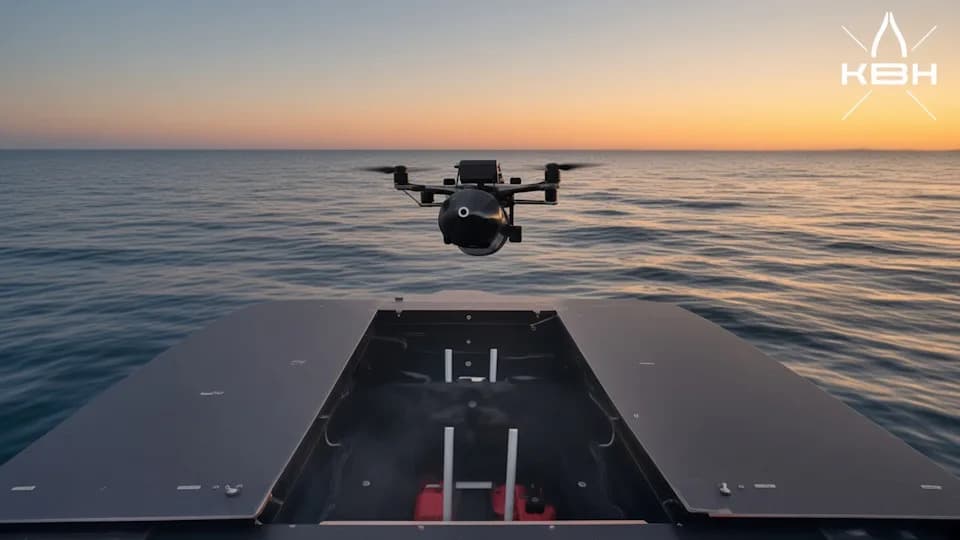
Credit: www1.ru
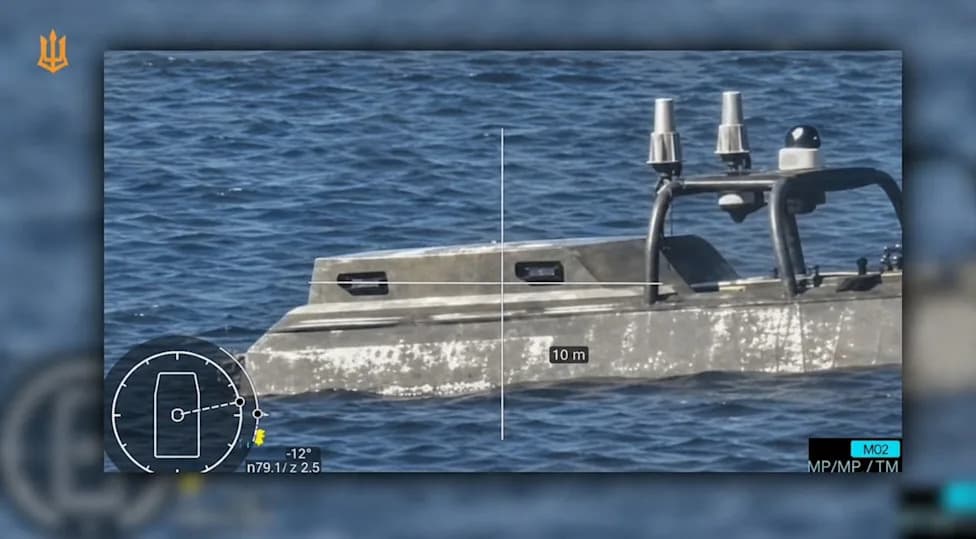
Russia’s Scientific and Production Center Ushkuynik has published new specifications for the Skorlupa, a low-cost uncrewed surface vessel designed for mass production, extreme portability and minimal electronic signature.
Design, Production and Cost
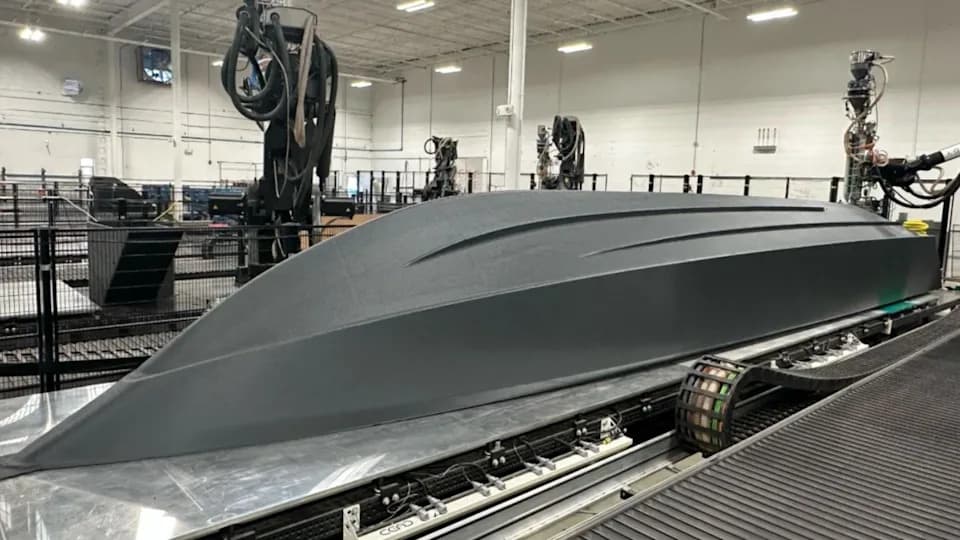
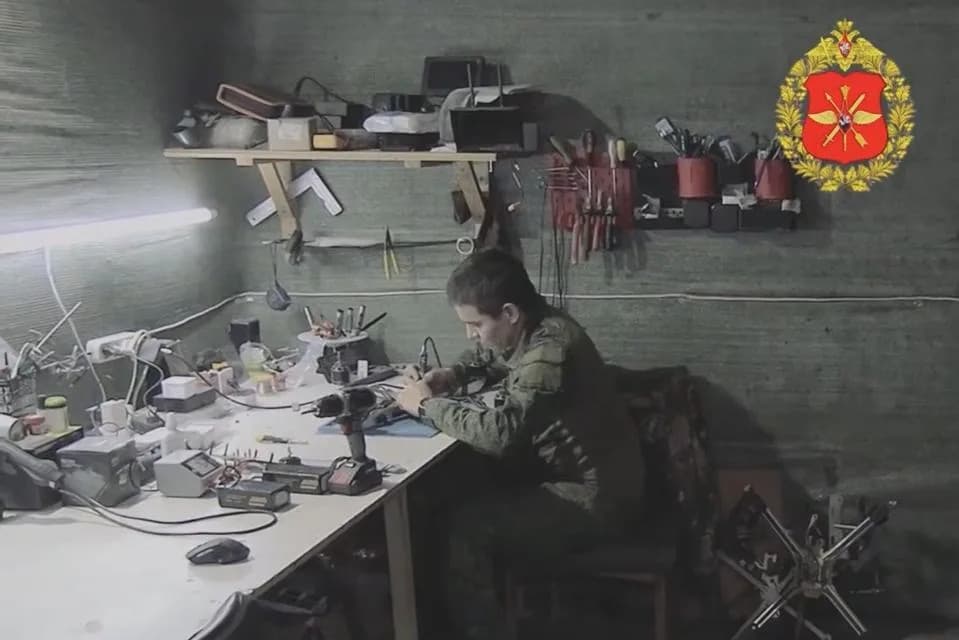
According to a report quoting company CEO Alexey Chadayev, ten disassembled Skorlupa hulls can be packed into the cargo bed of a single GAZelle light van. Each hull is reportedly assembled in about four hours using a cordless screwdriver. The hulls are cut from water-repellent plywood, which developers say allows manufacture in ordinary furniture factories and reduces the unit cost to roughly one-fifth that of a conventional naval drone.
Capabilities and Roles
Ushkuynik’s figures claim a maximum range of about 200 km and a payload capacity of up to 250 kg. The vessel is said to support up to four communication modules and can carry as many as four fiber-optic aerial drones stored beneath a folding deck skin.
That arrangement enables two principal roles: as a one-way strike boat delivering explosives against maritime targets, or as a "mothership" that launches and controls multiple fiber-optic drones for reconnaissance or attack missions.
Command Link And Countermeasure Implications
A notable feature is the use of a physical fiber-optic control cable rather than radio frequency telemetry. Developers argue this non-emitting link makes the craft and its carried drones resistant to radio jamming and more difficult to detect using standard signals intelligence techniques. Independent verification of performance and operational results has not been published.
In an interview cited by Rossiyskaya Gazeta, Alexey Chadayev said the craft could be manufactured in simple workshops and suggested: With a Skorlupa like this, you can wreck any seaport without missiles.
Context
The announcement comes amid ongoing innovation in the Russia-Ukraine conflict, where both sides have increasingly relied on low-cost, autonomous and remotely operated systems to reduce risk to personnel and stretch procurement budgets. The Skorlupa concept emphasizes practicality, cheap production and deployability from civilian logistics such as vans and non-military factories.
Caveat: Many of the performance figures are developer claims; independent testing and battlefield performance remain unverified in public sources.
Help us improve.