Video (Sept. 6, 2026): A Russian Ministry of Defense clip shows the 268th Self-Propelled Artillery Regiment operating a workshop repurposed to repair and prototype tactical drones. Using six FlashForge desktop 3D printers, teams produce adapters and components—notably for fiber-optic FPV conversions—to speed frontline fixes and testing. The workshops accelerate local adaptation but depend on commercial parts and lack the scale and specialist engineering talent behind some Ukrainian innovations.
From Gun Pits to 3D Printers: Russia Repurposes Artillery Maintenance Crews as Frontline Drone Innovation Teams
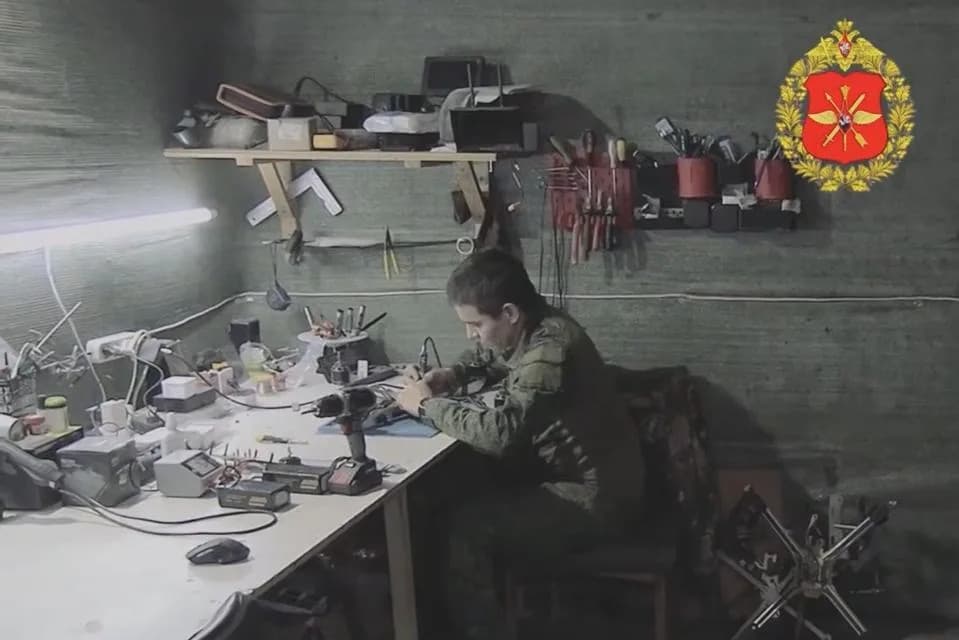
Image captured from a video posted by the Russian Ministry of Defense on Telegram on September 6, 2026. The video showed a maintenance team from the 268th Self-Propelled Artillery Regiment that had been repurposed to restore and upgrade drones.Social Media Capture
A video posted by the Russian Ministry of Defense on Telegram on September 6, 2026, shows soldiers from the 268th Self-Propelled Artillery Regiment working in a workshop that has been repurposed to repair, modify and upgrade tactical drones. The footage illustrates a broader shift inside the Russian military: artillery and armor maintenance units are being reassigned to provide hands-on technical support and rapid prototyping for frontline drone units.
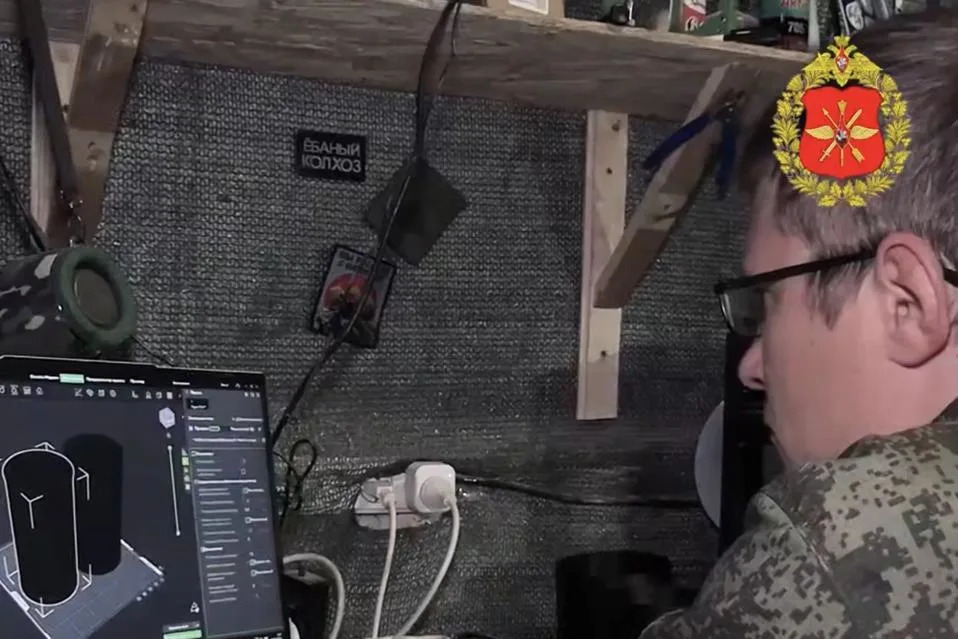
Image captured from a video posted by the Russian Ministry of Defense on Telegram on September 6, 2026. The video showed a maintenance team from the 268th Self-Propelled Artillery Regiment that had been repurposed to restore and upgrade drones.
How the Teams Work
Mission: According to the video and interviewed personnel, these teams are embedded with regiment drone units to accelerate tactical-level innovation. Rather than waiting on formal procurement channels or relying on ad hoc in-unit fixes, frontline operators can request modifications that the technical teams design, print, and deliver for immediate field testing.
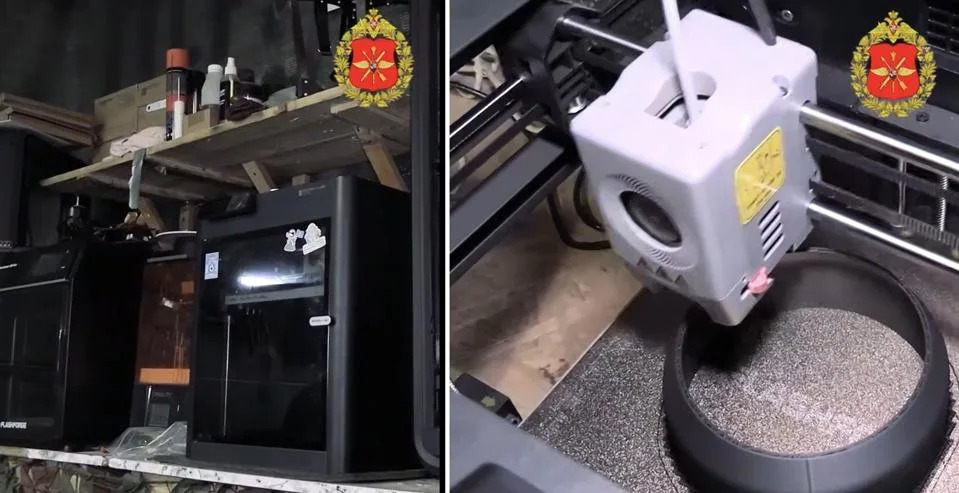
Images captured from a video posted by the Russian Ministry of Defense on Telegram on September 6, 2026. The video showed a maintenance team from the 268th Self-Propelled Artillery Regiment that had been repurposed to restore and upgrade drones. These images show a desktop FlashForge 3D Printer (left) printing out a casing for a fiber optic reel (right).
Workshop Capabilities
The workshop shown in the footage centers on rapid prototyping using desktop 3D printers. Reportedly six FlashForge printers run continuously to produce specialized adapters, housings and small mechanical parts from thermoplastics such as PLA, ABS and PETG. Soldiers are shown preparing CAD designs, printing parts and fitting them to off-the-shelf drone components.
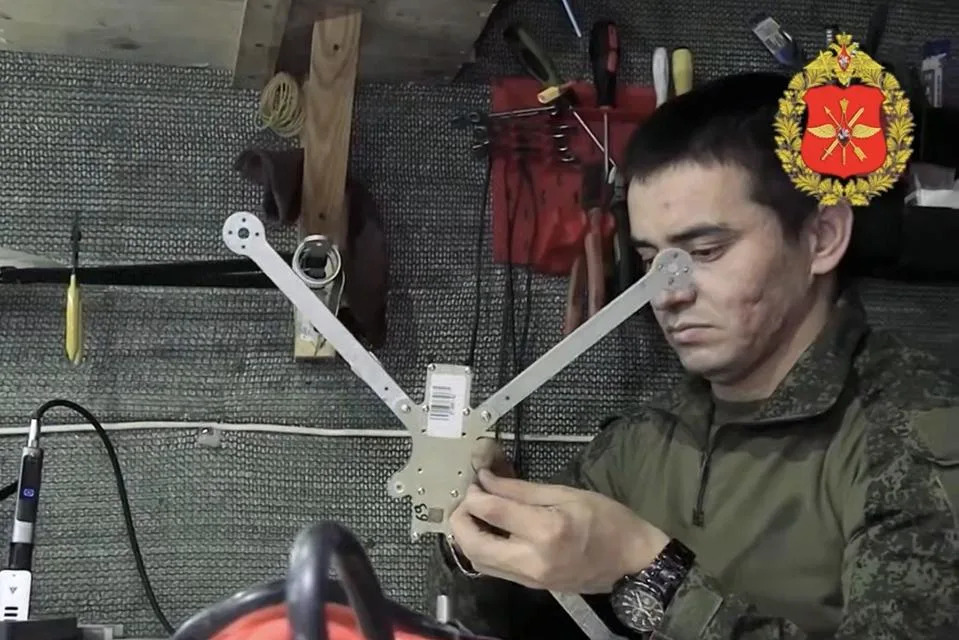
Image captured from a video posted by the Russian Ministry of Defense on Telegram on September 6, 2026. The video showed a maintenance team from the 268th Self-Propelled Artillery Regiment that had been repurposed to restore and upgrade drones.
Fiber-Optic FPV Focus
A prominent theme in the video is work on fiber-optic FPV drones. The workshop includes equipment for spooling fiber-optic cable and printing casings for fiber reels, indicating an effort to convert radio-controlled FPV platforms to fiber-optic control systems. Fiber-optic links reduce vulnerability to electronic warfare that can jam conventional radio links, making them attractive for contested battlefields.
Limitations And Role
While useful for rapid iteration, the facility shown appears limited in scale. Six desktop printers can produce only a modest number of parts daily, and printed pieces still must be combined with commercial electronics, motors and optics. The workshop relies on prefabricated drones and off-the-shelf components rather than full in-house drone manufacturing. As a result, its primary value lies in fast, localized adaptation rather than mass production.
Personnel And Comparative Advantage
Repurposing artillery and armor maintenance personnel provides a ready pool of technicians skilled in electronics repair, fabrication and diagnostics—skills directly applicable to tactical drone work. However, many Ukrainian drone innovations have come from developers with software, robotics and engineering backgrounds. Russia's model—built around maintenance crews—may be particularly effective at modifying and fielding existing systems quickly but could struggle to produce fundamentally new hardware or advanced software at the same pace.
Strategic Implications
This initiative reflects a wider lesson of modern conflict: operational advantage increasingly depends on rapid cycles of problem identification, prototyping, testing and dissemination. By moving technical teams closer to the front, Russia aims to shorten the loop between battlefield need and technical response. If scaled into a network of similar workshops, these units could speed the spread of successful local fixes across formations, even if they do not themselves generate large-scale production.
Image notes: The footage was posted on Telegram by the Russian Ministry of Defense on Sept. 6, 2026, and shows the 268th Self-Propelled Artillery Regiment personnel operating FlashForge desktop printers and spooling fiber-optic cable.
Help us improve.