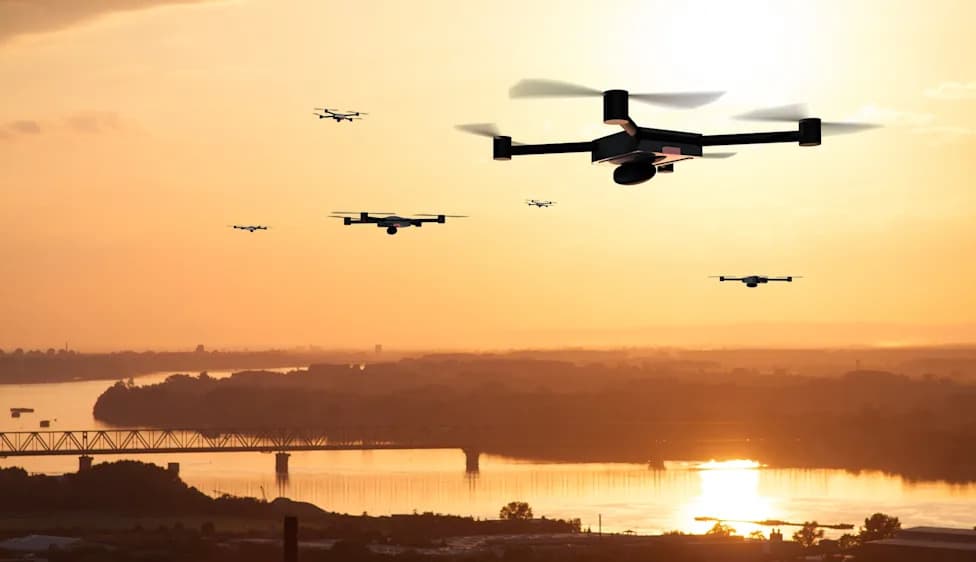
Beijing has banned the possession and storage of drones inside the city, forcing owners to dispose of devices by 15 November. Authorities set up authorised buy-back centres offering a 30% subsidy (up to 3,000 yuan) before 31 October and 15% until 14 November; recycling pays 200 yuan or owners can ship drones out of the city free. Queues and police presence have been reported, with some owners accepting the safety rationale and others complaining of heavy financial losses as resale prices plunged.
Beijing Drone Possession Ban Triggers Rush to Sell — Queues, Subsidies and Angry Owners
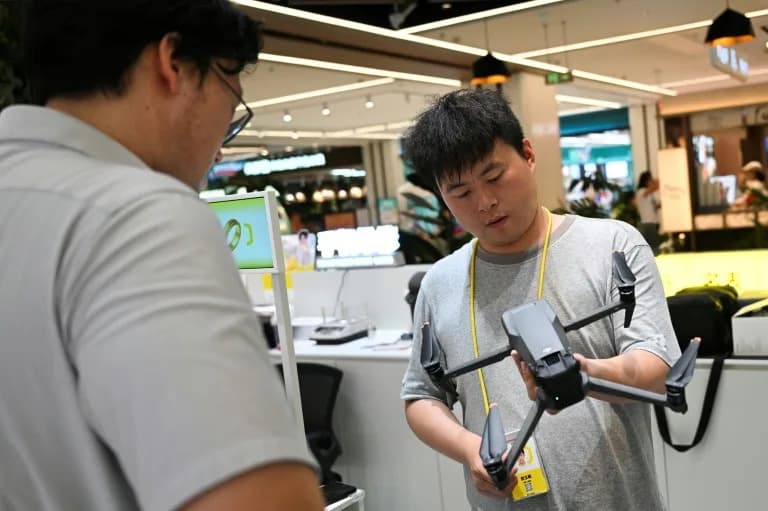
At buy-back sites sites across the Chinese capital, queues of people waited for staff to appraise their drones (Pedro PARDO)
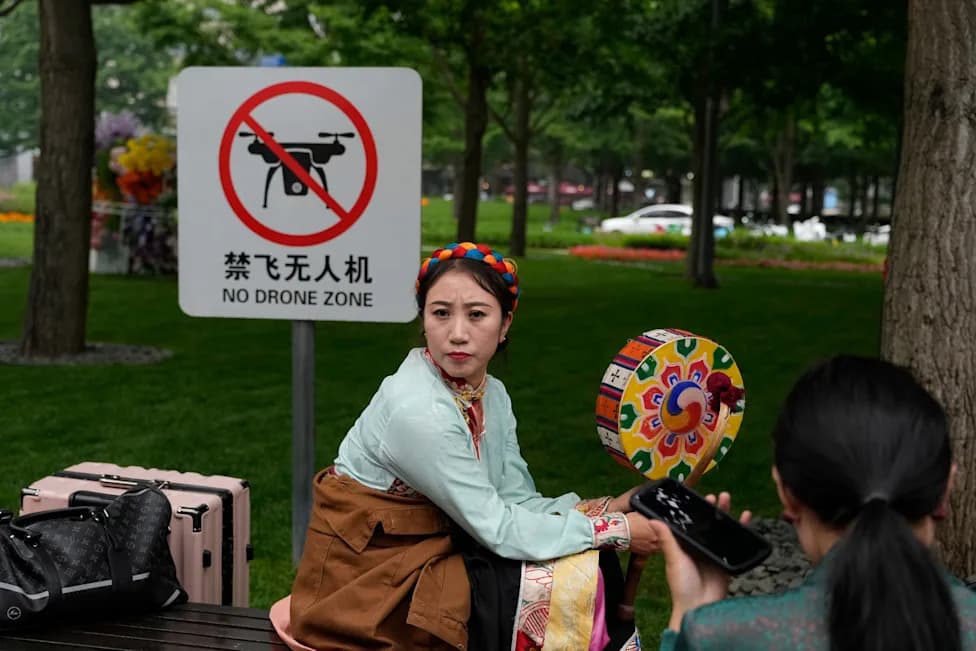
Drone owners across Beijing flocked to authorised buy-back centres this week as the city prepares to ban not only the flying of unmanned aerial vehicles but also their possession and storage. Residents have until 15 November to dispose of devices under the new rules.
At several approved collection points AFP reporters saw long queues as staff appraised devices and negotiated prices. A visible police presence at all buy-back sites underscored the sensitivity of the new regulations, and many people declined to speak.
At the flagship Beijing store of the world’s largest drone maker, DJI, about a dozen customers waited on a Thursday morning hoping for a reasonable resale. Under the city scheme, owners can sell at authorised points and receive a government subsidy of 30% of the resale value (capped at 3,000 yuan) if completed before 31 October, and 15% until 14 November. Alternatives include recycling for a 200-yuan payment or shipping devices out of Beijing free of charge.
Some owners welcomed the move. A 48-year-old surnamed Wu said he understood the need to manage low-altitude airspace and felt reassured by the buy-back option. He bought his drone six years ago for about 6,000 yuan and said a preliminary estimate on the official resale app put his expected return at roughly 1,000 yuan.
“I think the ban is reasonable. I can understand why the government wants to ensure safety and manage the airspace,” Wu told AFP. “After all, Beijing is the capital.”
Others were furious. A 60-year-old hobbyist, identified as Zhu, called the buy-back scheme “robbery,” saying he had already sold five drones back and lost thousands compared with his original purchase prices. Zhu and other sellers blamed the surge of trade-ins for driving resale prices down by as much as 40%.
Beijing cited airspace safety concerns when announcing the ban. In June, a light aircraft struck the capital’s tallest building, killing the pilot and injuring 13 people; the crash briefly disrupted flights to one of Beijing’s international airports and appears to have accelerated official moves to tighten control over low-altitude airspace. The municipal government said the ban was needed to “safeguard the security of the capital.”
The city also abruptly cancelled a planned “low-altitude” expo, citing control measures. Online, many Beijingers posted farewells to their drone collections. One Xiaohongshu user wrote: “There’s nothing I can do, thanks for your company. I hope you can keep roaming the skies in the future.”
It is unclear how many devices inside Beijing will be affected. Nationwide, the Civil Aviation Administration reported 3.285 million registered drones at the end of 2025, though registration of ownership is not required in most parts of China.
What To Watch: How quickly prices stabilise at buy-back points; whether the national policy is extended beyond Beijing; and how owners outside the capital respond to offers of free shipping or recycling.
Help us improve.