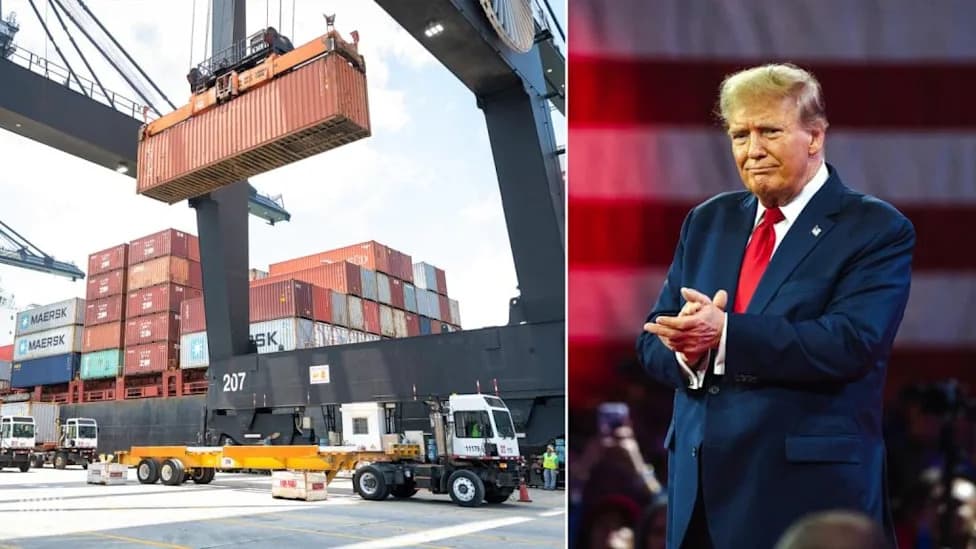
Mexican President Claudia Sheinbaum said her government is pressing to finalize a bilateral trade deal with the United States after a productive phone call with President Donald Trump. Officials are racing to complete terms before the Nov. 3 midterm elections, though no formal deadline exists. Mexico will push for cuts to U.S. tariffs on steel, aluminum and cars; the negotiations follow the recent collapse of U.S.-Canada talks and a resulting tariff dispute.
Sheinbaum: Mexico Racing to Seal Trade Deal With Trump Ahead of U.S. Midterms
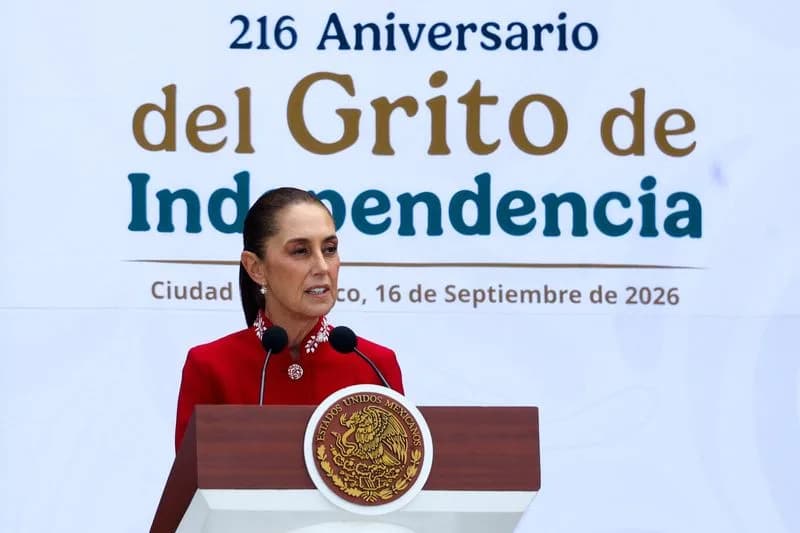
Mexico's President Claudia Sheinbaum delivers a speech on the day of the Independence Day parade in Mexico City, Mexico, September 16, 2026. REUTERS/Daniel Becerril
MEXICO CITY, Sept 18 (Reuters) — Mexican President Claudia Sheinbaum said on Friday her administration is doing everything within the bounds of sovereignty and respect to secure a bilateral trade agreement with the United States soon, following what she described as a "very good" telephone call with U.S. counterpart Donald Trump earlier in the week.
"We are doing everything we can, within the framework of sovereignty, respect, and what is best for Mexico, to reach a deal soon," Sheinbaum said. "Wednesday's call with President Trump was very good and some understandings were reached."
Sheinbaum did not provide further details but told reporters during her daily news conference that "progress is being made" toward a potential deal. Officials in Washington and Mexico City are working to finalise terms ahead of the Nov. 3 U.S. midterm elections, although no formal deadline exists.
Political Stakes
Sealing an agreement before the midterms would provide both leaders with a high-profile achievement to present to domestic audiences: U.S. Republicans risk losing control of Congress, and Mexico faces its own political and economic pressures. Those incentives have helped accelerate talks in recent days.
Negotiation Priorities
Mexico has said it will press for reductions in U.S. tariffs on Mexican steel, aluminum and cars. The renewed push for a bilateral accord comes after the collapse of U.S.-Canada trade talks last month, which spiraled into a tit-for-tat tariff dispute.
Officials have indicated momentum but declined to disclose specific concessions, timelines or enforcement mechanisms. Observers say any final deal will likely hinge on tariff rollbacks and clear safeguards to protect sensitive industries on both sides.
(Reporting by Raul Cortes and Aida Pelaez-Fernandez; Editing by Kylie Madry, Anthony Esposito and Andrea Ricci)
Help us improve.