The Second Circuit held that border officers may manually inspect travelers' cellphones without a warrant or individualized suspicion, ruling that phones can be treated as routine personal property during border searches. The majority opinion was written by Judge Steven J. Menashi and joined by another judge, while Judge Eunice C. Lee concurred with serious reservations about privacy implications. The case arose after a green card holder's phone search at JFK produced evidence used to convict him of fraud and money laundering. The court limited its decision to manual searches and left open whether forensic data extractions require stronger constitutional protection.
Appeals Court Says Border Agents May Manually Search Travelers’ Phones Without A Warrant — Privacy Concerns Raised
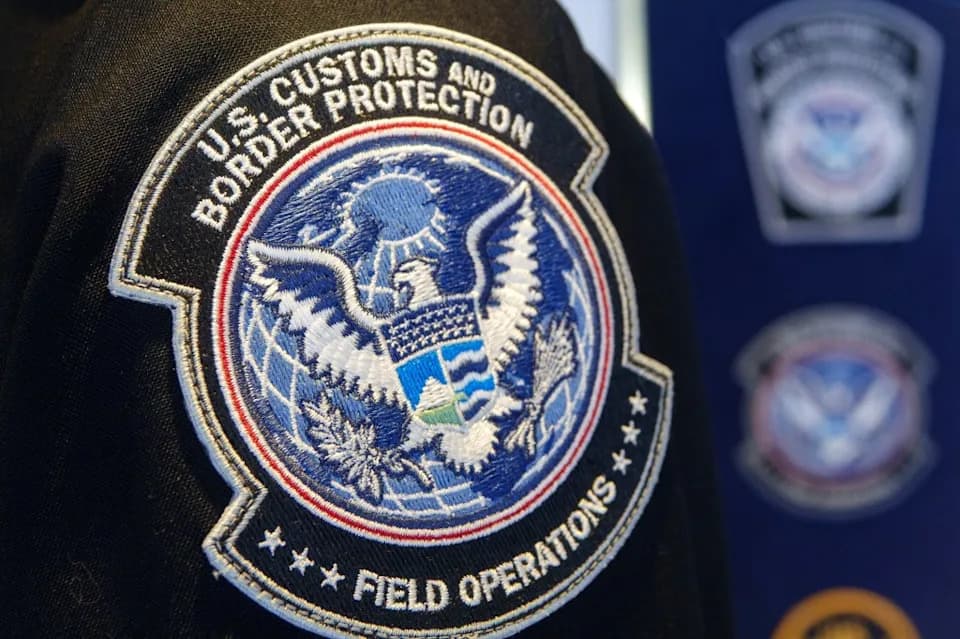
A U.S. Customs and Border Protection patch is displayed at the Department of Homeland Security U.S. Customs and Border Protection headquarters on August 8, 2026, in Washington, DC.
An Appeals Court panel on Thursday held that officers working at U.S. border checkpoints — including airports and land crossings — may manually examine travelers' cellphones without a warrant, probable cause, or individualized reasonable suspicion. The ruling stems from a search at John F. Kennedy International Airport that produced evidence used in a conviction for bank fraud and money laundering.
Case and Ruling: The majority opinion was written by Judge Steven J. Menashi, a Trump appointee, and was joined by a Biden appointee. Judge Eunice C. Lee, also a Biden appointee, issued a separate concurrence expressing serious reservations about the broader constitutional implications of treating smartphones like ordinary luggage for border-search purposes.
The panel concluded that cellphones carried across the border may be treated as personal property subject to routine searches, allowing officers to manually browse content without first obtaining a warrant or demonstrating individualized suspicion. The court declined to extend the U.S. Supreme Court's 2014 decision in Riley v. California — which generally requires a warrant to search a phone incident to arrest — to searches made at the border.
Facts: Plaintiff Chinwendu Alisigwe, a lawful permanent resident, had his phone searched at JFK. Agents found evidence on the device that was used to convict him on bank fraud and money laundering charges. All three judges agreed Alisigwe's conviction should stand, but they differed sharply on how far the court's reasoning should reach.
Concerns and Dissenting Views: In her concurrence, Judge Lee warned that modern smartphones store vast quantities of intensely personal data — medical records, financial information, private communications and detailed location histories — and argued that treating phones the same as suitcases risks unprecedented intrusions into privacy and press freedom.
Advocates including the Knight First Amendment Institute and the Reporters Committee for Freedom of the Press argued that device searches can expose journalists' confidential sources and other sensitive information. The Second Circuit rejected the claim that the First Amendment creates a special warrant requirement for electronic devices at the border, saying that singling out electronics would be inconsistent with established border-search law.
Scope and Unresolved Questions: The judges limited their decision to manual, on-the-spot device inspections and expressly avoided ruling on advanced forensic extractions that fully copy or recover deleted data. That unresolved question — whether deeper, forensic searches of phones should require reasonable suspicion or a warrant — remains likely to draw further litigation nationwide.
Context: U.S. Customs and Border Protection (CBP) data show officers have conducted thousands of manual device searches annually in recent years, and the agency has faced repeated legal challenges over the practice. Civil liberties groups warn the ruling could affect millions of international travelers, including U.S. citizens, green card holders, journalists, attorneys and others who carry sensitive information on their devices.
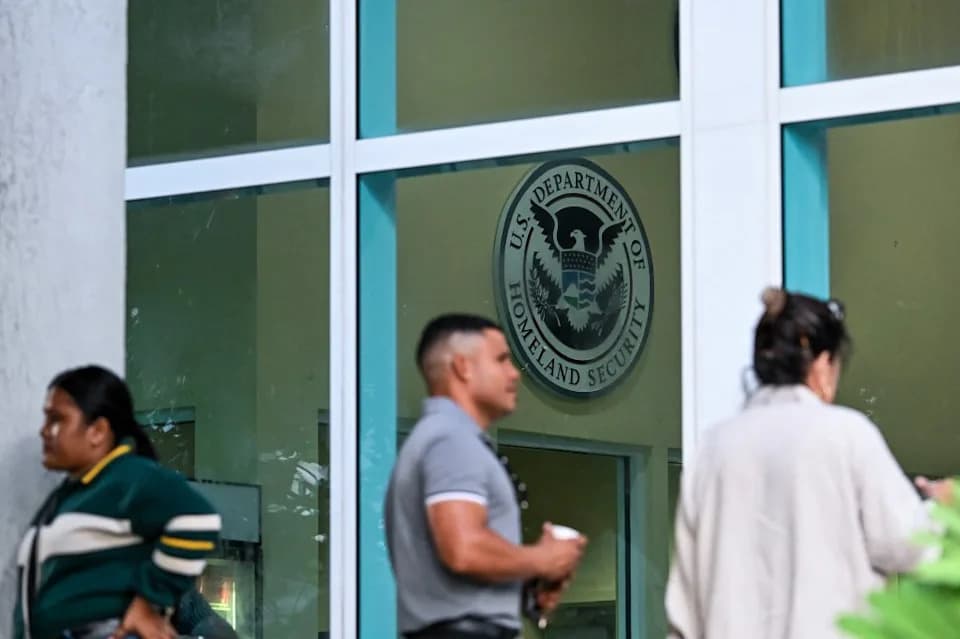
News organizations reached out to the Department of Homeland Security for comment. The decision is expected to be closely watched and may prompt additional appeals and litigation over the constitutional protections that apply to electronic devices at the border.
Help us improve.