Viral footage captures a seiche — a standing wave that can make enclosed waterways suddenly deadly. NOAA defines a seiche as a standing wave oscillating in a body of water; triggers include strong winds, rapid pressure changes, earthquakes and storm fronts. These oscillations can last hours or days; an 1844 Lake Erie seiche reached 22 feet and killed 78 people. If water is oscillating or behaving strangely, get out and call for professional help.
Viral Video: Deadly 'Seiche' Turns Harbor Into a Death Trap — How To Stay Safe
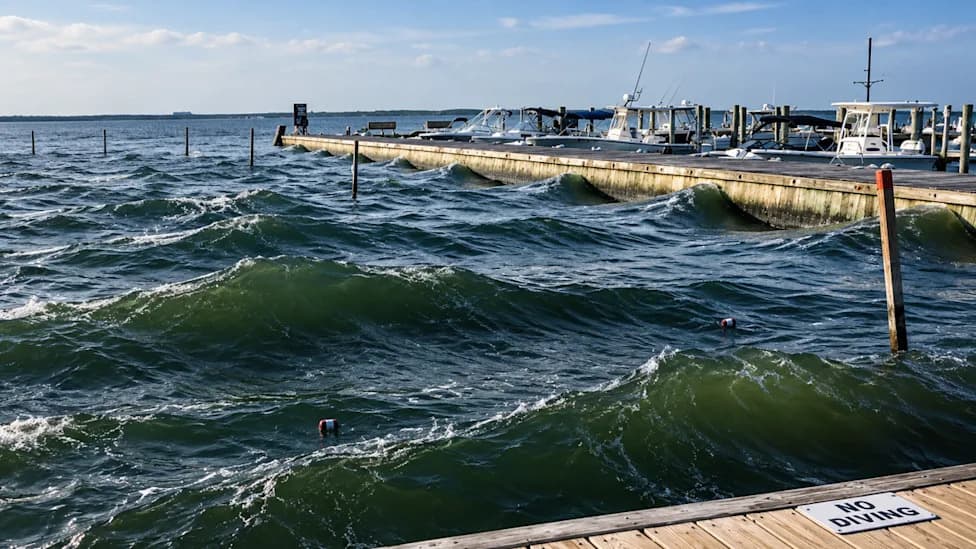
Terrifying ‘Standing Wave’ Turns Harbor Into Death Trap (Video)
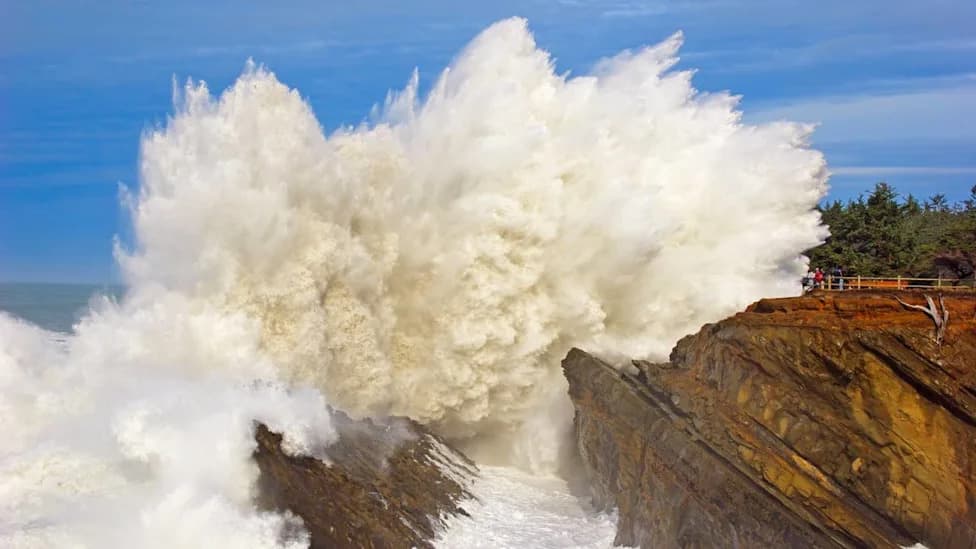
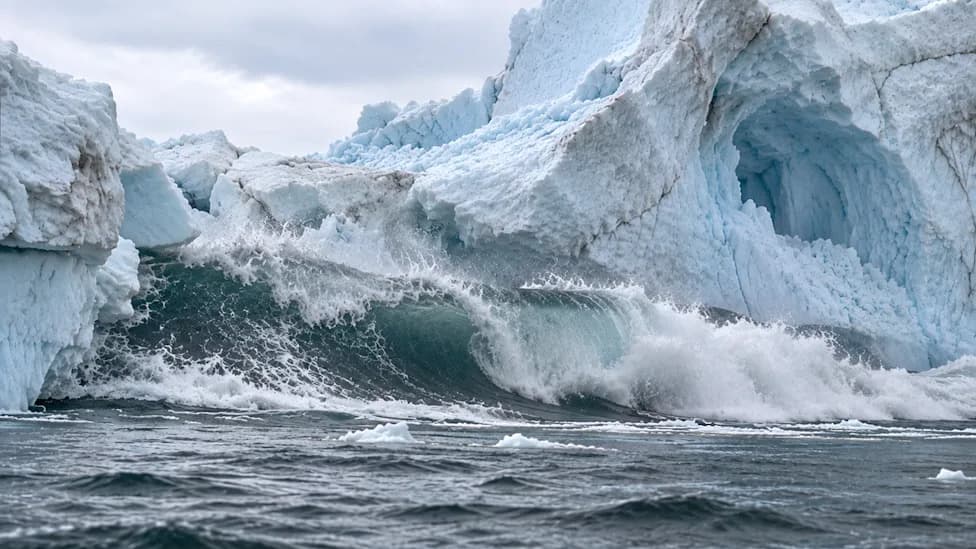
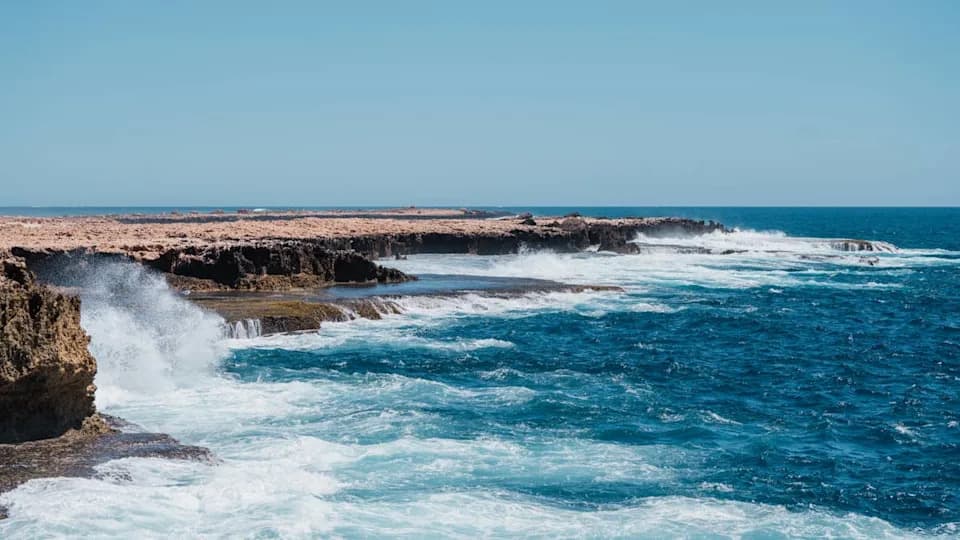
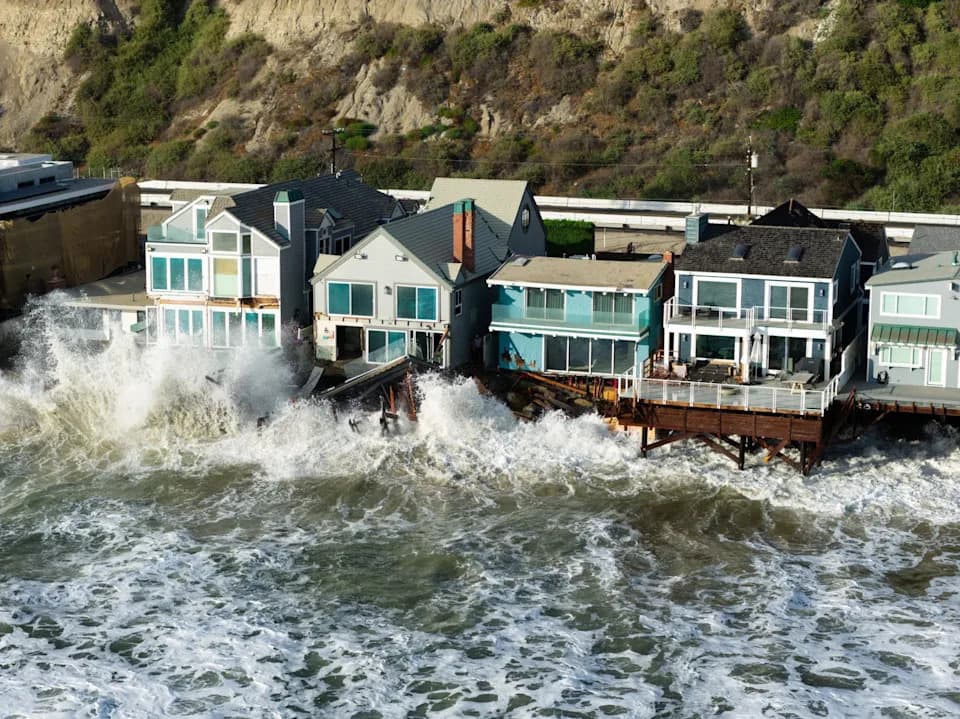
Viral footage shows a seiche — pronounced "saysh" — a type of standing wave that can suddenly turn a harbor or bay into a dangerous environment. What looks like water fixed in place is often the visible sign of enormous volumes of water sloshing back and forth, creating hazardous conditions for swimmers and boaters.
What Is a Seiche?
According to NOAA, "A seiche is a standing wave oscillating in a body of water."
Unlike a typical ocean swell that moves toward shore, a seiche oscillates within an enclosed or semi-enclosed basin — think of water sloshing in a bathtub, but on the scale of a lake, bay or harbor. Strong winds, rapid shifts in atmospheric pressure, earthquakes, tsunamis and powerful storm fronts can all trigger a seiche.
How Dangerous Can They Be?
Seiches can persist: NOAA notes the water may "oscillate back and forth for hours or even days." A dramatic historical example occurred on Lake Erie in 1844, when a 22-foot (6.7 m) seiche overtopped a 14-foot seawall and resulted in 78 fatalities.
Eyewitness Account
A commenter on the viral video who identified as a trained lifeguard described a terrifying rescue attempt:
"I'm a trained lifeguard. I once jumped into something like this to save someone who fell into the water off his boat. I had a lifejacket on, the guy I rescued did not. While the crests and valleys were a bit lower than this, it was still excruciatingly difficult to keep our heads out of water. It was probably the most difficult thing I've ever done, trying to do a rescue in this situation."
What To Watch For And Safety Tips
- Recognize the signs: water oscillating in place, sudden, repetitive rises and falls, or currents that appear to stay fixed while surrounding water moves.
- Get out immediately: if you see water behaving oddly, leave the water and shore up to higher ground when possible.
- Don’t attempt risky rescues: rescues in seiche conditions are extremely dangerous — call local authorities and wear a lifejacket if you must enter the water.
- Boaters: secure your vessel, avoid shallow confined areas, and heed weather and marine advisories.
- Stay informed: monitor NOAA alerts and local forecasts during strong winds, rapid pressure changes, or severe weather.
Not Every "Fixed" Wave Is A Seiche
Technically, some stationary-looking waves arise from opposing currents or hydraulic effects rather than a classic seiche. Regardless of the cause, the visual warning is the same: odd, oscillating or seemingly fixed water should be treated with extreme caution.
Related video references include footage of a massive dam gate opening that produced a large standing wave and a separate clip of a 20-foot rogue wave that capsized a yacht in the Pacific.
This story originally appeared on Surfer on Sep 17, 2026, in the News section.
Help us improve.