Phoenix has applied CoolSeal, a light, water-based pavement coating, to about 200 miles of road and seen surface temperatures fall by roughly 10–12°F during peak heat. However, because the coating reflects sunlight upward, the space above treated pavement can feel about 7°F hotter at midday, increasing pedestrian thermal stress. Planners recommend using CoolSeal on low‑pedestrian roads and unshaded parking lots and pairing it with shade and vegetation where people gather. The approach helps reduce nighttime heat and maintenance costs but should be applied selectively as part of a broader heat‑mitigation strategy.
Phoenix's CoolSeal Lowers Pavement Heat — But Makes Midday Walks Feel Hotter
Matt Mawson/Getty Images
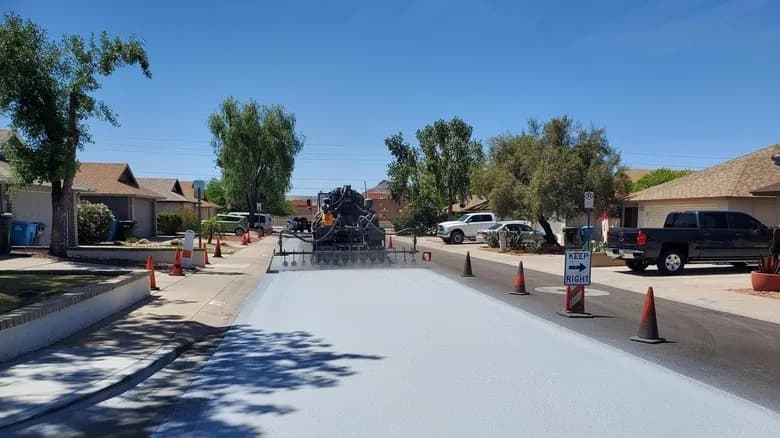
Phoenix has begun coating roughly 200 miles of dark pavement with a water-based, light-reflecting sealant called CoolSeal. The goal: reduce how much heat the asphalt soaks up during the day and release less heat at night. Early field measurements show clear benefits for pavement temperatures and long-term maintenance, but the change also produces an unexpected trade-off for people at street level.
Pgiam/Getty Images
How CoolSeal Works
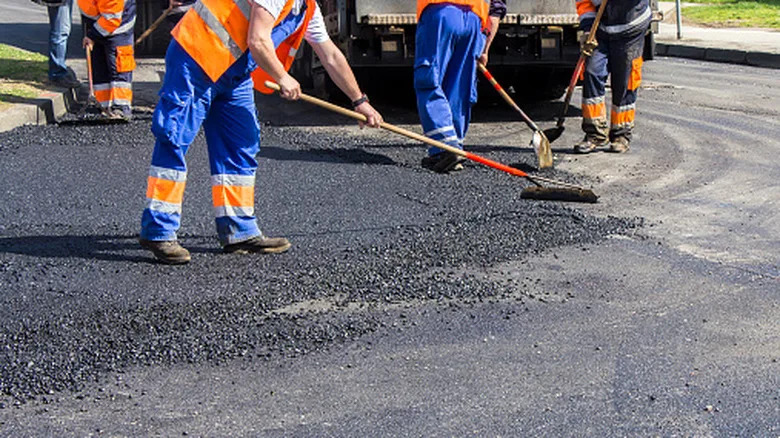
Dark asphalt absorbs solar radiation and stores it in the pavement. CoolSeal brightens the surface to a reflective grey, sending much of that incoming sunlight back upward instead of into the material. That reflection lowers the pavement surface temperature by about 10 to 12°F during the hottest hours, which can reduce thermal damage and extend pavement life.
Ivansmuk/Getty Images
Why Pedestrians Can Feel Hotter
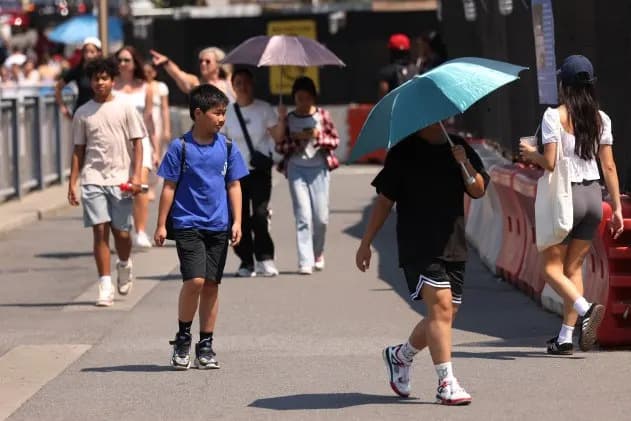
Although the pavement itself gets cooler, the reflected energy must go somewhere. Studies show that reflective pavements can increase mean radiant temperature — the quantity that determines how hot an environment actually feels — in the space just above the road. At midday, when solar intensity is highest, the area above treated pavement can feel roughly 7°F hotter than the same spot above untreated asphalt. In short, cooler surfaces do not automatically mean cooler conditions for people walking or standing nearby.
Benefits
- Reduces pavement surface temperature by ~10–12°F during peak heat.
- Can lower nighttime ambient heat by preventing solar energy from being stored and released by the ground.
- May cut road maintenance needs and save municipal repair costs over time.
When and Where to Use It
CoolSeal is best applied selectively. Ideal locations include low‑pedestrian roads, unshaded parking lots, industrial areas, and roadway shoulders where reflected heat is unlikely to affect people. Avoid heavy foot‑traffic corridors, bus stops, sidewalks, playgrounds and shaded plazas unless paired with other measures to reduce radiant exposure.
Practical Recommendations
- Combine reflective coatings with shade trees, awnings, or canopies where people gather to reduce mean radiant temperature at ground level.
- Use reflective surfaces strategically to reduce nocturnal heat retention while protecting pedestrian comfort with vegetation and micro‑shade.
- Monitor long‑term effects on neighborhood air temperatures, pedestrian comfort, and pavement durability to refine placement strategies.
Bottom line: Reflective pavements like CoolSeal can lower surface temperatures and maintenance costs, but planners must balance those gains against increased daytime radiant heat where people walk. A mixed set of interventions tailored to local conditions will produce the best results.
Help us improve.