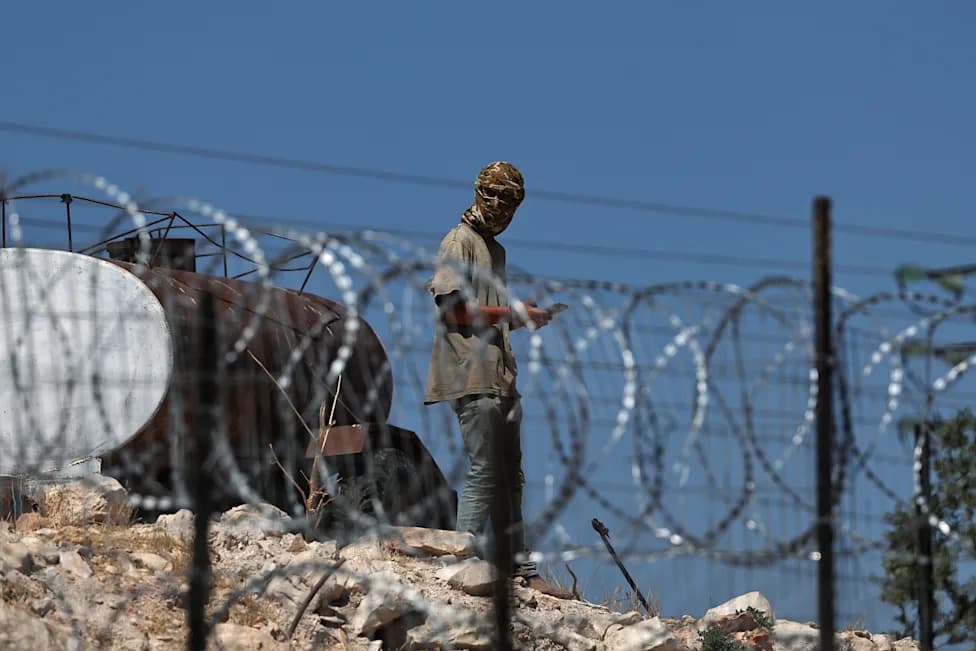
Syria has been removed from the US list of state sponsors of terrorism, a decision that opens the door to international finance and large-scale reconstruction. Saudi Arabia has pledged major infrastructure investments, and other partners are showing interest. Observers welcome the economic opportunity but warn that rapid reintegration risks overlooking ongoing problems: extremist influences, roughly 5,000 foreign fighters still embedded in security forces, contested trials, and fragile Kurdish trust. Successful rebuilding will require both funds and clear, verifiable reforms.
Rebuilding Syria: US Removes Terror-Designation — Reconstruction Surge Amid Lingering Risks
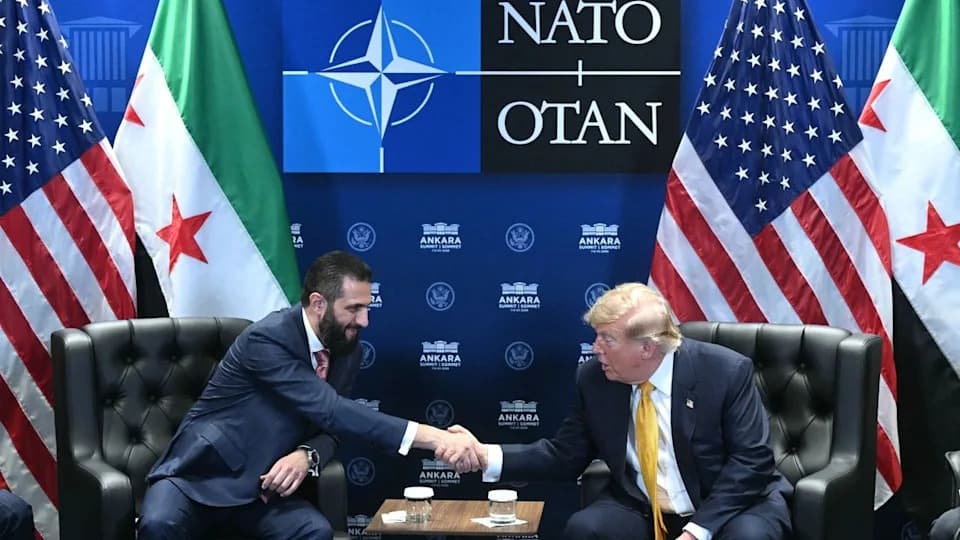
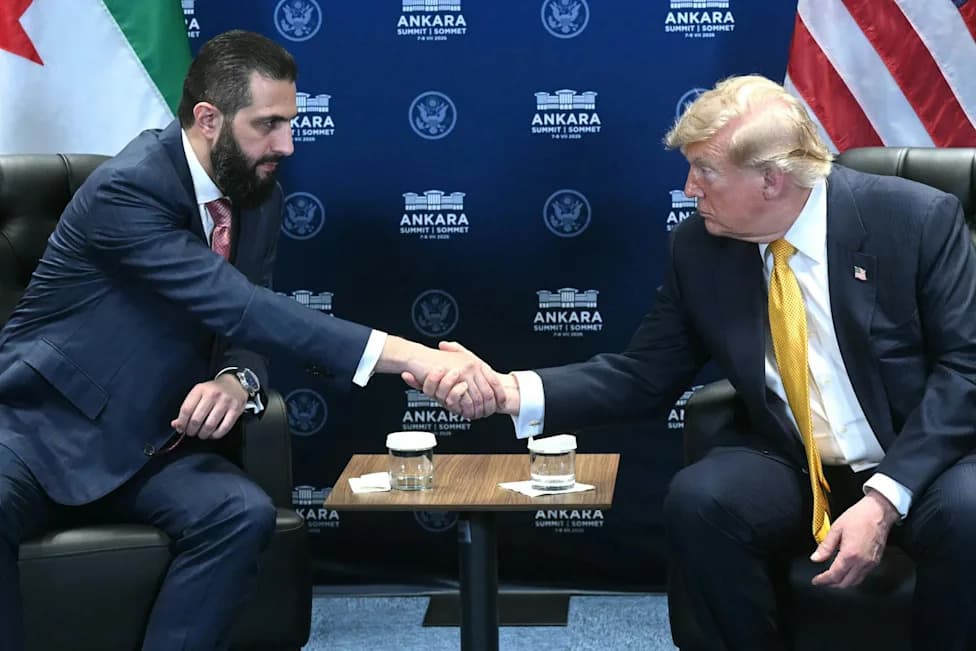
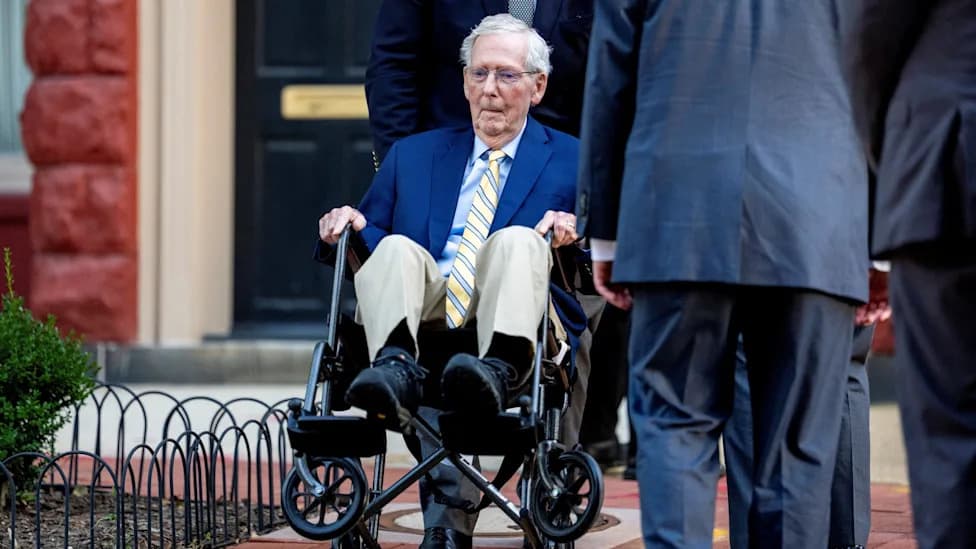
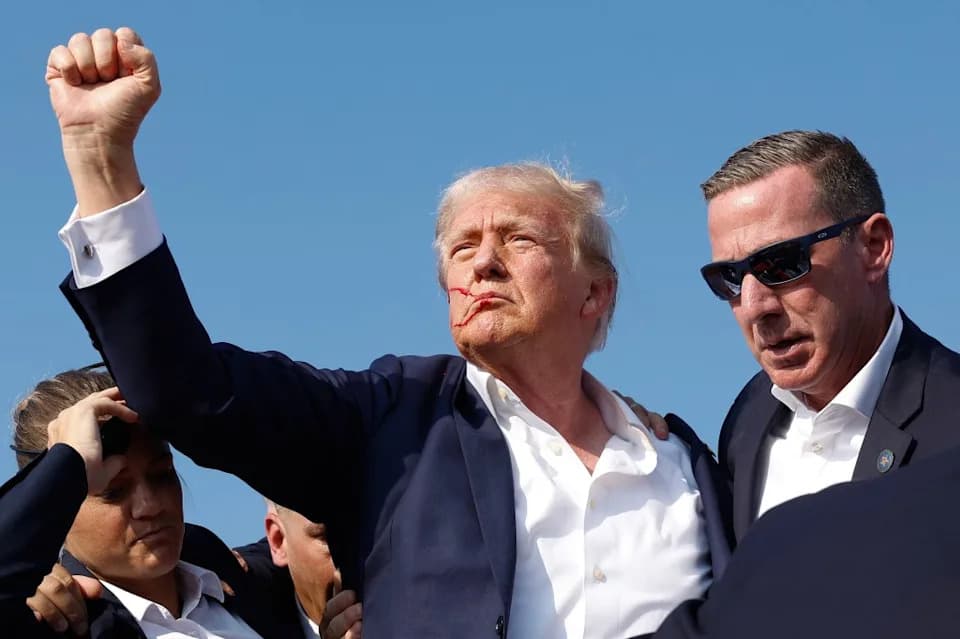
Credit: Saul Loeb / AFP / Getty Images
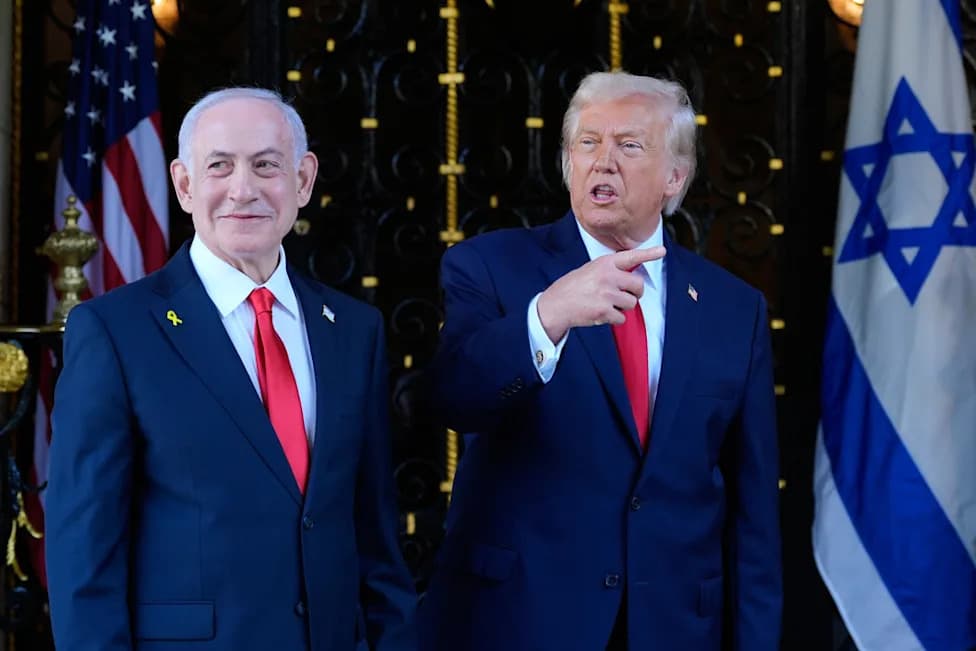
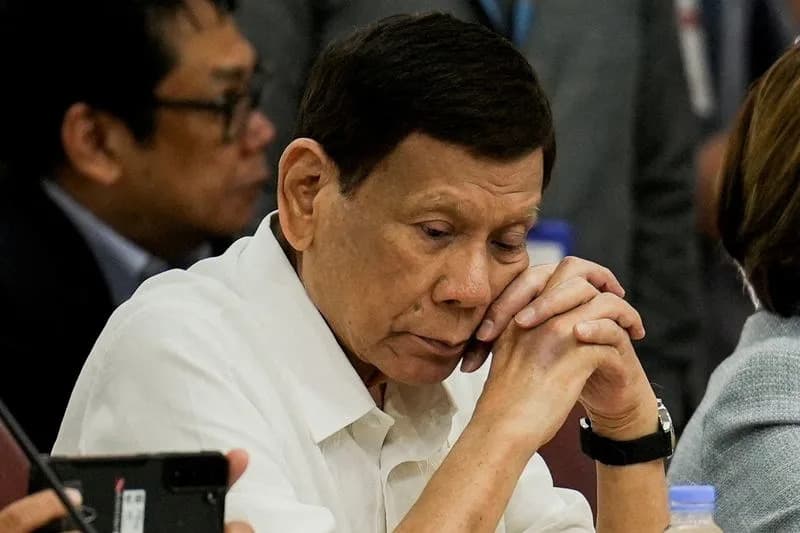
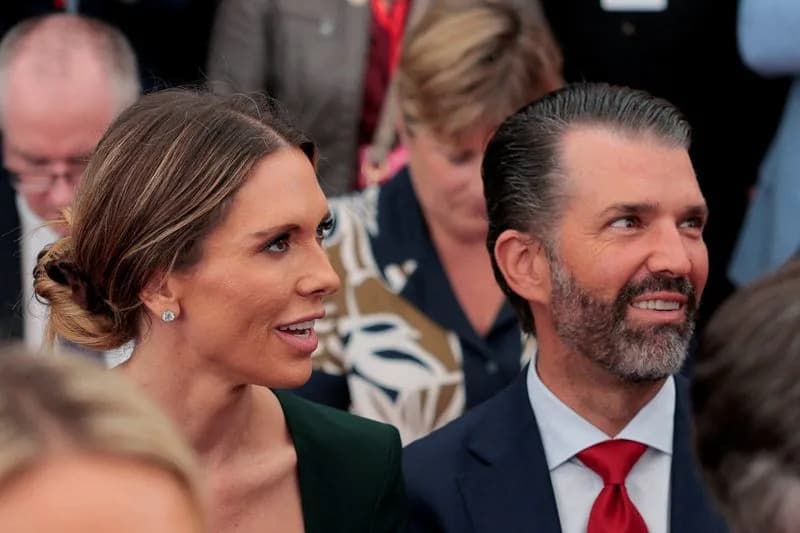
Credit: Saul Loeb / AFP / Getty Images
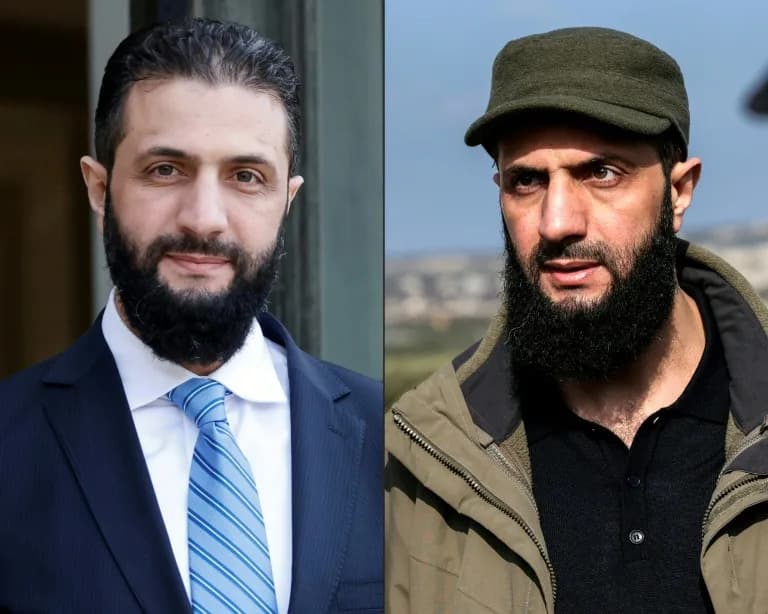
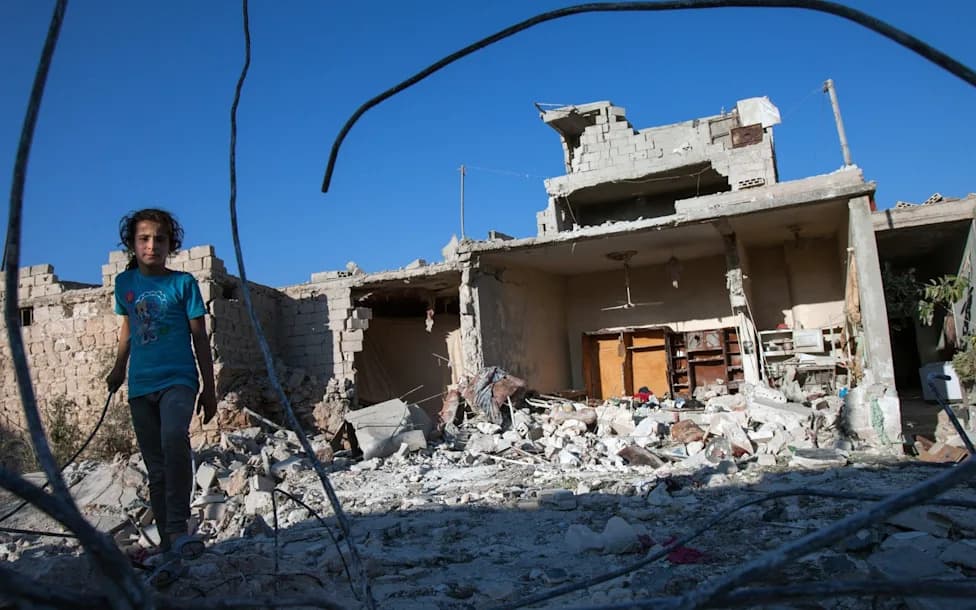
Syria appears poised for a major reconstruction push after the United States removed Damascus from its list of state sponsors of terrorism, a move that could reopen international finance and large-scale investment. Interim president Ahmed al-Sharaa — the former militant who led the 2024 offensive that toppled Bashar al-Assad — is now pressing ahead with ambitious plans to rebuild a country ravaged by nearly 14 years of conflict.
Economic Opening and Foreign Investment
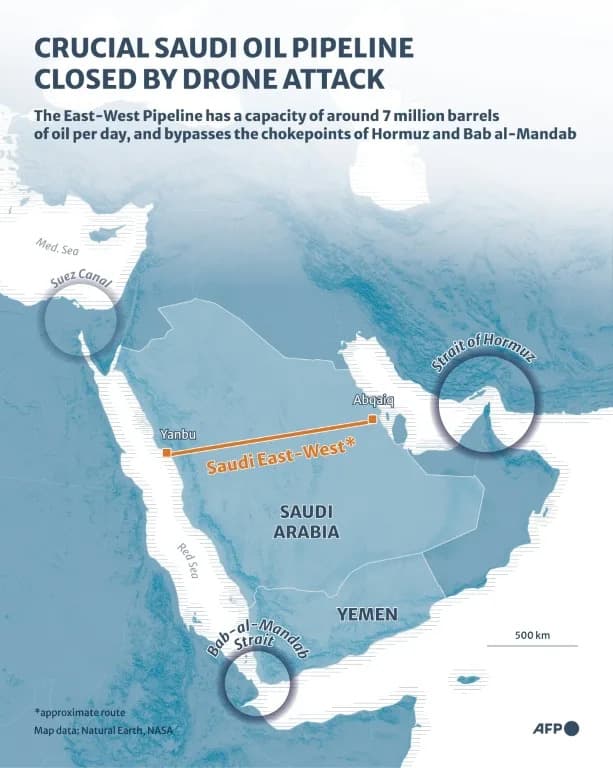
After Washington's decision, the flow of 'dollars, dinars and dirhams' has been widely predicted. Riyadh has pledged to fund desalination plants, construct two airports and invest more than $1 billion in telecommunications projects. Other regional and international partners have signalled interest, suggesting widespread reconstruction projects could soon be underway if funds and logistics align.
Geopolitics and the Calculus of Delisting
Commentators note a clear strategic logic: removing Syria from the terrorism list draws Damascus closer to Western and Gulf partners and away from Iran and Russia. Observers also warn that the pace of reintegration may be driven as much by geopolitical calculations as by clear, verifiable reforms on the ground.
Security, Integration and Political Control
One of Sharaa's most consequential domestic moves has been the disbanding of the Syrian Democratic Forces (SDF). Its commander, Mazloum Abdi, has agreed to integrate remaining SDF fighters into the national army — a transition framed by some as moving 'from battlefields to the fields of construction.' But that integration followed a rapid offensive that seized significant SDF-held territory, and weaving former SDF units into a centralized army will pose operational and political challenges.
Justice, Accountability and Rule of Law
Sharaa's government has pursued several senior figures from the former Assad era in court; nine were reportedly sentenced to death in absentia, generating strong public reaction. Only one, Atef Najib, appears likely to face execution in practice. Human-rights observers caution that trials in absentia and selective prosecutions risk appearing as victor's justice, especially while there has been limited accountability for last year's massacres that killed more than 1,400 Alawites.
Lingering Risks and Domestic Concerns
Civil-society and security experts have flagged several enduring problems: reports that jihadist ideas persist in some curricula, the claimed presence of roughly 5,000 foreign fighters aligned with the old regime inside new military structures, and deep distrust among Kurdish communities despite promises to recognise Kurdish as a national language and to protect minority rights.
‘The psychological importance of lifting sanctions should not be underestimated,’ noted one regional daily — but it added that optimism must be matched by transparent reforms and credible guarantees of security and rights.
In short, Syria faces a fragile window of opportunity. If reconstruction is to deliver sustainable stability, international donors and Syrian leaders will need to combine financing with clear commitments to inclusive political arrangements, credible accountability, and safeguards against renewed extremism.
Help us improve.