Jack Thorne, President of the Writers' Guild of Great Britain, warned that government choices in the next five years will determine how AI affects writers for decades. He said officials are confused about AI’s role and cautioned it could be either an economic boon or a "massive destructive force." Thorne warned of "industrial-scale theft" of writers' work that may breach UK copyright law and highlighted risks that AI could replace parts of the writing process. He called for urgent policy action and stronger ethical standards to protect the profession.
Writers At A Crossroads: Jack Thorne Warns AI Could Reshape The Future Of Writing

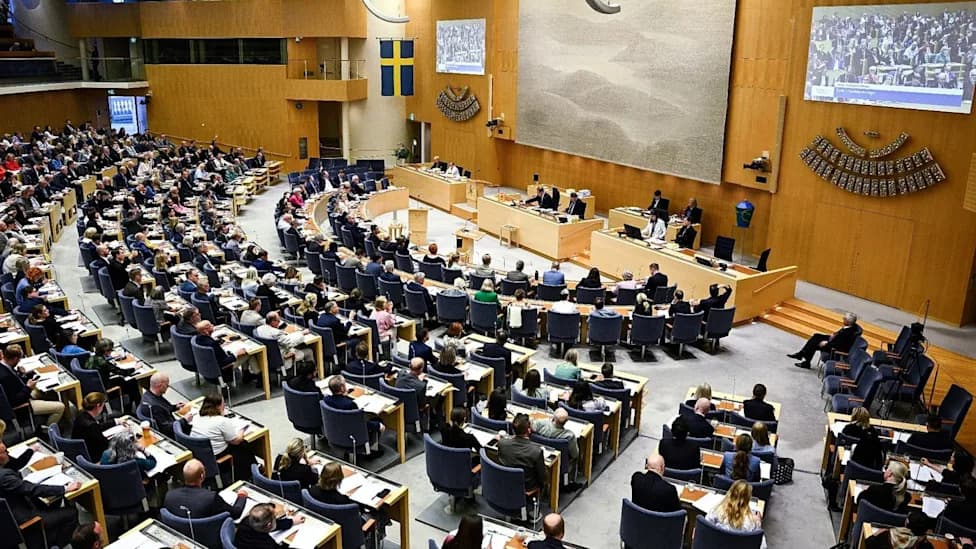
"Industrial-scale theft" of writers' work without consent or payment is currently taking place, warns the President of the Writers' Guild of Great Britain. Uwe Anspach/dpa
Jack Thorne, President of the Writers' Guild of Great Britain, has issued a stark warning about the risks posed by Artificial Intelligence (AI) to the writing profession. Thorne told officials that decisions made by government in the next five years will shape what the next century looks like for writers across the UK.
Why Thorne Is Concerned
Thorne described a degree of official confusion about AI: "The government is staring at AI with eyes wider than Bugs Bunny. It doesn't know what it is, it doesn't know whether to run towards it or run away." He warned that ministers must decide whether AI will be "the future of our country's economy or a massive destructive force," and that those choices will have long-term consequences.
"The harm it produces could outweigh that benefit if we believe that the current modellers are entitled to behave however they like for the furtherment of their technology."
Thorne—whose television credits include Adolescence and His Dark Materials—highlighted the threat of "industrial-scale theft," where writers' work is used to train AI without consent or payment. He argued this practice could breach existing UK copyright law and erode creators' livelihoods.
Practical Threats to the Profession
Looking ahead, Thorne warned of concrete changes that could hollow out the craft: the replacement of human script readers with animatics; routine use of AI to generate ideas; and the risk that AI tools may progressively substitute for writers themselves. He also urged his peers to uphold ethical standards, cautioning that individuals who use AI to cheat or cut corners could produce "disastrous consequences" for the profession as a whole.
Thorne's message is a call for urgent policy action and clear legal protections for writers, combined with industry-wide ethical standards to ensure AI augments rather than replaces creative labor.
Help us improve.