Researchers at Chalmers University and Edinburgh Napier analysed more than 17,000 parliamentary documents from Sweden and the UK (2021–Apr 2026) and found notable AI involvement in legislative texts. By 2026, about 15% of UK statements contained at least one AI-generated paragraph; Sweden saw AI-written motions rise to 6.5% and 9.4% with AI-assisted paragraphs. The study found no disclosures of AI use in flagged documents and warns that polished AI prose can conceal errors and erode democratic accountability without disclosure or audit mechanisms.
AI Wrote 15% Of UK Parliamentary Paragraphs By 2026 — None Were Disclosed, Study Finds
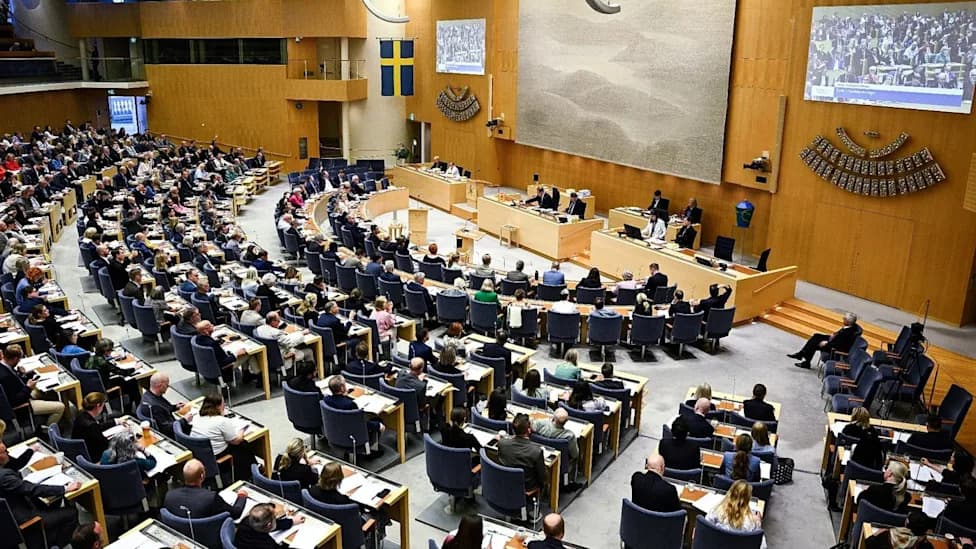
Image: Fredrik Sandberg/TT News Agency via AP
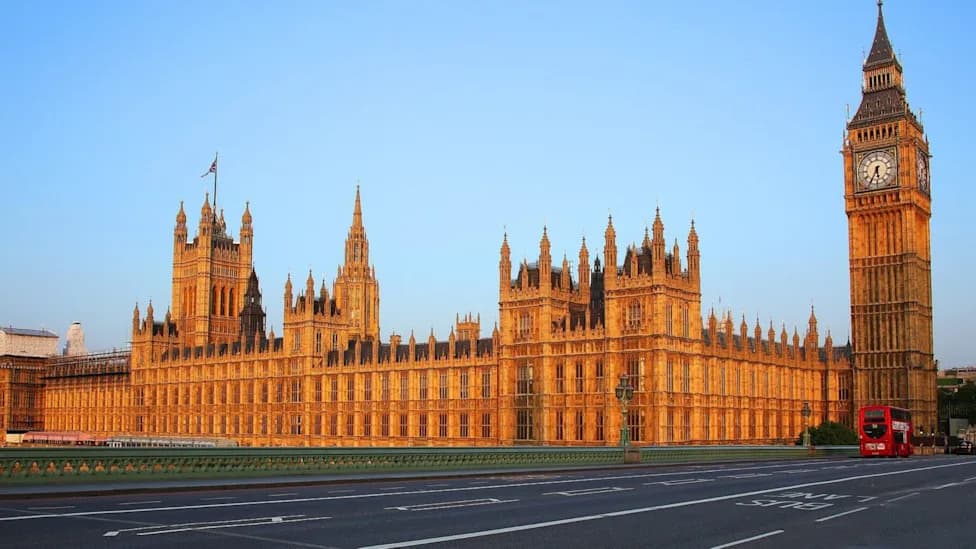
By 2026, researchers found that roughly 15% of UK parliamentary statements contained at least one paragraph generated by a large language model — and not a single flagged document disclosed that AI had been involved. The finding comes from a joint analysis by teams at Chalmers University of Technology (Sweden) and Edinburgh Napier University (UK), which scanned 13,565 Swedish parliamentary motions and 4,209 British statements submitted between 2021 and April 2026.
Rapid Uptake In Sweden, Significant Presence In The UK
Sweden's trajectory shows how quickly AI adoption accelerated: in 2022–23 only 0.1% of motions were classified as fully AI-written and 1.7% contained AI-assisted paragraphs. By 2025–26, 6.5% of motions were judged fully AI-written and 9.4% — roughly 300 motions — contained at least one AI-assisted paragraph.
In the UK sample, researchers found that 2.1% of 2026 texts were predominantly AI-written and that about 15% of statements showed AI influence at the paragraph level. Across both countries, the study recorded zero instances of authors disclosing AI assistance in flagged documents.
How The Study Worked
The team trained custom detectors separately for Swedish and English. Each classifier learned to distinguish parliamentary material produced before the widespread use of tools like ChatGPT from politically oriented text generated by large language models. When applied to documents from 2021 onward, the detectors produced only one false positive per country on pre-AI-era material. As Chalmers professor Mattias Wahde explains, the system identifies statistical patterns across whole passages rather than searching for particular "AI words," and it cannot identify which model produced a flagged paragraph.
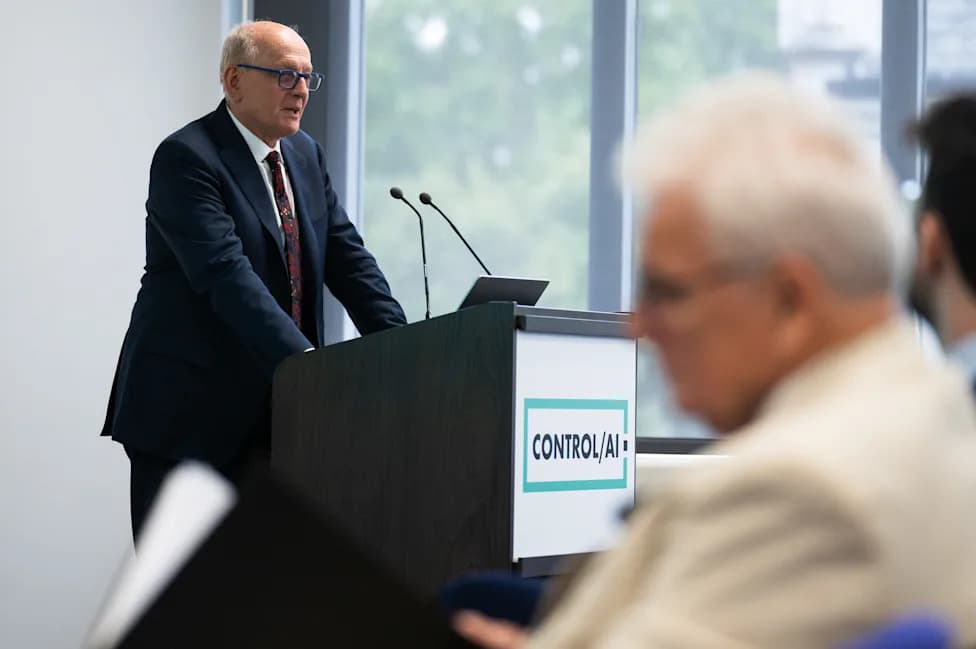
"Regardless of the extent to which AI has been used, there may be risks associated with a lack of transparency." — Minerva Suvanto, Lead Researcher, Chalmers University of Technology
Politics, Admission, And Accountability
Some politicians have been open about limited use of chatbots. In August 2025, Swedish Prime Minister Ulf Kristersson said he uses ChatGPT and the French chatbot LeChat as a "second opinion" on policy questions. Green Party MP Jan Riise said his party uses AI for research and urged mandatory labelling. But those high-profile admissions contrast with routine, undisclosed AI drafting embedded in formal legislative documents — a gap that raises questions about democratic transparency and responsibility.
Risks And Next Steps
Researchers warn that AI-generated prose can be highly polished and persuasive, making factual errors, unsupported claims, or flawed reasoning hard to spot — even for the people submitting the text. With European AI rules still evolving and separate studies linking large language models to election disinformation, the absence of disclosure, audit trails or watermarking leaves voters and auditors without a reliable way to determine who is responsible for what is written.
Conclusion: The study highlights an urgent transparency gap: AI is already shaping parliamentary language in both Sweden and the UK, and policymakers should consider mandatory disclosure, provenance tracking and technical watermarking to protect accountability in representative democracy.
Help us improve.