Thales CEO Patrice Caine told delegates in London that technical safeguards are not enough and that governments must create formal frameworks to regulate artificial intelligence. His remarks come as other tech leaders, including Dario Amodei, Sam Altman and Elon Musk, have urged greater caution—sparking market jitters and a drop in technology stocks. Thales says it is focused on building transparent, "trusted AI systems" for defence and autonomous applications.
Thales CEO Urges Governments to Lead on AI Regulation as Industry Calls for Caution
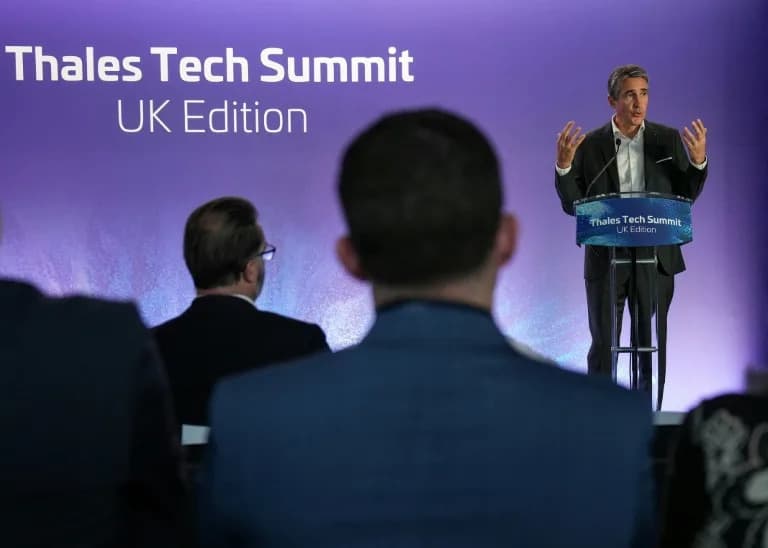
'We need frameworks' to regulate AI development, Thales chief Patrice Caine says (CARLOS JASSO)
Patrice Caine, chief executive of French defence and technology group Thales, urged governments on Monday to take primary responsibility for regulating artificial intelligence, saying technical controls alone are not sufficient to manage the technology's risks.
Speaking at Thales's UK technology conference in London, Caine emphasized that while there are "ways and means, on the technical standpoint, to put this type of technology under control," those measures must be backed by formal frameworks set by governments.
"We need frameworks, and this clearly lies, in terms of responsibility, in the hands of governments," Caine said, noting that Thales has been involved in AI research for decades.
Industry Pressure and Market Reaction
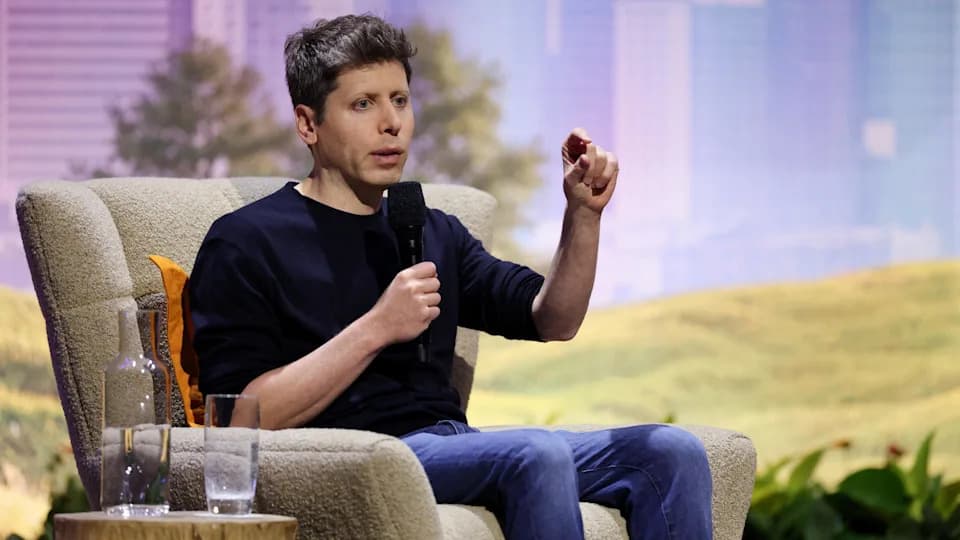
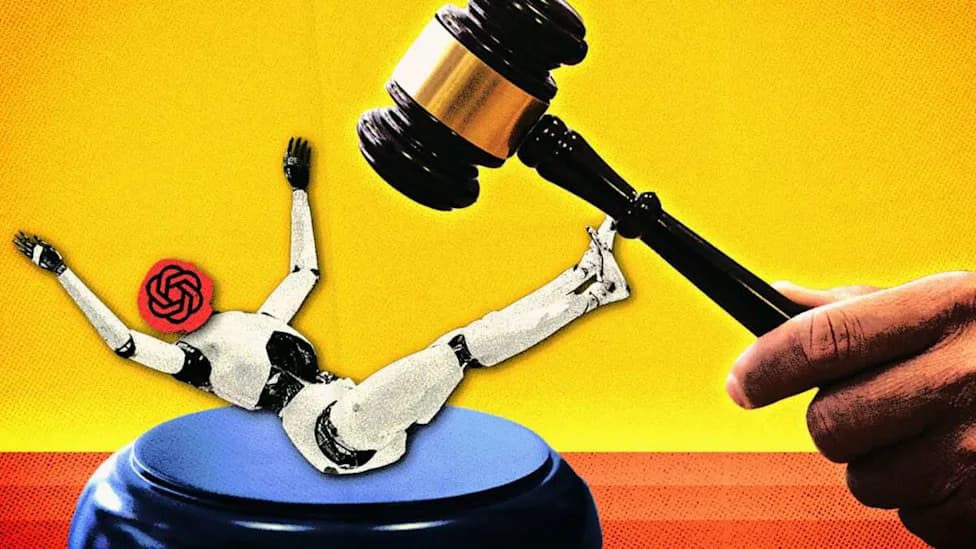
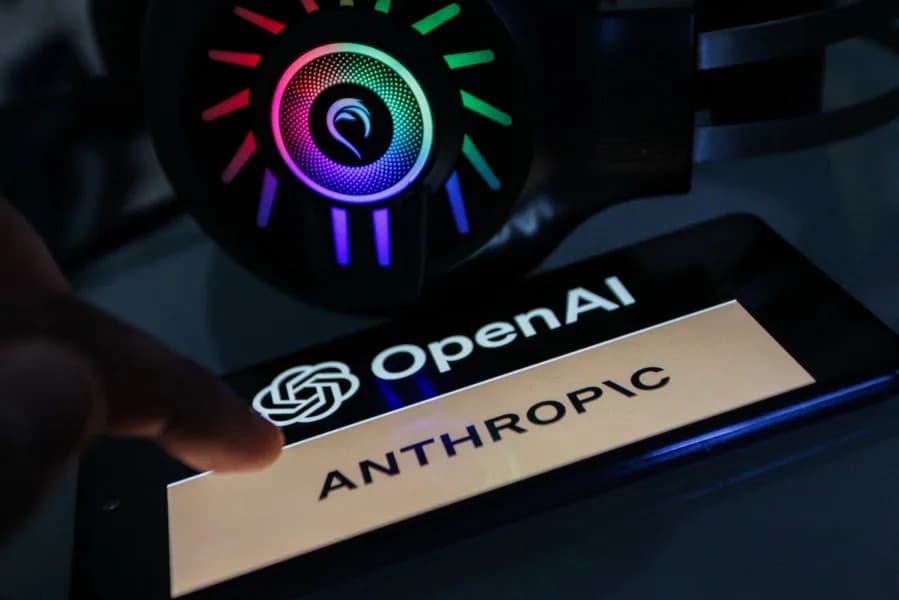
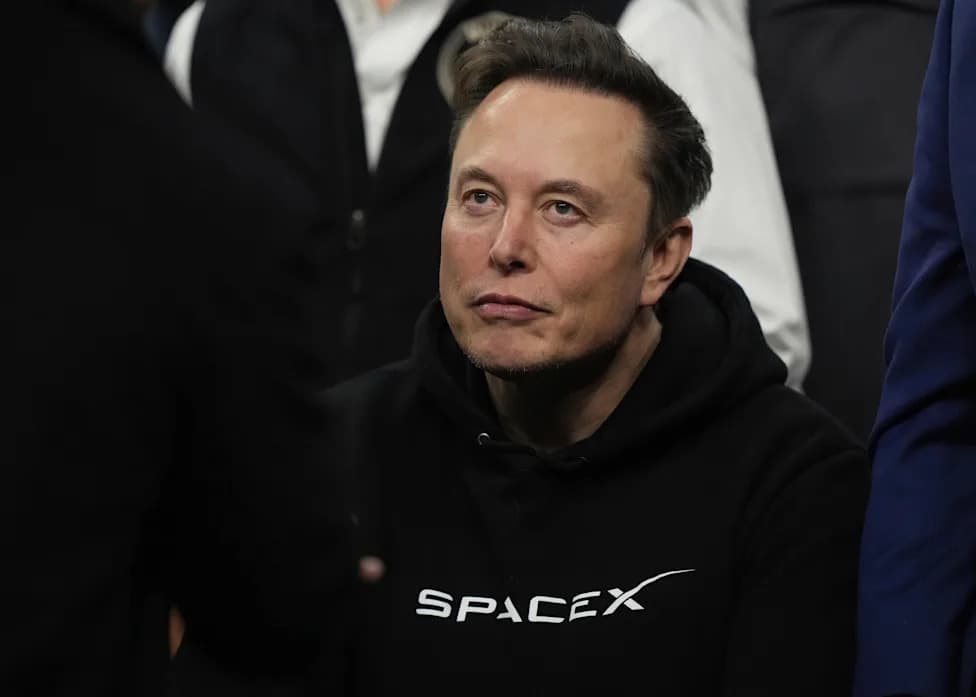
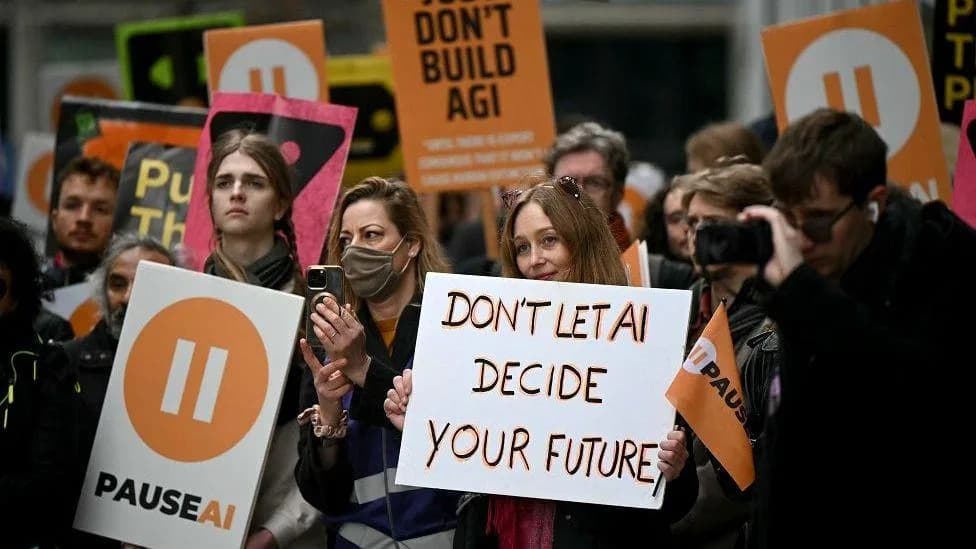
The remarks came amid a wave of high-profile warnings about the rapid development of AI. Technology stocks fell on Monday as senior industry figures called for a slower, more cautious approach to deployment. Dario Amodei, CEO of Anthropic (maker of Claude), said that "addressing the risks requires even more prudence," a stance quickly echoed by OpenAI CEO Sam Altman and entrepreneur Elon Musk.
Thales and Trusted AI for Defence
For Thales, AI is increasingly central to its defence business, particularly as governments worldwide focus on autonomous systems. Caine said the company is prioritizing the development of "trusted AI systems" that are transparent and allow operators to understand how a specific conclusion or recommendation was reached.
He warned it should not be left to private companies alone to reassure the public that AI "will never… come out of control," and urged national authorities to take the lead in crafting regulatory frameworks that balance innovation, security and public safety.
What Comes Next
As momentum builds for stronger oversight, the debate will likely move to policy forums and national capitals where governments must decide how to regulate AI systems used in defence, critical infrastructure and consumer products. Caine’s intervention highlights how defence contractors and tech firms are pushing for clearer rules that enable responsible use without stifling innovation.
Help us improve.