Overview: After Ukraine's August 2024 incursion into parts of the Kursk region, residents say hundreds remain missing and families have been left without clear answers. Community groups compiled lists of up to 1,000 names while officials officially reported just 300+ missing. Relatives accuse authorities of slow responses: DNA samples were lost, mortuary identifications were delayed, and volunteers largely bore the burden of evacuations and body recoveries.
Russians Demand Answers After August 2024 Incursion Leaves Hundreds Missing in Kursk
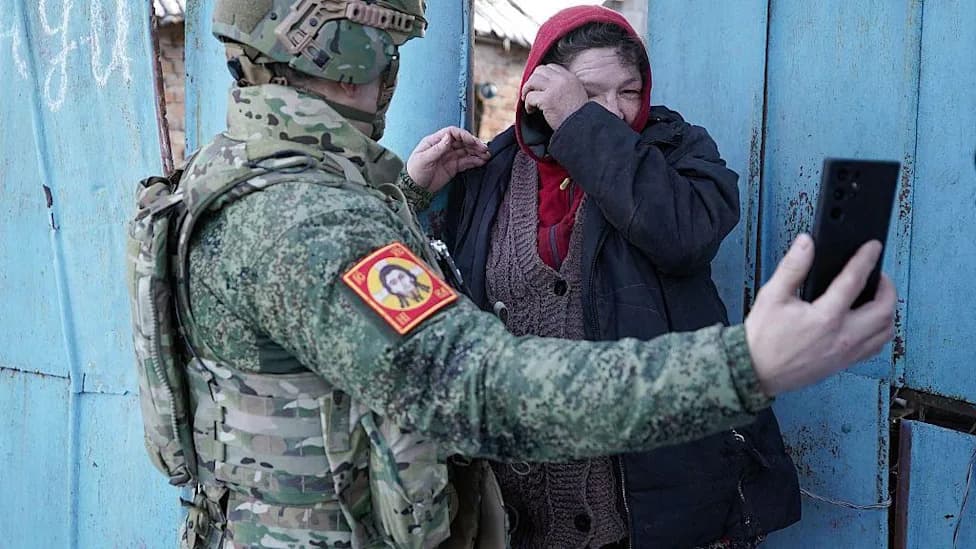
Russian families complain their government did little to help locate the missing [AFP via Getty Images]
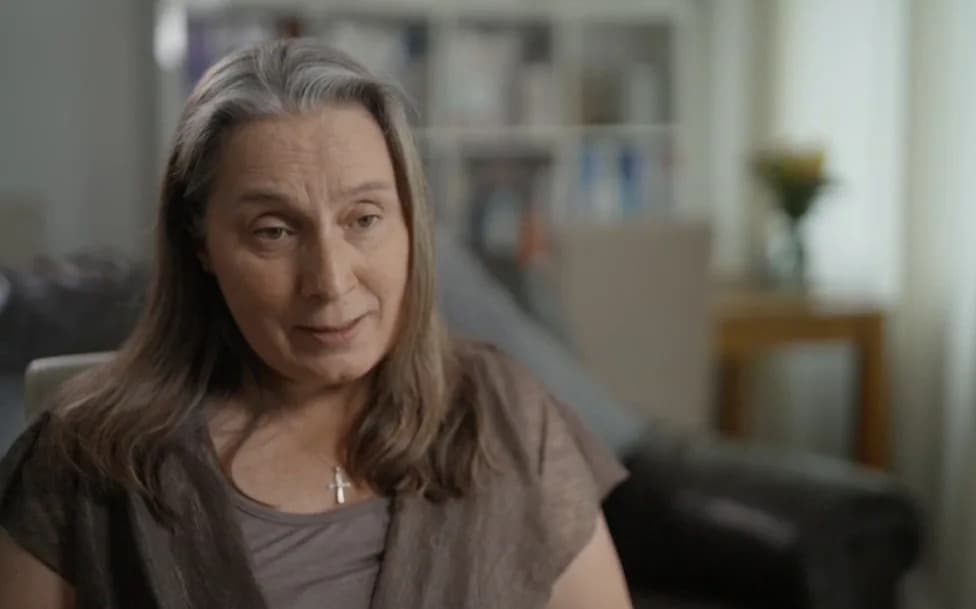
Lyubov last spoke with her mother a day after Ukrainian forces pushed across the border into Russia's Kursk region in August 2024. More than two years on, she still has no answers and says her faith in the state has turned to bitterness.
Local officials say more than 300 people remain missing in the region, but community groups and volunteers who have been compiling names estimate the true number could be far higher—roughly 1,000. Residents blame a combination of chaotic evacuations, disrupted communications and bureaucratic failures for leaving families without information for months.
[BBC]
What Happened
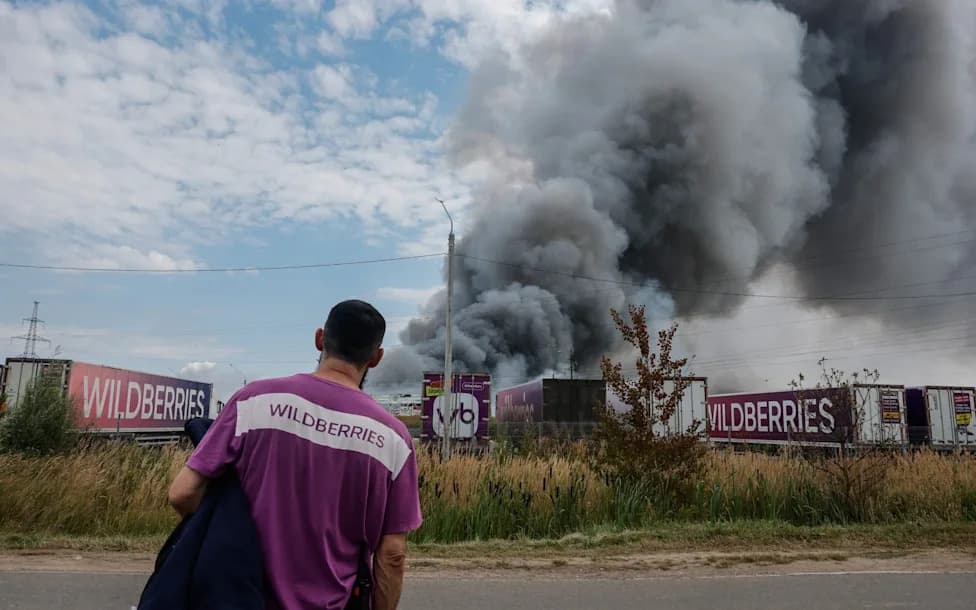
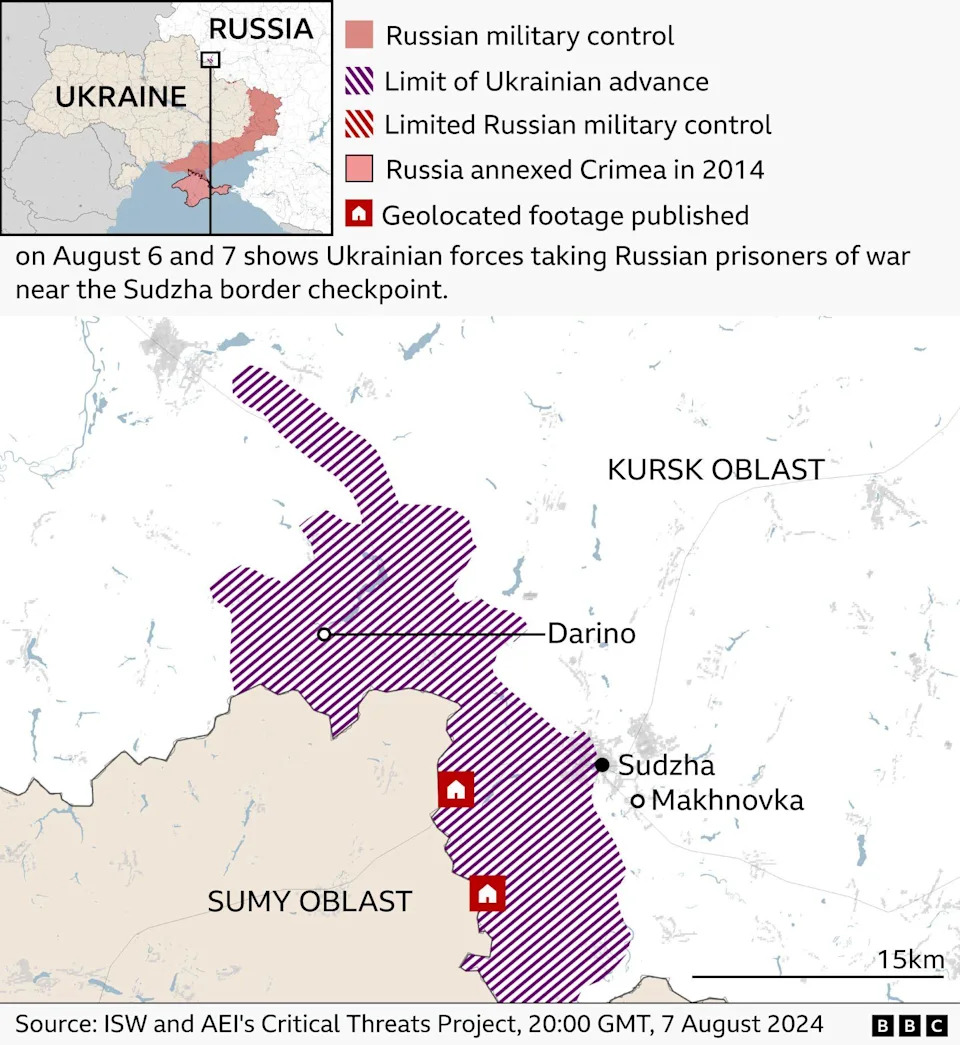
In August 2024 Ukrainian forces stormed two border checkpoints, took around 40 prisoners and struck a convoy of Russian troops. Within six days Kyiv’s forces had seized more than 777 sq km (about 300 sq miles) of Russian territory around the Sudzha area, an advance they described as intended to divert Russian units from frontline operations. For much of the following eight months, mobile phone and internet connections in the area were down.
Families Searching For Answers
The sudden cutoff left many families in limbo. Nearly 200 Russians wrote jointly to President Volodymyr Zelensky, President Vladimir Putin and the United Nations asking for a humanitarian corridor to evacuate civilians; none was established. As fighting continued into late 2024 and 2025, relatives of the missing formed grassroots groups to search for information.
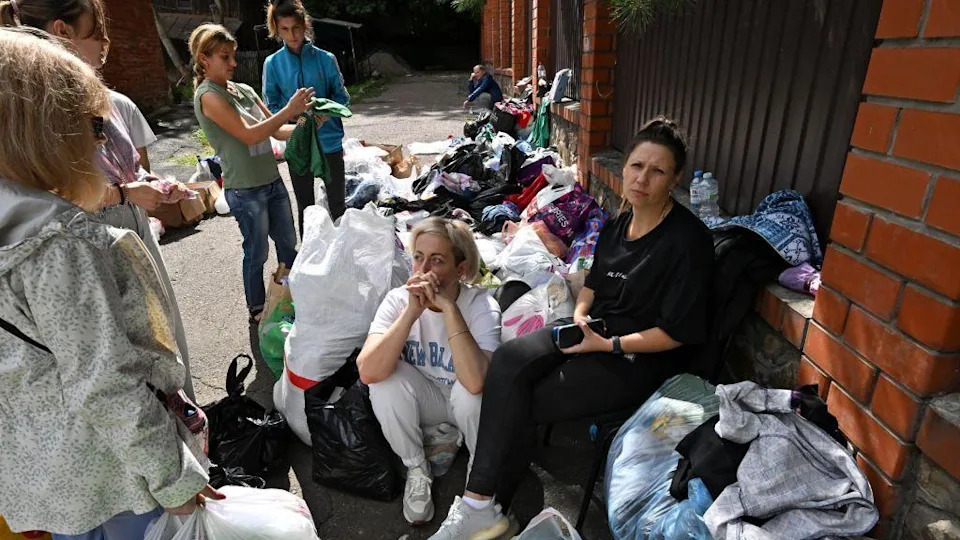
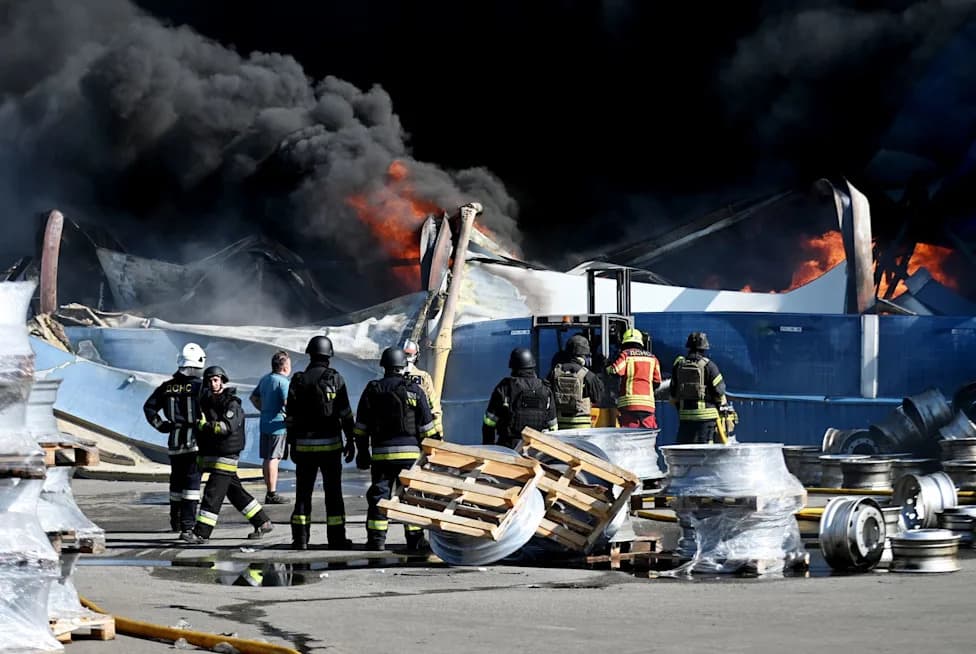
While many Russians tried to flee the Ukrainian incursion (above), others believed Russian state TV reports and stayed [AFP via Getty Images]
One volunteer watched videos published by Ukrainian military channels and journalists and began compiling and cross-checking names. What began as a relief-driven effort soon grew into a list of about 1,000 names of people who were unaccounted for or believed dead.
Official Responses And Failures
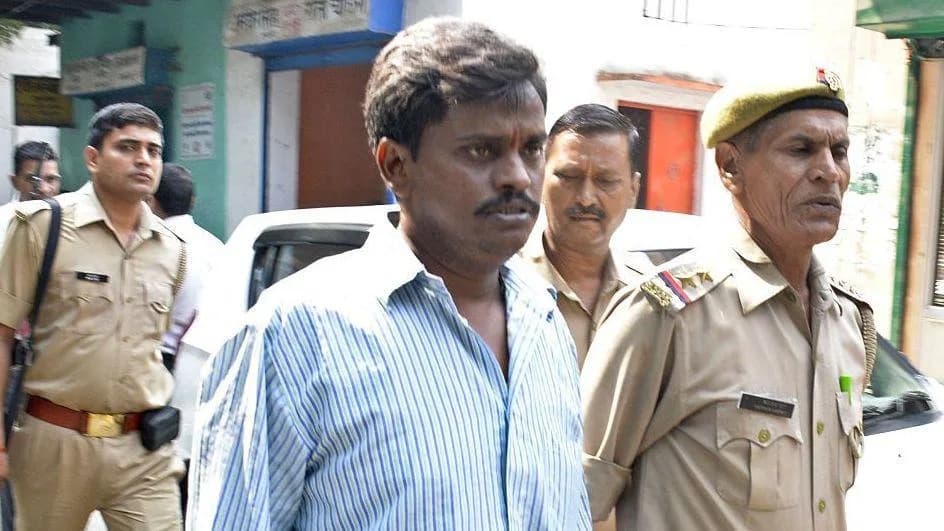
Relatives complained that official responses were slow and inadequate. In early 2025 Russia’s human rights commissioner published a list of 517 reported missing, but families said the list mixed up names of the missing with those who were searching for them and described the publication as disrespectful and incompetent.
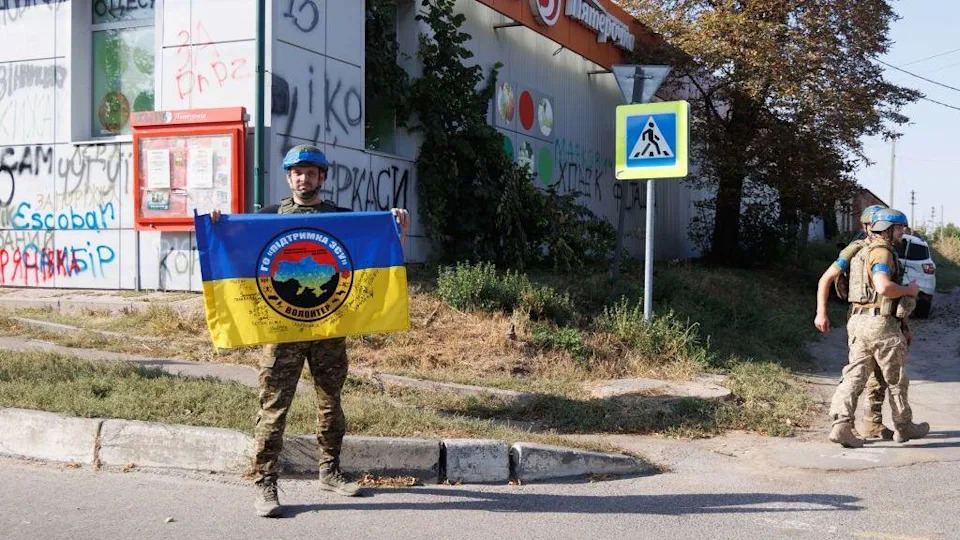
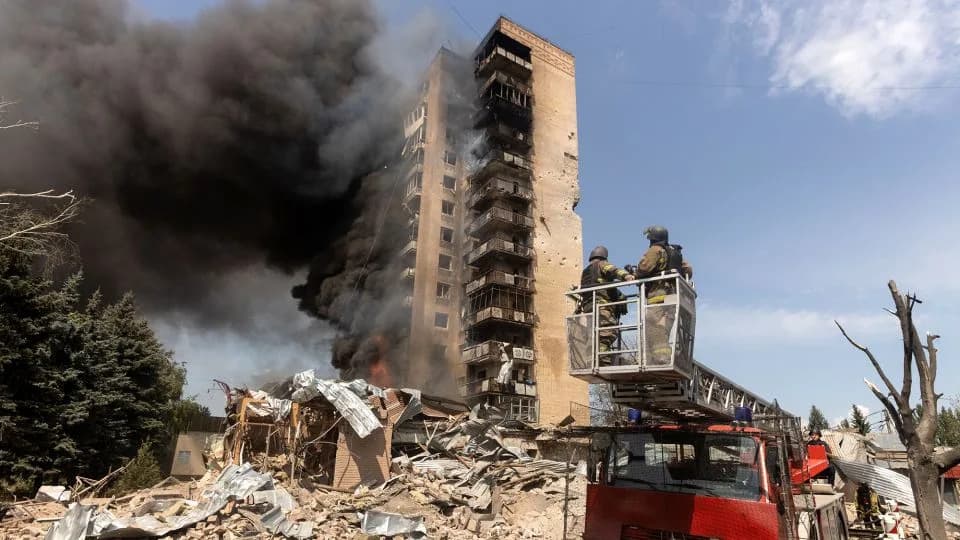
Ukrainian soldiers seized control of a large area around Sudzha for eight months [AFP via Getty Images]
Lyubov and others say they received no meaningful reply after contacting the International Committee of the Red Cross and regional authorities. DNA samples submitted by relatives to identify bodies were reportedly misplaced or lost in some cases, and some bodies remained unidentified in a local mortuary for months before families were told.
Volunteers Filled Gaps
When fighting subsided and Russian forces retook the area, volunteers—sometimes led by local officials such as village head Yuri Tkachev—retrieved bodies from streets and fields, arranged evacuations and paid for body bags and fuel with donations. Relatives say authorities provided limited direct support.
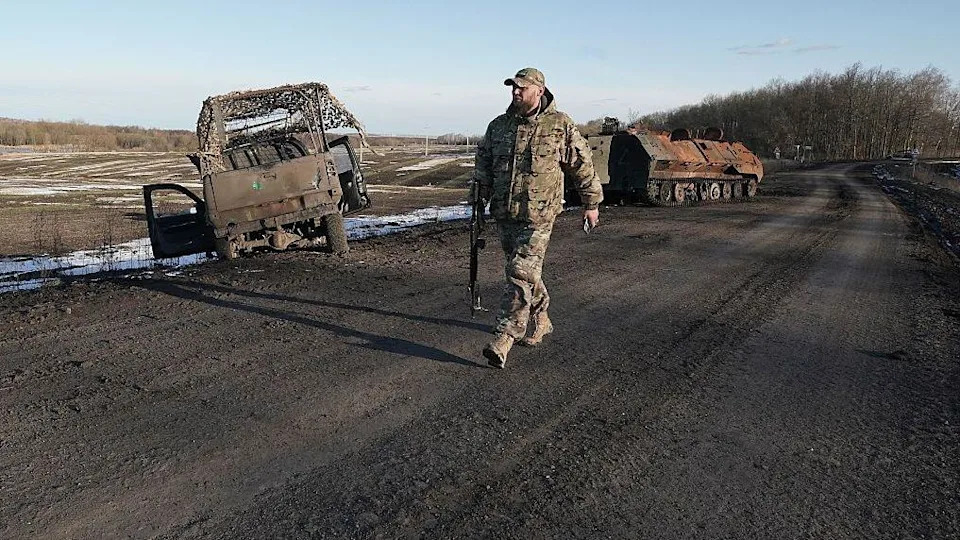
Russian forces eventually regained control of the area seized by Ukraine in August 2024 [AFP via Getty Images]
A Personal Tragedy
Lyubov learned last year that a woman who had shared a house with her mother after the incursion said Lyubov’s mother had suffered a head injury and later died. Lyubov provided a DNA sample in January but was told it was lost. During a trip to the regional capital, she eventually recognised her mother in a mortuary photograph taken in April 2025. Her mother was later cremated and her ashes are now in Lyubov’s apartment in Belgorod.
Accountability And The Wider Picture
The Kursk governor, Russia’s human rights commissioner and the Russian Red Cross did not respond to requests for comment for this report. Ukrainian authorities said civilians they evacuated from the Kursk region were handed over to Russian authorities.
The episode has left many residents questioning official assurances given through state media in the days before the incursion—and demanding clearer procedures, reliable records and a coordinated identification and support system for families of the missing.
Key issues: disputed counts of the missing, prolonged communication outages, alleged mishandling of DNA and mortuary records, and heavy reliance on volunteer search-and-recovery efforts.
Help us improve.