The IDF says dozens of draft dodgers were detained at Israeli border crossings over two days ahead of the annual Uman pilgrimage, with reports indicating more than 60 arrests. Most detentions occurred at Ben-Gurion Airport and additional arrests were recorded at the Taba crossing. Authorities and a community hotline warned that arrests can occur at both air and land crossings; some detainees may be sent to military prison. Community leaders have urged at-risk men not to attempt travel, and some groups have proposed holding services in prison if travel is blocked.
Dozens Detained at Israeli Border Crossings Ahead of Uman Rosh Hashanah Pilgrimage
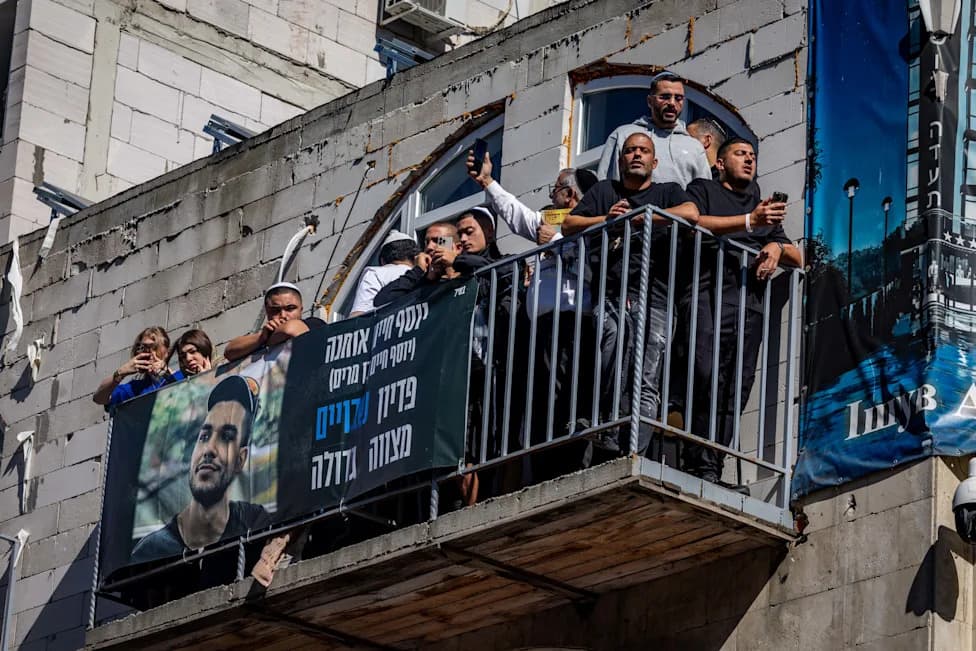
Jewish men in the street during Tikkun HaKlali near the tomb of Rabbi Nachman of Breslov in Uman, on eve of the Jewish holiday of Rosh Hashanah, September 22, 2025. (photo credit: CHAIM GOLDBERG/FLASH90)
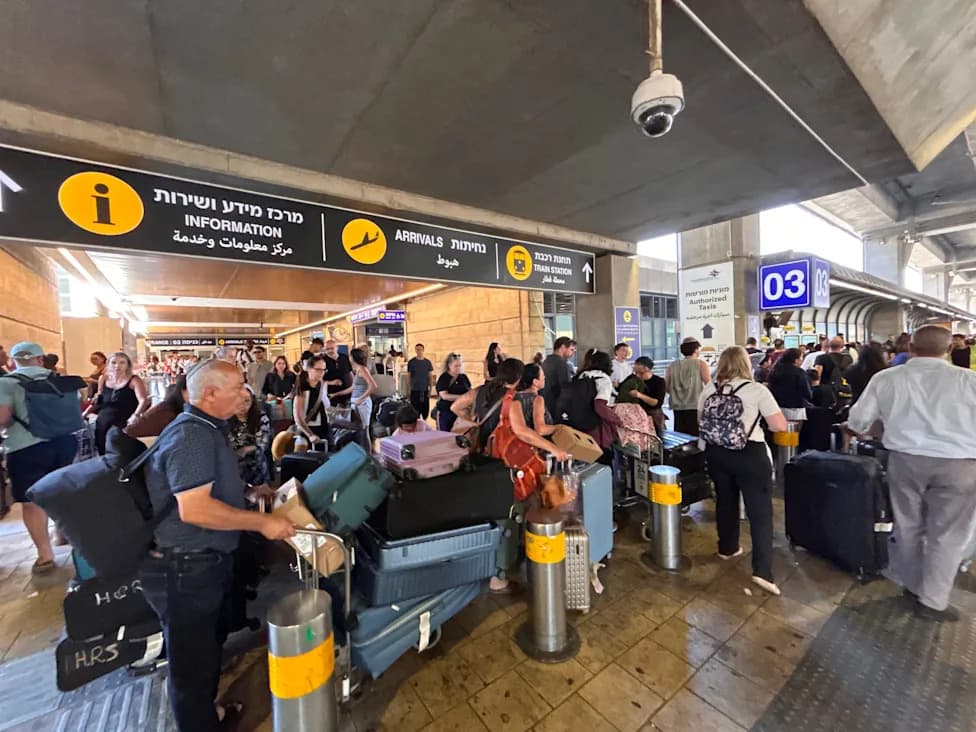
The Israel Defense Forces (IDF) confirmed that dozens of draft dodgers were detained at Israeli border crossings over a two-day period ahead of the annual pilgrimage to Uman for Rosh Hashanah. Military officials did not provide an exact tally or detailed information about the individuals held, but multiple sources report more than 60 arrests since Sunday.
Where and How the Arrests Occurred
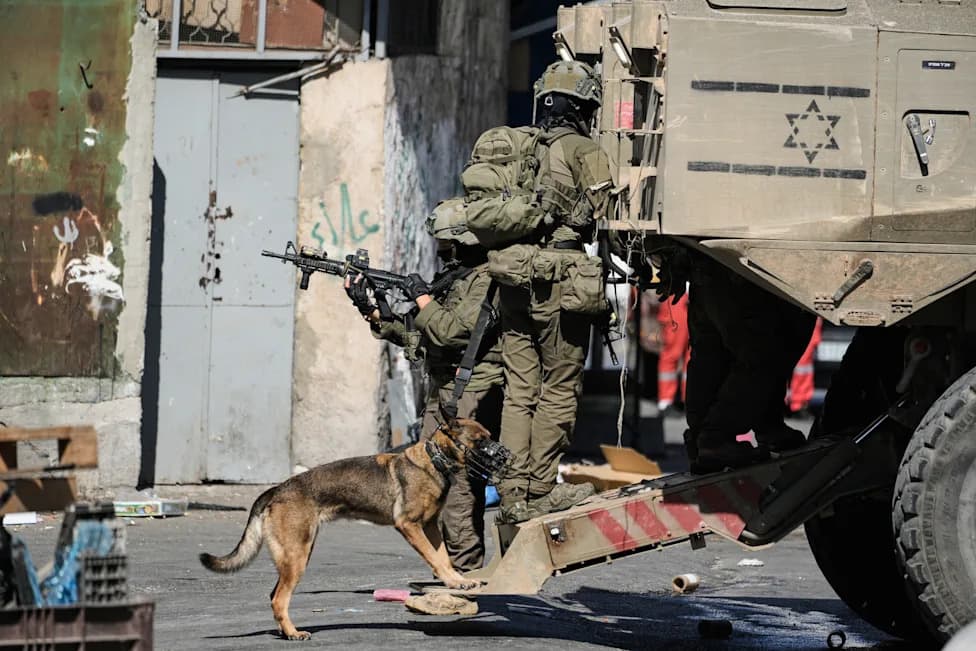
Most detentions were recorded at Ben-Gurion Airport as men attempted to depart Israel, with additional arrests at the Taba land crossing. The IDF said enforcement actions are routine, coordinated with the Population and Immigration Authority, and that arrest preparations and deployments are adjusted according to situation assessments.
Official Procedures
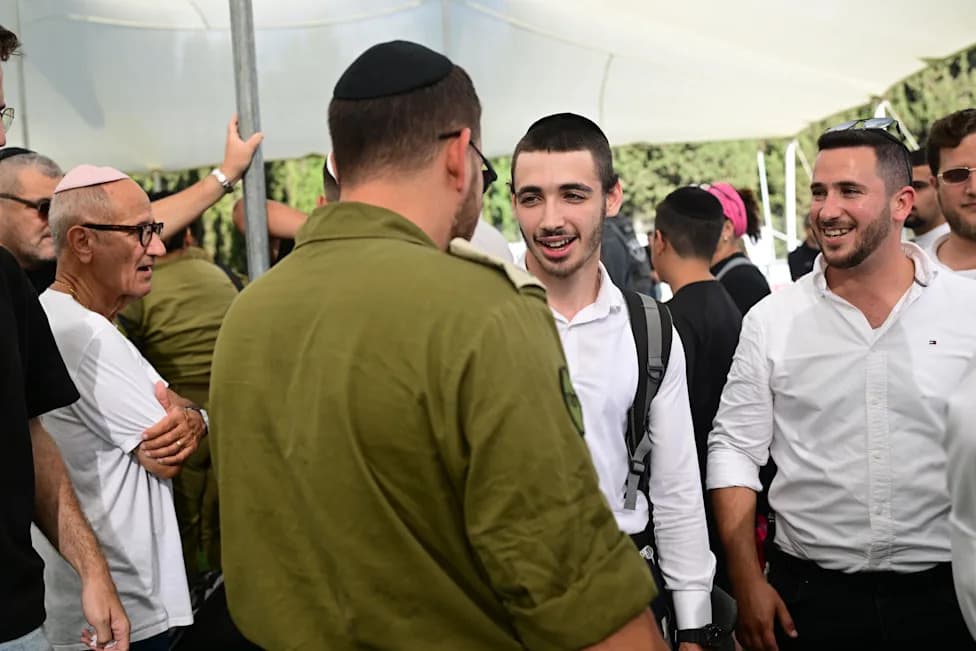
The Population and Immigration Authority flags travelers who appear in its system as subject to travel restrictions. If a restriction is linked to a military order, the army is called to the scene and decides whether to arrest the individual. The IDF noted that those required to enlist may regularize their status by reporting for service.
Community Reaction and Warnings
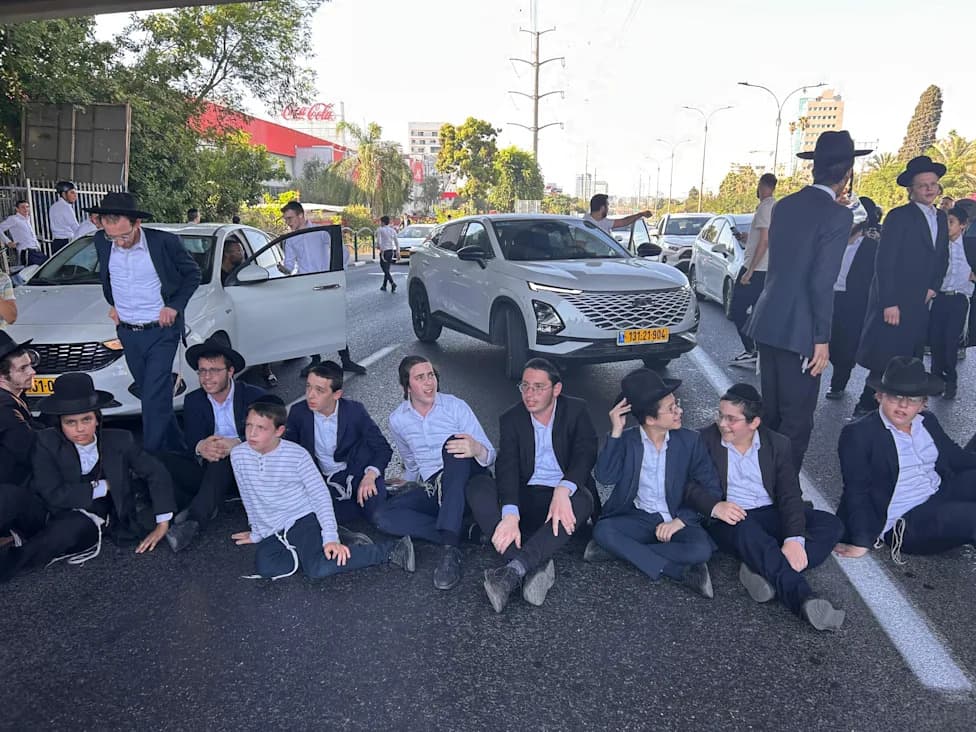
The "I Entrusted Guards" hotline issued a public warning urging haredi youths at risk of arrest to avoid arriving at any border crossing. The hotline emphasized that the risk is not limited to Ben-Gurion Airport and that attempts to exit Israel via land crossings can also lead to detention. It reported that some young men who tried to leave were transferred to military prison and warned that some detainees could remain imprisoned during Rosh Hashanah.
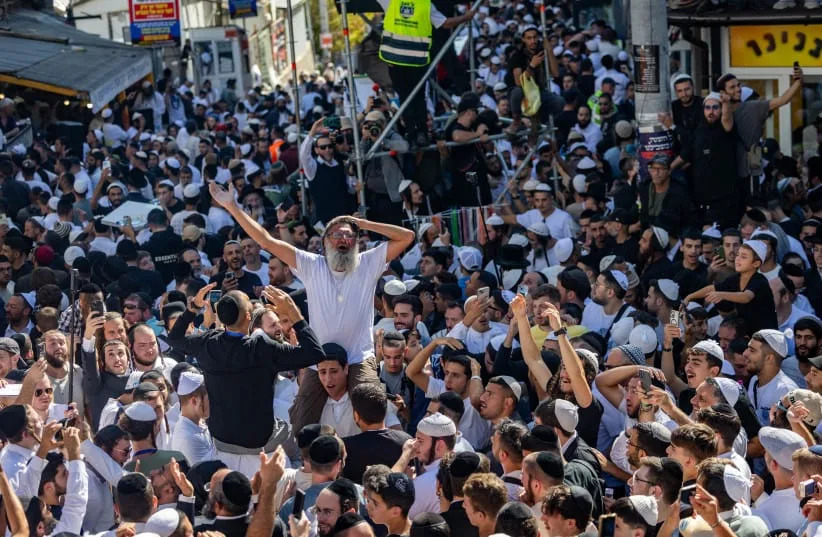
Jewish men in the street during Tikkun HaKlali near the tomb of Rabbi Nachman of Breslov in Uman, on eve of the Jewish holiday of Rosh Hashanah, September 22, 2025. (credit: CHAIM GOLDBERG/FLASH90)
Senior Breslov rabbis have advised those who might face arrest not to present themselves at Ben-Gurion Airport and cautioned against attempting to resolve enlistment status only to catch a flight. An unofficial initiative within the Breslov community has proposed holding Rosh Hashanah prayers in military prison if travel is prevented, aiming to generate public and operational pressure on the IDF.
A Breslov Hasid in his 50s, who is in Uman with five of his sons, said: "There are boys who have been traveling every year since they were five. For them, getting to Uman is in their soul." He added that while some heed rabbinic advice and will stay in Israel, others say they are "willing to sacrifice their lives for this."
Logistics, Technology and Legal Outcomes
Military Police operations are carried out with the Population and Immigration Authority and follow ongoing situation assessments; forces were reinforced ahead of the holiday. Those absent from service for extended periods are generally brought before a military court judge, and some are jailed. The IDF did not disclose how many detained individuals were transferred to military prison.
Officials said a technological change implemented during Passover now enables authorities to flag travelers with restrictions at the check-in stage, including when check-in is completed online, increasing the likelihood that those with outstanding orders will be identified before departure.
Background: The Uman Pilgrimage
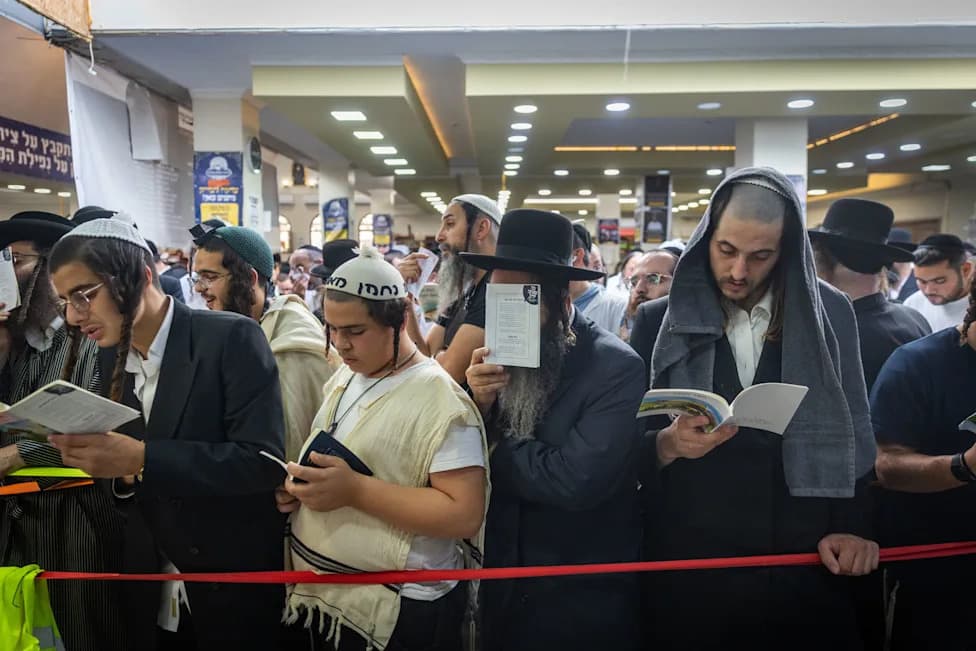
Every year tens of thousands of Breslov Hasidim from Israel and abroad travel to Uman, Ukraine, to pray at the tomb of Rabbi Nachman of Breslov for Rosh Hashanah. This year the pilgrimage has gained sensitivity within the community amid stepped-up enforcement targeting draft evasion.
What To Watch: Authorities are likely to maintain heightened activity at air and land crossings throughout the holiday travel period. Pilgrims and families are closely following developments as the situation evolves.
Help us improve.