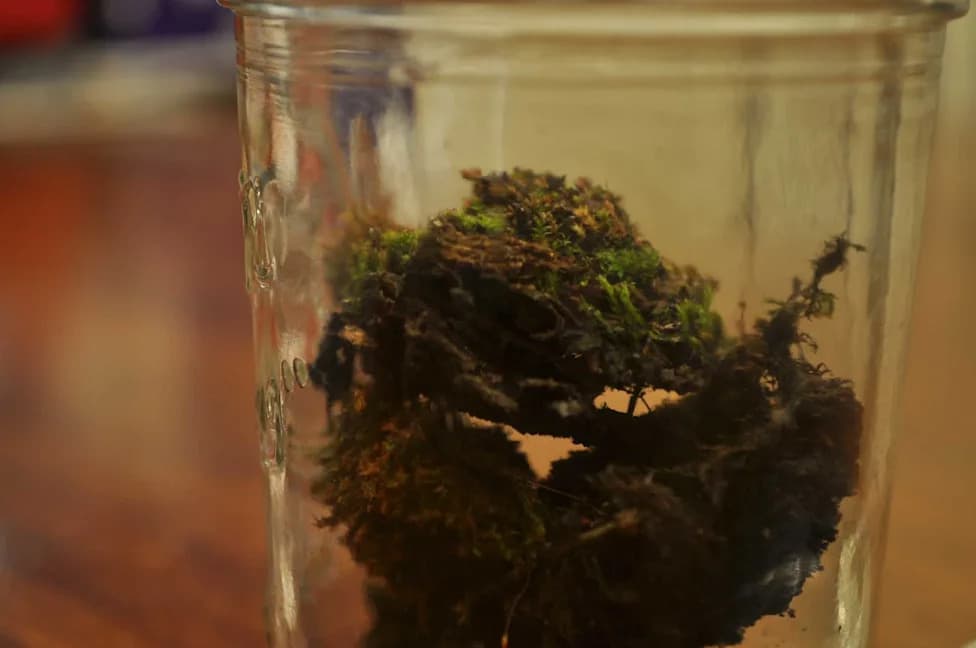
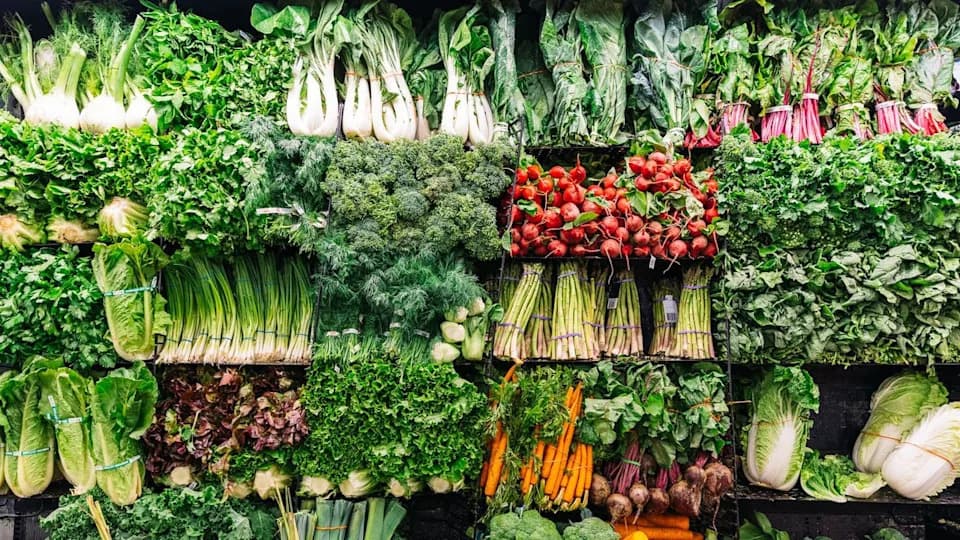
Researchers analysing 3,096 soil samples from 94 countries estimate that soils hold on average more than 5,000 buried seeds per square metre, making natural seed banks far larger by volume than human-built facilities like the Svalbard Global Seed Vault. The study, published in Nature Communications, finds a trade-off between seed density and species richness and shows that undisturbed habitats store richer seed diversity. Protecting soil seed banks alongside human seed repositories is critical for restoration and food-system resilience.
Soil's Hidden Seed Banks Outsize Svalbard Vault — What That Means for Ecosystems and Food Security
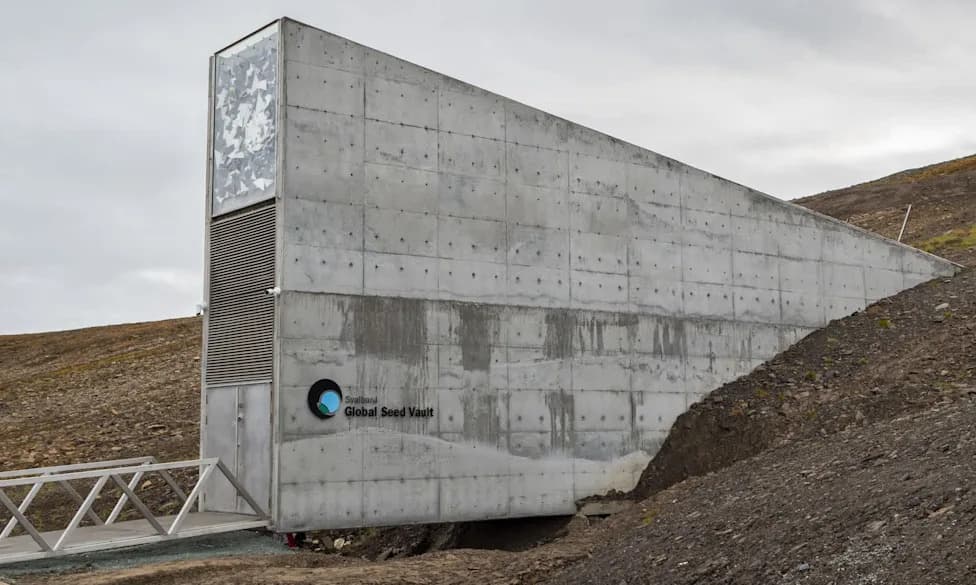
Photo Credit: iStock
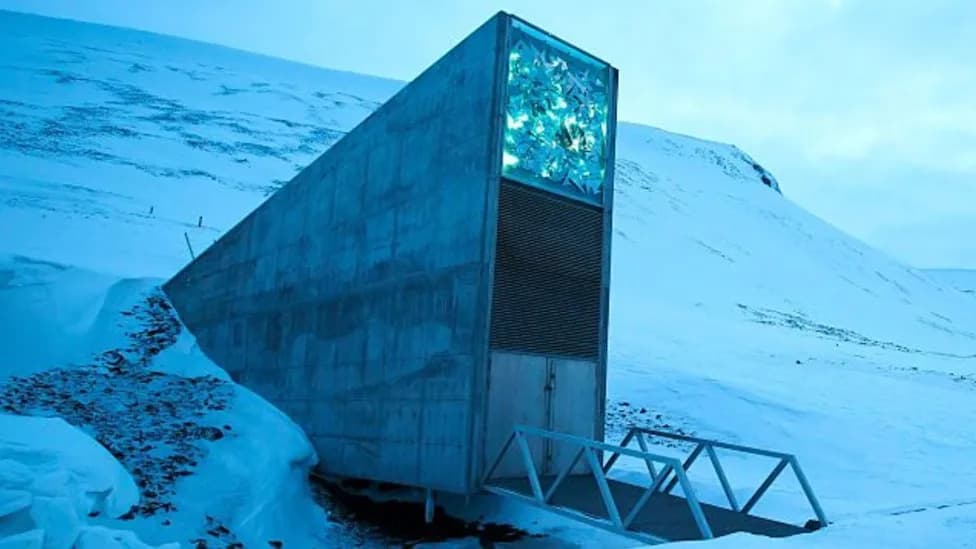
New research shows that the planet's natural seed banks — billions of seeds buried in soils worldwide — dwarf human-built repositories such as Norway's Svalbard Global Seed Vault. These subterranean reserves can play a vital role in helping ecosystems and agricultural systems recover after disturbance.
Using a global soil-seed database that compiled 3,096 sample records from 94 countries and drew on roughly 1,400 individual studies, the team estimated that land, wetland and aquatic habitats contain on average more than 5,000 buried seeds per square metre (about 10.8 sq ft). The analysis, published in Nature Communications, was led by ecologists Alistair Auffret (Swedish University of Agricultural Sciences) and Emma Ladouceur (University of Prince Edward Island).
By sheer volume, these natural soil seed banks are far larger than any human-made vault. The researchers, however, identified an important trade-off: places with many plant species do not always have high numbers of buried seeds, while locations with very dense seed stores can show lower species diversity.
That pattern varied by ecosystem: tropical environments tended to display high species richness but relatively lower seed density, whereas arable farmland often concentrated many seeds but represented fewer species.
Why Soil Seed Banks Matter
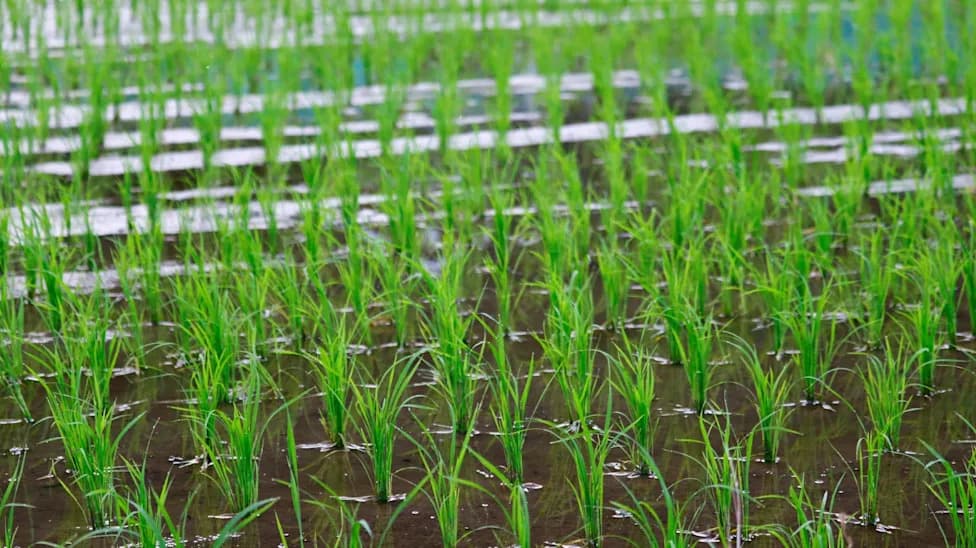
Soil seed banks act as nature's insurance policy. After floods, fires, extreme weather or other disturbances remove vegetation from the surface, seeds already stored in soil can germinate and help plant communities re-establish without human reseeding. Healthy, diverse vegetation in turn supports food production, reduces erosion, protects water systems and stabilizes landscapes for people and wildlife.
The study also found seed-bank richness tends to be higher in undisturbed habitats than in degraded ones, suggesting human activities may be eroding this natural reserve just when ecosystems are most vulnerable.
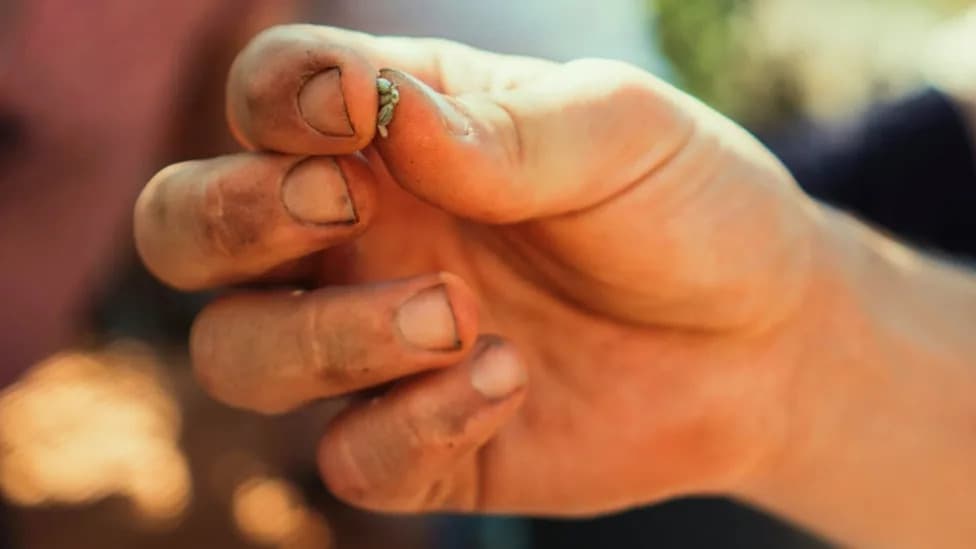
In the broadest sense, if you put your finger to the earth, you are likely to be pointing at a seed.
Implications for Conservation and Farming
Having a global benchmark for soil seed-bank size helps restoration planners, farmers and conservationists decide where passive recovery may be effective and where active restoration will be required. The results reinforce the importance of protecting intact habitats to preserve the diversity stored in soils.
Human-built seed banks such as Svalbard remain a crucial insurance policy for crop varieties and genetic diversity. But this research highlights that protecting and managing the living seed reserves embedded in ecosystems is an equally important strategy for long-term resilience.
Practical Examples
Efforts to preserve plant diversity take many forms: Indigenous seed stewardship in Peru's Potato Park preserves ancient potato varieties; indoor farms use sensor-guided crop modelling to stabilize harvests; and researchers are trialing nitrogen-saving wheat techniques that could raise yields with less fertilizer. Combining ex situ conservation (vaults and seed banks) with in situ protection of soil seed banks and better farming practices offers the strongest path to resilient food systems.
Overall, the study highlights both the immense scale and the fragility of the underground seed resource and underscores the need to integrate soil seed-bank protection into conservation and agricultural planning.
Help us improve.