The Beal Seed Experiment began in 1879 when botanist William James Beal buried 20 bottles of sand and mixed seeds to test how long different species remain viable in soil. The recovery schedule changed over time—from every five years to every 20—and the project continues under researchers at Michigan State University. The 2021 dig produced 20 mullein seedlings (19 moth mullein, 1 hybrid); many species lost viability within 60 years. Researchers use revival techniques and detailed analysis to learn traits that enable long dormancy, insights that help seed banks and crop resilience planning.
Buried for Generations: The 1879 Beal Seed Experiment and What It Teaches Us About Seed Longevity
One of the world's longest running experiments will run another nearly 80 years.
One of the longest-running ecological experiments in history began in 1879, when botanist William James Beal buried 20 glass bottles of mixed seeds to test a deceptively simple question: how long can seeds remain viable while buried in soil?
What Beal Did
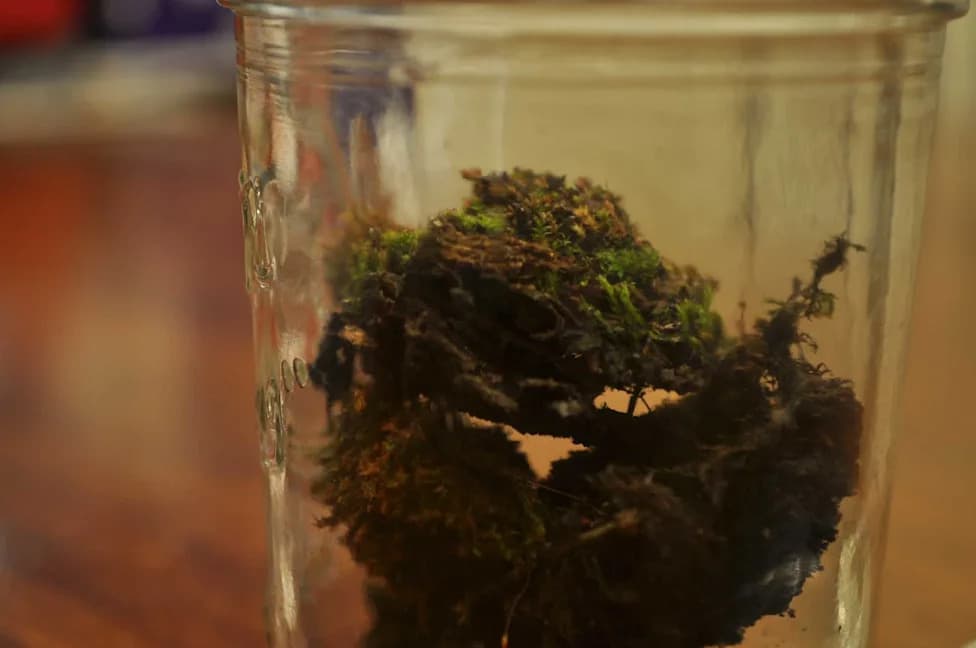
Beal filled 20 open-topped bottles with sand and seeds. Each bottle contained 50 seeds of more than 20 species—more than 1,000 seeds per bottle—arranged so that soil and some moisture could enter but the bottles would not flood. The goal was to keep seeds dormant rather than provide conditions that would reliably trigger germination.
How The Schedule Changed
Beal originally planned to dig up a bottle every five years. He ran the study personally for more than 30 years before passing it on in 1910. In 1920 the interval was extended to every ten years, and in 1980 it became every 20 years. The experiment remains active and is expected to conclude around the year 2100.
Current Stewardship
The project has been handed between curators and is now overseen by a team at Michigan State University, after longtime curator Frank Telewski selected a new generation to continue it. At 147 years old, the Beal Seed Experiment is one of the longest-running continuous scientific studies in existence.
The 2021 Recovery
The most recent bottle was opened in April 2021 after a one-year delay due to the COVID-19 pandemic. To avoid exposing samples to sunlight that might alter outcomes, the recovery was conducted at night. Scientists sowed the extracted seeds under controlled conditions to test germination.
Twenty seedlings emerged, all from the mullein group. DNA testing identified 19 as Verbascum blattaria (moth mullein) and one as a hybrid between moth mullein and common mullein—an unexpected result that Beal could not have predicted. Many other species in the experiment lost germination ability within the first 60 years.
Revival Attempts And Analysis
When seeds fail to sprout, researchers use a range of revival techniques to see whether dormant but viable seeds can be reawakened. These include simulated winter treatments (cold shocks), exposure to smoke cues that mimic fire, and other experimentally informed stimuli. If revival fails, seeds are examined in detail to identify structural, physiological, or molecular traits associated with long-term survival.
Why It Still Matters
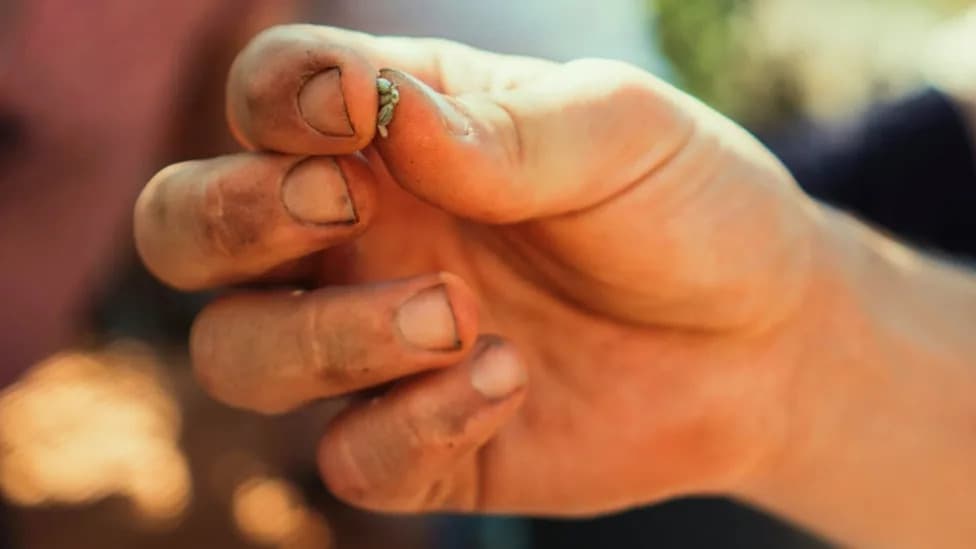
Findings from the Beal experiment have practical implications: they inform seed-bank management, conservation strategies, and agricultural research. Understanding the molecular and ecological basis of seed longevity could point to genetic targets or breeding strategies for developing crops that are more resilient to climate change and storage stress—knowledge that may become increasingly important for global food security.
Looking Ahead
Only four bottles remain in the ground, so future recoveries will be rare and scientifically valuable. The next planned exhumation is expected around 2040, and the final bottles are slated for removal near 2100. The Beal Seed Experiment will continue to provide unique, long-term data for generations of scientists.
Help us improve.