South Korea aims to scale a national seed-conservation programme into a global backup focused on crop wild relatives. KoAGI, founded in 2017, has identified 206 wild-relative species and collects about 300 genetic samples a year with eight university partners. The Baekdudaegan Global Seed Vault in Bonghwa stores roughly 290,000 accessions (about 131,000 from abroad) as part of a push for greater international cooperation to protect plant genetic diversity and strengthen food-system resilience.
South Korea Pushes Global Seed Backup to Shield Crops From Climate Threats
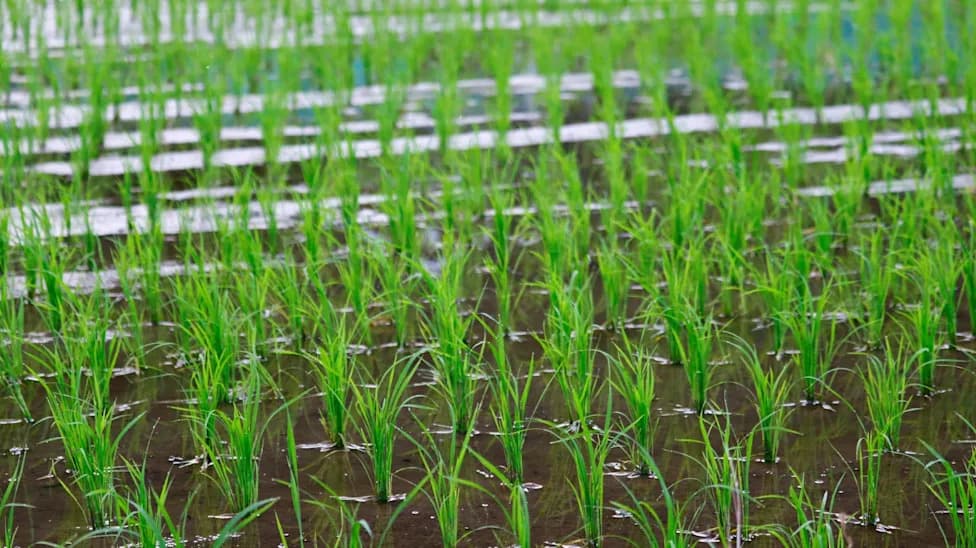
Photo Credit: iStock
South Korea is expanding a domestic seed-conservation programme into an international safety net to help protect crops, forests and food systems from climate-driven threats such as heat, pests and extreme weather.
What KoAGI Is Doing
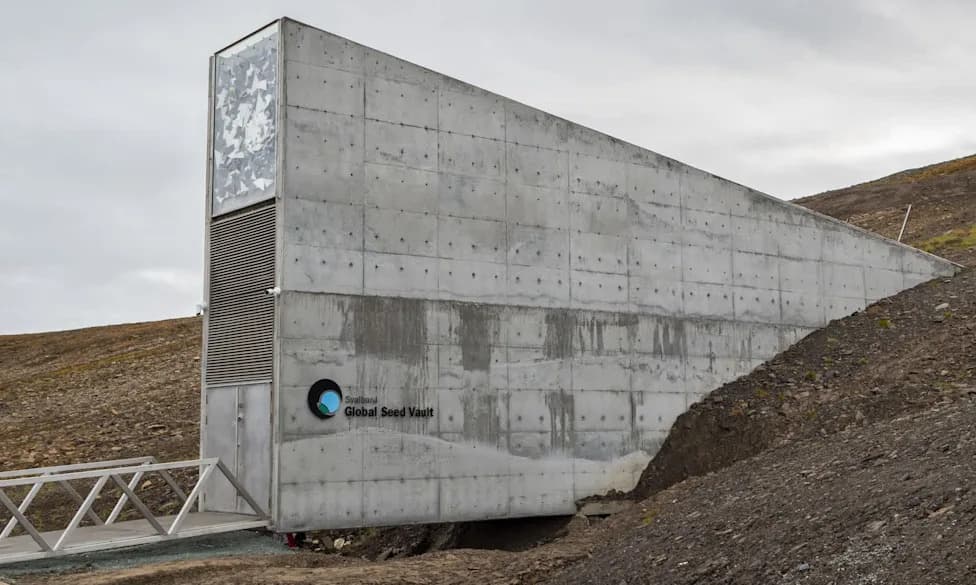
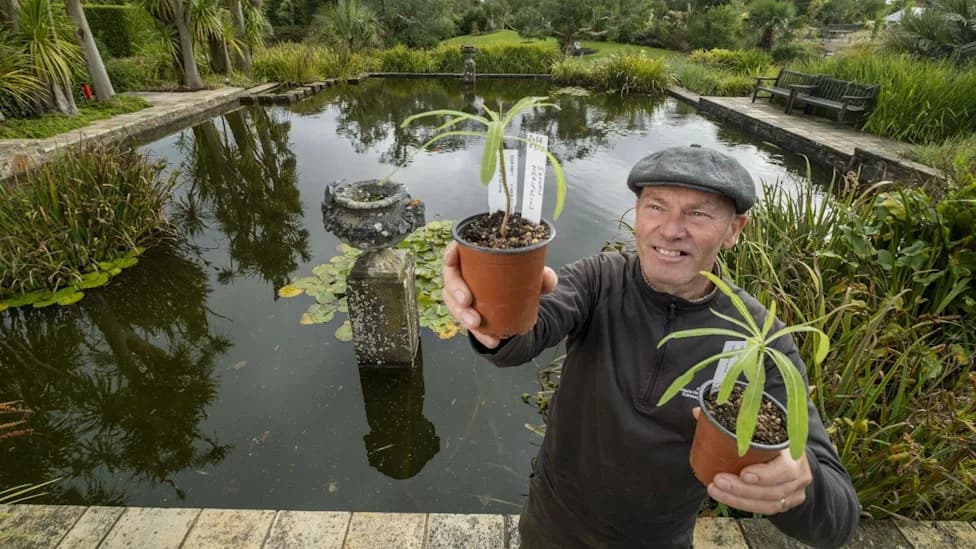
The Korea Arboreta And Gardens Institute (KoAGI), established in 2017 under the Korea Forest Service, manages the Baekdudaegan Global Seed Vault in Bonghwa along with several national conservation sites. KoAGI’s president, Shim Sang-taek, says the institute now aims to play a larger international role in safeguarding plant genetic resources and supporting global adaptation efforts.
Why Crop Wild Relatives Matter
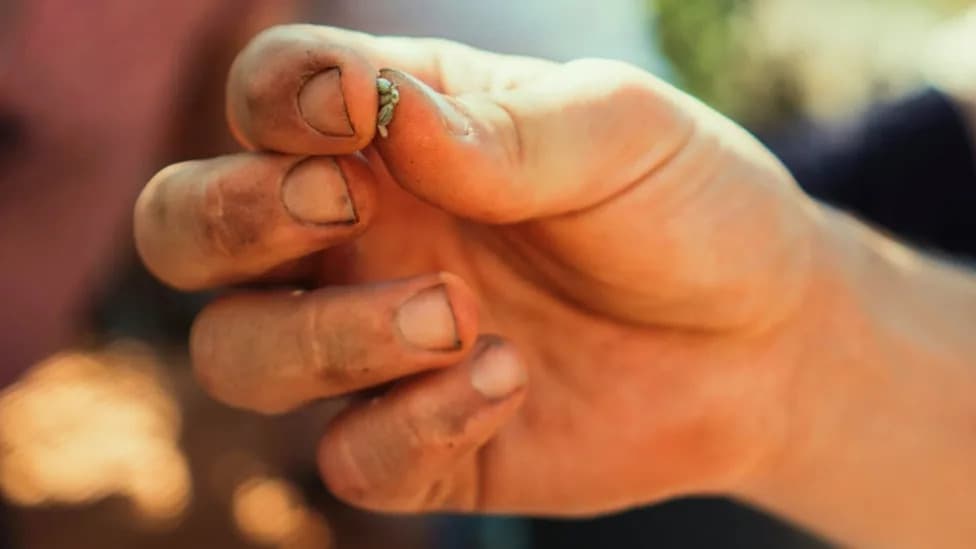
Crop wild relatives — the uncultivated cousins of the crops we farm — often carry traits such as drought tolerance, salt tolerance, disease resistance and heat resilience. These traits can be critical for plant breeders seeking to develop varieties that withstand shifting climates and new pests.
Progress And Capacity
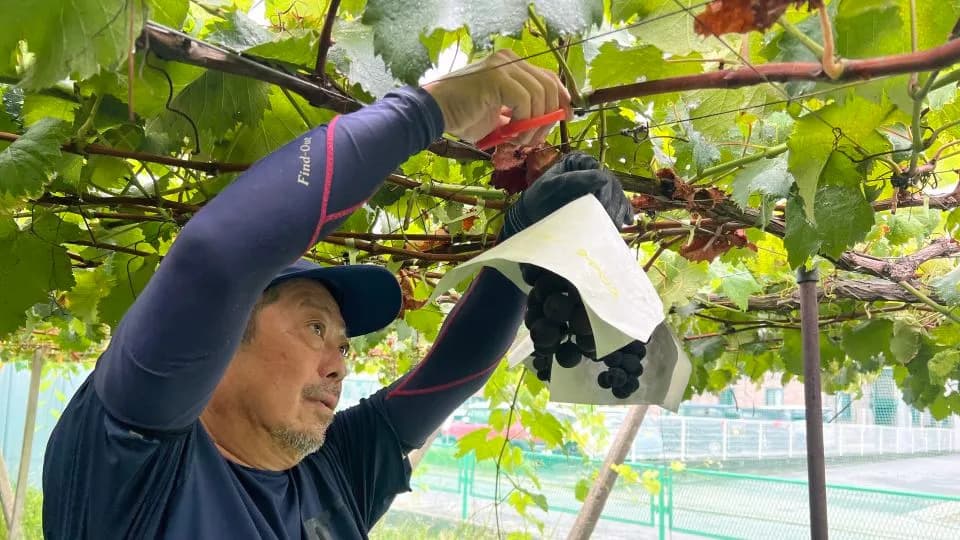
Since completing its first national inventory in 2022, KoAGI has identified 206 crop wild relative species, including wild relatives of blueberries and onions. Working with eight universities, the institute collects roughly 300 genetic samples per year from about 30 species and has compiled more than 7,100 trait-linked data points useful to breeders and conservationists.
"The climate crisis and biodiversity loss are global challenges that no single country can solve alone," Shim Sang-taek said. "International cooperation and joint action grounded in scientific evidence are more important than ever."
Baekdudaegan Global Seed Vault
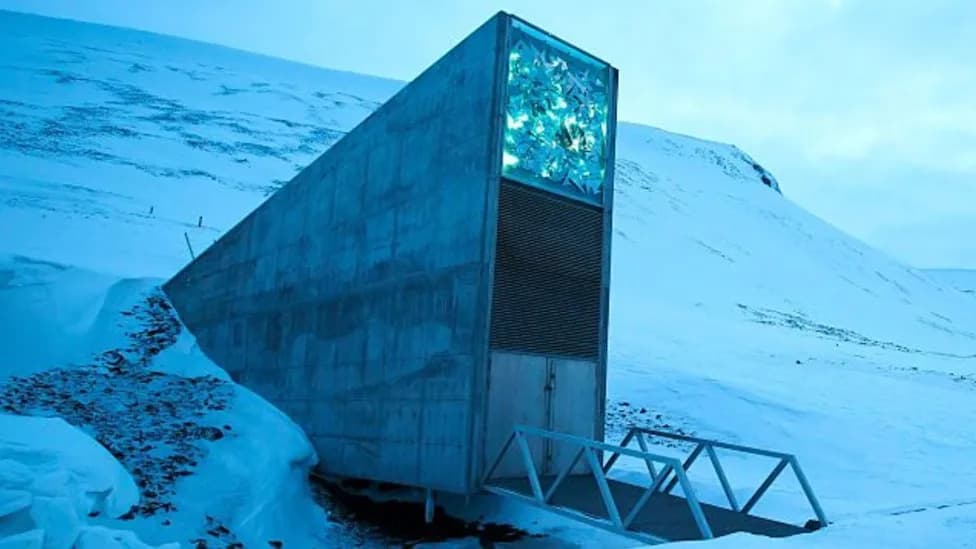
The Baekdudaegan Global Seed Vault is designed as a long-term repository to protect seed collections from natural disasters, habitat loss and extinction. It currently stores about 290,000 seed accessions, of which roughly 131,000 originate from other countries, giving the vault a significant international footprint.
Implications For Food Security
If hotter, more erratic weather weakens staple crops, breeders can draw on traits preserved in wild relatives to develop hardier varieties and support food security. Conserving plant genetic diversity also helps protect livelihoods, cultural food traditions and potential future medical or commercial uses.
Related Global Efforts
- In Peru, Indigenous communities preserve heirloom potato seeds to protect local food supplies from future shocks.
- Agribusiness Corteva has promoted a new hybrid wheat aimed at helping farmers in harsher growing conditions.
- On the White Earth reservation in Minnesota, Winona LaDuke supports reviving traditional, resilient farming to strengthen local food systems.
KoAGI seeks to become a central partner in the international effort to identify endangered plant species, collect backup seed samples, and expand scientific knowledge before climate change further undermines crop viability.
Bottom line: Protecting plant genetic diversity is a critical piece of building climate-resilient food systems — but it must be paired with broader changes in farming, breeding and policy to secure future harvests.
Help us improve.