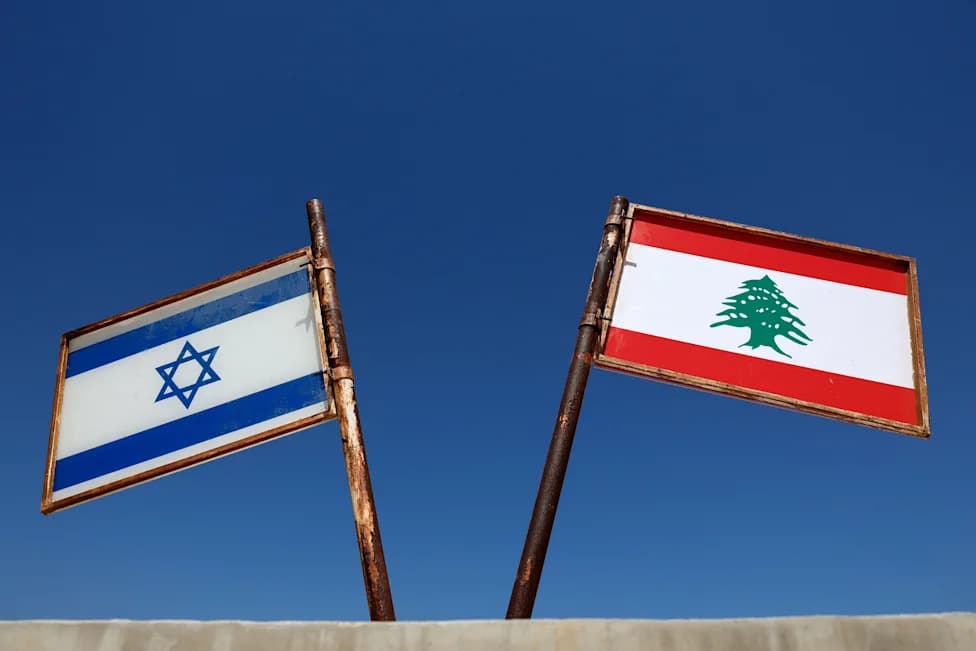
The fourth annual MEAD conference opened in Washington, D.C., drawing delegations from 24 countries, including 12 Middle Eastern states, at a pivotal moment for regional security. Top agenda items include Iran, navigation through the Strait of Hormuz, Lebanon, and a political and security framework for Gaza. The forum operates under the Chatham House Rule, enabling confidential dialogue and permitting participation by states without formal ties to Israel. The summit also arrives ahead of Israeli elections and U.S. midterms that could influence future policy across the region.
MEAD Conference Opens in Washington as US and Israel Confront Key Regional Choices
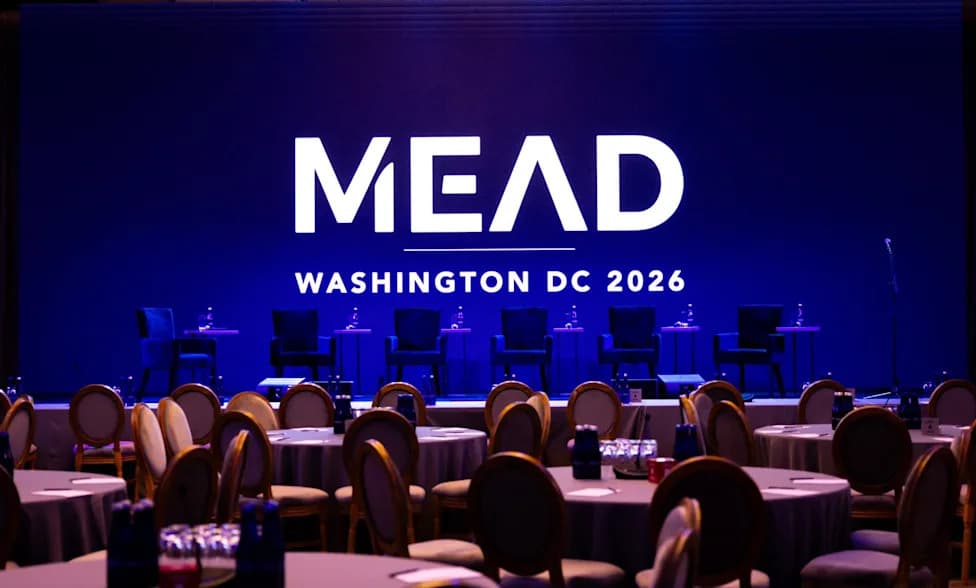
The MEAD conference kicked off in Washington on September 8, 2026. (photo credit: Itzik Belnitsky)
The fourth annual MEAD conference opened in Washington, D.C., on Tuesday, convening senior officials, security experts and private-sector leaders amid heightened regional uncertainty.
Delegations from 24 countries — including representatives from 12 Middle Eastern states — are attending, marking the largest international turnout in the forum's history. The conference brings together figures from the U.S. administration, security and intelligence communities, the Israeli government, and a range of regional partners, alongside leaders in technology, energy, finance and business.
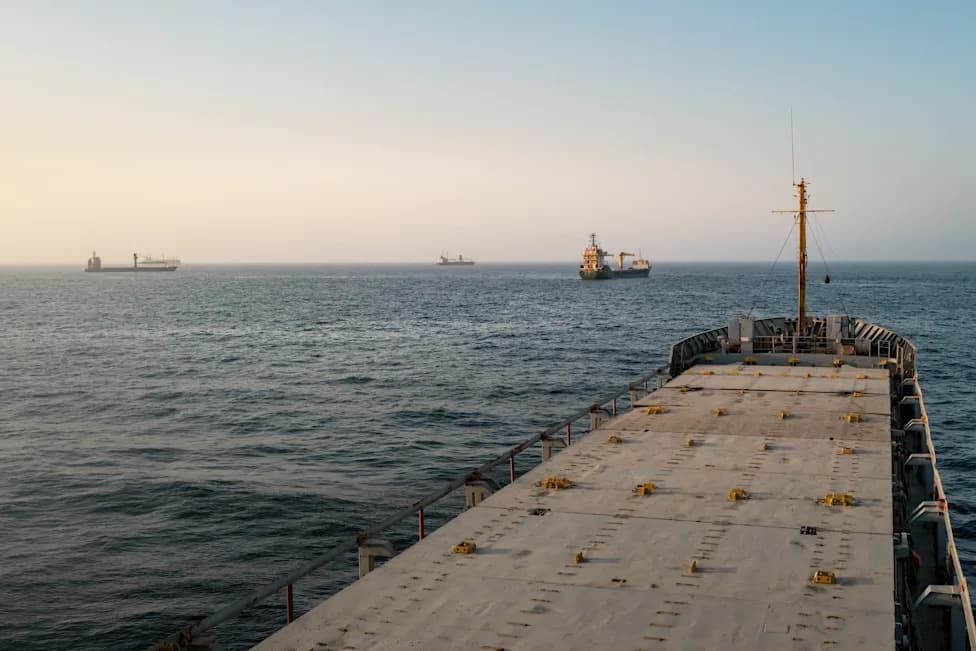
Key issues on the agenda include persistent concerns over Iran, challenges to navigation through the Strait of Hormuz, developments in Lebanon, and efforts to craft a political and security framework for Gaza. Regional governments are also exploring new security arrangements and cooperation mechanisms as energy security and freedom of navigation increasingly take on strategic importance.
One notable feature of this year's meeting is participation by officials from countries that do not maintain formal diplomatic relations with Israel. Their involvement has been enabled by the conference's longstanding rules on confidentiality and participation, which allow senior figures from states without formal ties to engage in strategic, off-the-record discussions.
MEAD operates under the Chatham House Rule, permitting attendees to use information from discussions while prohibiting attribution of comments to specific individuals. Organizers say this framework encourages candid exchanges on sensitive topics that participants would be unlikely to address in public or in formal diplomatic settings.
The conference comes as political calendars in the region and the United States add another layer of uncertainty: Israeli elections and upcoming U.S. midterm contests could shape the future of U.S.-Israel relations and broader American policy in the Middle East.
By bringing together a wide cross-section of policymakers and private-sector leaders, MEAD seeks to strengthen American engagement in the region, deepen ties among partners, and explore practical avenues for greater regional integration in the face of persistent geopolitical uncertainty.
Help us improve.