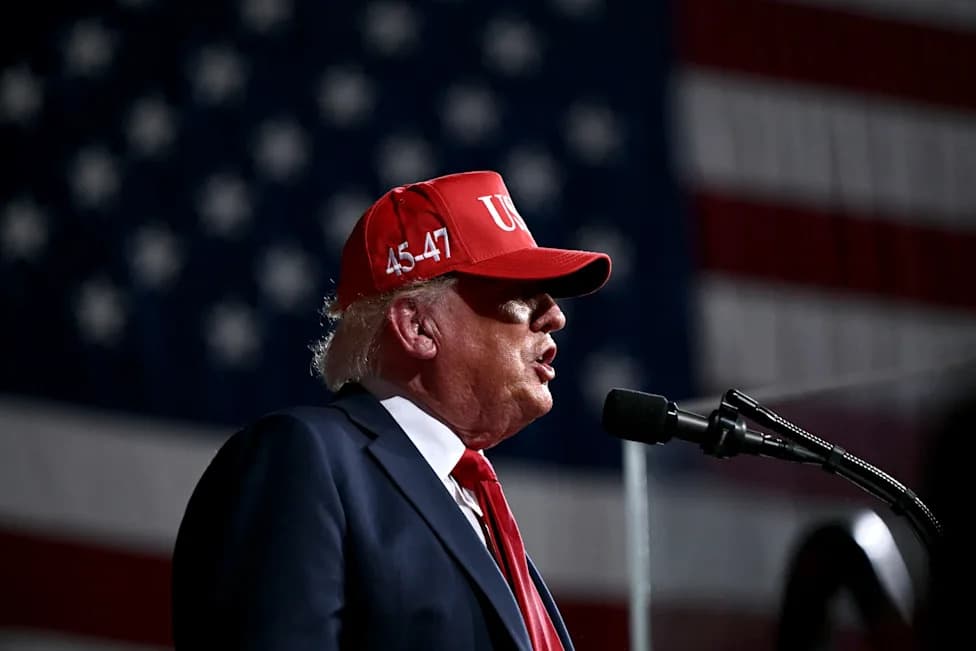
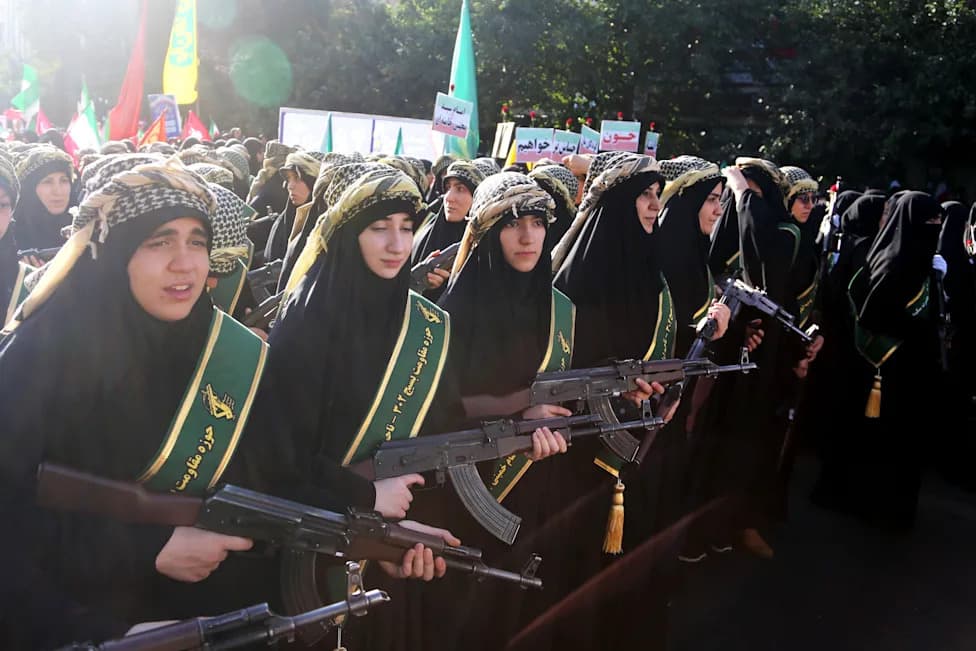
President Trump convened senior representatives from 12 Middle Eastern nations at the U.N. to address Iran, maritime security and regional stability. He said there was "a lot of momentum" toward a possible Iran deal after three hours of U.S.-Iran talks in New York and warned the U.S. could target another nuclear site if necessary. Gulf states pushed for protection of shipping through the Strait of Hormuz while Qatar and others pressed diplomatic channels. The meeting also connected concerns over the Houthi offensive in Yemen and humanitarian needs in Gaza.
Trump Says 'Momentum' Toward Iran Deal After Expanded Mideast Meeting at U.N.
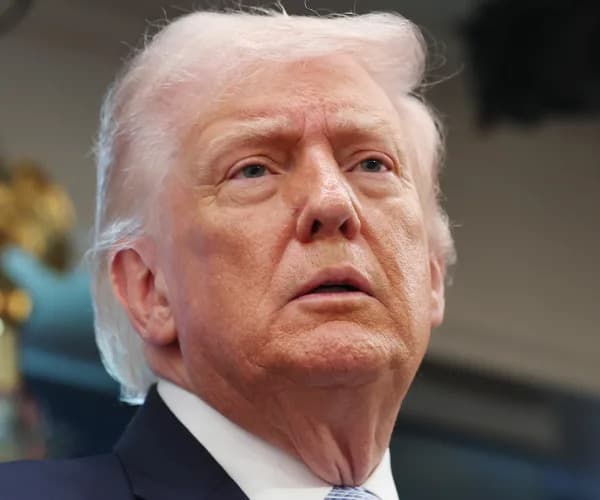
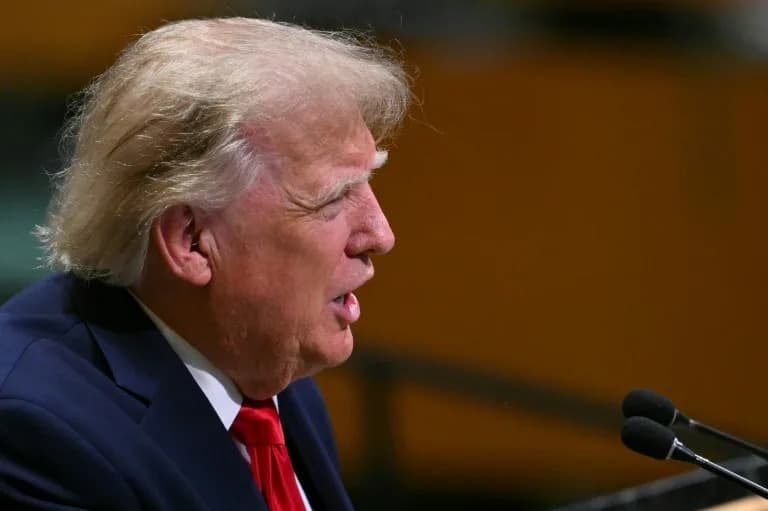
President Donald Trump (Getty)
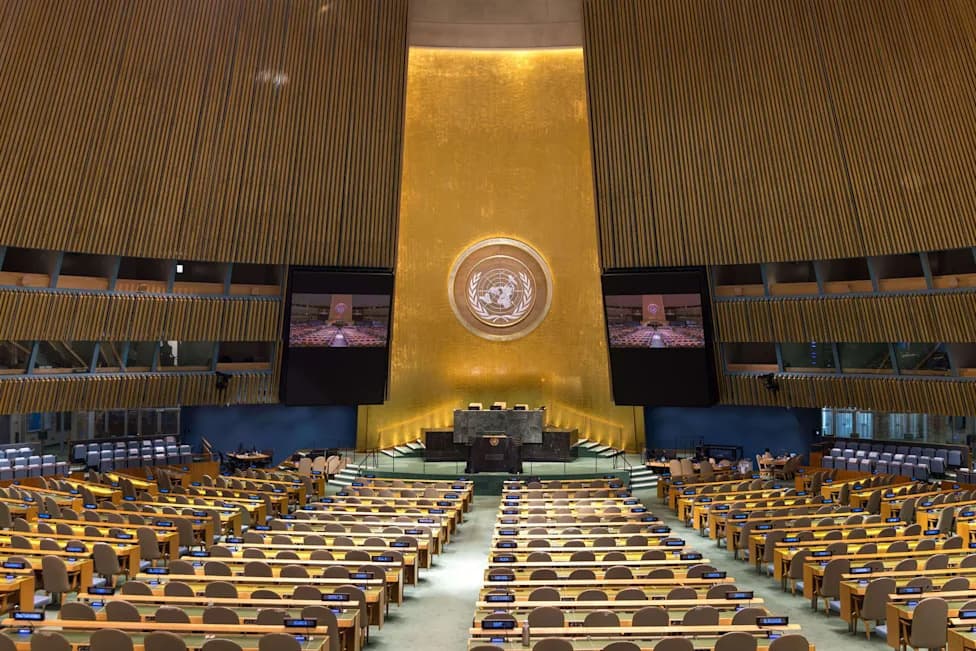
President Donald Trump convened senior representatives from 12 Middle Eastern countries on the sidelines of the United Nations General Assembly to discuss the Iran conflict, security in the Strait of Hormuz and broader regional stability.
The White House described the gathering as a multilateral meeting with the Gulf Cooperation Council (GCC). According to a White House pool report and the Times of Israel, delegations from six additional regional states—Iraq, Jordan, Turkey, Syria, Lebanon and Egypt—also attended alongside the six GCC members: Saudi Arabia, the United Arab Emirates, Qatar, Bahrain, Kuwait and Oman.
Trump told the assembled leaders there was "a lot of momentum" toward a potential agreement with Iran after roughly three hours of talks between U.S. and Iranian representatives in New York earlier that day.
"We think the situation in Iran can end after the midterm elections," Trump said during the meeting, according to the White House pool report.
He reiterated that preventing Iran from obtaining a nuclear weapon has been a central objective of U.S. policy and military pressure, warning that Washington could strike another Iranian nuclear site if necessary. The president specifically referenced the Pickaxe Mountain facility as a potential target should activity there intensify.
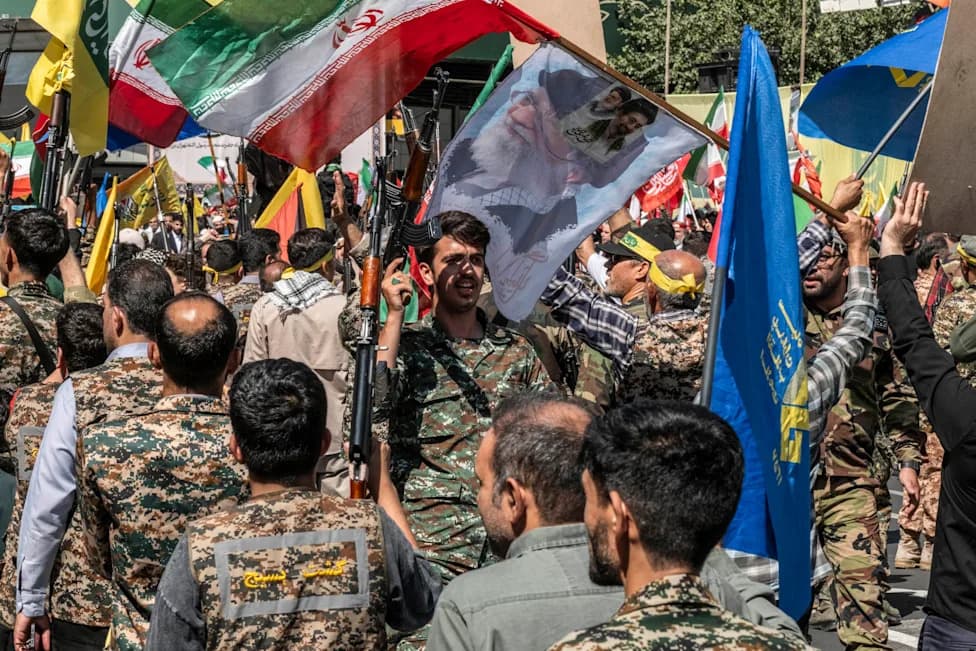
The meeting came as Gulf governments pressed to limit the conflict's regional spillover and to protect shipping lanes and energy infrastructure—concerns amplified by recent disruptions in the Strait of Hormuz.
Before the session, U.S. and international outlets reported that Saudi Crown Prince Mohammed bin Salman had urged Trump to order strikes against Iran-aligned Houthi forces advancing in Yemen. Trump ultimately refrained from immediate military action, deciding not to join Saudi strikes on the Houthis at that time.
Qatar's Emir, Sheikh Tamim bin Hamad Al Thani, used his U.N. address to argue the crisis could still be resolved diplomatically, calling for the reopening of the Strait of Hormuz and for renewed negotiations. He also said the absence of a regional collective-security framework has helped fuel recurring conflicts.
Qatar has been active mediating between Washington and Tehran. Iranian officials said Foreign Minister Abbas Araghchi met with U.S. special envoy Steve Witkoff in New York, with Qatar facilitating the talks; Tehran indicated conditions for reopening the Strait could include an end to the U.S. naval blockade and other concessions.
The regional diplomatic push also addressed Gaza: foreign ministers from Qatar, Egypt, Jordan, the UAE, Saudi Arabia, Turkey, Indonesia and Pakistan met in New York to urge implementation of the first phase of the Comprehensive Plan for Gaza, calling for increased humanitarian assistance and early-recovery supplies while rejecting forced displacement.
Jordan's King Abdullah II separately criticized Israeli policy in the West Bank and Gaza during his U.N. speech, describing what he called "forced displacement" in the West Bank as a war crime—remarks that highlighted the broader regional concerns Arab leaders brought to New York.
Why This Meeting Mattered
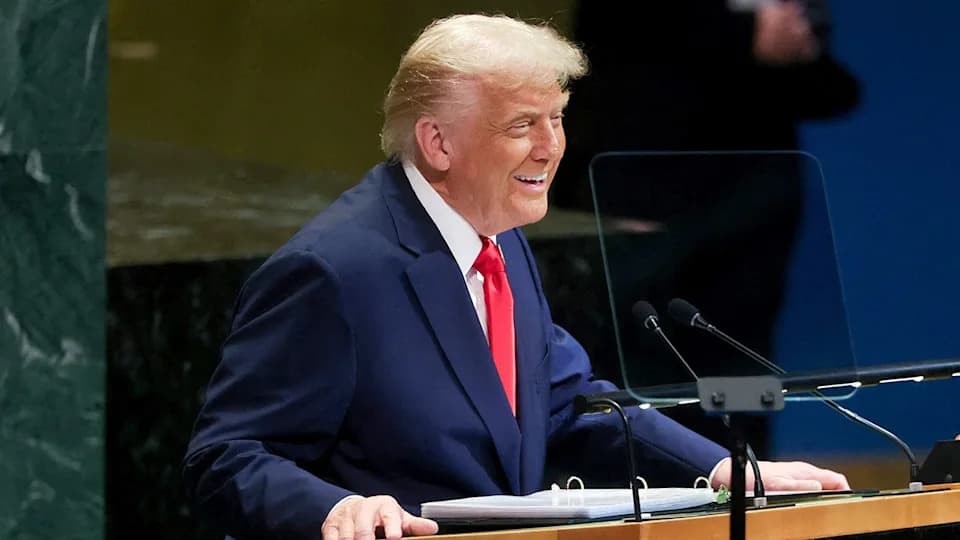
Trump's meeting tied together several overlapping regional issues: the prospect of renewed U.S.-Iran negotiations, continued pressure to prevent an Iranian nuclear program, protection of maritime routes through the Strait of Hormuz, the Houthi offensive in Yemen, and urgent humanitarian and political concerns in Gaza. The session followed Trump's U.N. address earlier that day, where he said he faced a choice between reaching a deal with Iran and "annihilating the Islamic Republic" if Tehran refused to negotiate.
Help us improve.