Newly released minutes from a secret November 1993 meeting in Amman show how Israeli foreign minister Shimon Peres and Jordan's King Hussein advanced early understandings that helped lead to the 1994 Israel–Jordan peace treaty. The papers, published on the 10th anniversary of Peres's death, describe steps taken to conceal Peres's visit and record candid exchanges, including Hussein's vow to "put everything on the line." Peres proposed regional economic cooperation and an "informal non-paper" to brief Israeli leadership; the two leaders initialed a memorandum later linked to the treaty signed in October 1994.
Secret 1993 Meeting Between Shimon Peres and King Hussein Helped Pave Way For Israel–Jordan Peace, Newly Released Documents Show
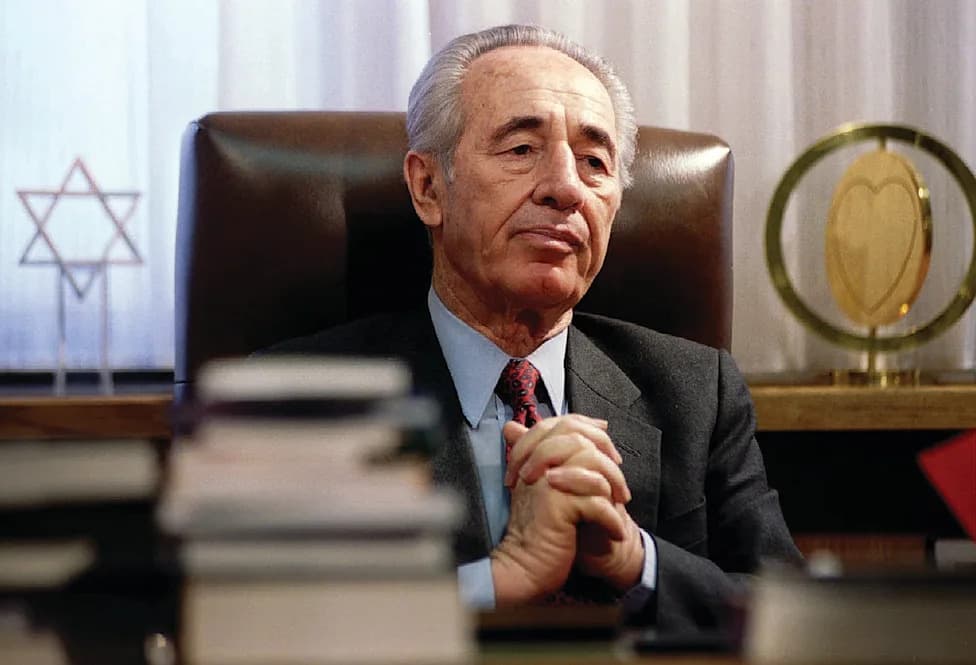
THE LATE Shimon Peres at his desk in 1994. (photo credit: REUTERS)
Newly released documents reveal that a clandestine November 1993 meeting between then-Israeli foreign minister Shimon Peres and Jordan's King Hussein played a key role in laying the groundwork for the 1994 Israel–Jordan peace treaty, the Peres Center for Peace and Innovation said on Tuesday. The papers were published on the 10th anniversary of Peres's death and the same day Israel renamed the Jerusalem International Convention Center in his honor.
The minutes — taken at the Jordanian royal palace in Amman and long kept secret — describe measures taken to conceal Peres's identity during the visit and record frank, sometimes personal exchanges that reflected shared urgency about advancing a peace agreement.
Secrecy, Urgency and a Shared Vision
According to the records, King Hussein requested the meeting on Oct. 26, 1993, and described Peres as a creative and trusted interlocutor. The minutes quote Hussein saying he felt pressed for time and was prepared to "put everything on the line," adding, "Perhaps I have only a year or two left."
"Perhaps I have only a year or two left; I will put everything on the line," King Hussein told Peres, according to the minutes.
Peres outlined a forward-looking vision of regional economic cooperation — shared ports, aviation links, roads and joint infrastructure projects — that could underpin a durable peace. He also proposed preparing an "informal non-paper" summarizing the meeting's discussions so he could brief Prime Minister Yitzhak Rabin.
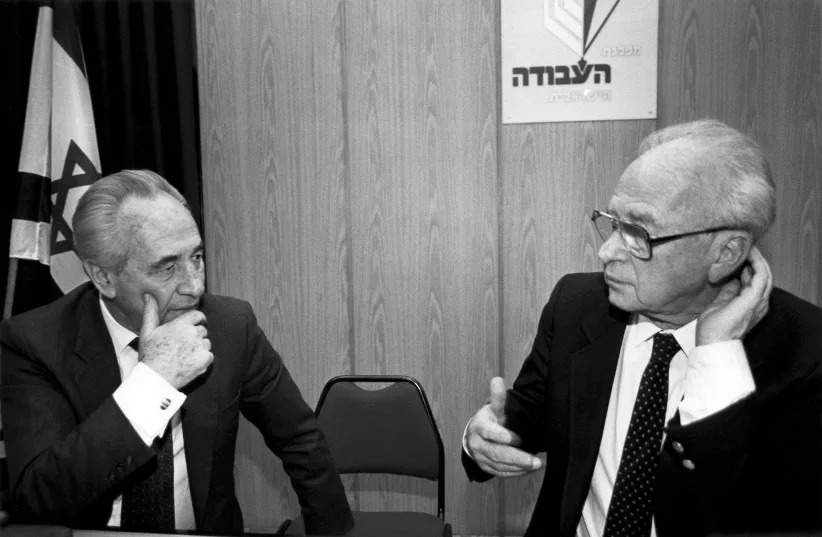
THEN-PRIME minister Yitzhak Rabin and his foreign minister Shimon Peres confer at a Labor Party meeting in 1993. (credit: MOSHE SHAI/FLASH90)
"There is now tremendous public support for the peace agreement. Young people are fed up with wars, poverty and the absence of freedom," Peres is recorded as saying.
A Personal Plea and a Turning Point
One of the meeting's most poignant moments came when Hussein referenced the assassination of his grandfather, King Abdullah I, and framed his efforts as part of a legacy for future generations. The minutes say the two leaders initialed a memorandum of understanding that night — a step that contributed to the formal treaty signed in October 1994 in the Arava.
The Peres Center noted the meeting built on years of covert contacts between Israel and Jordan, including earlier efforts under the 1987 London Agreement. Israeli diplomatic leadership under Prime Minister Yitzhak Rabin, Peres's role as foreign minister, and intelligence coordination that involved Mossad chief Ephraim Halevy all contributed to the process that culminated in the treaty.
Legacy Reflected
Chemi Peres, chairman of the Peres Center for Peace and Innovation, said the documents are moving evidence of Peres's worldview: a visionary belief that diplomacy and practical cooperation could change reality. Efrat Duvdevani, the center's director-general, called the minutes a "testament for peace" and noted Peres's parallel efforts to bolster Israel's security and strategic industries.
While the newly published records add color and detail to the story of the Israel–Jordan peace process, they also underscore the combination of discretion, initiative and political will that helped turn clandestine talks into a formal, long-lasting agreement.
Help us improve.