Arcade.gov, launched by the Trump White House on September 3, 2026, features five politically themed browser games, including a Tetris‑style title. The Tetris Company publicly disavowed the site within 48 hours and said it was "reviewing the matter," stressing its stance on copyright protection. Legal risk is complicated because U.S. law protects artwork, code and branding but not basic game mechanics, and Arcade.gov reportedly uses original pixel art. The episode underscores tensions between political messaging and entertainment companies' intellectual property rights.
Arcade.gov's Tetris-Style Game Prompts Public Rebuke From The Tetris Company
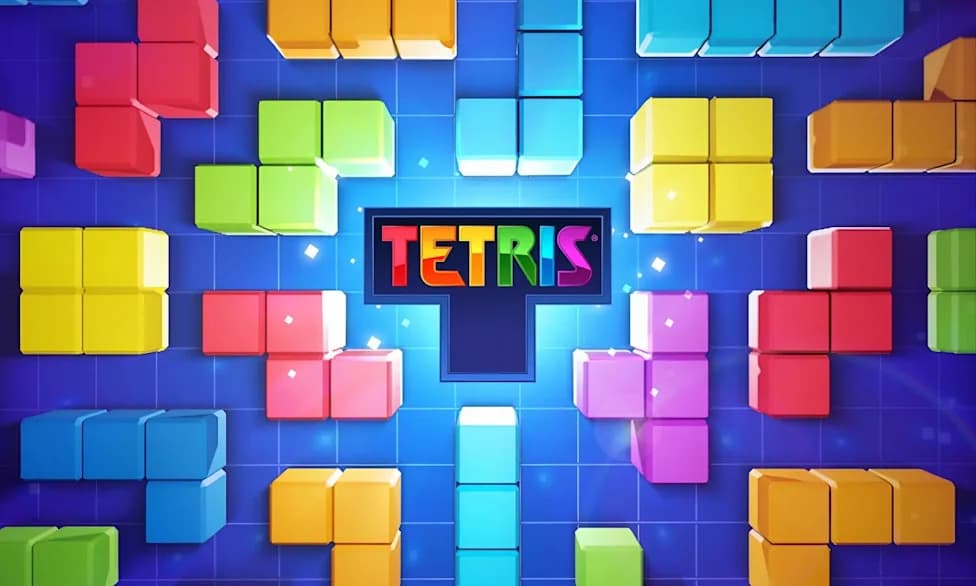
Image: Tetris
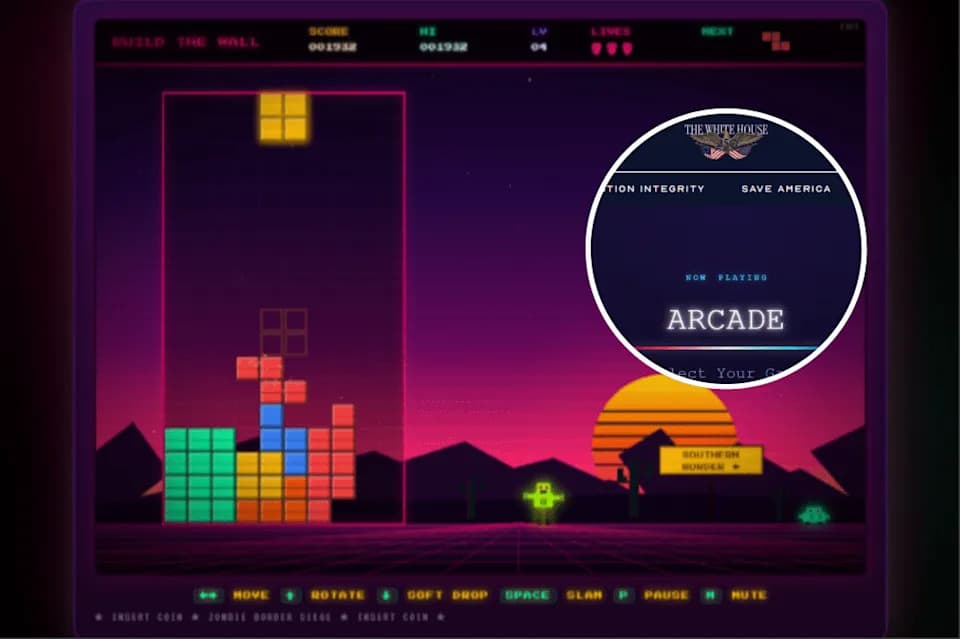
The U.S. government's newly launched gaming portal, Arcade.gov, has drawn sharp criticism from The Tetris Company after the site included a Tetris‑style browser game that frames stacking falling blocks as a way to stop a fictional border breach. Arcade.gov went live on September 3, 2026, and within 48 hours The Tetris Company publicly disavowed any involvement and said it was "reviewing the matter."
What’s on Arcade.gov
The five-game collection offers a suite of politically themed mini-games. Titles include a Tetris-like game about blocking a zombie horde, "Rio Run" (a Snake-inspired patrol game), "Flappy Bill" (a tap-to-fly game starring a bald eagle carrying legislation), plus games about sorting school lunches and collecting money for so-called "Trump Accounts." A sixth game was listed as "coming soon." A White House official described the site as showcasing "a culture of fun and winning."
Copyright Concerns
The games on Arcade.gov were not licensed from the original rights holders. A spokesperson for The Tetris Company told Variety that the White House did not authorize or license the Tetris brand or its intellectual property, and that the company was "reviewing the matter." The Tetris Company's public message emphasized a preference for bringing people together and, in a postscript, warned bluntly: "We take copyright infringement very seriously."
No formal lawsuit or publicly confirmed cease-and-desist had been announced at the time of reporting. The company’s statement read like a firm legal warning wrapped in diplomatic language.
Legal and Practical Issues
U.S. copyright law generally protects expressive elements—artwork, source code, branding and other creative expression—but not basic game mechanics such as stacking blocks, tap-to-fly controls, or guiding a line to collect items. Reporting indicates Arcade.gov uses original pixel art rather than copied Tetris assets, a detail that complicates straightforward infringement claims and likely helps explain why major game publishers have been publicly quiet about similar disputes.
Still, The Tetris Company’s mention of "copyright infringement" signals concern that its brand and other intellectual property are being invoked in ways that could cause reputational harm even absent litigation. Reputation damage can be real and immediate without a courtroom ruling.
Broader Context
This episode is part of a wider pattern of friction between government users of popular culture and rights holders. Japan’s Ministry of Foreign Affairs has formally warned U.S. agencies about unauthorized uses of Pokémon, Mario, Naruto and Dragon Ball in political or military contexts, citing a Department of Homeland Security video that paired Ash Ketchum imagery with footage of ICE raids.
Japanese Minister Kimi Onoda: "Even public institutions require permission from the creator when using intellectual property."
The Tetris rebuke highlights an ongoing clash: a government approach that treats familiar entertainment franchises as reusable tools for messaging, and an entertainment industry more willing to push back to protect brands and creative rights.
Help us improve.