Summary: India's National Testing Agency, set up in 2017 to secure and standardise national exams, faces renewed distrust after a NEET-UG paper leak forced over two million candidates to retake the test and prompted the education minister's resignation. Experts point to structural problems — temporary staffing, centralised single-shot exams and incomplete implementation of past reforms — and recommend computer-based testing, multiple sessions and statutory professionalisation of the NTA. Students say only visible, rapid change will restore confidence.
NEET Paper Leak Exposes Deep Flaws in India's National Testing Agency

Millions of students appear for tests conducted by India's National Testing Agency every year [Getty Images]
India's National Testing Agency (NTA), created in 2017 to deliver fair, standardised national exams, now faces a serious crisis of confidence after a high-profile leak of the NEET-UG medical entrance paper forced more than two million candidates to sit a retest.
Background
Set up under the federal education ministry, the NTA took charge of some of India's largest and most competitive tests — including medical and engineering entrance exams, university admissions and eligibility tests for teaching and research. It was intended to bring consistent processes and stronger security after years of leaks, administrative errors and cheating allegations.
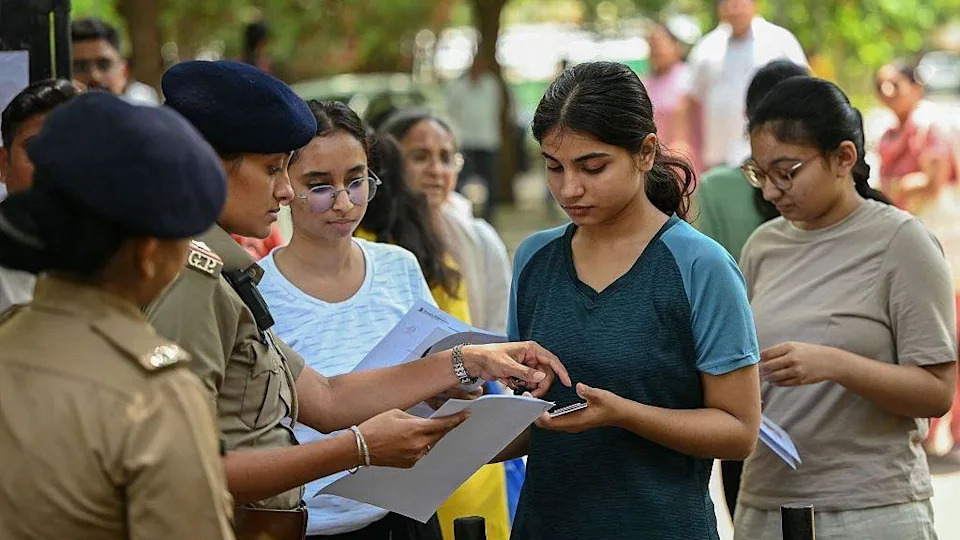
More than two million students appeared for the NEET-UG retest [AFP via Getty Images]
The June Crisis
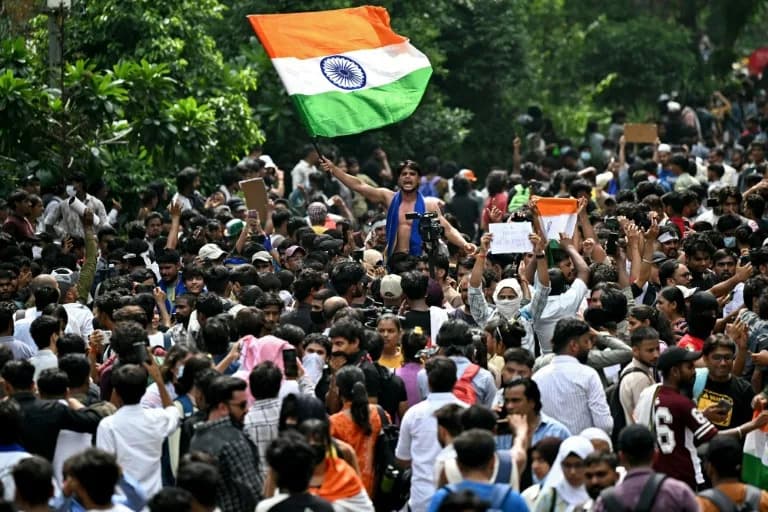
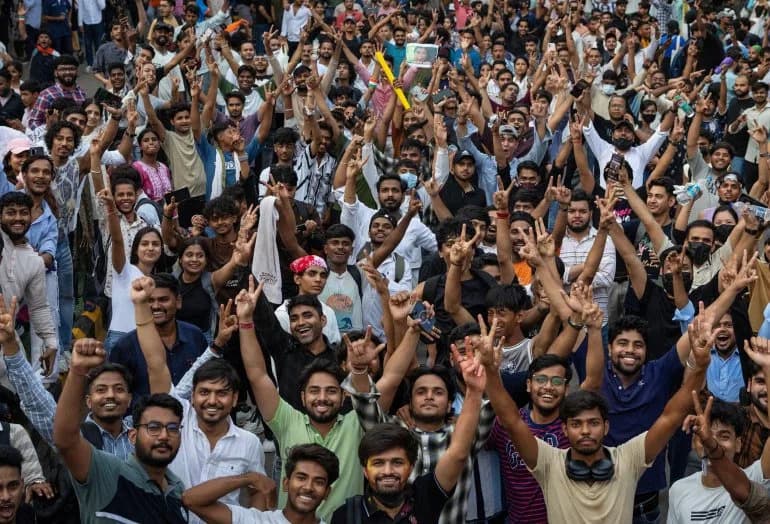
In June, a leaked NEET-UG paper led to the cancellation and retesting of the exam for millions of candidates, triggering weeks of youth-led protests and the resignation of the federal education minister. The government responded by appointing a high-level task force, chaired by technology entrepreneur Nandan Nilekani, to recommend reforms and restore trust.
Recurring Pattern
For many observers the sequence felt familiar. A similar review panel in 2024 recommended more than 100 reforms after irregularities in another medical entrance exam; official accounts indicate just over half of those recommendations have been fully implemented. Critics say the cycle—exam fails, protests, committee, partial reforms—continues to expose persistent structural weaknesses.
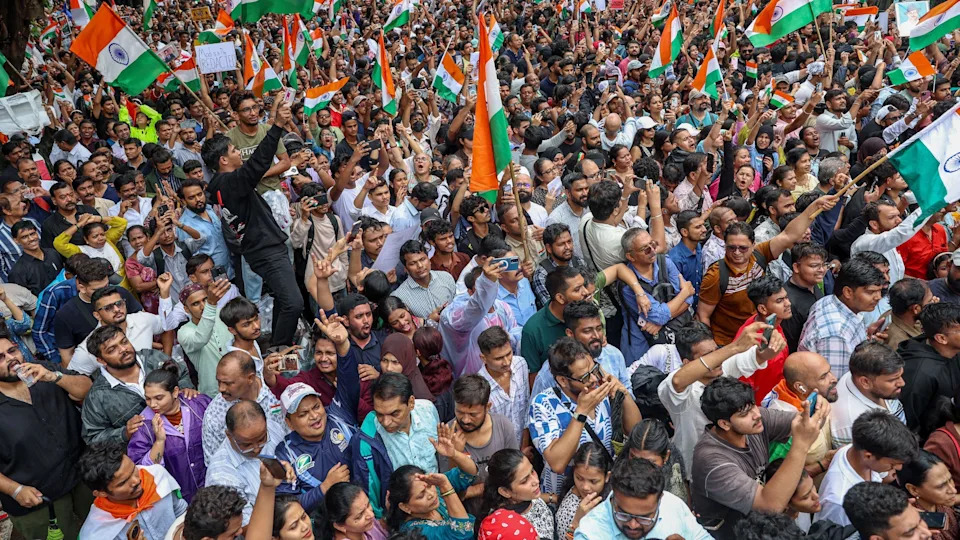
The NEET-UG paper leak triggered massive protests in India [EPA/Shutterstock]
What Experts Say
Experts the BBC spoke to argue the problems go beyond paper leaks. They point to the NTA's capacity and accountability, the risks of centralised, single-shot exams, weaknesses in exam design, and the agency's staffing model.
BJ Rao, a member of the 2024 panel and now head of SGT University, urged a faster shift to computer-based testing to reduce leak risks and minimise manual handling: "Digital connectivity has vastly improved across the country. We need to invest in infrastructure and move to computer-based exams."
Rao also highlighted staffing issues: of 221 NTA employees, only 24 are permanent, which he says undermines institutional ownership and operational expertise.
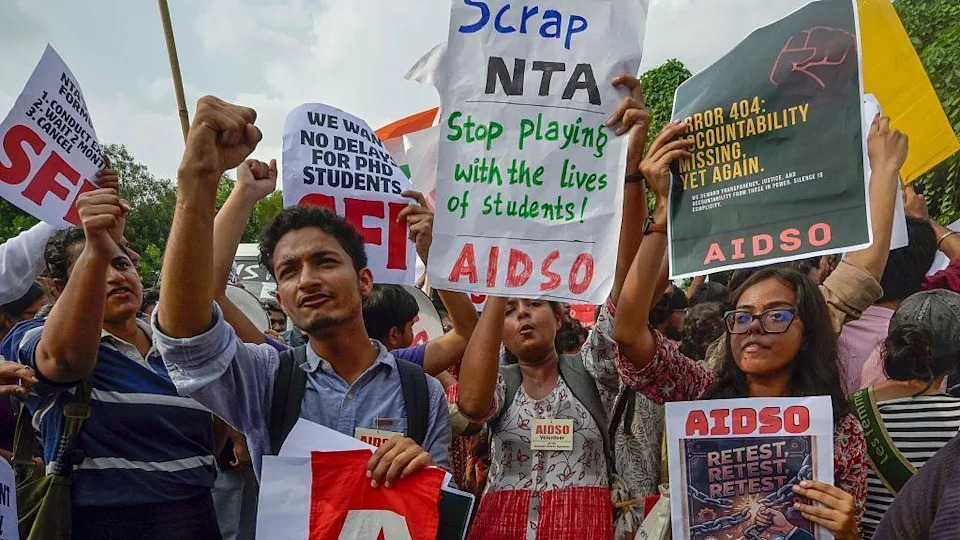
Student activists and opposition parties have been demanding to scrap the NTA [Hindustan Times via Getty Images]
Suggested Reforms
Experts recommend a combination of technical and structural reforms:
- Accelerate adoption of computer-based testing and standardised online centres to reduce paper handling and human touchpoints.
- Introduce multiple stages or sessions for high-stakes tests (as in some engineering exams) to reduce the impact of any single compromised sitting.
- Allow multiple sittings per year so candidates have more than one opportunity and are not forced to lose an academic year after a cancellation.
- Convert the NTA into a statutory, professionally staffed body with permanent experts in assessment design, technology and operations.
Student Impact
Students and families report severe personal and financial disruption. Many spend years and substantial sums on private tuition; a cancelled or leaked exam can undo months or years of preparation. Candidates quoted in reports described frustration, lost time and anxiety about futures put on hold.
Debate Over Abolishing The NTA
Calls from student activists and opposition politicians to scrap the NTA have gained traction in some quarters. But several education leaders warn that abolishing the agency would not address the underlying issues. A single national testing authority can ensure uniform security standards, centralised technology and consistent candidate services; creating multiple agencies risks duplication, inconsistent safeguards and higher costs.
Conclusion
Analysts say meaningful change will require more than another committee: visible, sustained implementation of technical, organisational and policy reforms is essential. The Nilekani-led task force may identify gaps and recommend fixes, but for many students the proof will be visible improvements — fewer leaks, reliable schedules and an exam system that does not put entire academic years at risk.
Key facts: NEET-UG retest affected more than two million candidates; a 2024 review proposed 100+ reforms (about half reportedly implemented); the NTA has 221 staff, of whom 24 are permanent.
Help us improve.