Scientists and conservation groups are revising habitat guidance after the UK’s hottest summer on record to protect rare species on lowland chalk grassland. The Royal Entomological Society, with funding from Natural England and the Crown Estate, will study six endangered species to inform practical, climate‑aware management. The programme is part of Natural England's £60m Species Recovery Programme and highlights nature‑based approaches such as beaver‑created wetlands at Holnicote as effective resilience measures.
Experts Race To Protect Rare Species After Hottest UK Summer On Record
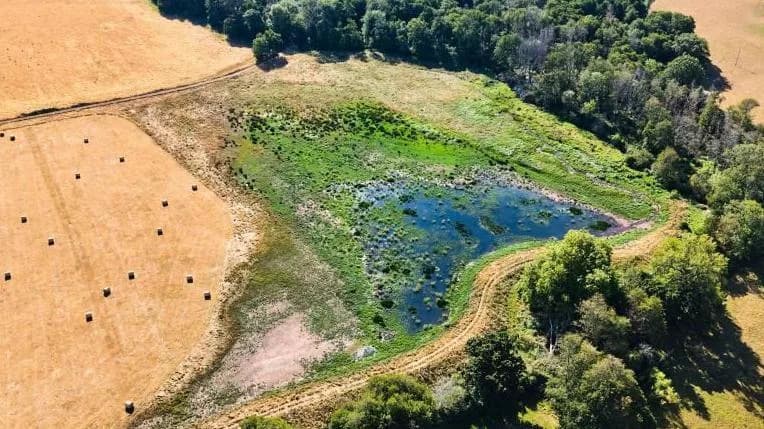
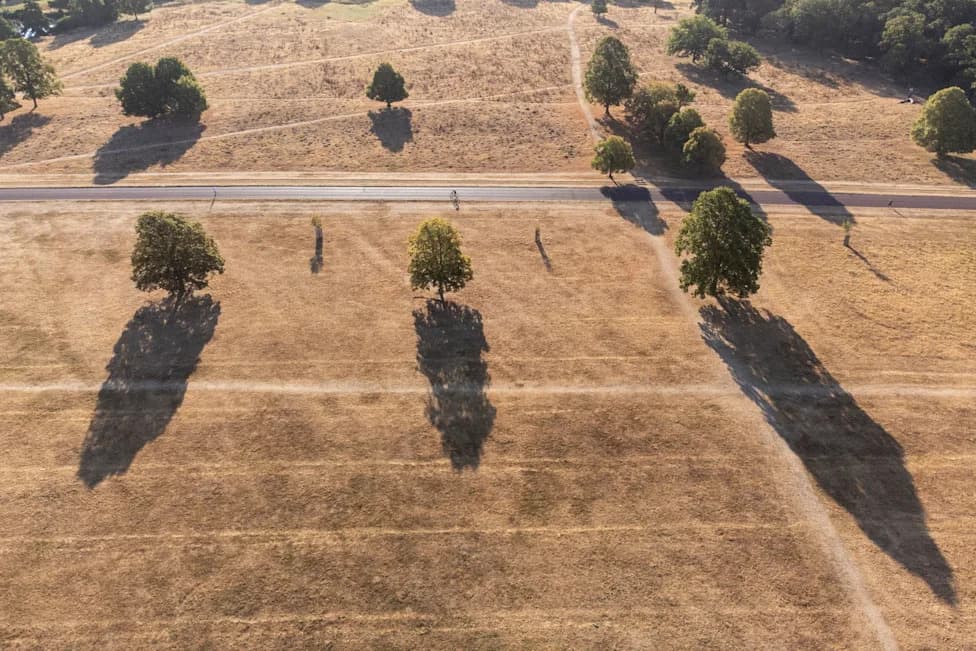
Many species are struggling to cope in what has been the UK's hottest-ever summer [National Trust/PA]
Scientists and conservationists are urgently updating habitat management guidance after the UK recorded its hottest summer on record, seeking to prevent extinctions among several rare species as climate pressures intensify.
Project, Funding and Scope
With funding from Natural England and the Crown Estate, the Royal Entomological Society is leading a partnership to revise conservation guidance for lowland chalk grassland sites in Gloucestershire, Somerset and Wiltshire. The work will help land managers adapt to rapidly changing conditions and better protect vulnerable species.
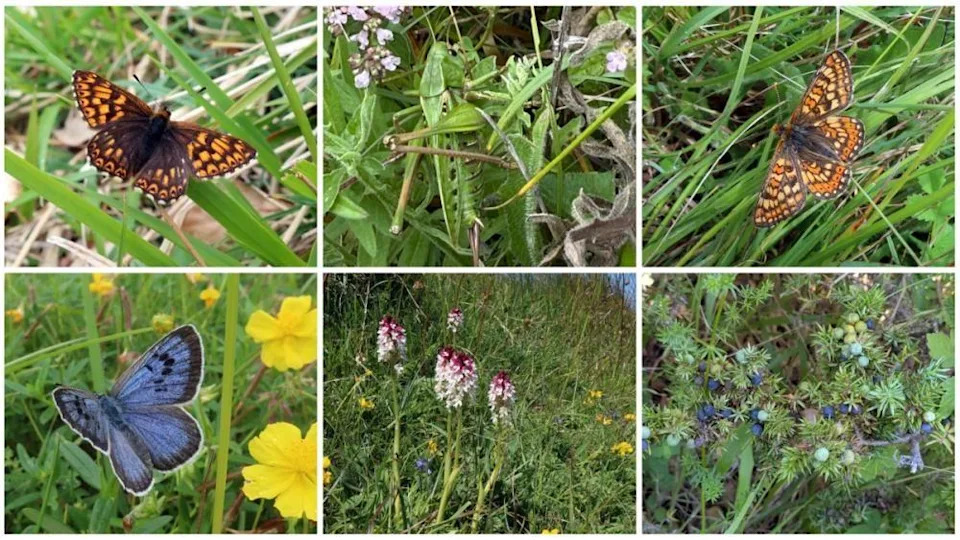
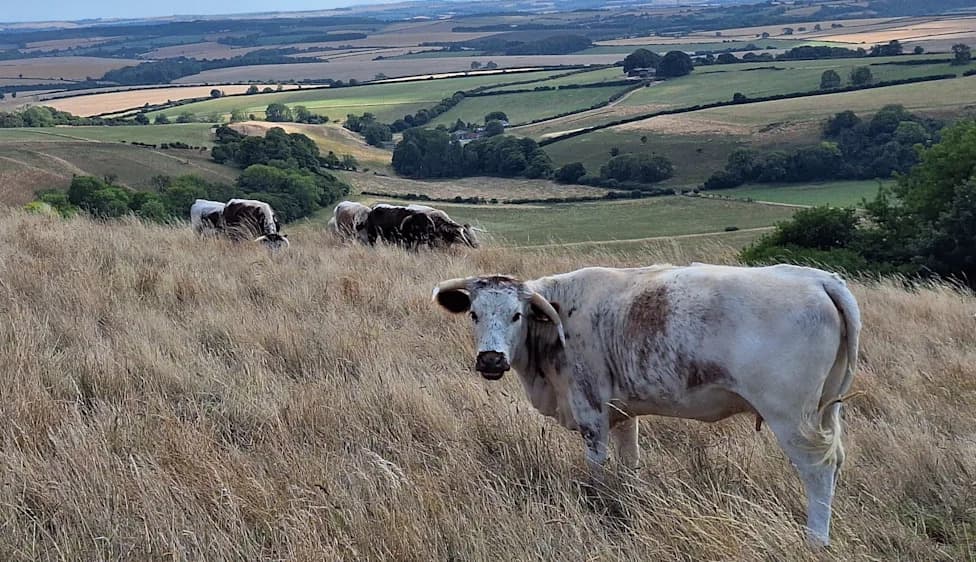
The project hopes to establish how six species are coping and prevent their extinction [Royal Entomological Society]
Target Species And Objectives
The project focuses on six species that depend on lowland chalk grassland—an internationally rare habitat. The species under review are the Large Blue butterfly, the Duke of Burgundy butterfly, the Marsh Fritillary butterfly, the wart‑biter cricket, juniper and the burnt‑tip orchid. The aim is to combine decades of long‑term monitoring with new research to understand how these species respond to hotter, drier conditions and to produce practical, climate‑aware management guidance.
David Simcox FRES, Conservation Project Manager at the Royal Entomological Society, said: "As many of us cope with another spell of extreme weather, it's easy to forget that our wildlife is experiencing exactly the same pressures. By combining decades of long‑term research with new science, this project will help us understand how six key endangered species are responding to a changing climate and provide practical guidance to support their recovery."
Climate Context And Local Impacts
This year is the first on record in which temperatures of 35°C (95°F) have been reached in three separate calendar months. It was also the driest July in England and Wales since national records began 190 years ago. Conservationists warn that repeated heatwaves and prolonged drought are already altering plant communities, reducing available habitat and increasing soil erosion.
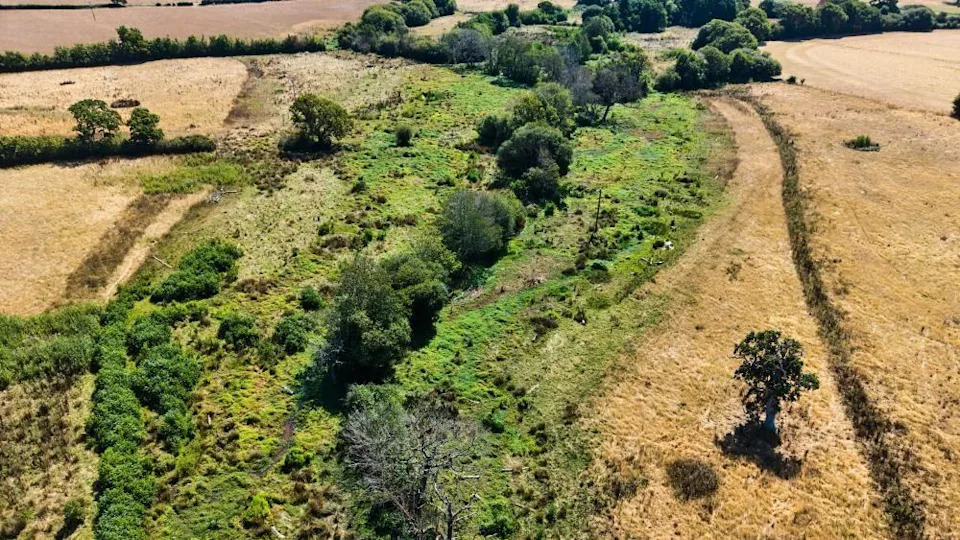
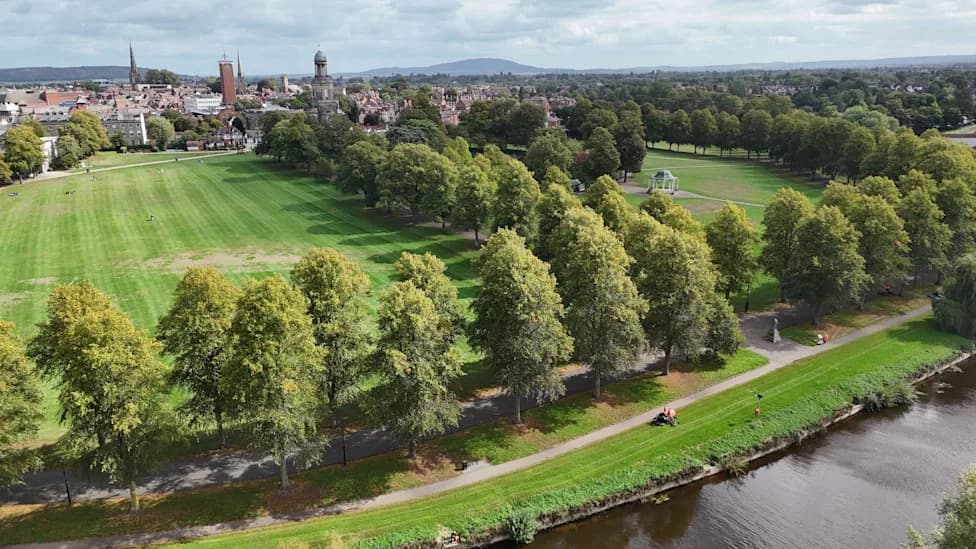
Beavers have helped part of the Holnicote Estate remain green and lush, despite this summer's drought [The National Trust/PA]
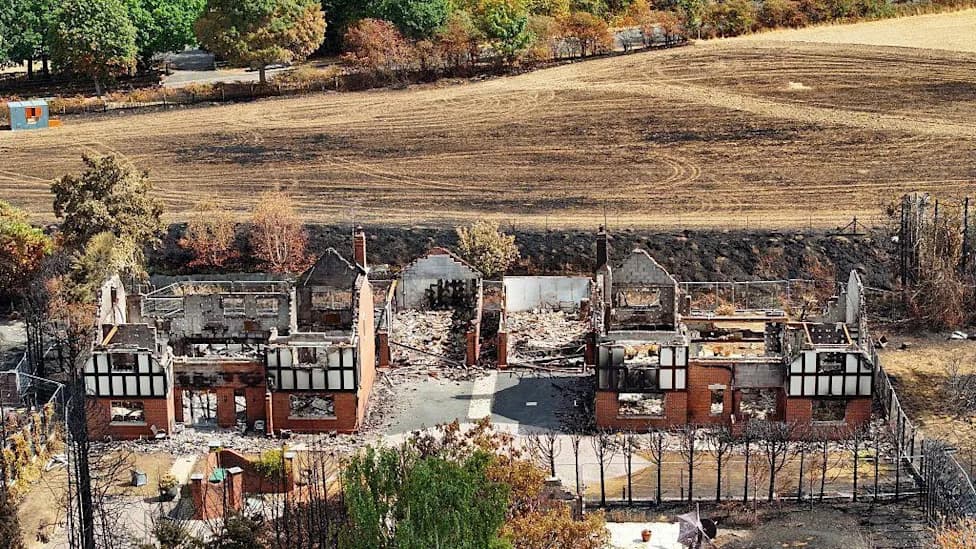
Stuart McCarthy‑Thompson of the Avon Wildlife Trust described the local effects as "devastating": "Plants are desiccated, the grassland is much reduced and there has been widespread soil erosion. We're also seeing many trees stressed, losing leaves and fruit."
Nature‑Based Solutions: Holnicote Case Study
One positive example comes from the National Trust's Holnicote Estate in Somerset. Reintroducing beavers and restoring wetlands has helped parts of the estate retain water, remain green and support wildlife despite this summer's drought. The National Trust highlights this as an example of a nature‑based solution that stores water, reduces flood risk and boosts biodiversity.
Ben Eardley, project manager at Holnicote, said: "For generations we drained wetlands, straightened rivers and moved water off the land as quickly as possible. Here we've reversed that approach, and the results are remarkable."
Programme And Next Steps
The conservation guidance update is one of 130 projects funded through Natural England's £60 million Species Recovery Programme, part of the Wild Again: Restoring England's Wildlife initiative—the largest UK government investment in wildlife recovery to date. The revised guidance will aim to be practical and forward‑looking, helping land managers adapt grazing, scrub control and water management to support species survival under hotter, drier conditions.
By aligning long‑term monitoring with contemporary climate science, project partners hope to produce actionable recommendations that can be rolled out across chalk grasslands and similar habitats to reduce extinction risk.
Help us improve.