Poland says it is "preparing for war" while stressing the build-up is intended as deterrence, not provocation. Warsaw has boosted defense spending to nearly 5% of GDP amid what officials describe as coordinated Russian pressure — from disinformation and cyberattacks to probes of air defenses. Retired Gen. Philip Breedlove warned Moscow may stage calibrated provocations to test NATO unity and highlighted Western shortfalls against large-scale drone warfare. Tensions have also flared between Moscow and London after reports of British-made drones used in strikes.
Poland Says It Is 'Preparing For War' as Russian Pressure Escalates Along NATO’s Eastern Flank
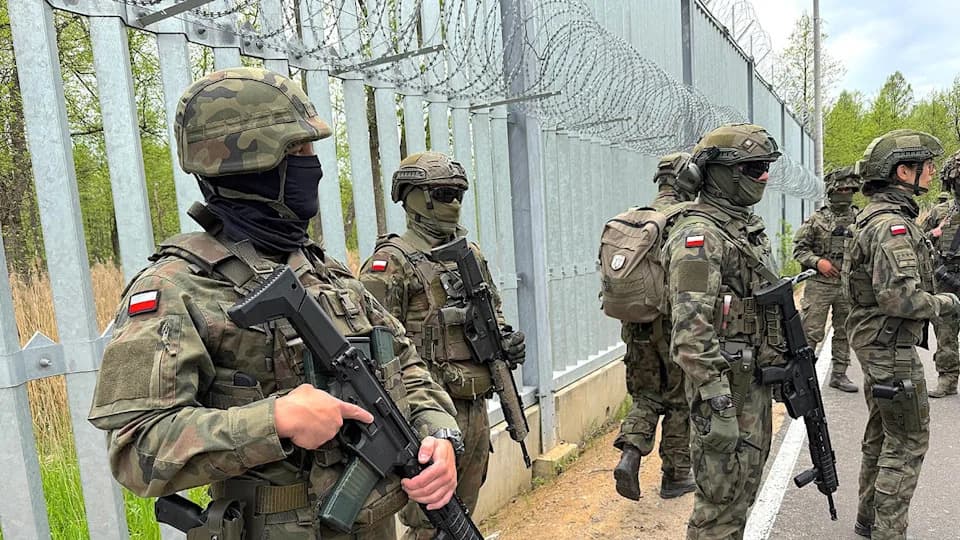
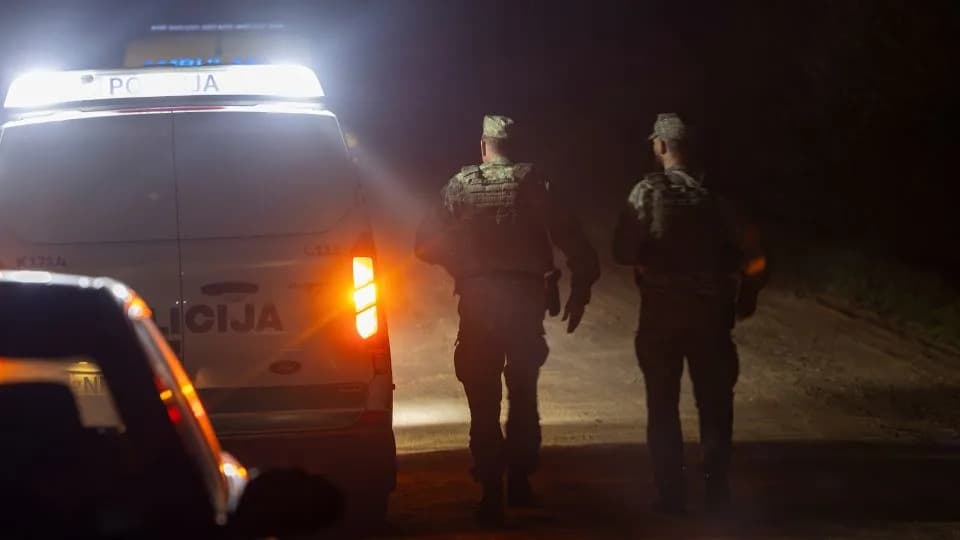
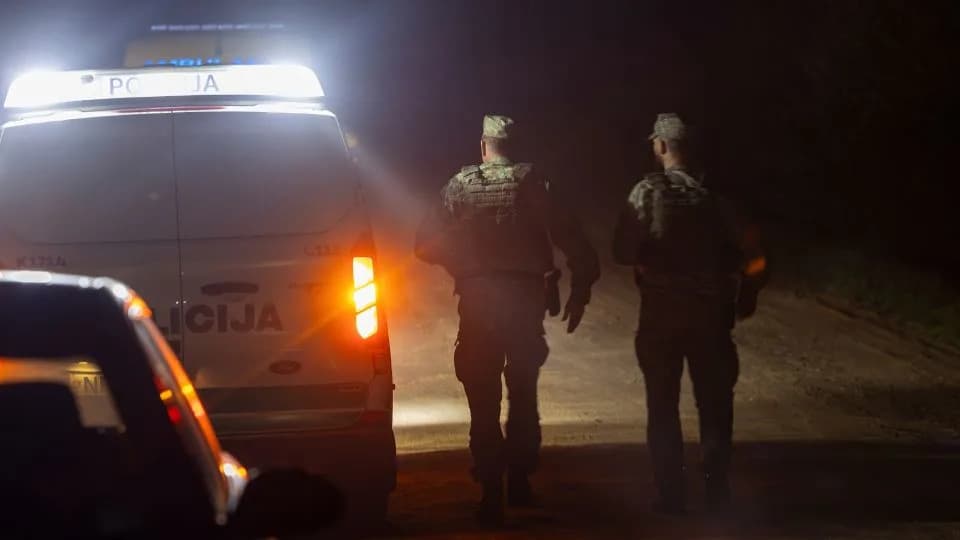
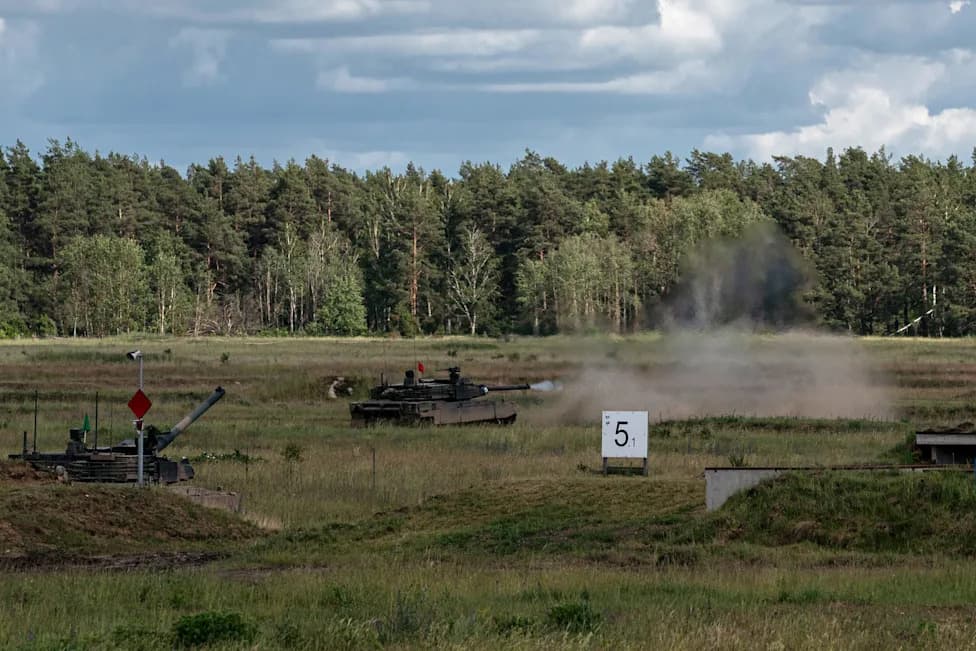
Polish soldiers stand watch near the Belarus border, where officials say migration pressure has evolved into a form of hybrid warfare targeting NATO's eastern flank, May 16, 2026.
Poland is accelerating military preparations amid growing signs that Moscow may be testing NATO's resolve, senior officials and diplomats warn. In an interview published Aug. 17, Polish Deputy Defense Minister Cezary Tomczyk said bluntly: "We are preparing for war, hoping that it never happens."
Why Poland Is Ramping Up Defenses
The Polish Embassy in Washington told Fox News Digital the build-up is meant to strengthen deterrence rather than signal that conflict is inevitable. Warsaw has increased defence spending to nearly 5% of GDP and invoked the Latin maxim Si vis pacem, para bellum — "If you want peace, prepare for war" — arguing that robust preparedness is the only responsible strategy in the face of Russia's invasion of Ukraine and what Poland sees as Moscow's imperial ambitions.
Signs of Escalating Pressure
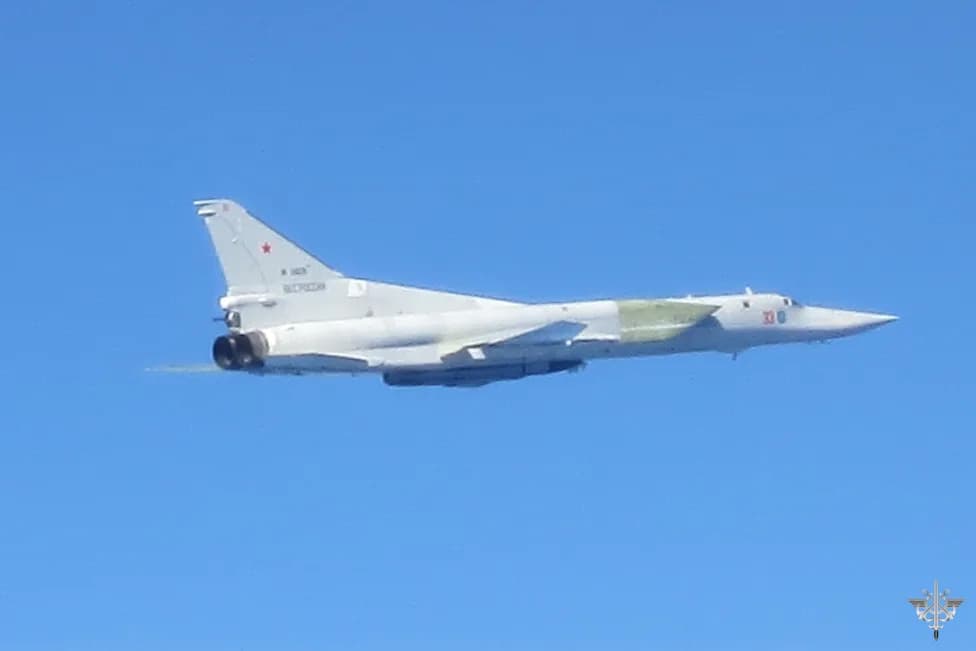
An anonymous European diplomat interviewed by Fox News Digital described a pattern of sustained Russian pressure, pointing to coordinated disinformation campaigns, cyberattacks, acts of sabotage, repeated probes of Poland's air defences and increasingly bellicose nuclear rhetoric from some Russian officials and state media.
"Altogether, it shows quite clearly that if Russia or Belarus saw any chance to attack Poland to destroy an obstacle to restoring the Soviet or Tsarist Russian empire in Eastern Europe, they would do it without hesitation," the diplomat said.
Military Assessments And Alliance Risks
Retired Air Force Gen. Philip Breedlove, who commanded U.S. European Command and served as NATO's Supreme Allied Commander in Europe from 2013–2016, told Fox News Digital that Poland's warning reflects concerns held by many former military leaders. He said Moscow may seek carefully calibrated provocations designed to test alliance cohesion and expose political divisions among NATO members.
"They're trying to test the alliance... Their goal is to divide and ultimately break up the alliance," Breedlove said. "It is likely that Russia will try to initiate a provocation that is just enough to raise the question of a NATO response."
The article notes NATO's Article 4 — which allows members to request consultations when an ally's territorial integrity, political independence or security is threatened — and Article 5, the collective-defense clause triggered after an armed attack. NATO stresses that Article 4 consultations are not a prerequisite for action under Article 5.
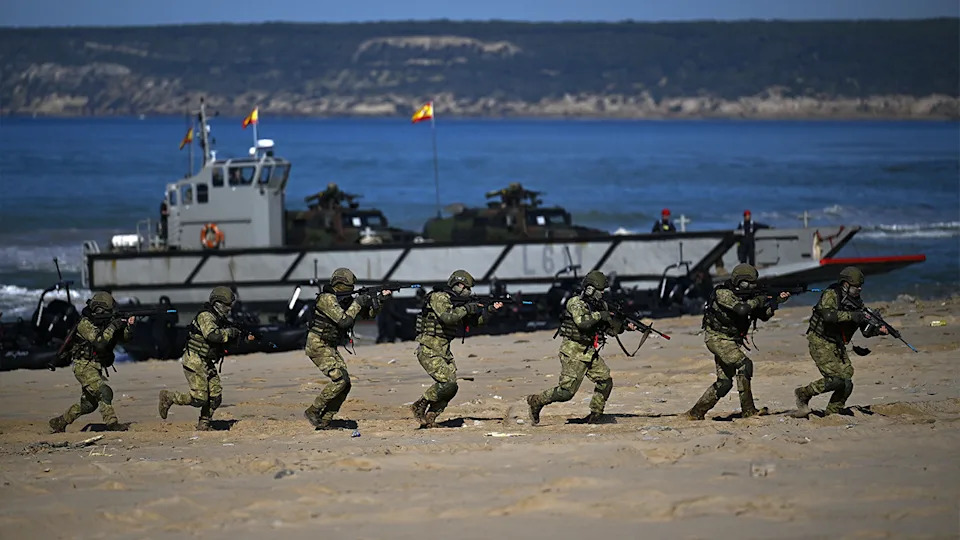
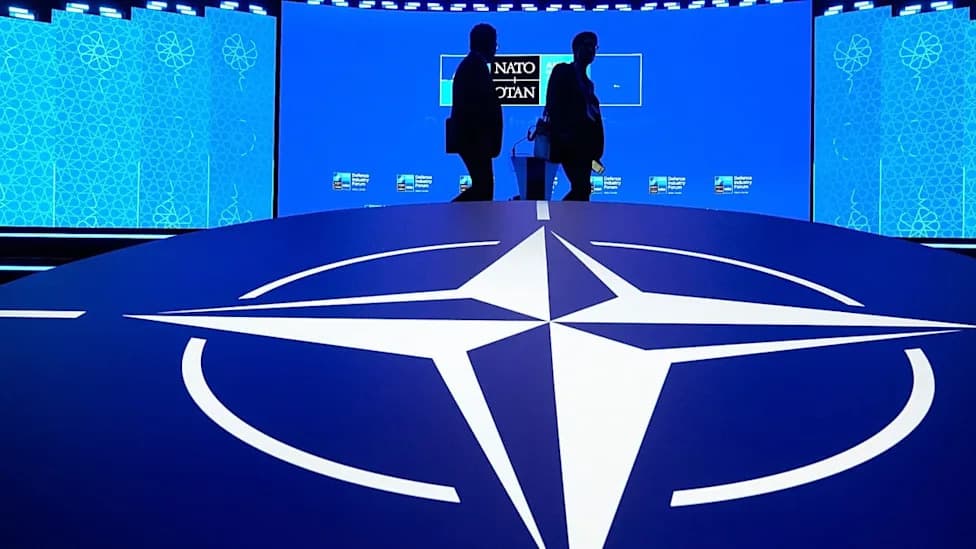
NATO's largest annual maritime drill, Exercise Dynamic Mariner/Flotex 25, takes place in the Gulf of Cadiz off southern Spain on March 28, 2025.
Hybrid Threats And Drone Warfare
Officials point to hybrid tactics along the Belarus border, where migration pressure and other measures have been used to strain Poland and NATO's eastern flank. Breedlove also warned that Western air-defence systems are not yet optimized for the intense, large-scale drone warfare that Russia has employed in Ukraine, creating an additional vulnerability for NATO to address.
Heightened Tensions With Britain
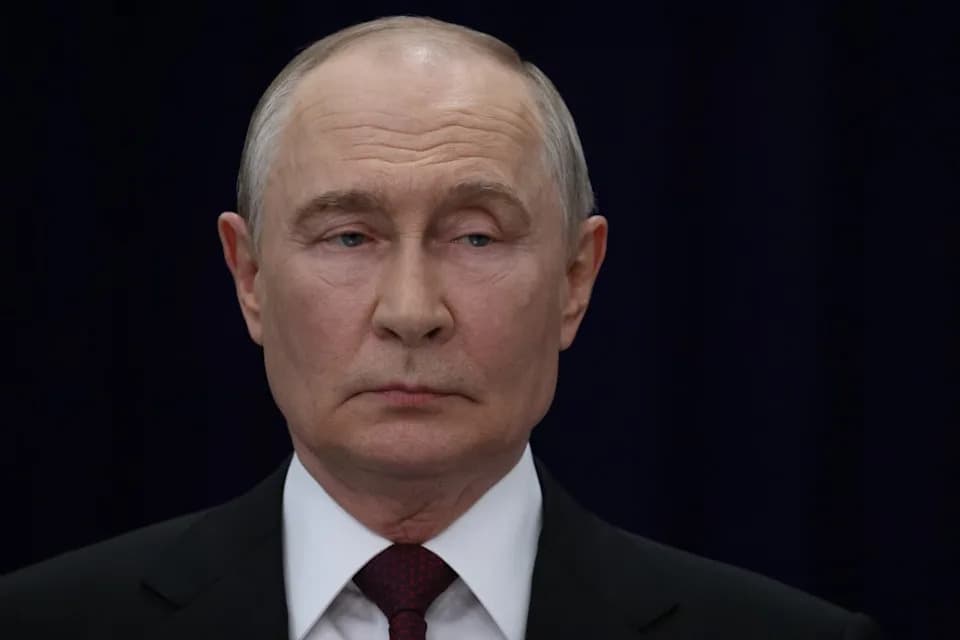
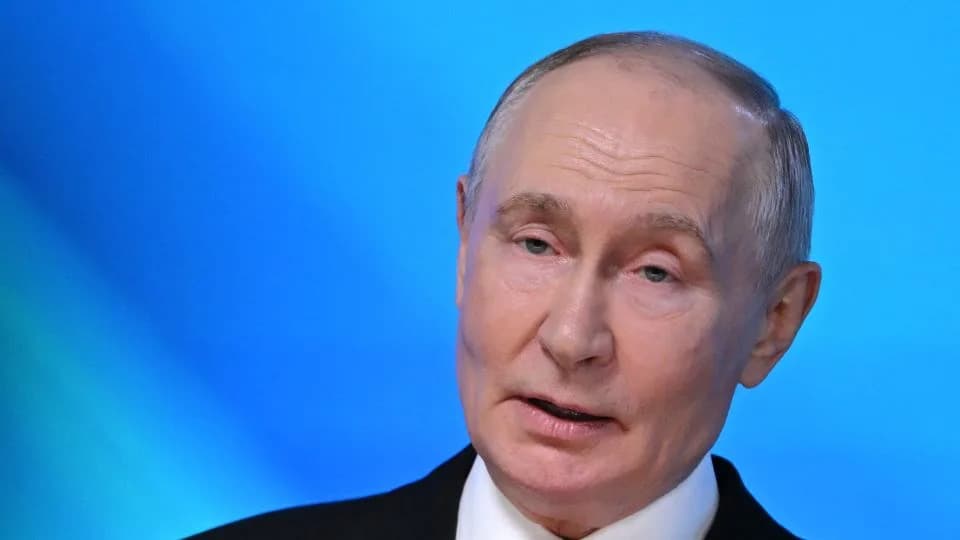
Tensions between Moscow and London rose after reports that British-made drones were used by Ukraine for long-range strikes inside Russia. On Aug. 18, Russia's embassy in Britain warned of unspecified "consequences." Reuters reported that Britain’s Ministry of Defence did not confirm whether British drones were used; the U.K. said it stands "shoulder to shoulder with Ukraine." Russian Foreign Minister Sergei Lavrov warned Moscow could view direct foreign involvement in strikes on Russian territory as participation in the war, and state-media figures amplified the rhetoric.
The Kremlin has described some of these actions as responses to mounting pressure on Russian energy, logistics and defence-industrial targets. Observers say the harsh rhetoric is part of an information campaign meant to coerce or intimidate Western governments and shape public perceptions.
Readiness And International Response
Poland and other eastern-flank NATO members say they are preparing for a range of scenarios. Lithuanian President Gitanas Nausėda and Polish Prime Minister Donald Tusk have also warned of possible limited strikes on critical infrastructure in the Baltics or Poland, according to reporting by The Associated Press in July. Russia has rejected those allegations.
Images and reporting accompanying the coverage show Polish troops manning positions near the Belarus border, underscoring concerns about hybrid tactics. NATO exercises such as Dynamic Mariner/Flotex 25 — held in the Gulf of Cadiz in March 2025 — are reminders of the alliance's ongoing efforts to maintain readiness.
Fox News Digital reached out to the Russian and British embassies for comment but had not received timely responses. Reporting contributions came from Reuters and The Associated Press.
Help us improve.