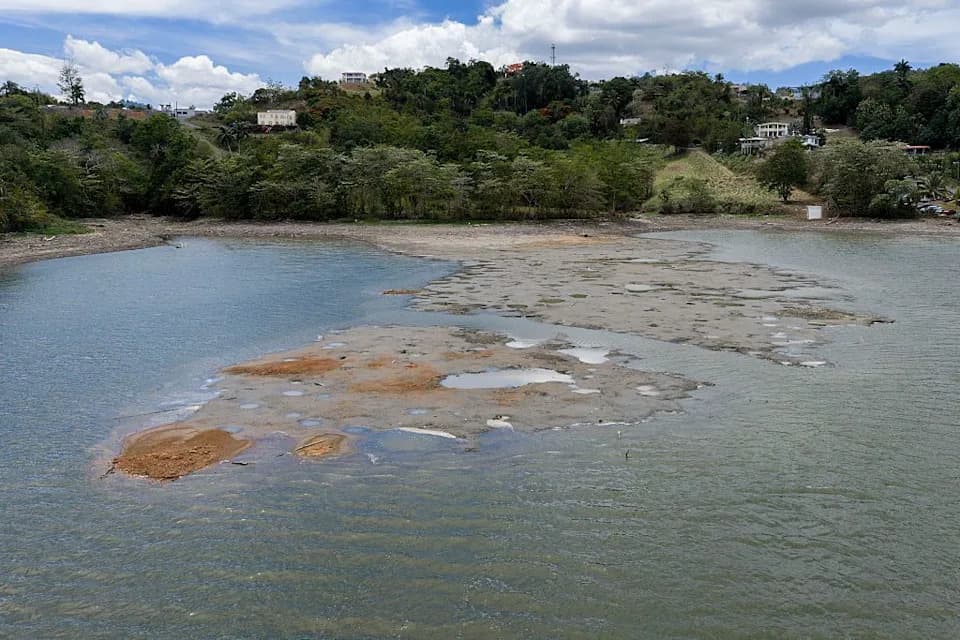
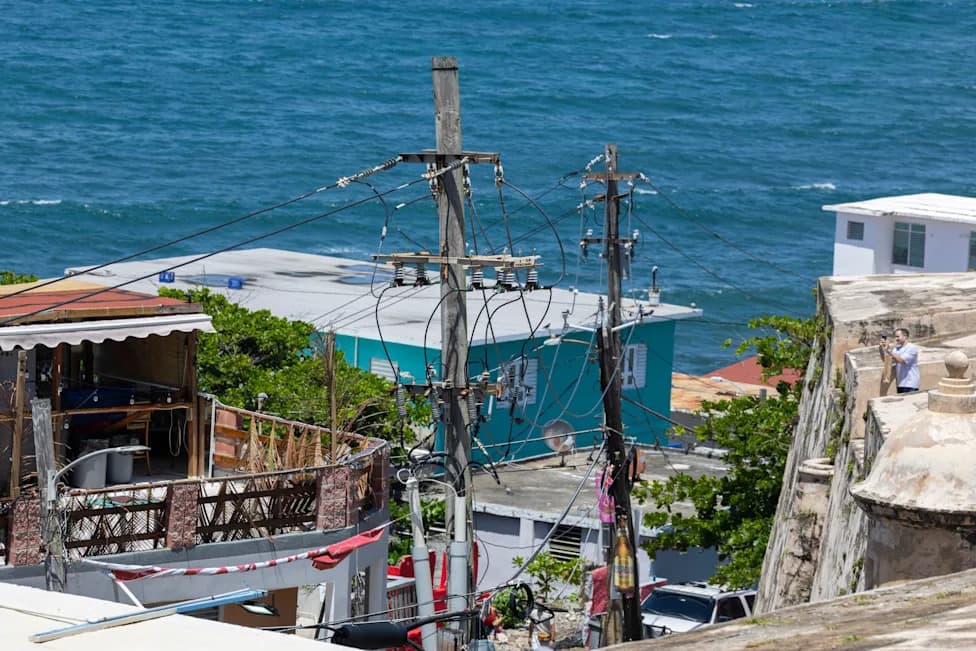
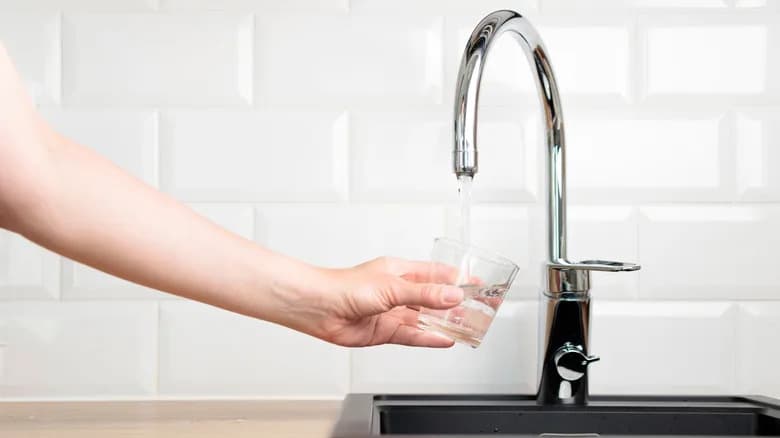
Puerto Rico is facing a severe water shortage: roughly 180,000 households have had limited running water after July became the island's driest month on record, with some families going 100+ days without steady service. Experts say rooftop rainwater harvesting could significantly reduce demand—an estimated 1 million homes might capture about 30 billion gallons annually—while aging infrastructure (PRASA loses ~60% of treated water) worsens scarcity. Wider adoption will require public funding, maintenance, and water-quality monitoring.
Puerto Rico Turns to Rooftop Rain Harvesting as Historic Drought Forces 180,000 Households to Ration Water
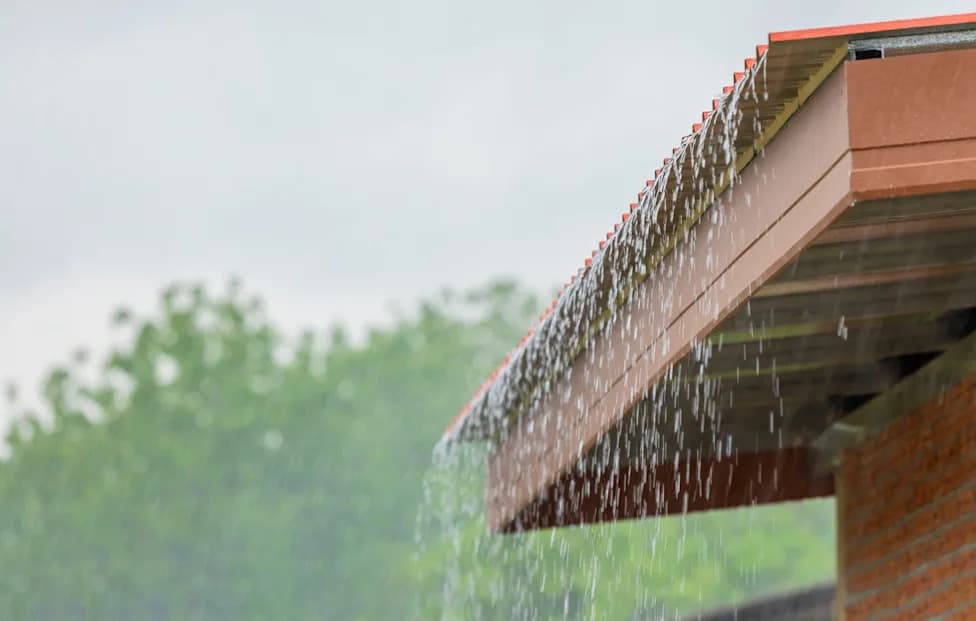
Photo Credit: iStock
Puerto Rico is confronting a severe water crisis as a historic drought and aging infrastructure leave roughly 180,000 households with limited running water. Experts and nonprofits say wider adoption of rooftop rain-harvesting systems could ease the burden for many families, though implementation would require public investment, maintenance, and water-quality oversight.
The Immediate Crisis
July became the island’s driest month on record, and some families have gone more than 100 days without steady service, according to reporting by WIRED. When municipal service is interrupted for days, households struggle to meet basic needs such as cooking, bathing, laundry, flushing toilets and caring for pets. Interruptions are especially dangerous for people with medical needs, older adults and those living alone.
Infrastructure Problems Compound Drought
Beyond the drought, Puerto Rico’s water utility faces chronic losses: the Puerto Rico Aqueduct and Sewer Authority (PRASA) loses an estimated 60% of treated drinking water before it reaches customers, largely because of leaking pipes and other failures. That combination—climate-driven dry periods and fragile centralized infrastructure—heightens the island’s vulnerability.
Rooftop Rain Capture: Potential and Limits
Rooftop collection is common or required in some Caribbean jurisdictions such as the U.S. Virgin Islands and Barbados. Architect Fernando Abruña estimates that if about 1 million Puerto Rico households adopted collection systems, they could capture roughly 30 billion gallons of water per year. Nonprofit Plenitud Puerto Rico has installed 73 rainwater-harvesting systems in a mountainous region over the past 15 years.
Cost and Use: Small systems generally cost between $500 and $2,000, while larger setups with electric pumps can run up to $5,000. These systems typically supply non-potable needs—such as flushing toilets, cleaning and irrigation—freeing treated water for drinking and food preparation. Additional treatment and testing would be required before harvested rain is used as drinking water.
Policy, Funding and Next Steps
A 2024 law requires public agencies to install collection systems on government buildings, but enforcement appears limited. In June, an at-large legislator introduced a resolution to study whether Puerto Rico could adopt rainwater-harvesting approaches used elsewhere in the Caribbean. Experts say broader deployment will need public funding, technical assistance, ongoing maintenance programs and water-quality monitoring so the financial and technical burden does not fall entirely on households.
Looking Ahead
If implemented at scale with adequate oversight, rooftop rain harvesting could reduce pressure on centralized supplies and help communities adapt to more frequent and severe dry seasons driven by climate change. Puerto Rico’s experience could also offer a model for other islands and regions facing similar water stresses.
Reporting and data referenced from WIRED and local nonprofit and legislative sources.
Help us improve.