Puerto Rico’s regulator approved a record residential electricity rate of 33.86¢/kWh, increasing a typical 800 kWh household bill by about 18% (from $229 to $271). The Energy Bureau approved a 5.28¢/kWh hike but withheld roughly $17.6 million tied to alleged fuel-delivery failures by New Fortress Energy and is probing about $19 million in gas payments related to Genera PR. The rise reflects higher summer demand, global fuel-price pressure, a fuel-supply dispute that forced plants to burn diesel, ongoing outages and litigation over utility contracts.
Puerto Rico Imposes Record Electricity Rate as Grid Woes and Fuel Costs Mount
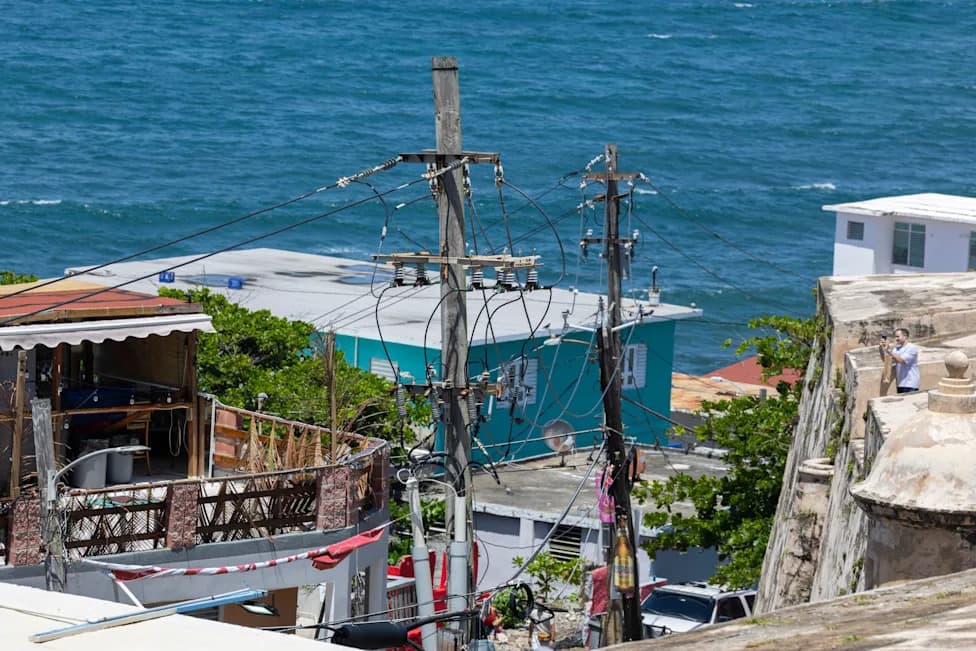
FILE - Power lines and utility poles stand in front of La Perla neighborhood along the coast in Old San Juan, Puerto Rico, Aug. 15, 2025. (AP Photo/Alejandro Granadillo, File)
SAN JUAN, Puerto Rico — Puerto Rico's energy regulator approved a record-high residential electricity rate that took effect Thursday as the territory continues to grapple with frequent outages, an aging grid and rising fuel costs.
The new tariff sets the residential rate at 33.86 cents per kilowatt-hour. Under the adjustment, a household using 800 kWh per month would see its bill climb by about 18%, from roughly $229 to $271. The rate will remain in effect at least through Dec. 31.
Why Rates Are Rising
Luma Energy — the company that manages transmission and distribution on the island — had requested an increase of more than six cents per kWh. Luma said the higher rate is intended to cover elevated operating costs rather than produce additional profit. The company cited several drivers for the increase, including:
- Higher energy consumption during hot summer months;
- Rising global oil prices and constrained fuel transportation linked to the conflict in the Middle East;
- Increased use of customer-sited batteries, which affects grid operations and costs;
- Reliance on more expensive fuels, such as diesel, when some power plants underperform or are offline.
‘Fuel costs must not be automatically passed on to the consumer simply because they were incurred or billed,’ the Puerto Rico Energy Bureau said after approving a smaller increase than requested.
Regulatory Decisions And Investigations
The Energy Bureau approved a 5.28-cent per kWh increase while explicitly withholding about $17.6 million it attributes to alleged failures by New Fortress Energy to deliver contracted fuel between June and August. The regulator said it is also probing roughly $19 million that Luma says was paid for gas volumes that Genera PR “ultimately needed or could receive.”
New Fortress Energy supplies natural gas to several north-coast power plants. Those facilities have burned diesel — a more expensive fuel — after a gas-laden vessel was blocked from entering San Juan Bay for two weeks because of its size; that dispute remains tied up in court and has added to costs and volatility.
Grid Reliability And Political Fallout
The rate increase comes amid persistent reliability problems nearly a decade after Hurricane Maria devastated Puerto Rico's power system in 2017. Officials say years of underinvestment and deferred maintenance left the grid vulnerable long before the storm.
Last week, a large fire at a substation left more than 200,000 customers without power in the latest major outage. At the same time, Governor Jenniffer González's administration is pushing to cancel Luma's contract — a move currently mired in litigation — while Luma and Genera PR continue to operate under contracts awarded as the island's state-owned utility restructured more than $9 billion in debt.
Energy Mix And Outlook
Puerto Rico's fuel mix in 2024 was heavily weighted toward petroleum, according to the U.S. Energy Information Administration: 63% petroleum, 31% natural gas, 5% coal and 1% renewables. Experts say that dependence on petroleum contributes to price volatility and reliability challenges.
What This Means: The rate increase will raise costs for households and businesses already facing a high local cost of living. Regulators and investigators are weighing which costs should be passed to consumers while legal disputes and infrastructure vulnerability continue to shape the island's energy outlook.
Help us improve.