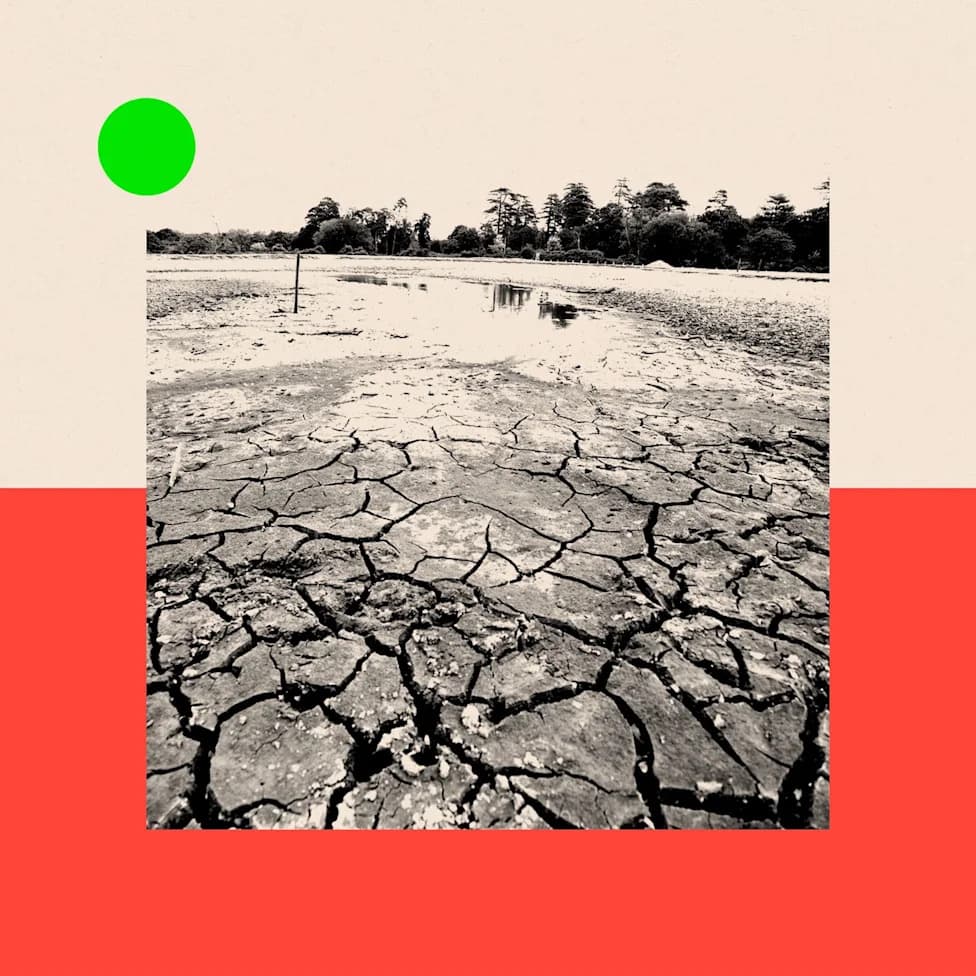
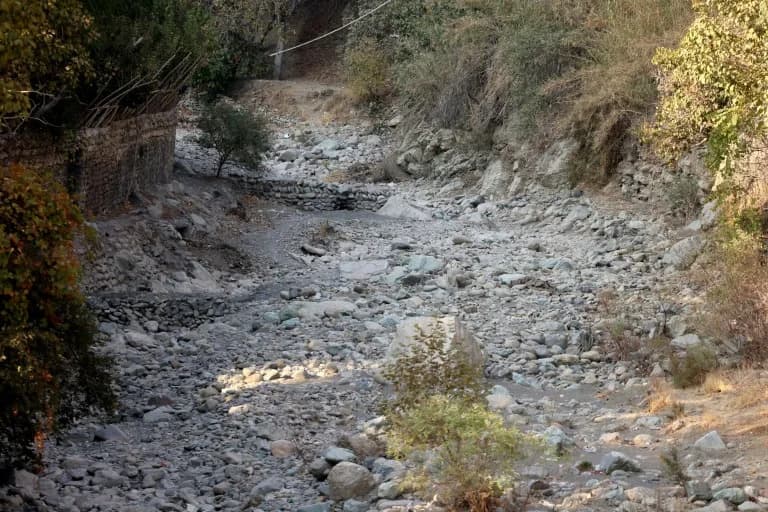
Less than 1% of Earth's water is directly drinkable. Much of the planet's freshwater is frozen or trapped deep underground and is hard to access. Rising population and competing uses are increasing pressure, raising costs and prompting restrictions in some regions. Researchers and utilities are expanding options—desalination, air-to-water technologies, fog harvesting, and greater conservation—to increase usable supplies.
Less Than 1% Of Earth's Water Is Drinkable — Demand Is Growing

Alena Matrosova/Shutterstock
We often take ready access to fresh water for granted: we shower, wash dishes, launder clothes and rinse produce without a second thought. Yet less than 1% of the planet's water is directly suitable for human consumption, and that limited resource is coming under increasing pressure as the global population grows.
Why So Little Water Is Drinkable?
Though Earth is dominated by water, most of it is saline and not drinkable without treatment. Much of the planet's freshwater is also locked away in glaciers and ice caps or stored deep underground, where it is difficult and costly to access at scale. Only a small fraction of freshwater exists in readily available surface sources such as rivers, lakes and wetlands.
Krit Of Studio Omg/Getty Images
How Communities Get Drinking Water
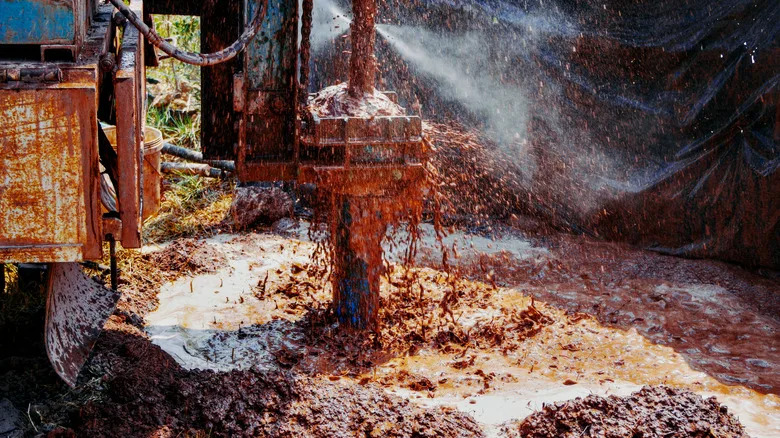
Water supplies reach most people through two main routes: private wells and public utilities. Rural communities often rely on wells that tap groundwater. Urban and suburban areas are typically served by utilities that draw from surface water and groundwater, then treat the raw water to meet health and safety standards before distribution. Treatment steps commonly include filtration, disinfection and removal of contaminants.
Growing Demand and Real-World Impacts
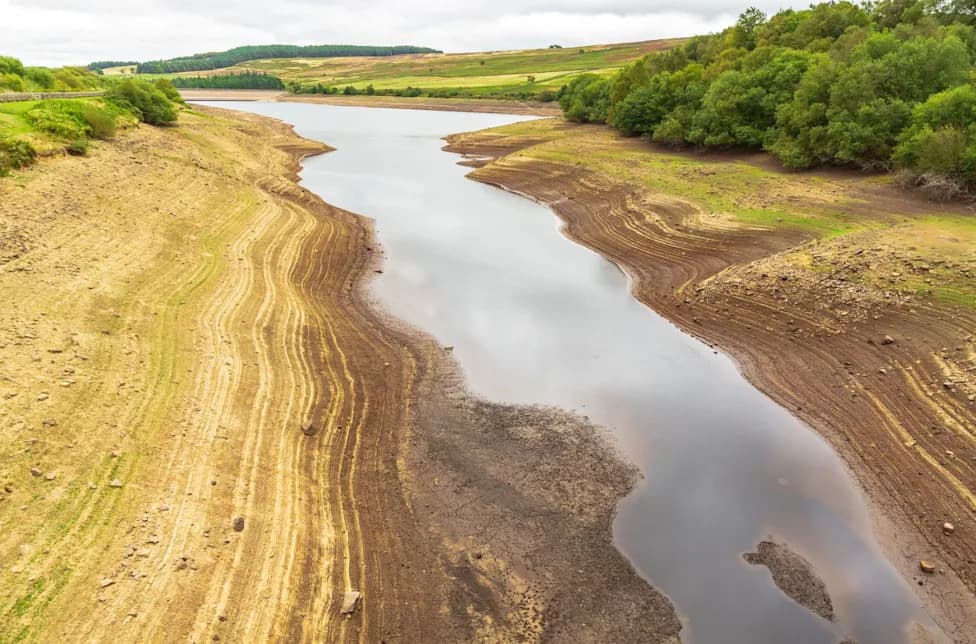
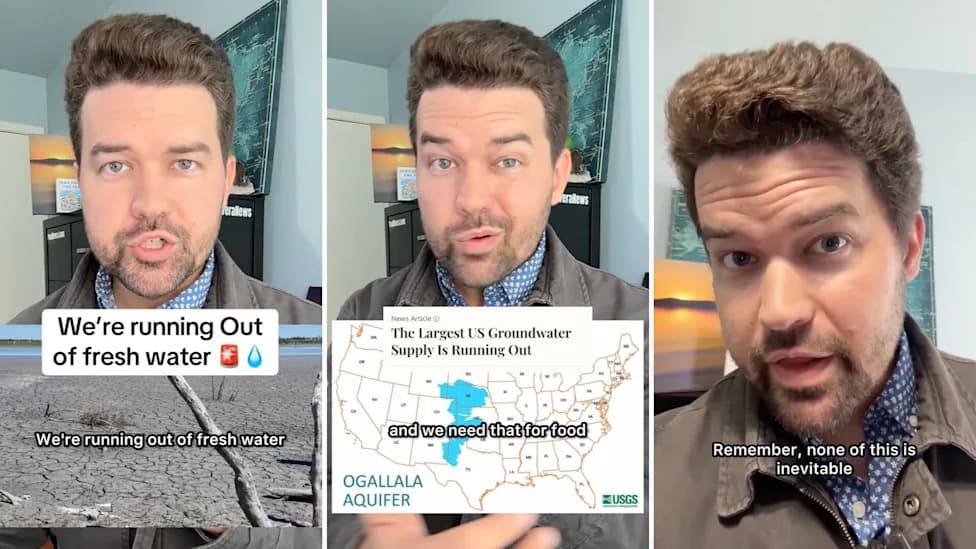
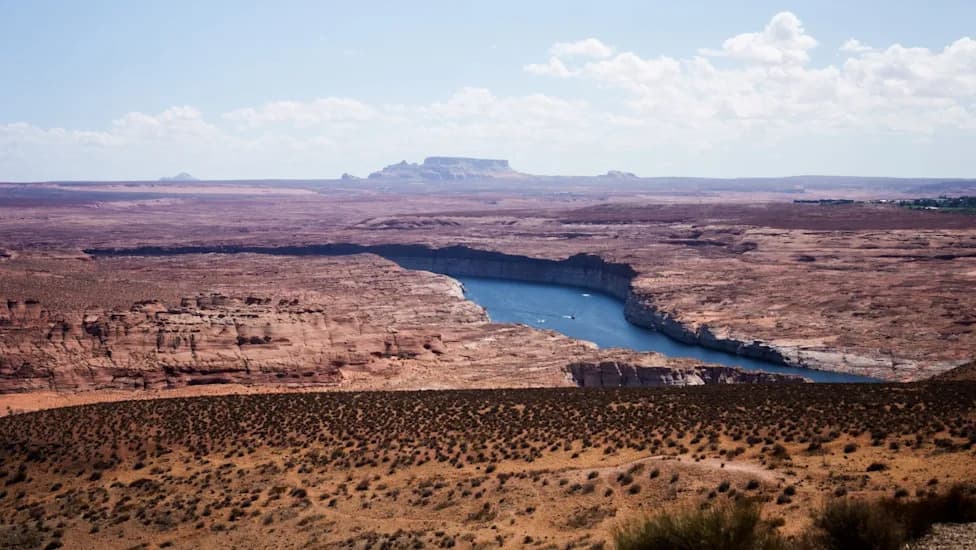
Population growth, expanding agriculture and industrial uses increase competition for the same finite freshwater resource. Consequences include higher water bills, periodic use restrictions, and reduced river and lake levels in affected regions. Over-extraction of groundwater can also lower water tables and cause long-term depletion.
rahmi ayu/Shutterstock
Solutions: From Desalination to Fog Harvesting
Scientists and engineers are pursuing a range of options to expand usable water supplies:
- Desalination: Removes salt and minerals from seawater. It offers abundant raw material but can be energy-intensive, costly and produce brine that must be managed responsibly.
- Atmospheric Water Technologies: Experimental materials (for example, moisture-absorbing gels) and commercially available atmospheric water generators condense water vapor from air. These can work well in certain climates but depend on humidity and energy availability.
- Fog Harvesting: Uses mesh nets to capture droplets from fog in humid environments—an inexpensive, low-tech option where conditions permit.
- Conservation and Reuse: Reducing demand through efficiency, fixing leaks, recycling treated wastewater and adopting smarter irrigation can stretch available freshwater far more effectively and cheaply than many supply-side solutions.
All of these approaches have trade-offs. The most effective long-term strategy will likely combine improved conservation, expanded treatment and distribution infrastructure, and carefully chosen technological solutions adapted to local conditions.
Bottom line: The absolute amount of freshwater on Earth is essentially constant, but more people are relying on that small supply. With coordinated policy, smarter use and innovation, we can reduce the risk of higher costs and stricter shortages in the future.
Help us improve.