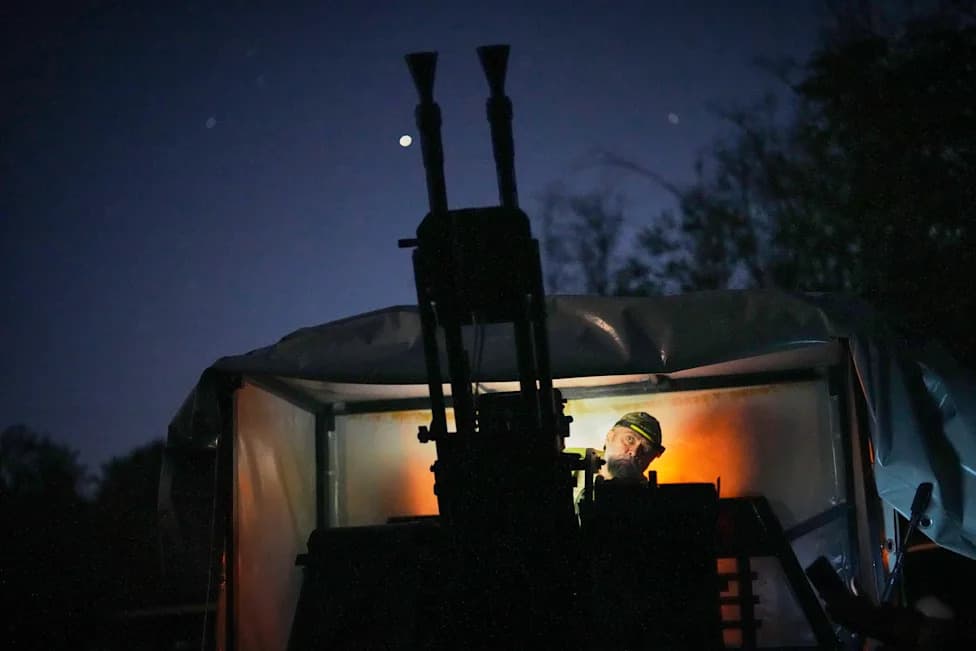
Business Insider’s trips to Ukraine in March 2025 and May 2026 documented how Kyiv has rapidly scaled drones, ground robots, and autonomous interceptors to compensate for manpower shortfalls. Key innovations include Starlink-protected control links, mothership platforms that launch swarms, and AI-enabled autonomy. Though these systems are reshaping tactics, the frontline remains largely frozen and defense is currently easier than offense. Shortages of interceptors have also increased civilian risk from missile and drone strikes.
Inside Ukraine’s Robotic War: How Drones, Ground Robots, and Motherships Are Reshaping the Battlefield
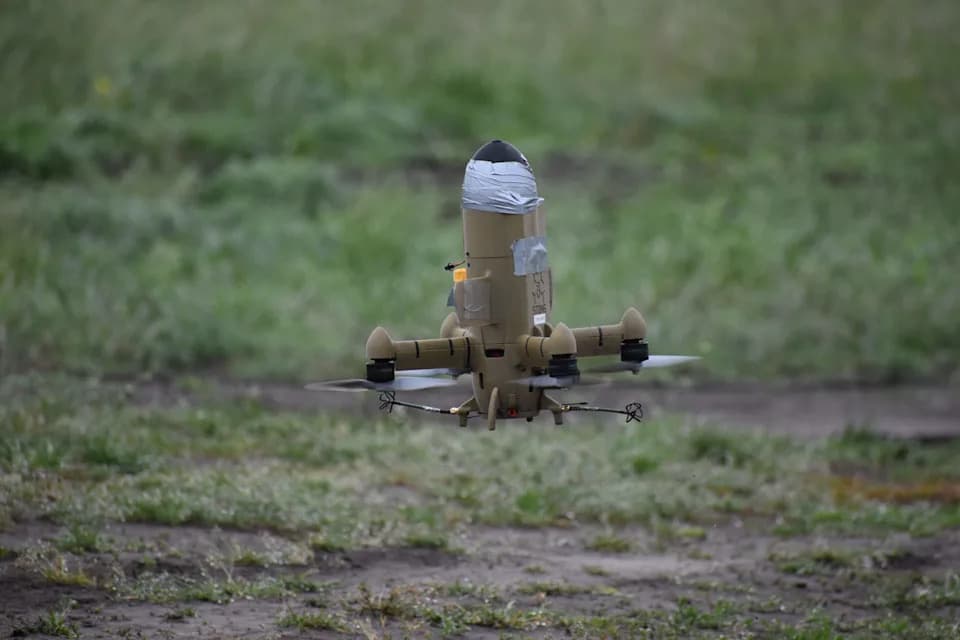
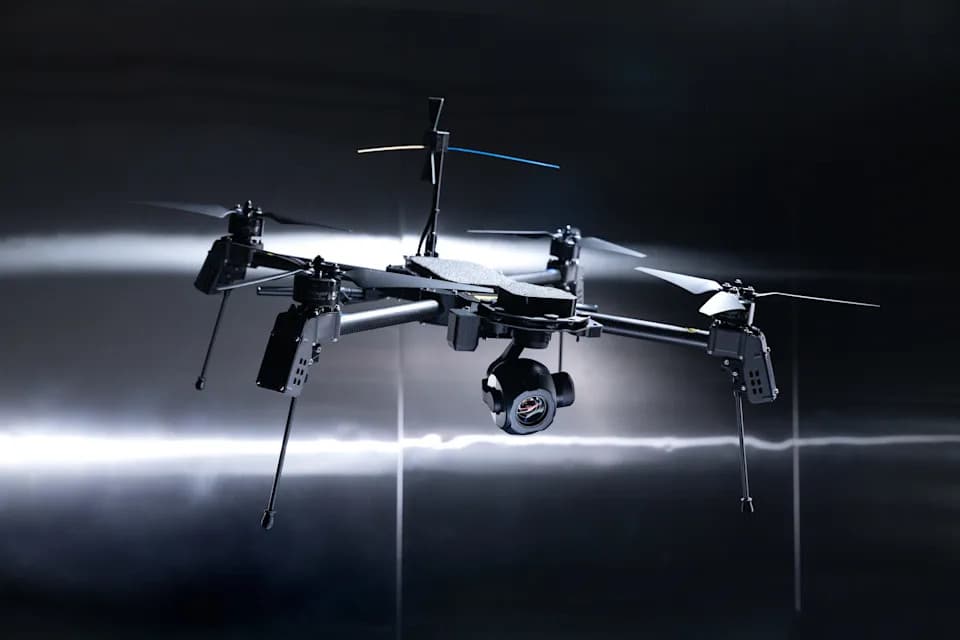
Interceptor drones are a priority defense investment in Ukraine.Jake Epstein/Business Insider
Russia’s full-scale invasion has sparked an unprecedented arms race in uncrewed systems, transforming a brutal artillery conflict into a new era of drones, robots, and autonomous interceptors that can scout, strike, and kill.
During recent reporting trips to Ukraine in March 2025 and May 2026, Business Insider was granted rare access to factories, training grounds, and testing sites around Kyiv. What we observed shows how Kyiv’s defense sector and private industry have rapidly adapted to fight a modern, high-tech war.
From Tethered Drones To Interceptors And Ground Robots
Ukraine initially prioritized small explosive drones tethered to operators by thin fiber-optic cables to resist widespread electronic jamming. By 2026, those systems became one tool among many as Kyiv shifted focus to interceptor drones, autonomous ground robots, and networked platforms that work together with less direct human control.
What We Saw In The Field
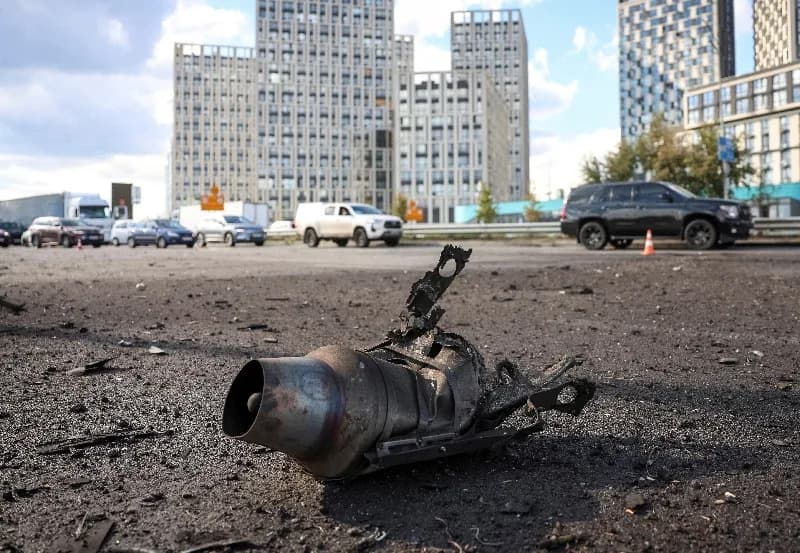
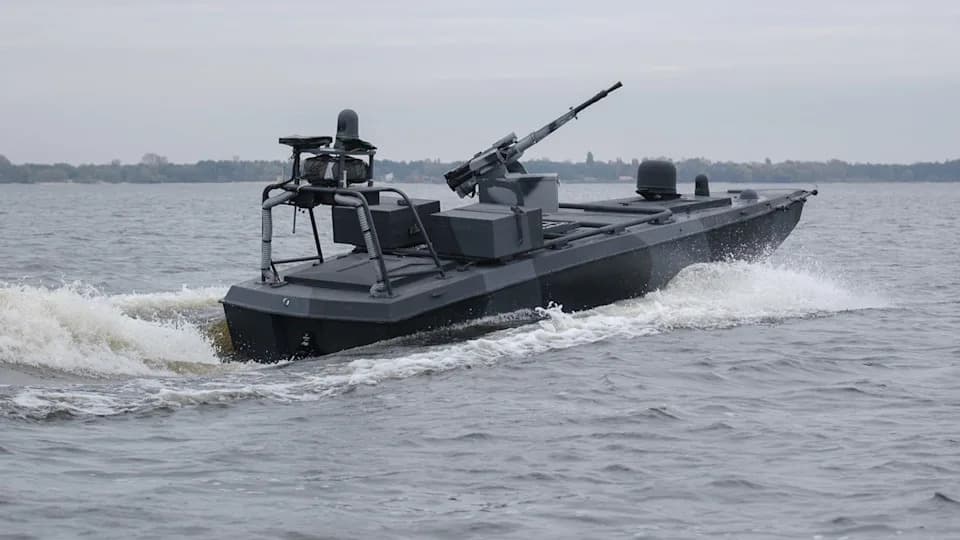
We observed multiple cutting-edge systems in operation: first-person-view drones using Starlink backups to maintain control under heavy electronic warfare; driverless speedboats designed to ram and detonate against ships and to deploy ordnance; jet-powered one-way attack drones hunted by purpose-built interceptors; and ground robots used to haul supplies and evacuate wounded soldiers from zones too dangerous for medics.
Engineers are also building "mothership" concepts—land, sea, and air platforms that launch swarms of smaller drones—and experimenting with increasing autonomy, including AI-enabled functions that are new to modern combat.
Tactics, Technology, And The Stalemate
Uncrewed systems now handle surveillance, precision strikes, logistics, casualty evacuation, and naval harassment. Small quadcopters create extended "kill zones" along the front lines, while mid-range Ukrainian drones disrupt Russian logistics in rear areas. Long-range strikes from both sides have intensified, and Moscow’s massed drone barrages coexist with targeted Ukrainian attacks on energy and infrastructure deep inside Russia.
Despite these innovations, senior U.S. officials report a grinding stalemate: front lines are largely frozen and defense remains easier than offense. Meanwhile, shortages of critical interceptors have made missile and drone attacks deadlier for civilians.
What This Means Beyond Ukraine
The rapid evolution from individual drones to interconnected networks of uncrewed systems is altering combat doctrine and training. Operators are learning new tradecraft on screens and controllers, while militaries worldwide watch lessons from Ukraine that will likely influence warfare for years to come.
Bottom line: Ukraine’s inventive, rapidly scaled uncrewed arsenal is helping offset manpower disadvantages and is driving innovations—from Starlink-enabled control links to drone-launched drones—that will reshape future conflicts even after this war ends.
Help us improve.