Global PM2.5 data for 2025 show a clear divide: a small set of island and low-industrial countries posted exceptionally low particulate levels, while several nations recorded dangerously high annual averages. French Polynesia, Iceland and Andorra were among the cleanest, helped by isolation, low industry and prevailing winds. Pakistan, Bangladesh and Tajikistan ranked as the most polluted, driven by combustion sources, dense urbanisation and geography that traps pollution. Sparse monitoring in regions such as Africa complicates a full understanding of exposure.
The 9 Countries With the Cleanest Air — And 5 Where Pollution Has Reached Dangerous Levels (2025)
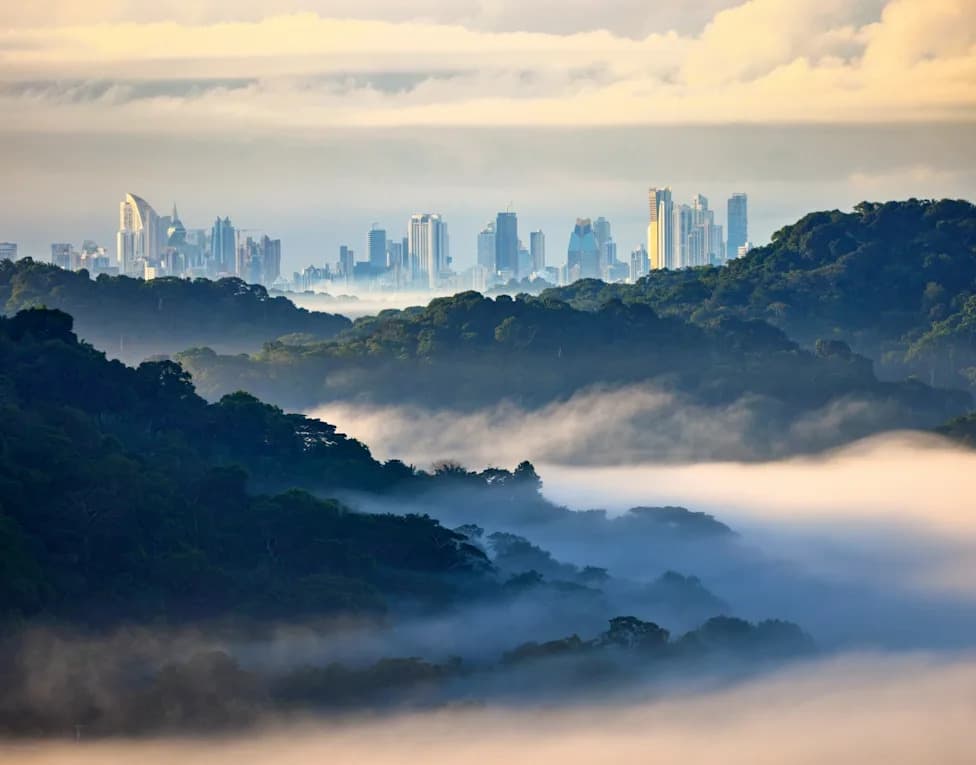
Image credits: Unsplash
Breathing rarely becomes a headline until the air itself forces attention. Global measurements of fine particulate matter (PM2.5, in micrograms per cubic meter, µg/m3) for 2025 reveal a widening gap between a handful of places with exceptionally clean air and several countries where annual averages reach levels that pose serious public-health risks.
1. French Polynesia (Image Credits: Unsplash)
What The Numbers Mean
WHO Guideline: The World Health Organization's recommended annual PM2.5 limit is 5 µg/m3. Only a very small share of monitored places met that guideline in 2025 — just thirteen countries and territories worldwide.
2. Iceland (Image Credits: Unsplash)
Cleanest Air: Top 9 (2025)
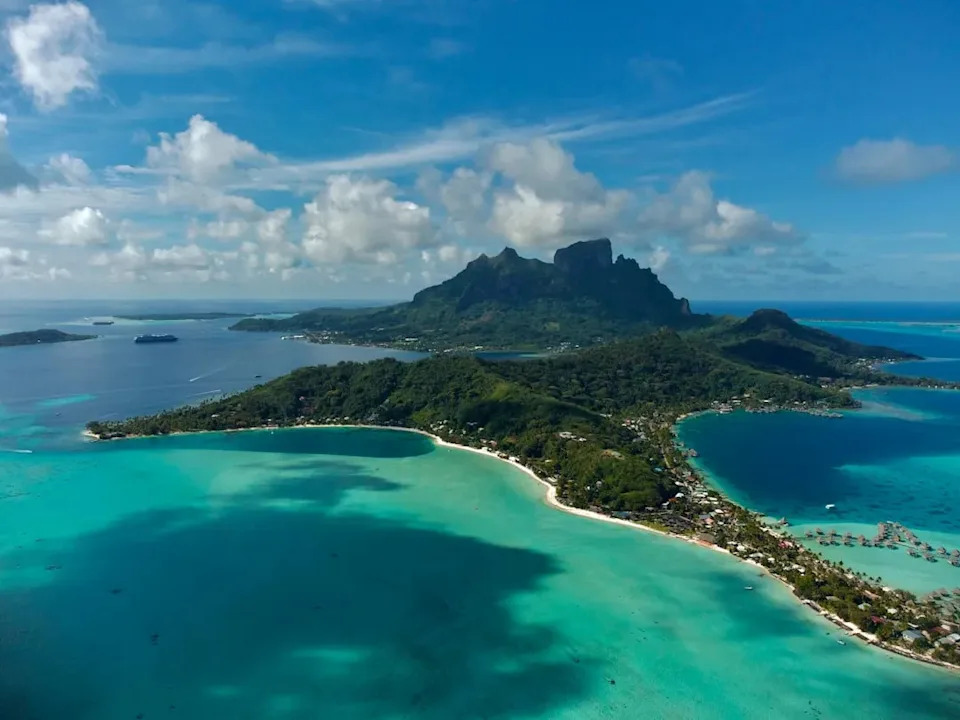
1. French Polynesia — 1.8 µg/m3
French Polynesia recorded the lowest national average in 2025. Its remote South Pacific location, minimal heavy industry and widely dispersed population make pollution accumulation unlikely; prevailing ocean winds also keep incoming particulates to a minimum.
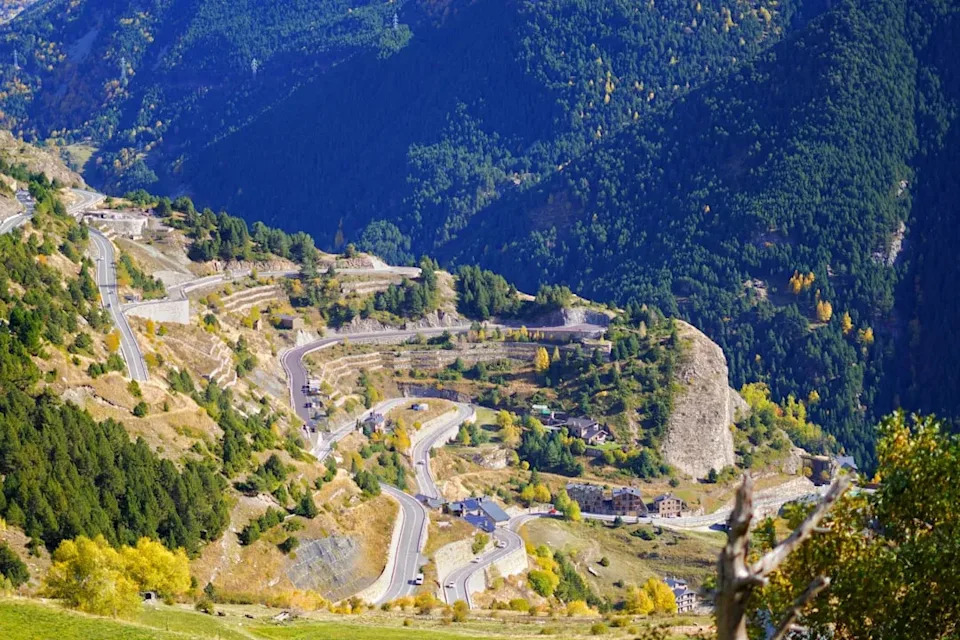
3. Andorra (Image Credits: Unsplash)
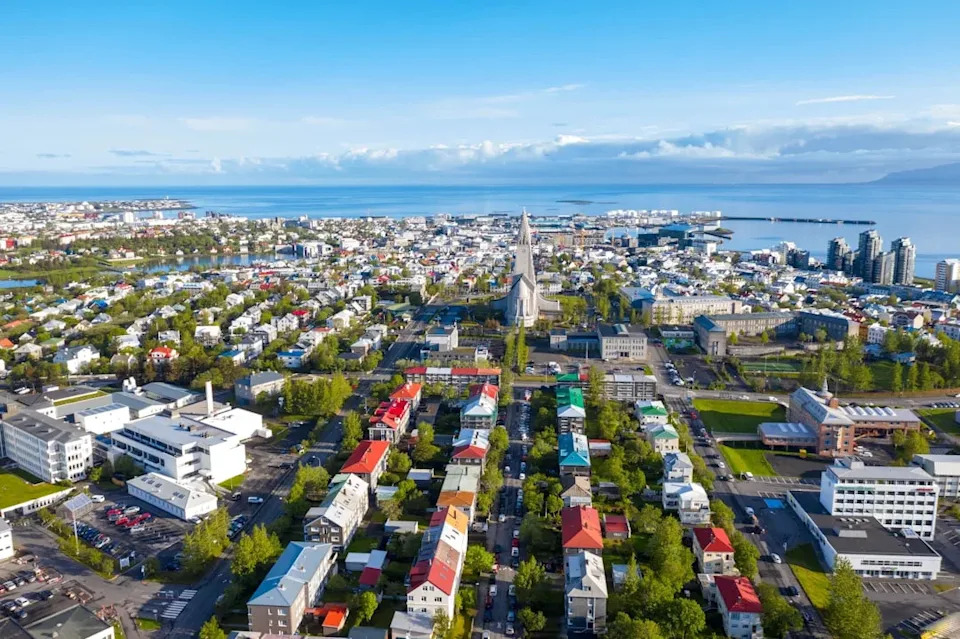
2. Iceland — ~2–3 µg/m3
Iceland's sparse population, limited industry and near-complete reliance on renewable energy (geothermal and hydropower) produce consistently low PM2.5 readings. Occasional volcanic emissions cause temporary spikes, but the national average remains very low.
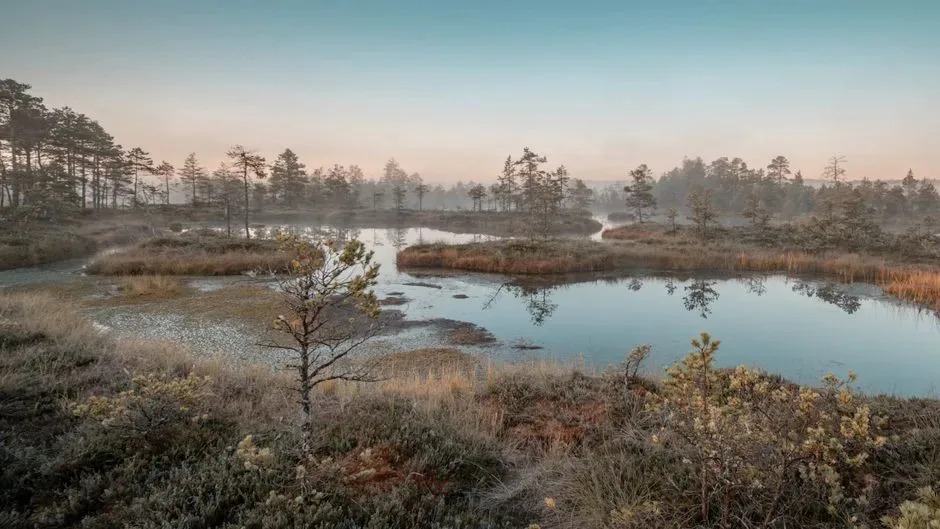
4. Estonia (Image Credits: Pexels)
3. Andorra
Sandwiched in the Pyrenees, Andorra benefits from high elevation, small population and little heavy industry — factors that helped it meet the WHO annual guideline in 2025 alongside two other European countries.
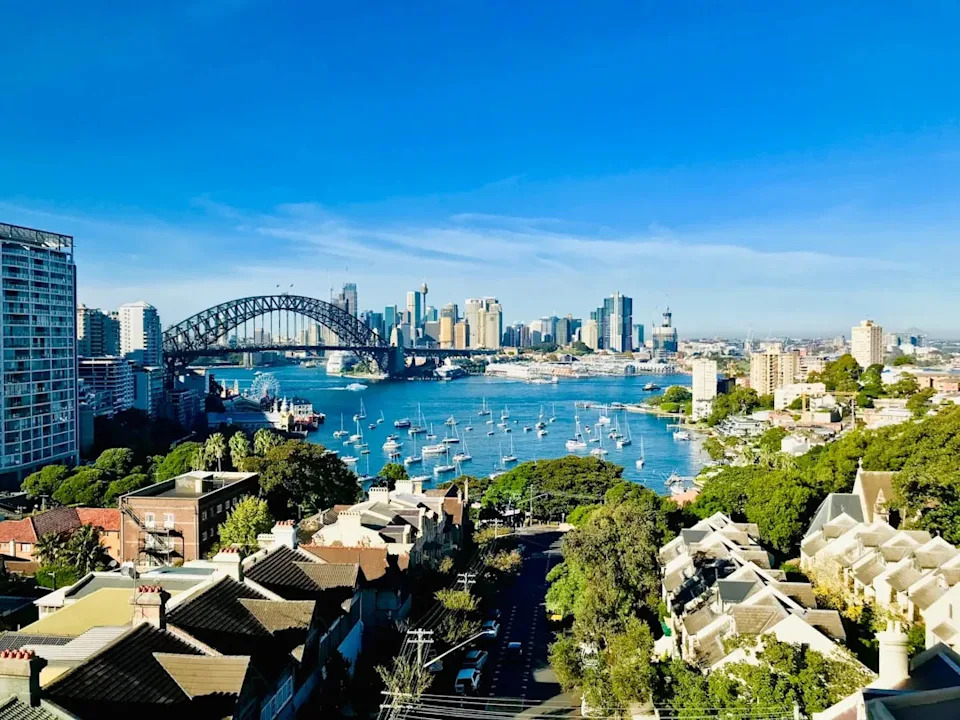
5. Australia (Image Credits: Unsplash)
4. Estonia
Estonia was the only former-Soviet country to reach the WHO annual guideline in 2025. Extensive forest cover, low population density and favorable Baltic wind patterns help keep particulate levels down.
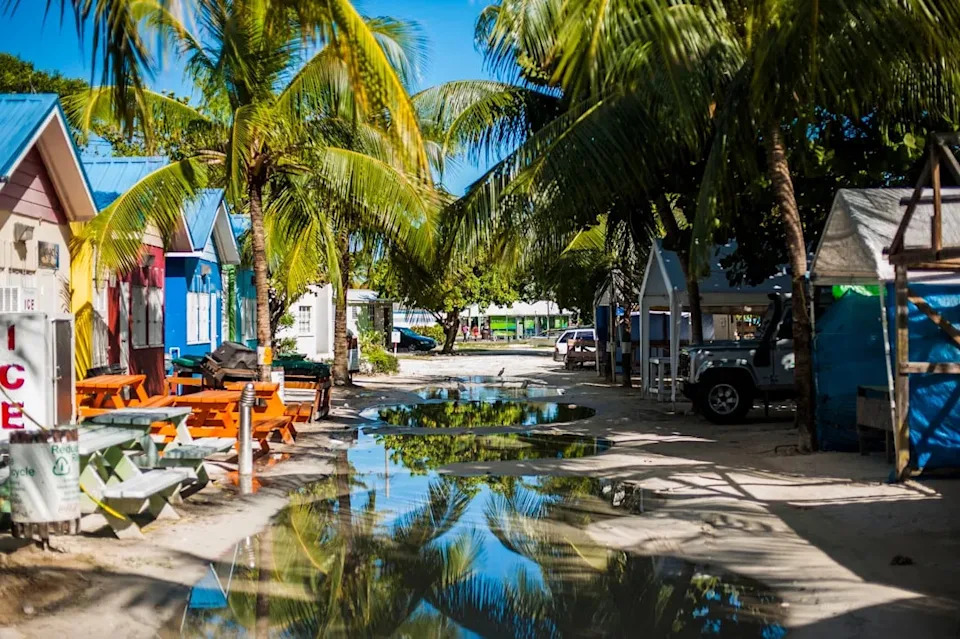
6. Barbados (Image Credits: Unsplash)
5. Australia
Australia is the largest country on this list. Strong vehicle-emission standards, industrial controls and vast low-density interior regions contribute to relatively low annual PM2.5 averages despite episodic spikes from weather or fires.
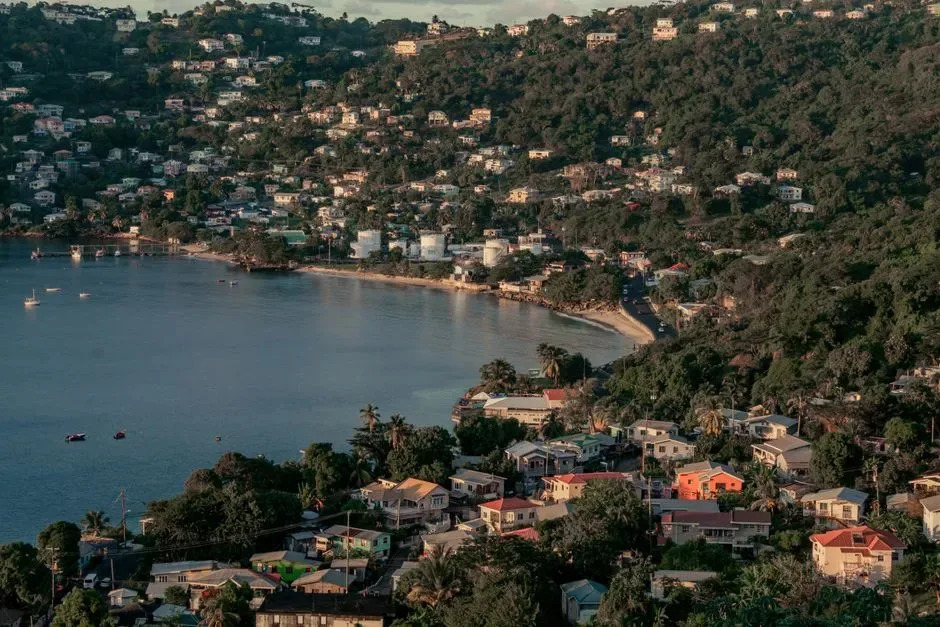
7. Grenada (Image Credits: Pexels)
6. Barbados
Barbados benefits from steady trade winds, an absence of heavy industry and a tourism-focused economy, all of which help keep PM2.5 concentrations below the WHO threshold.
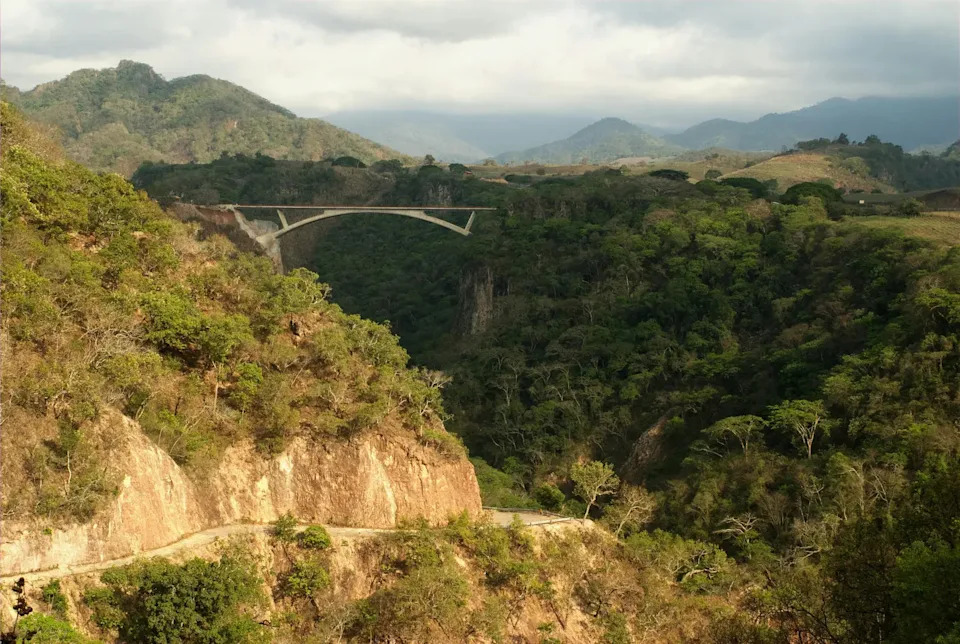
Image credits: Unsplash
7. Grenada — ~3.8 µg/m3
Low motorisation, limited manufacturing and strong maritime airflow keep Grenada's particulate levels among the world's lowest.
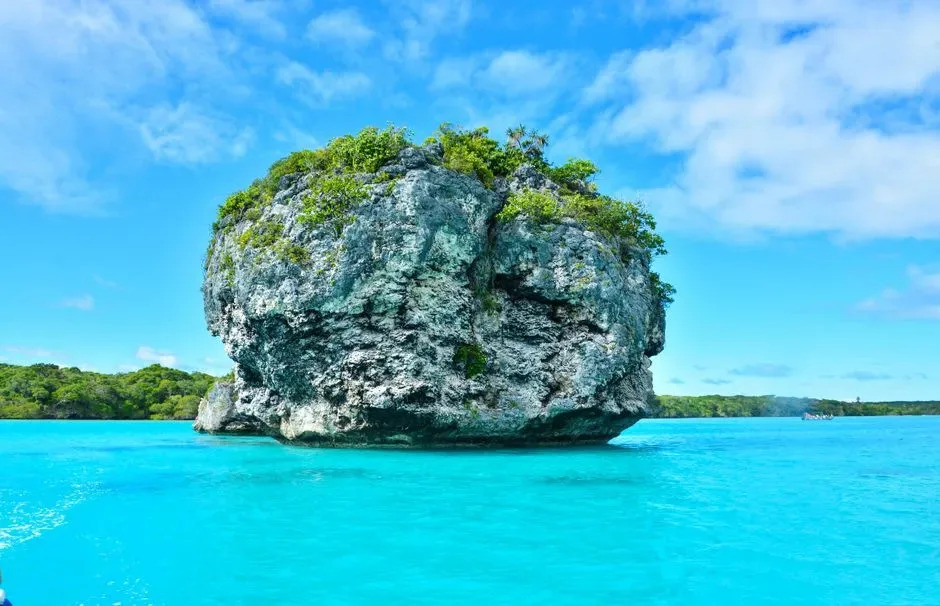
9. New Caledonia (Image Credits: Pexels)
8. Panama
Despite the busy Panama Canal, much of the country is tropical forest and coastal exposure keeps air moving; the canal is not a dominant source of fine particulate pollution at the national level.
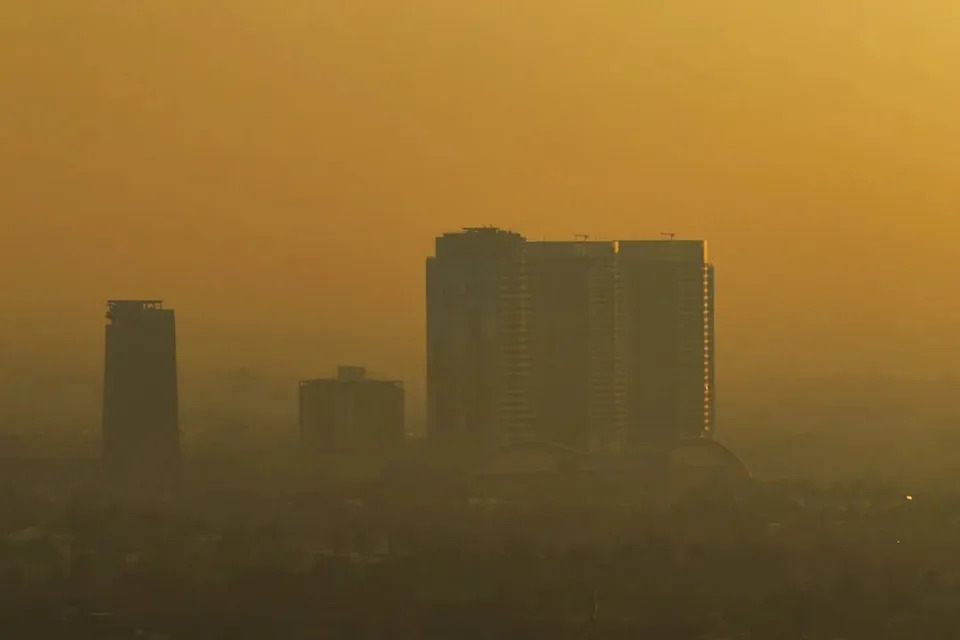
10. Pakistan (Image Credits: Unsplash)
9. New Caledonia
This South Pacific French territory combines isolation, regular ocean winds and limited heavy industry (with mining concentrated in smaller zones) to produce consistently low PM2.5 readings.
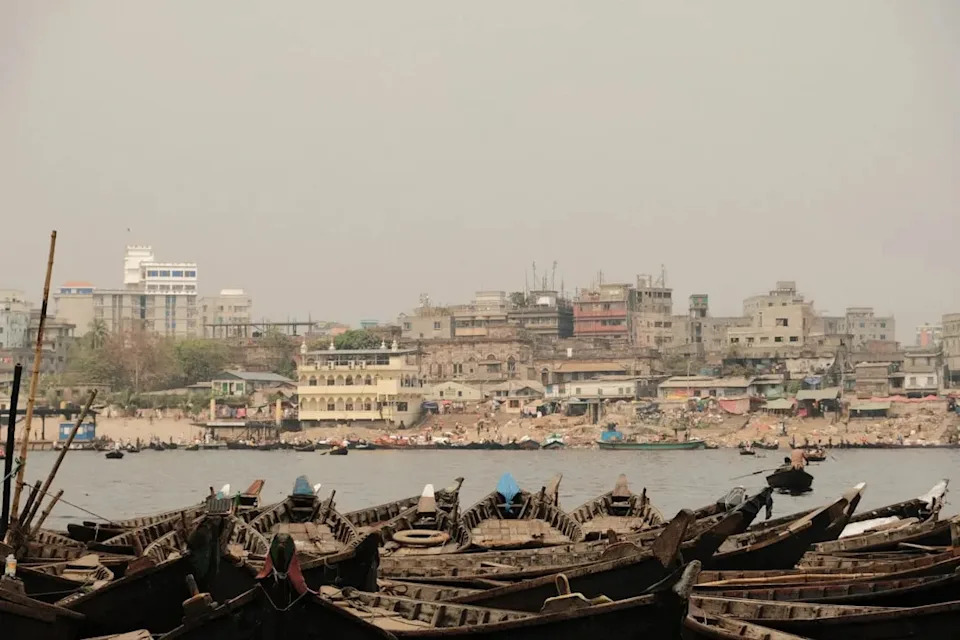
11. Bangladesh (Image Credits: Unsplash)
Most Polluted Countries: Top 5 (2025)
10. Pakistan — 67.3 µg/m3
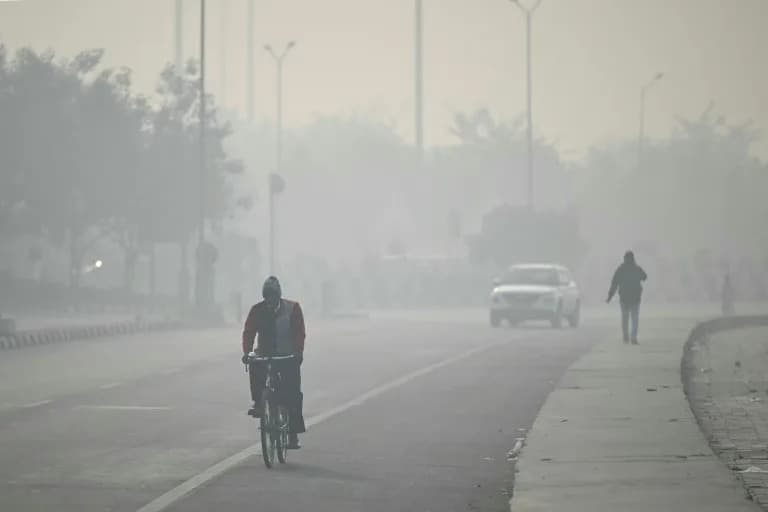
Pakistan recorded the highest national average in 2025. Major contributors include vehicle emissions, brick kilns, crop burning and concentrated industrial emissions in urban centers such as Lahore. Winter smog events frequently push air quality into hazardous ranges.
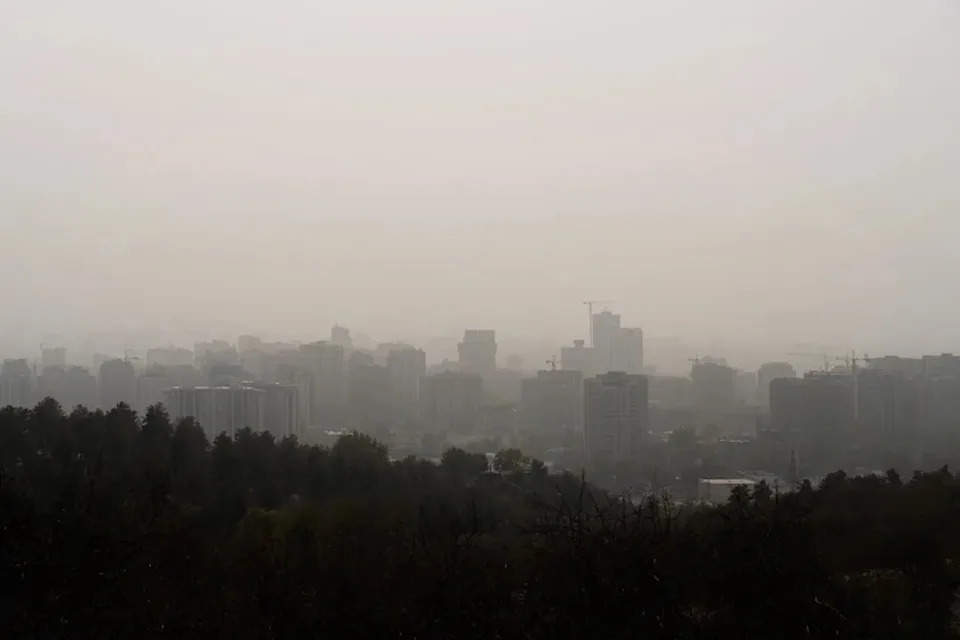
12. Tajikistan (Image Credits: Unsplash)
11. Bangladesh — 66.1 µg/m3
Dense urbanisation, brick kilns, construction dust, heavy traffic and transboundary pollution keep Bangladesh near the top of global PM2.5 rankings. Monsoon rains give temporary relief, but winter pollution episodes remain severe.
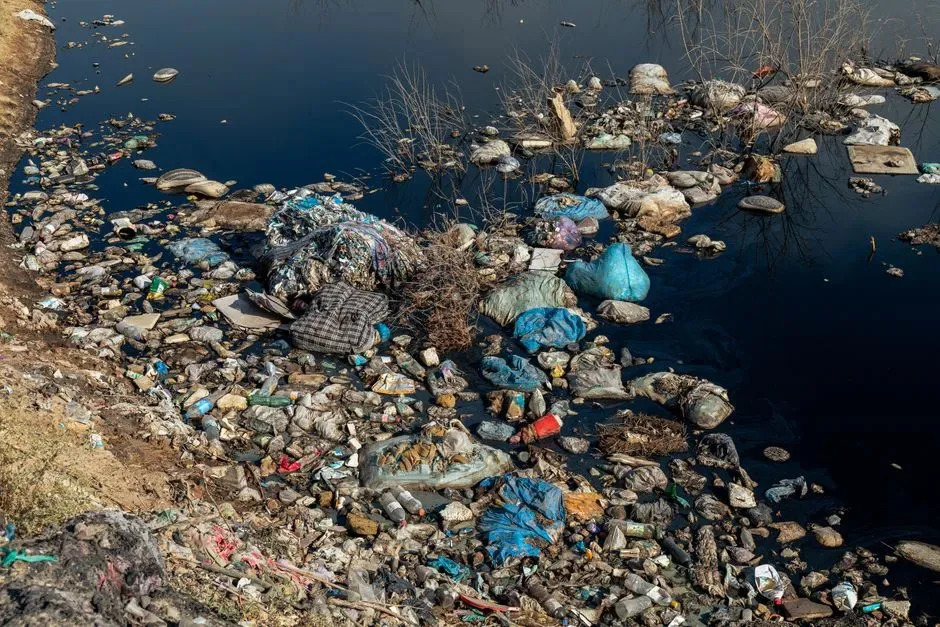
13. Chad (Image Credits: Pexels)
12. Tajikistan — 57.3 µg/m3
Mountainous terrain traps emissions from coal and wood heating in valleys, while dust from nearby arid regions adds periodic spikes. Limited regulatory enforcement and expanding monitoring have revealed a worsening picture.
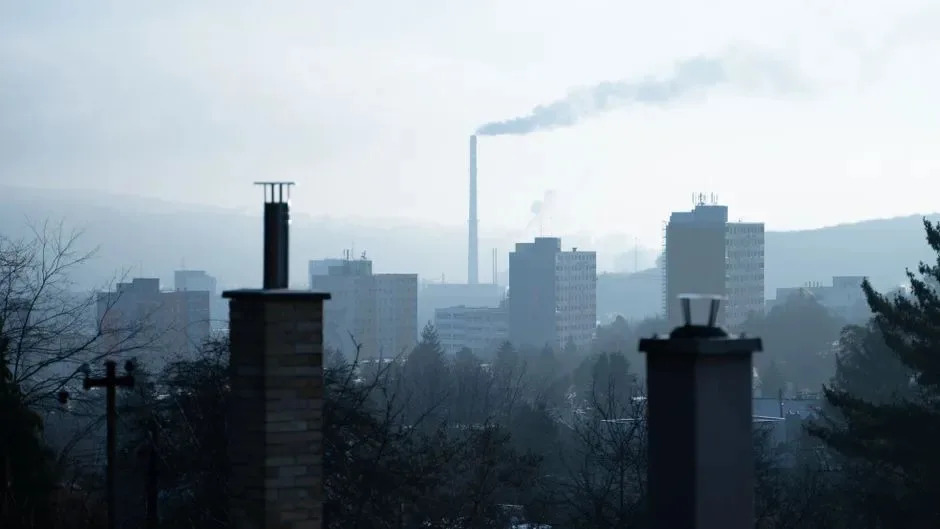
14. Democratic Republic of the Congo (Image Credits: Pexels)
13. Chad — 53.6 µg/m3
A large share of Chad’s particulate load is natural dust carried from the Sahara and Sahel, but widespread reliance on wood and charcoal for cooking also raises local PM2.5 levels. Monitoring coverage in much of Africa remains very sparse.
14. Democratic Republic of the Congo — 50.2 µg/m3
Biomass burning for agriculture and household energy, deforestation for charcoal and agricultural expansion are key contributors. Limited monitoring infrastructure may understate true exposure in many areas.
Key Takeaways
These fourteen countries illustrate stark global inequalities in air quality. Island nations and small, less-industrialized countries often enjoy air that meets WHO health standards, while densely populated or fuel-dependent countries experience annual averages that translate into significant health burdens. In addition, sparse monitoring — especially across Africa — makes it difficult to fully understand and address the problem everywhere it's most acute.
Note: All PM2.5 values are annual national averages reported for 2025. The WHO annual guideline is 5 µg/m3; values above that are associated with increased risks for respiratory and cardiovascular disease.
Help us improve.