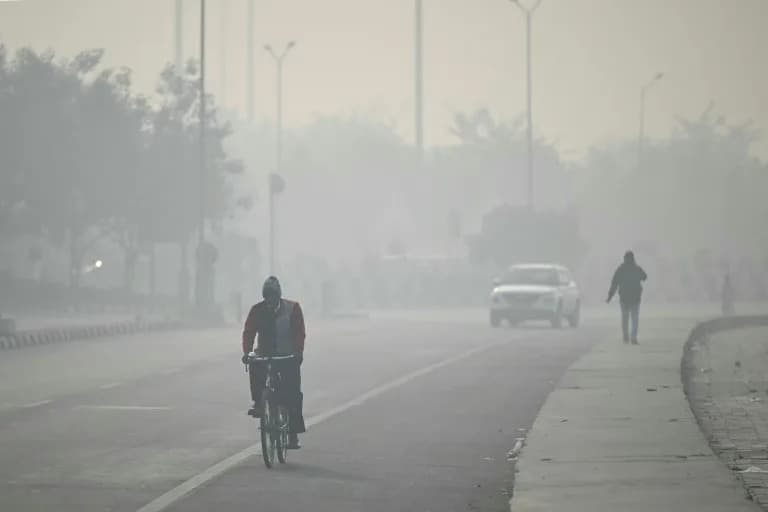
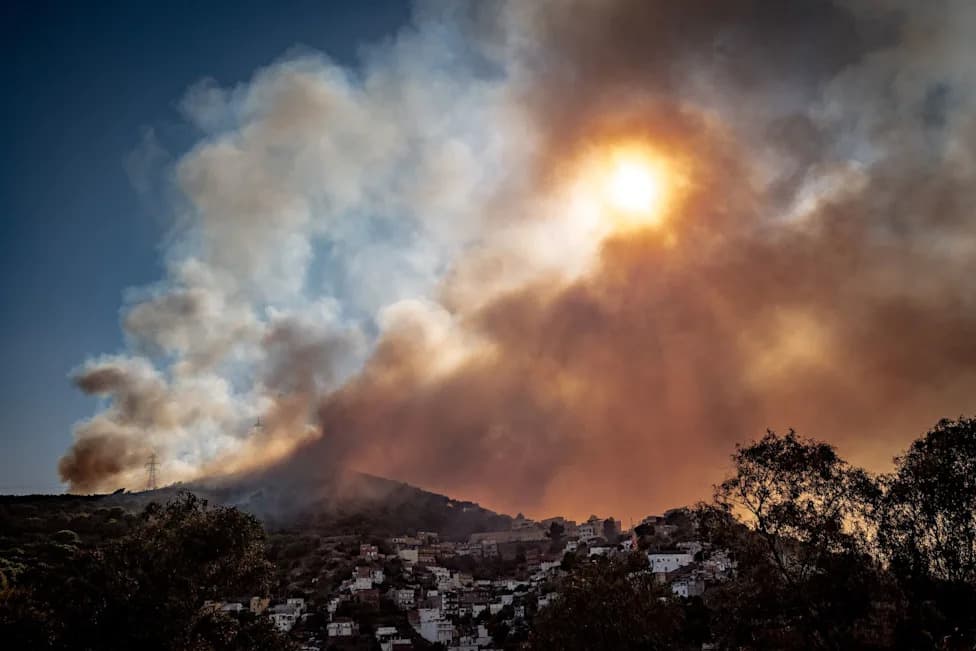
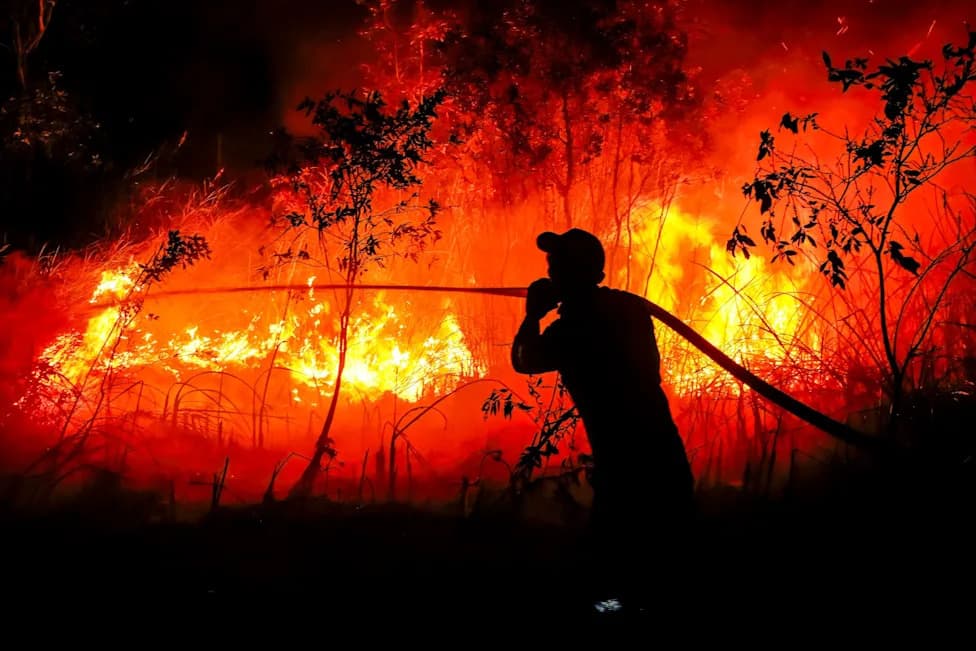
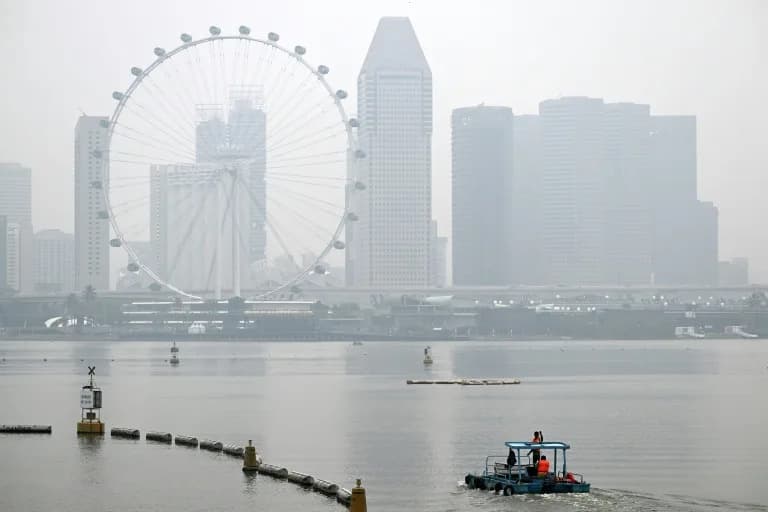
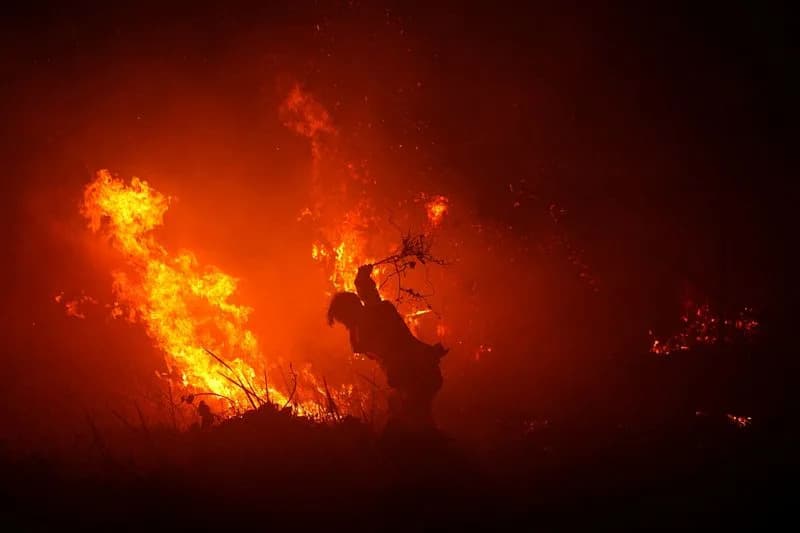
The EU's Copernicus Climate Atmosphere Monitoring Service found that 34% of people worldwide experienced "extremely poor" ozone air quality from Jan. 1 to Sept. 15, with another 17% in "very poor" conditions. Asia was most affected, with 53% of its population in the worst category. CAMS attributes the deterioration to record heatwaves, widespread wildfire smoke and climate conditions that favor ozone formation, and warns El Niño could raise fire risk in Southeast Asia.
Heat Waves and Wildfire Smoke Put One-Third of the World in 'Extremely Poor' Air, EU Analysis Finds
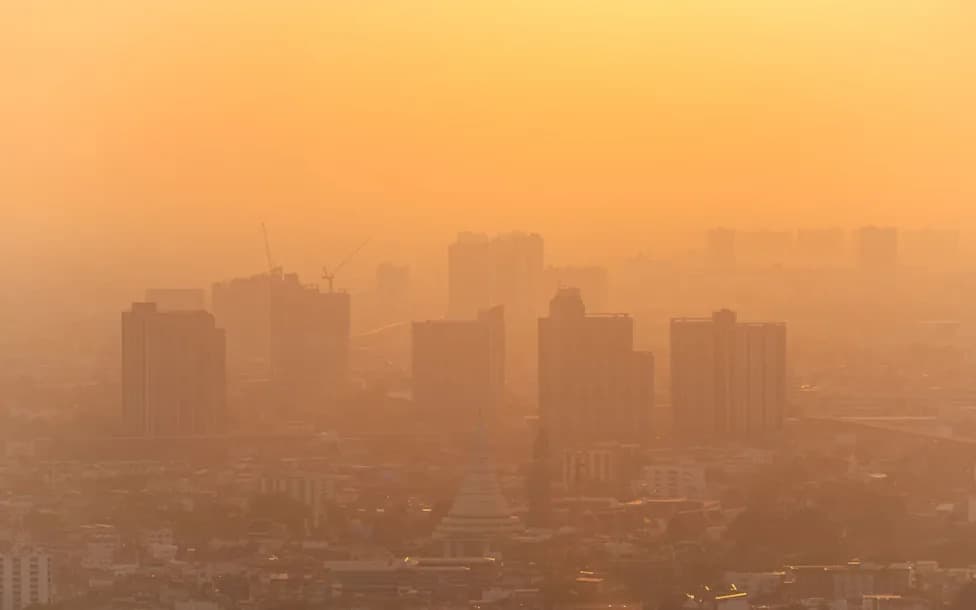
Photo Credit: iStock
A new analysis from the European Union's Copernicus Climate Atmosphere Monitoring Service (CAMS), published Sept. 30, finds that the combination of record heat waves and widespread wildfire smoke pushed roughly one-third of the global population into what CAMS classifies as "extremely poor" ozone air quality between Jan. 1 and Sept. 15.
Key Findings
CAMS reports that 34% of people worldwide were exposed to ozone levels it labels "extremely poor" during the period, another 17% experienced "very poor" conditions, and only about 5% of the global population encountered what the agency considers "good" ozone levels. Asia was hardest hit: 53% of the region's population faced "extremely poor" ozone exposure and a further 22% faced "very poor" conditions.
Why Ozone Is Getting Worse
Ground-level ozone is not emitted directly. On hot, sunny days, emissions from vehicles, industry and wildfires undergo chemical reactions in the atmosphere that form ozone. Heat and sunlight therefore make ozone formation more efficient, so record temperatures and persistent sunshine can rapidly turn already-polluted air into a much greater health risk.
Health and Geographic Impacts
Elevated ozone levels are linked to damaged lung tissue, difficulty breathing and more frequent asthma attacks. CAMS noted that major wildfires in Europe, North America and Indonesia, and smoke that traveled long distances, contributed to the global increase. The report also warned that the El Niño event that began in June could raise the risk of more fires in Southeast Asia.
"Air pollution does not stop at borders. It can travel thousands of kilometres, crossing continents and oceans and affecting air quality far from its source," — Laurence Rouil, CAMS director.
How the Analysis Was Done
CAMS combines satellite observations and computer models to track ozone, other pollutants and wildfire activity. The agency benchmarked exposure categories against World Health Organization guidance that caps eight-hour ozone exposure at 100 micrograms per cubic metre (µg/m³).
Takeaway
Ozone has proven difficult to reduce even as some other pollutants have declined because warmer, sunnier conditions favor its formation. Dangerous air quality can be invisible and affect areas far from a blaze, so air-quality alerts and precautions during heat waves remain essential.
Related reporting: Studies show heat and wildfires have erased air-quality gains in parts of the U.S.; wildfire-driven ozone increases are linked to elevated mortality far from the flames; and China can see winter ozone spikes even without summer heat.
Help us improve.