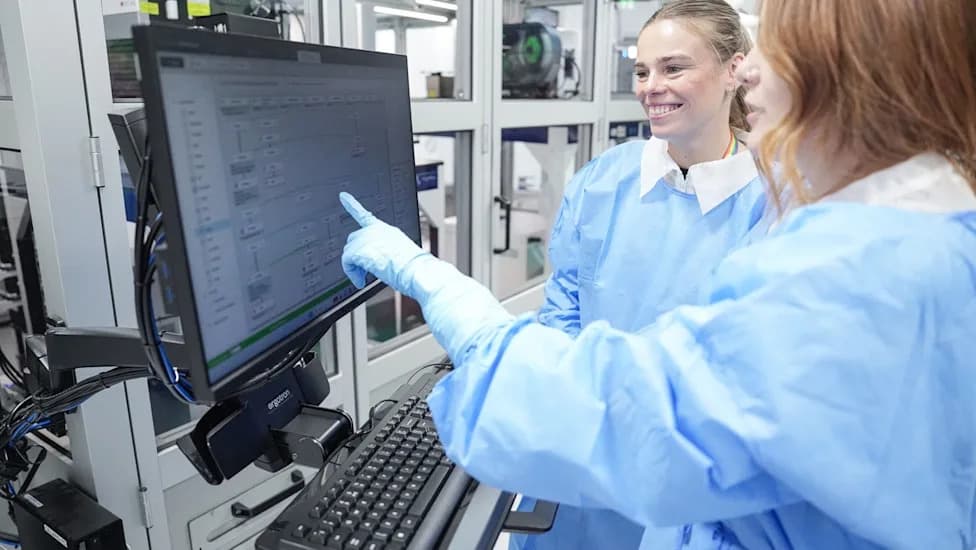
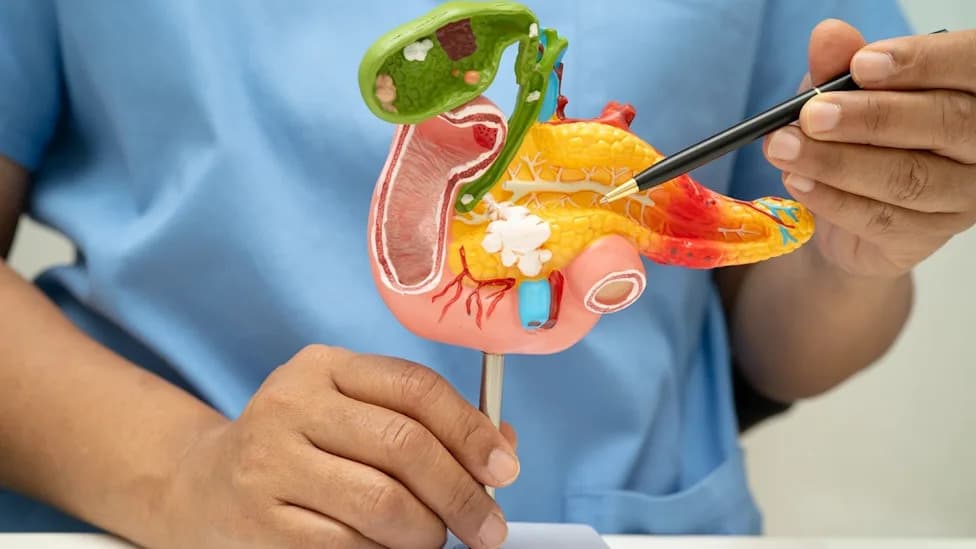
A new £20m hub at the Cambridge Stem Cell Institute will combine AI with advanced human tissue models — such as organoids and stem cell systems — to speed drug discovery and improve translation from lab to clinic. Funded by the Medical Research Council and partnered with Cambridge University Hospitals, the initiative aims to reduce reliance on animal testing, lower development time and costs, and support more personalised therapies. Key partners include the Wellcome Sanger Institute, the MRC-LMB and Royal Papworth Hospital.
£20m Cambridge Hub to Accelerate Drug Discovery Using AI and Human Tissue Models
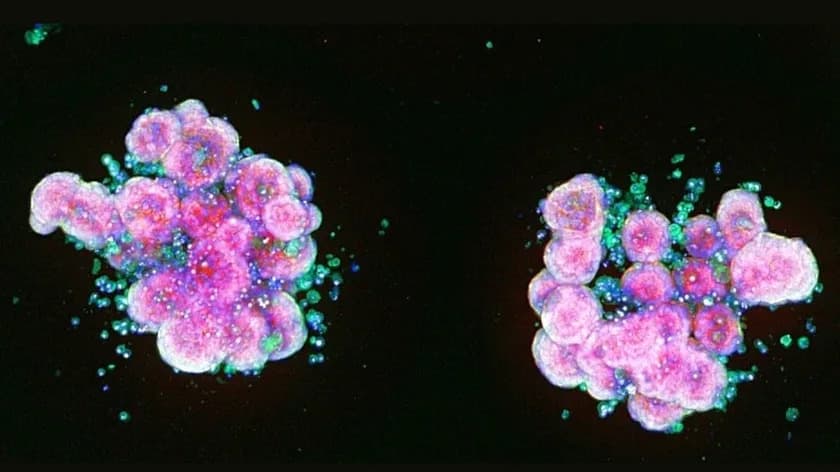
The new hub is aiming to use stem cell-based systems and AI approaches [Cambridge Stem Cell Institute]
A new £20 million research hub is being established at the Cambridge Stem Cell Institute on the Cambridge Biomedical Campus to accelerate the development of new medicines by combining artificial intelligence (AI) with advanced human tissue models.
Funded by the Medical Research Council, the hub will partner with Cambridge University Hospitals NHS Foundation Trust (CUH) and bring together academic, clinical and industry expertise from across Cambridge and the UK.
What the Hub Will Do
Researchers will develop and apply laboratory models derived from human tissues and diseases — including stem cell systems and lab-grown mini-organs known as organoids — alongside AI-driven analysis, bioengineering and clinical research. These approaches are intended to improve how laboratory findings translate into safe and effective treatments for patients.
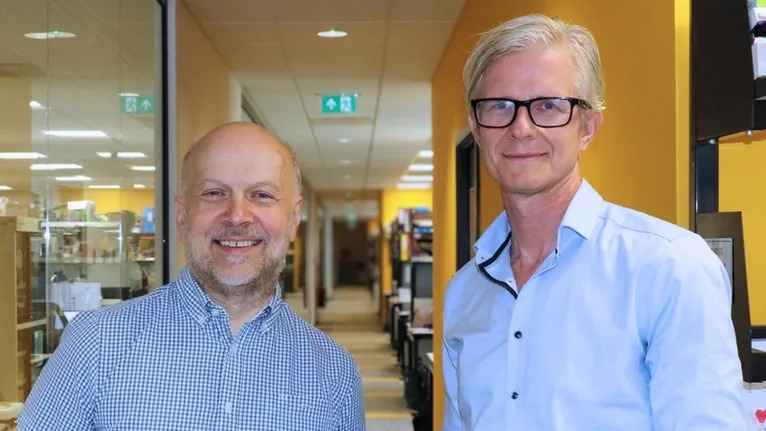
Co-leaders of the new hub, professors Bertie Gottgens and Matthias Zilbauer [Cambridge Stem Cell Institute]
Goals and Benefits
CUH says the hub will create 'more accurate ways to study, predict and develop treatments for human diseases before they are trialled in patients,' and will support efforts to reduce reliance on animal research. By capturing characteristics of individual patients, the human-based models aim to enable more accurate disease modelling, faster screening of candidate medicines, and more personalised therapies while lowering time and development costs.
Leadership and Partners
The hub will be co-led by Professor Matthias Zilbauer, honorary consultant at CUH, and Professor Bertie Göttgens, director of the Cambridge Stem Cell Institute. Additional partners include the Wellcome Sanger Institute, the MRC Laboratory of Molecular Biology (MRC-LMB) and Royal Papworth Hospital NHS Foundation Trust.
Professor Matthias Zilbauer: 'By capturing important characteristics of individual patients, these human models allow us to study disease more accurately and test potential treatments before they reach the clinic.'
By uniting hospitals, research institutes and industry, the hub aims to accelerate the development and adoption of research tools that better reflect human biology and improve the pathway from discovery to patient care.
Help us improve.