CRBC News
Economy

Watchdog: PG&E Customers Could Face Up to $840 More Per Year by 2030

Watchdog: PG&E Customers Could Face Up to $840 More Per Year by 2030
Photo Credit: Getty Images

Independent CPUC review: The Public Advocates Office warns the average California household could pay about $840 more per year by 2030, even as PG&E says rates are stabilizing. This potential rise follows a roughly 69% increase over the past decade and coincides with PG&E seeking to recover billions, including about $1.05 billion in memorandum accounts.

Policy stakes: Sacramento lawmakers are weighing bills such as SB 1098 and SB 886 to limit cost-shifting to ratepayers and to block certain expenses — like AI data center costs — from being passed onto consumers.
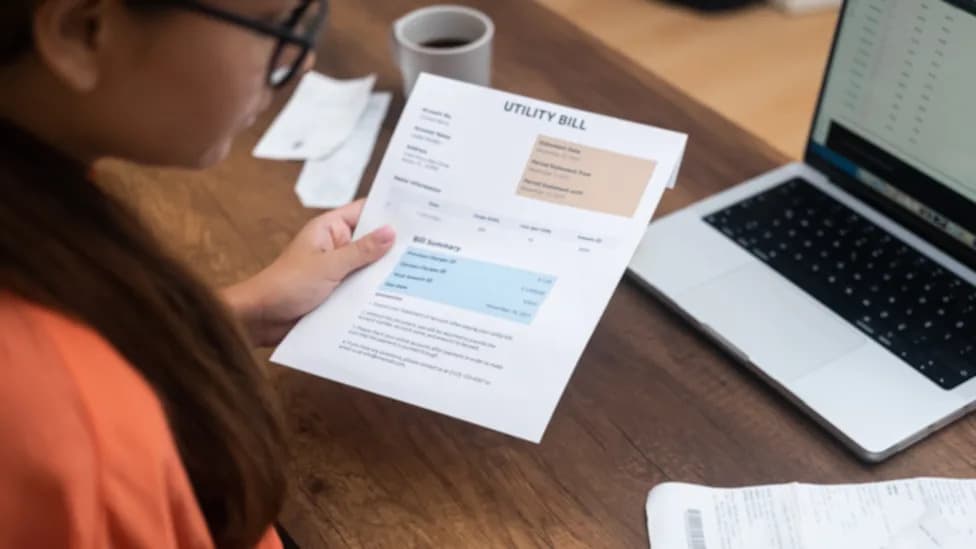
An independent review by the California Public Utilities Commission's (CPUC) Public Advocates Office warns that the average California household could pay about $840 more per year by 2030 — even though Pacific Gas & Electric (PG&E) says its rates are stabilizing.

How Much More Could Consumers Pay?

The Public Advocates' analysis, highlighted in an opinion essay in The San Francisco Chronicle, projects roughly $840 in added annual costs for the typical household by 2030. That increase would come on top of a roughly 69% rise in customer bills over the past decade.

Why Bills May Rise

PG&E is seeking to recover billions in outstanding costs and currently holds about $1.05 billion in memorandum accounts that are likely to be billed to ratepayers. The company argues that its rates are stabilizing, but the independent review suggests substantial upward pressure on future bills remains.

Who Bears the Cost?

The situation raises a policy question about whether households should shoulder the financial consequences of utility business and investment decisions. When utilities accumulate large expenses and later ask regulators to incorporate them into customer bills, ratepayers—many of whom did not create those risks—can end up absorbing the costs.

Impact on Households and Climate Goals

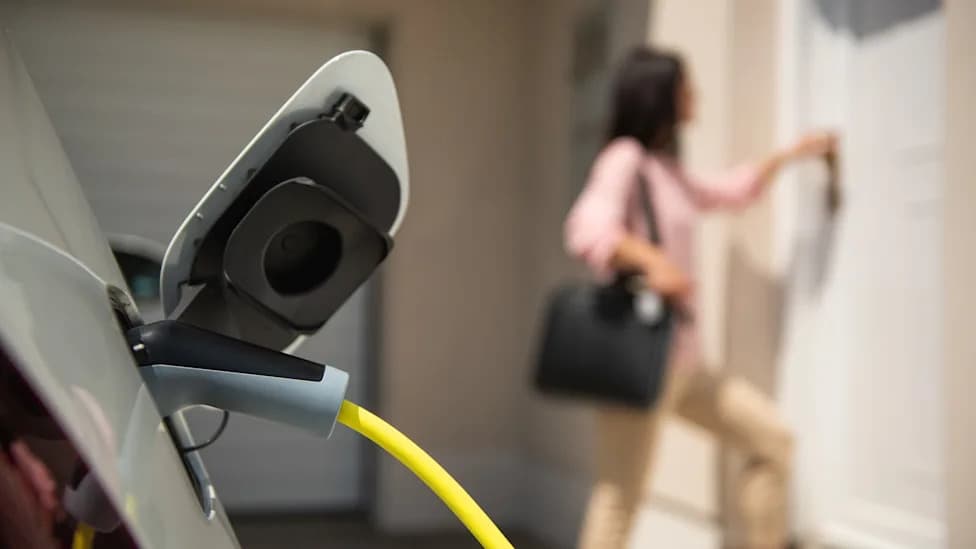
For many families, an extra $840 a year would force difficult trade-offs: running air conditioning during heat waves, charging an electric vehicle, or covering rent and groceries. This affordability squeeze could also slow adoption of electrification measures intended to cut pollution and reduce emissions over time.

Policy Responses Under Consideration

Lawmakers in Sacramento are considering measures to limit cost-shifting to households. Notable proposals include:

  • SB 1098 (Sen. Sasha Renée Pérez) — would close a billing loophole used by utilities.
  • SB 886 (Sen. Steve Padilla) — would block utilities from passing AI data center costs onto ratepayers.
  • Advocates say broader wildfire-cost reform packages under consideration by Gov. Gavin Newsom and legislators should include protections in bills such as SB 905 and SB 1098 to shield customers from excessive cost-shifting.
Bottom line: The dispute centers on whether more of PG&E's accumulated and future costs will be transferred to household bills — and how state policy can balance utilities' financial recovery, public-safety obligations and consumers' ability to afford electricity.

Help us improve.

Related Articles

Trending